Fake Traffic Ticket Texts Hit Tennessee as Part of $470M National Text Scam Wave
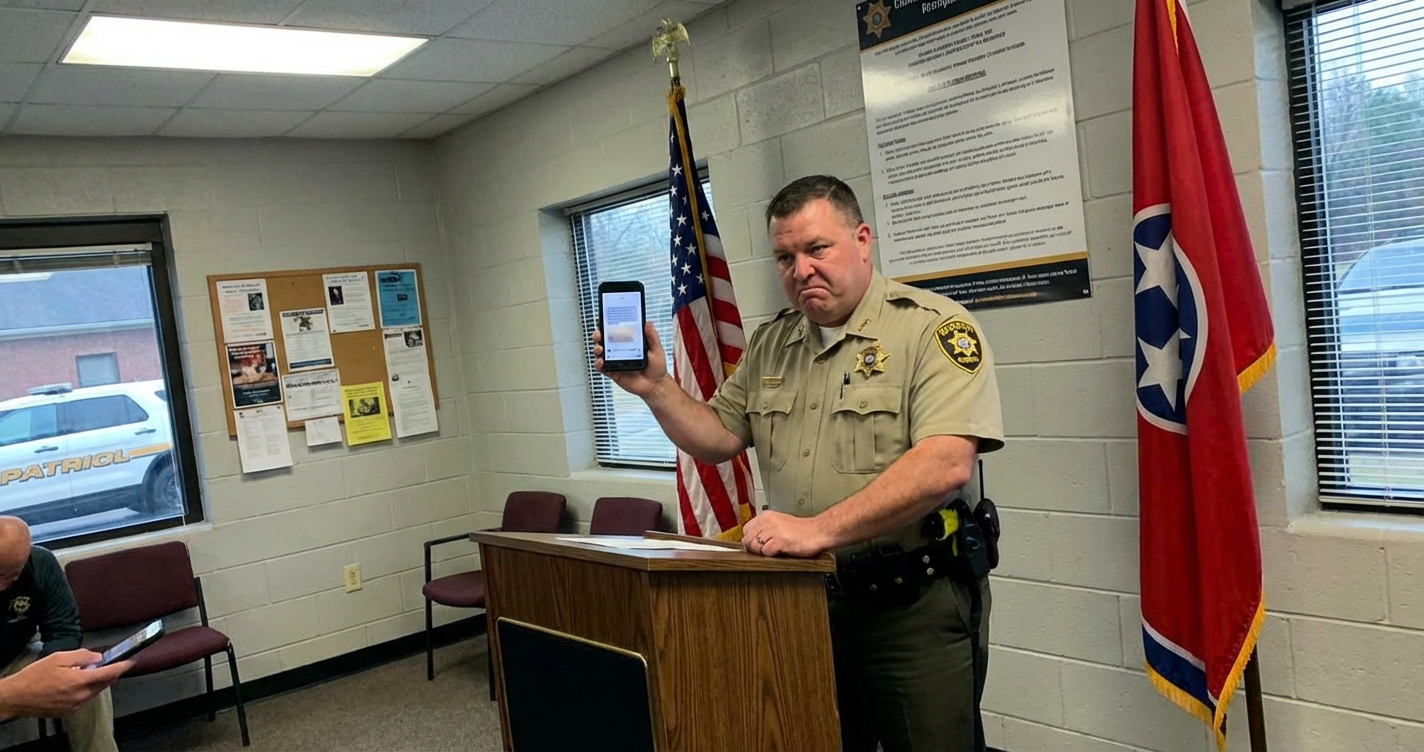
Residents across East Tennessee have been jolted by urgent text messages claiming they possess unpaid traffic tickets and must pay immediately or face jail time. The messages often cite a specific judge and include a link or QR code prompting instant payment. He emphasized, “His office never contacts defendants by text or email about past-due violations.” This sudden surge has left many questioning the legitimacy of the alerts, while authorities warn the texts are entirely fabricated and part of a growing scam.
Scam Mimics Official Court Documents

The fraudulent texts are designed to look like legitimate court notices, complete with counterfeit seals and references to real statutes. Recipients receive a message stating they have an “unpaid traffic ticket” and missed the payment deadline, urging them to click a link to settle the fine. Investigators note the court seal in the corner is often incorrect and the cited law does not match actual Tennessee codes. These subtle discrepancies are red flags that the communication is not genuine, prompting officials to advise scrutiny before acting.
Threats Escalate: License Suspension and Jail Time

Beyond demanding payment, the scam texts threaten severe consequences if recipients do not comply, including suspension of vehicle registration, driver’s license, and driving privileges. Some messages warn that failure to pay will result in an additional 35% service fee and report the violation to a state DMV database. The FTC notes that such threats are classic tactics used to pressure victims into quick payment. These intimidation strategies are meant to override rational judgment and compel immediate action.
Government Agencies Stress They Never Text About Tickets

State officials are clear: no legitimate government agency will contact citizens about traffic violations via text, email, or QR code. The Tennessee Department of Safety and Homeland Security explicitly states, “Know that the TDOSHS does not send text messages about overdue traffic fines, fees, payments, or license suspensions.” Likewise, the Davidson County Circuit Court Clerk reiterates that his office never uses text or email for past-due ticket notifications. This unified message aims to help the public distinguish real alerts from fraudulent ones.
How to Spot the Fake Messages

Experts recommend several tell-tale signs that a traffic-ticket text is a scam. Look for unfamiliar area codes, misspelled words, or links that do not lead to an official “.gov” website. The scam often includes a QR code that, when scanned, redirects to a site mimicking the Tennessee Department of Safety but lacking proper security certificates. Additionally, genuine government correspondence will always come from an address ending in “@tn.gov.” Checking these details can prevent falling for the ruse.
Experts Warn Against Clicking Links or Scanning QR Codes
Clicking any embedded link or scanning a QR code in these messages can lead to malicious websites designed to harvest personal and financial information. The FTC advises, “Don’t click on any links in, or respond to, unexpected texts.” Scammers rely on victims acting quickly before they realize the deception. By refraining from interaction, individuals deny criminals the opportunity to steal data or install malware. Officials urge recipients to delete the message immediately after verifying its illegitimacy.
Group Chat Variant Spreads Rapidly

A particularly insidious version of the scam circulates through group chats, where the same fake ticket warning is sent to multiple recipients simultaneously. In one East Tennessee incident, a woman received a group text claiming to be from the Tennessee DMV, demanding payment for an outstanding ticket and threatening to suspend driving privileges. The message included a suspicious link and originated from a nonexistent area code, heightening its deceitful appearance. Officials note that such group-chat tactics increase the scam’s reach and apparent credibility among recipients.
Official Advice: Verify Through Legitimate Channels

When in doubt, residents should verify any ticket-related communication through official channels rather than relying on the message itself. The Davidson County Clerk recommends calling the clerk’s office directly using a known phone number or visiting the official website. The Tennessee Department of Safety advises using a verified phone number or website you know is real, not the contact information supplied in the text. Taking these steps ensures you are speaking with a legitimate authority and not a fraudster.
Reporting and Protecting Yourself

Victims of the scam are encouraged to report the incident to help authorities track and combat the fraud. Reports can be filed with the Federal Trade Commission at ReportFraud.ftc.gov or through the phone’s “report junk” feature, which forwards the message to 7726 (SPAM). After reporting, delete the text and block the number to prevent further contact. The FTC also recommends monitoring accounts for unusual activity, as scammers may attempt to use stolen information for further fraud.
Scammers Evolve Tactics

Law enforcement warns that scammers continually refine their approaches, making ongoing vigilance essential. The Tennessee Highway Patrol reminds the public that these messages are not real and encourages sharing warnings with friends and family to prevent further victims. By staying informed about the latest tactics, such as fake court seals, QR codes, and group-chat distributions, residents can better protect themselves. Officials stress that a moment of caution can save both money and personal security.
Sources:
“That text about an overdue traffic ticket is probably a scam.” Federal Trade Commission Consumer Advice, 2025.
“Tennessee Department of Safety issues warning about scam texts.” Tennessee Department of Safety and Homeland Security, 2026.
“Warning issued over scam targeting outstanding ticket payments.” NewsChannel 5 Nashville, 2026.
“Middle TN officials warn about traffic violation scam.” Yahoo News, 2026.
“Fake Traffic Ticket Texts Hit Tennessee as Part of $470M National Text Scam Wave.” MSN, 2026.