EV Strategy Collapses—$26B Auto Industry Bloodbath Claims 9 CEOs In 18 Months
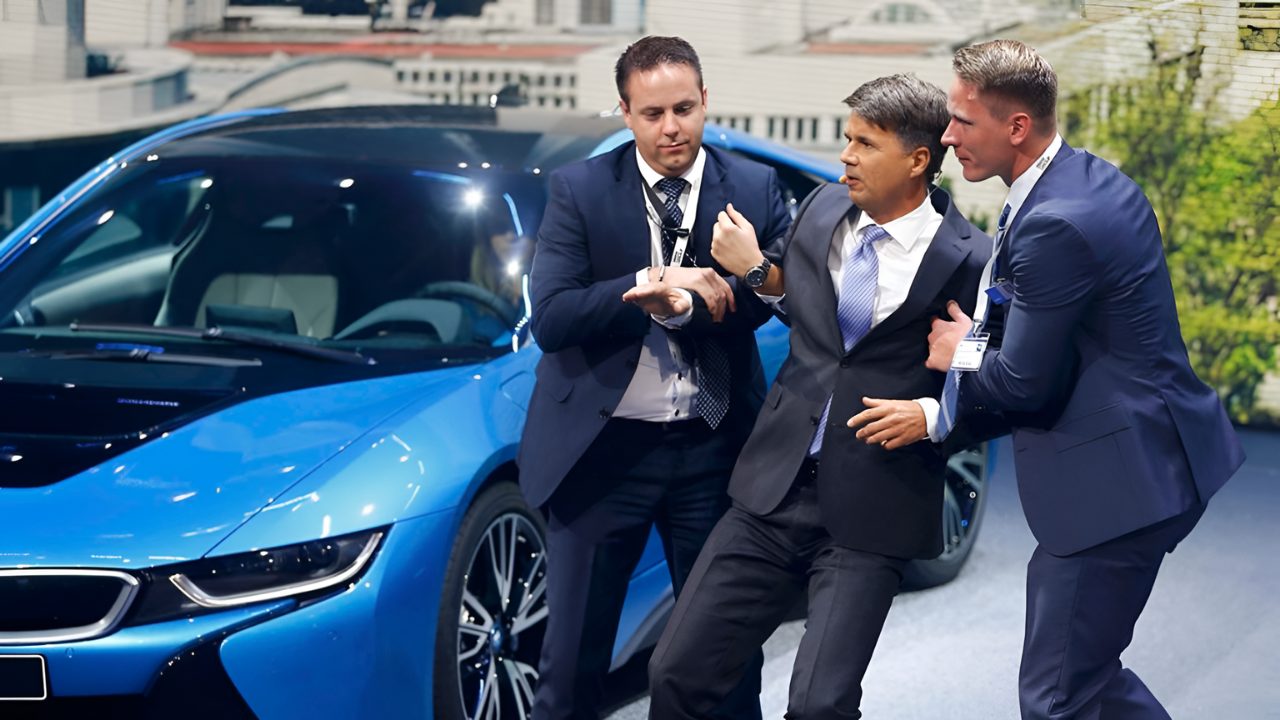
Somewhere between the quarterly earnings call and the resignation letter, the auto industry stopped pretending. Stellantis. Toyota. Nissan. BMW. Porsche. Renault. Volvo. Hyundai. Jaguar Land Rover. Nine companies, nine corner offices emptied, each CEO departing amid strategic upheaval across the sector.
The departures started in late 2024 and kept coming, roughly one every two months, across companies that compete against each other on every continent. That rhythm alone tells a story no press release could spin.
Bet Gone Wrong
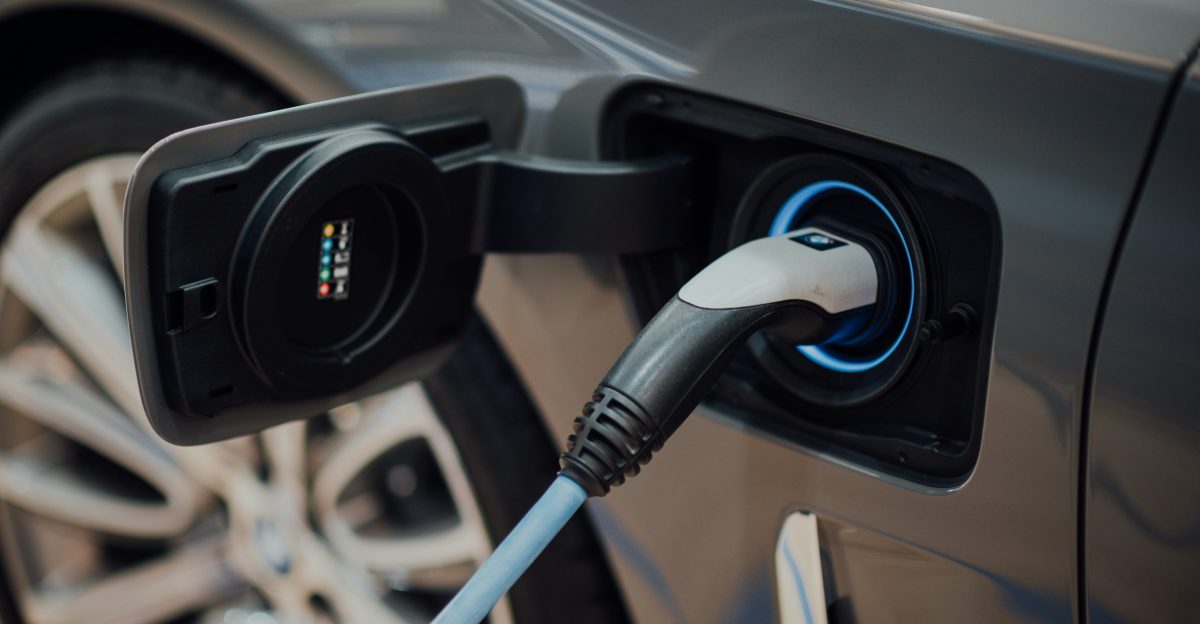
Most of those executives inherited or operated within the same industry playbook: go electric, go fast, all-in. For years, electrification was treated as inevitable. Questioning it meant risking your career. Product lines were redrawn around battery-powered futures, capital budgets redirected, and factory floors retooled.
At the same time, slowing EV demand, tariff pressures, and geopolitical headwinds hit. The industry’s boldest strategic commitment became its most expensive miscalculation. The losses mounted before any pivot was possible.
The Real Enemy
Legacy automakers burned cash to electrify. Chinese EV manufacturers captured 43% of global market share. Nearly half the world’s EV market went to competitors Western boardrooms dismissed five years ago.
Detroit, Stuttgart, and Tokyo were expected to lead the electric transition on their own terms. They funded the transition and watched others win it. That 43% figure shows the scale of China’s automotive rise.
$26 Billion Crater

The damage at Stellantis: a $26.3 billion net loss, driven mostly by write-downs and asset impairments tied to its strategic pivot. Losses of this scale landed on Stellantis’s balance sheet while Chinese competitors scaled production at costs legacy automakers couldn’t reach.
Nine CEOs replaced across the industry. $26.3 billion gone at just one company. An entire strategic doctrine abandoned, sometimes by its own architects. A strategy that produces this level of carnage gets scrapped fast. Replacement leadership broadened the approach, pivoting toward flexible powertrain strategies.
The Pivot
The new CEOs are not tweaking timelines. They are dismantling the architecture that defined the industry for the past half-decade. “Flexible powertrain strategies” is corporate-speak for admitting that betting everything on batteries was a mistake.
The shift keeps hybrid options in play, extends the life of internal combustion, and sends capital where demand actually exists rather than where ideology says it should.
Numbers Don’t Lie
Between late 2024 and early 2026, executive turnover hit levels the auto industry has rarely seen. Several more transitions are still pending. Nine CEO departures across competing firms is not cyclical reshuffling. It signals that the industry’s strategic direction needs a reset.
Not every departure followed the same script. Some CEOs were pushed out by boards demanding a new direction. Renault’s Luca de Meo left to lead luxury conglomerate Kering. BMW’s Oliver Zipse left under the company’s long-standing age limit policy for board members. Hyundai’s Jaehoon Chang was promoted to Vice Chair of Hyundai Motor Group as part of a leadership restructuring.
Jaguar Land Rover’s Adrian Mardell retired after a planned three-year tenure and 35 years with the company. Porsche’s Oliver Blume stepped down as part of a long-criticized dual-role arrangement with Volkswagen Group. Volvo’s Jim Rowan departed after three years as the board sought leadership with deeper automotive industry experience. But the common backdrop across the industry was the same: an electrification strategy that had stopped delivering the results boardrooms expected.
Ripple Effects
The damage extends beyond executive suites. Factory retooling investments face uncertain returns. Supplier contracts built around EV-only production need renegotiation. Workforce plans calibrated for battery assembly lines now run in reverse. The competitive threat from China continues during the leadership transition.
Every month spent replacing CEOs and rewriting strategy documents gives Chinese manufacturers more time to consolidate their 43% market share and push deeper into markets legacy automakers once considered theirs. The financial losses may have triggered the purge, but the strategic vacuum could prove even more costly.
New Rule
This is not a correction. It is a structural reset. Temporary corrections do not claim nine CEOs or reverse an industry’s foundational strategic commitment. What emerges from this upheaval is a new principle: survival belongs to automakers that move past ideological commitment to any single powertrain technology.
The EV strategy failure was a common thread across several departures, but each had its own boardroom dynamics. The companies that treated electrification as destiny rather than one option among many paid billions for the lesson.
Unfinished Business
The next five years will separate the survivors from the casualties. Tariff pressures show no sign of easing. Chinese manufacturers are expanding beyond EVs into hybrids and plug-in models, attacking the exact “flexible” territory Western automakers are now retreating toward.
The new CEOs face a brutal paradox. They were hired to fix a strategy that bet too heavily on one technology, and now must build a multi-powertrain future while competitors who never left that approach already own it.
The Real Question
Nine CEOs gone. Billions burned. An entire strategic era is buried. The replacement playbook, flexible powertrains, and cost discipline match the strategy the industry needed from the start. The automakers that survive will be the ones honest enough to admit they confused a technology preference with a business plan. Most still think this story is about electric cars.
This is a story about what happens when an entire industry follows consensus off a cliff, and many of the people who led during the consensus get replaced for it.
Sources:
Detroit Free Press — “Stellantis takes $26 billion hit on EV strategy shift” — February 6, 2026
Reuters — “BMW names veteran Nedeljkovic as CEO to tackle China, Tesla” — December 9, 2025
Voronoi — “China’s Top EV Makers Cover 43% of the Market” — January 1, 2026
Automotive News — “From Toyota to Stellantis, CEO churn roils auto industry” — March 1, 2026
AP News — “Nissan’s chief executive steps down, and an insider with Mexico ties takes the wheel” — March 11, 2025