EPA Orders Nationwide Gasoline Dilution May 1—40 Million Vehicles Banned From Using It
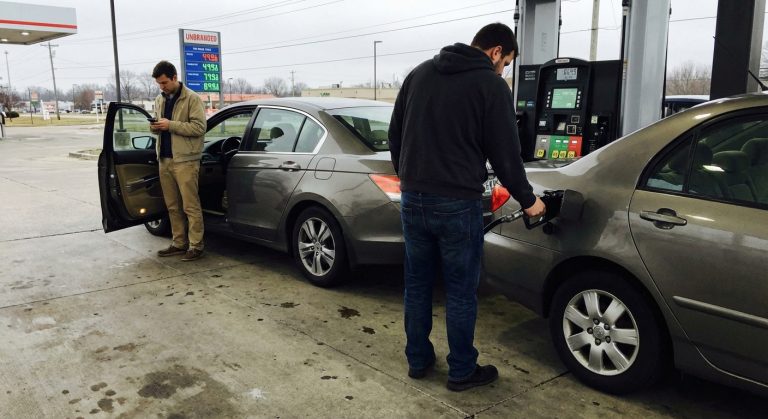
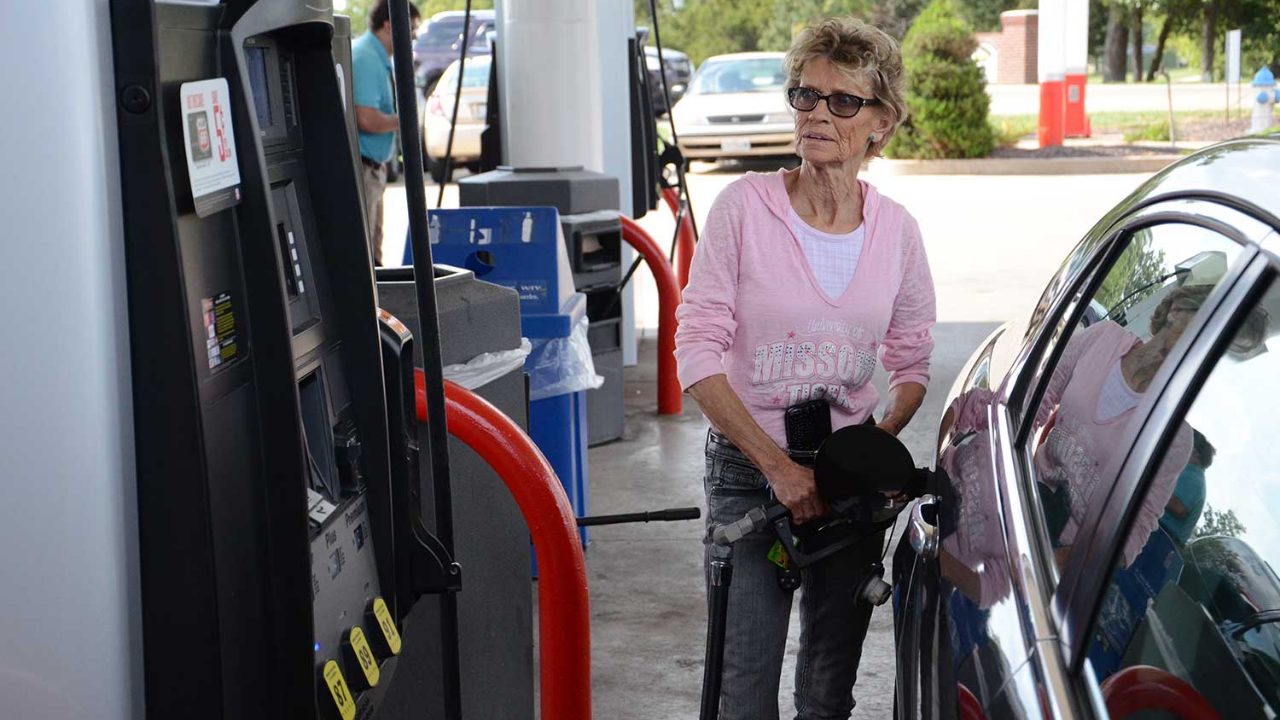
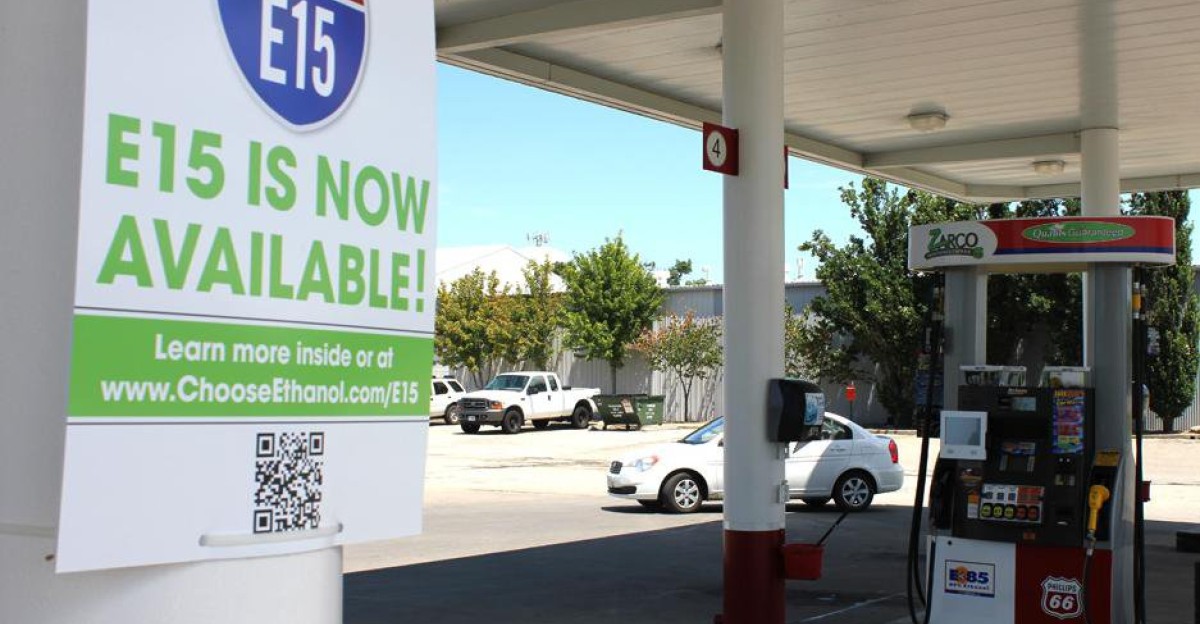
Starting May 1, every gas pump in America changes. The EPA issued an emergency waiver on March 25 allowing nationwide sales of E15, gasoline blended with 15% ethanol instead of the standard 10%. The trigger: an Iran-driven oil crisis that spiked gas prices a full dollar per gallon in five weeks, hitting $4.119 by April 6. E15 costs roughly 25 cents less per gallon, according to industry estimates. Sounds like relief. But millions of older vehicles, motorcycles, and boats are legally prohibited from pumping it. The cheaper fuel just created a two-tier America at the gas station.
The Biggest Oil Shock in 47 Years
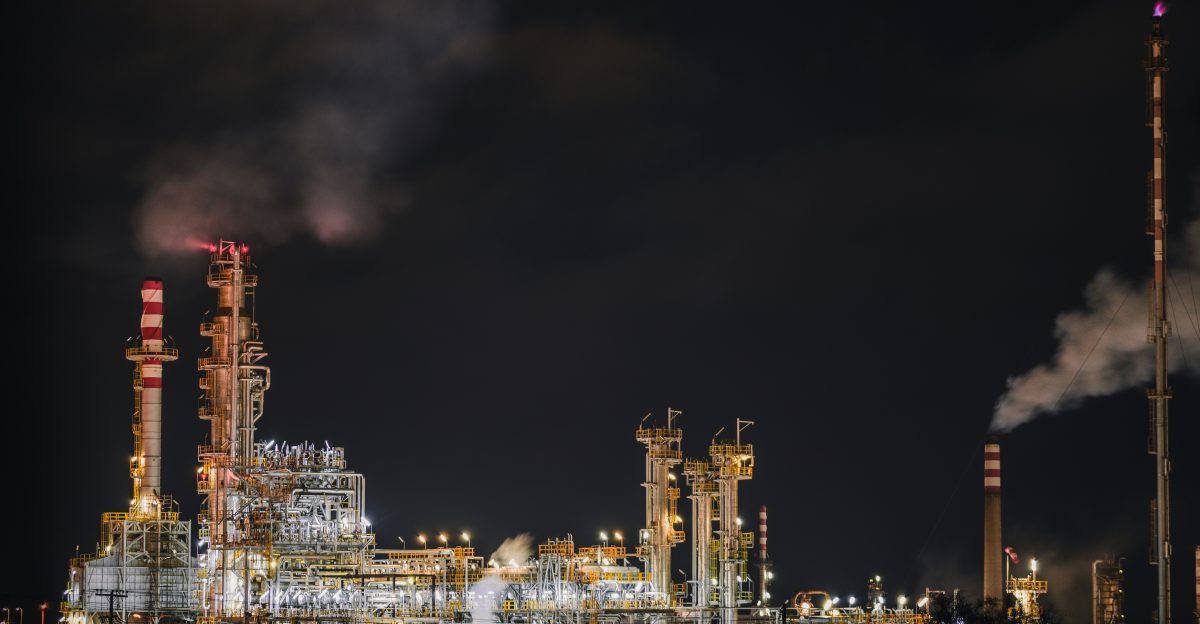
The Iran conflict knocked up to 11 million barrels per day off the global oil market, up to 11% of total supply. That shortfall is the largest oil supply disruption in the history of the global oil market. Domestic producers could increase output, but Federal Reserve Bank of Dallas President Lorie Logan confirmed they won’t: break-even sits just under $70 a barrel, and crude trades above $110. Producers are pocketing the margin, not rescuing consumers. So the EPA reached for the one lever it could pull fast: dilute the gasoline supply with cheaper corn-based ethanol. The fix addresses price, not supply.
The 25-Cent Trap
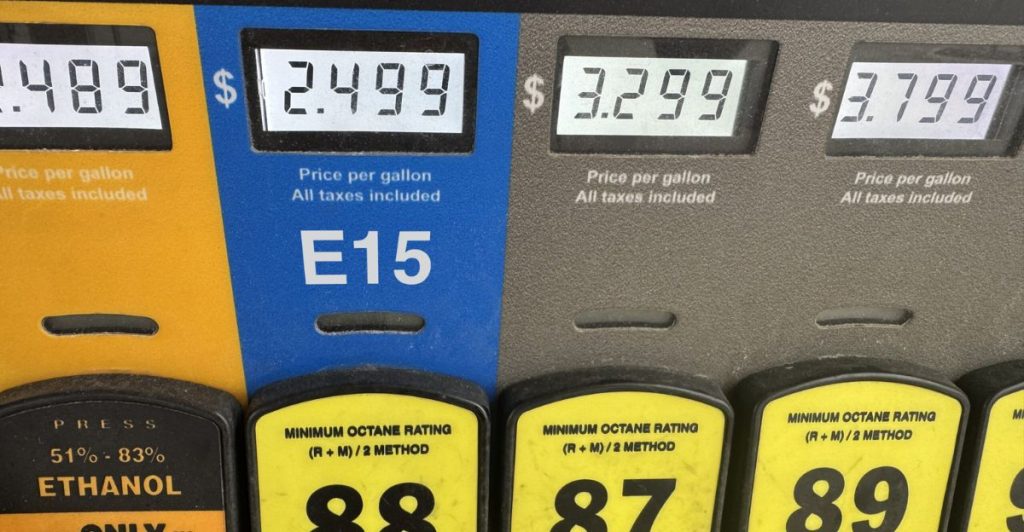
That 25-cent savings per gallon sounds clean until the fine print arrives. E15 drops fuel economy by 1.5% to 2%, according to EPA estimates, clawing back a chunk of the discount on every tank. And pre-2001 vehicles face outright prohibition. Ethanol absorbs water, corrodes older fuel systems, degrades rubber gaskets, and accelerates valve seat wear. Owners of those vehicles now pay a permanent premium for the only fuel their engines can safely burn. The policy framed as “consumer choice” eliminated choice for an entire class of drivers.
Why Most Stations Won’t Bother
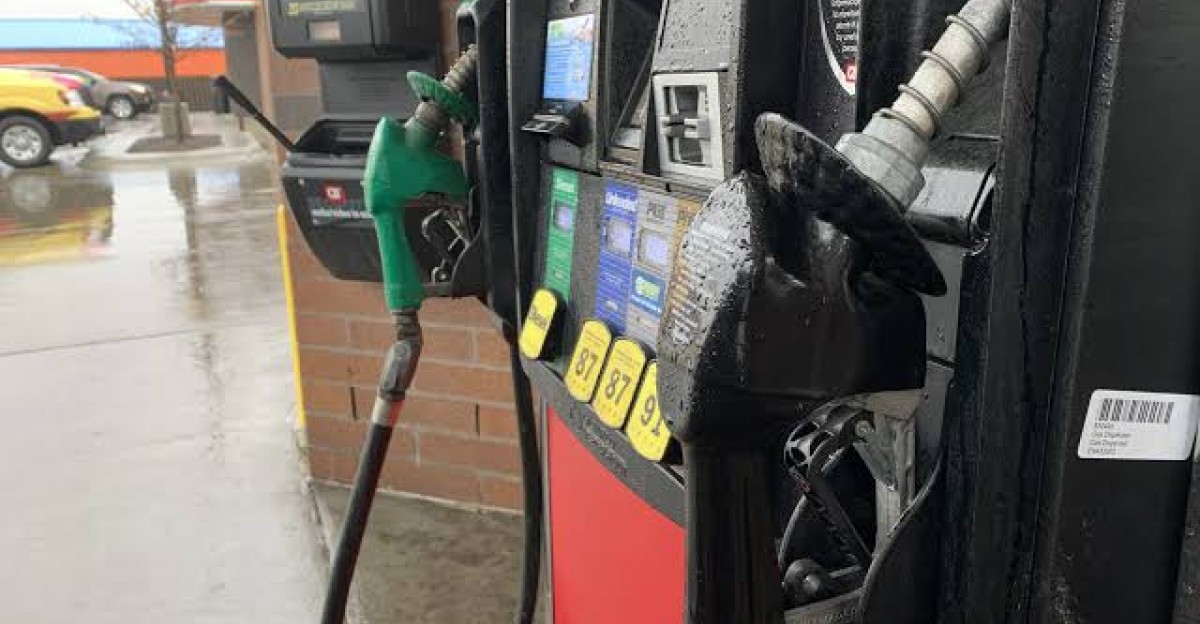
The waiver runs 20 days. Upgrading a single gas station for E15 compatibility costs a minimum of $100,000. Full underground tank replacement exceeds $1 million. No station owner on earth invests six figures for a three-week window. That math explains why only about 3,000 stations currently offer E15 out of roughly 150,000 nationwide. The policy promises cheaper fuel at pumps that largely don’t exist yet. Which, honestly, makes the entire consumer relief argument feel like a press release with no plumbing behind it.
The Corn Market Nobody Expected

Ethanol already consumes 5.6 billion bushels of corn annually, roughly 33% of total U.S. production. Permanent E15 adoption would demand an additional 2.4 billion bushels per year. That reallocation from feed to fuel raises cattle feed costs, which raises beef prices, which raises grocery bills. Meanwhile, farmers intended to plant 95.3 million acres of corn in 2026, down 3% from 2025. Less corn planted. More corn demanded. A fuel policy just became a food price policy, and nobody at the EPA mentioned grocery aisles in the press release.
The Machine Behind Every Ripple
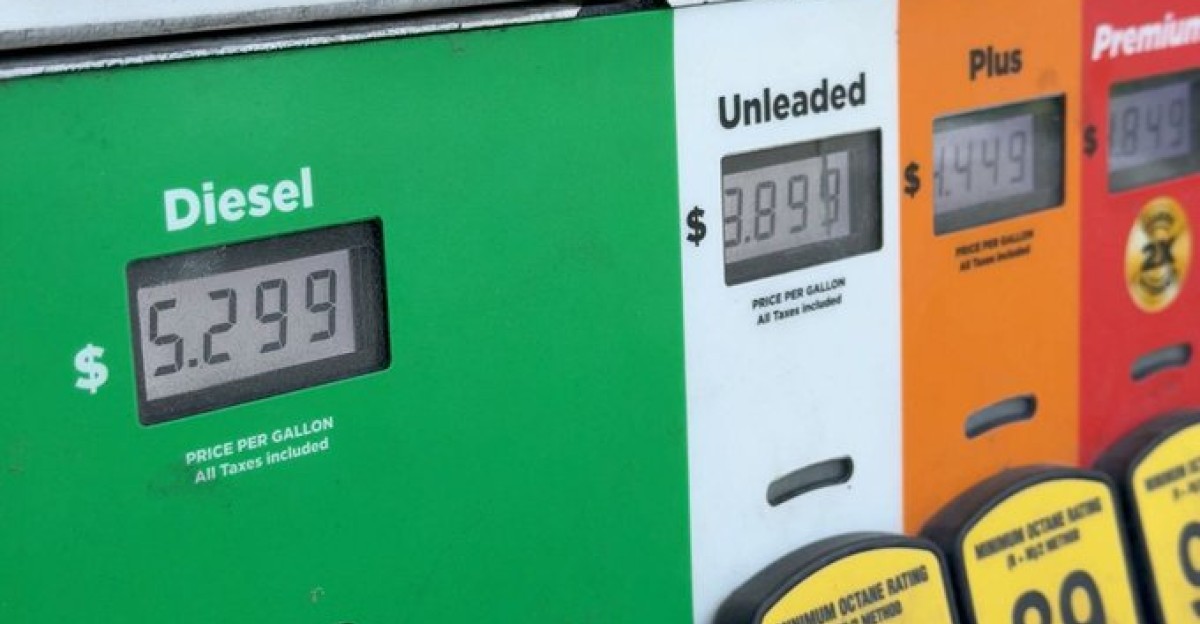
Every one of these consequences traces back to the same structural failure. Foreign oil shock hits. Government can’t increase domestic supply. So it waivers environmental standards, dilutes gasoline with ethanol, and calls it relief. Same mechanism. Corn prices climb. Fertilizer prices projected up 15% to 20%. Diesel hits $5.40 a gallon, up $1.81 year-over-year. Farmers absorb the cost spike. Consumers absorb the grocery increase. And the actual oil shortage remains completely untouched. The waiver is a pressure valve, not a pipeline.
The Voice From Inside the Numbers

University of Minnesota professor Jason Hill put it plainly: “I think it’s difficult to see when the ledger’s settled, how this is a benefit for U.S. consumers.” The EPA projects $3 to $4 billion in farm income gains and 100,000 new jobs through biofuel mandates. But those same farmers face simultaneous diesel and fertilizer cost spikes that could erase the income boost entirely. The government gave farmers a bonus with one hand and doubled their input costs with the other. The ledger, as Hill suggested, does not settle cleanly.
Clean Air Rules Now Bend for Oil Prices
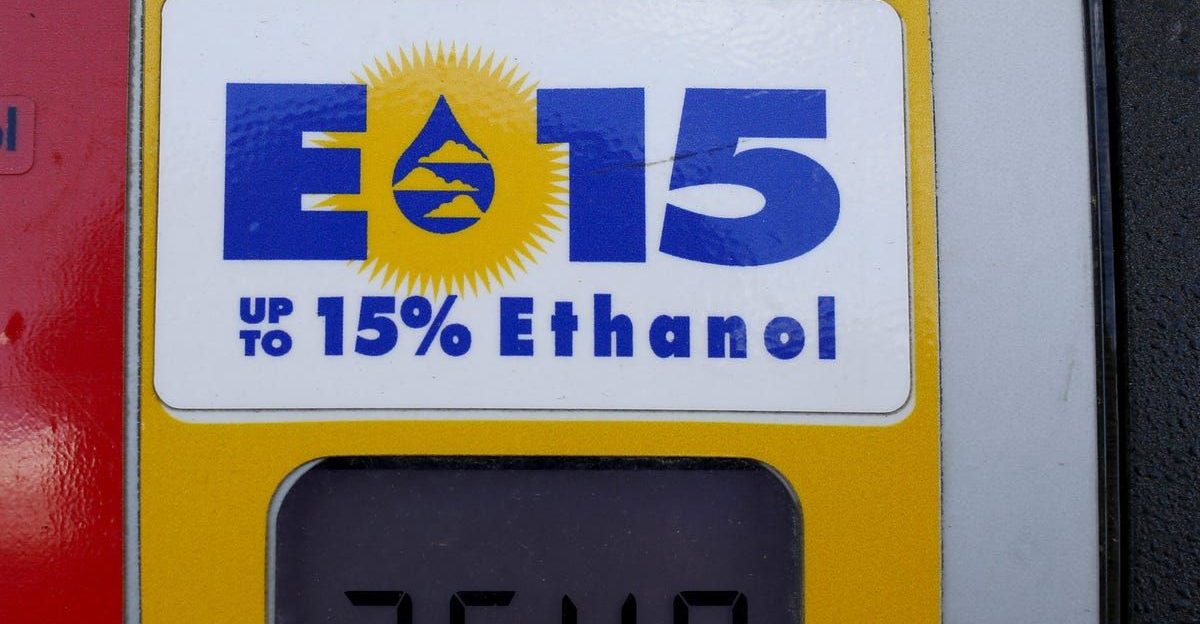
E15 summer sales have been restricted since the Clean Air Act established volatility standards. This waiver marks the fifth consecutive time those smog protections were overridden for a fuel price emergency. That precedent is now entrenched: geopolitical energy shocks can suspend environmental regulations through executive waiver. The Trump administration is simultaneously pursuing the highest Renewable Volume Obligation levels in program history through 2027. Emergency exceptions are becoming permanent architecture. California refineries are closing. Valero shuttered its Benicia facility in April 2026. The rules governing American fuel are being rewritten in real time.
Winners, Losers, and What You Should Know

The ethanol industry just converted 20 years of lobbying into policy reality using a wartime emergency. Corn growers gain a structural demand floor through Renewable Fuel Standard mandates worth an estimated $31 billion in 2026. Oil producers pocket record margins without increasing output. The losers: pre-2001 vehicle owners paying permanent premiums, boat and small-engine operators navigating a fuel compliance gray zone, and every consumer absorbing higher grocery costs from corn reallocation. If you own anything with an engine built before 2001, check your owner’s manual before May 1.
The Cascade That Hasn’t Finished
If the Iran conflict extends past May 20, the EPA can renew this waiver repeatedly, normalizing what was designed as an exception. Litigation risks are mounting on environmental grounds. Pre-2001 vehicle owners face increasing fuel cost disadvantage as E15 availability expands. Farm coalitions are fracturing between ethanol mandate supporters and members crushed by input costs. The cascade started at a foreign oil chokepoint. It reached your gas pump, your grocery cart, your lawn mower, and the air quality rules protecting your lungs. And the supply shortage driving all of it remains unresolved.
Sources:
“EPA Fortifies Domestic Fuel Supply, Provides Americans with Relief at the Pump by Approving Nationwide E15 and Removing Boutique Fuel Markets for E10.” U.S. Environmental Protection Agency, 25 Mar. 2026.
“EPA Approves E15 Gas Blend for Summer, Hoping to Get Prices Down.” Car and Driver, 29 Mar. 2026.
“Logan Says U.S. Oil Producers Are Unlikely to Offer Immediate Relief to Consumers.” Reuters / Energy News, 2 Apr. 2026.
“EPA Says It Will Issue Emergency E15 Waiver for a Fifth-Straight Summer.” OPIS, 25 Mar. 2026.