EPA Killed The Feature 67% Of Cars Have After Spending 16 Years Rewarding Automakers For Installing It
If you’ve ever sat at a red light, foot on the brake, and your car suddenly shuddered and cut out, you know the feeling. A weird pause, a bit of anxiety, maybe even a blast from the horn behind you when nothing happens as the light turns green.
On February 12, 2026, EPA Administrator Lee Zeldin stood at a podium and announced something that likely made many drivers breathe a sigh of relief. “There will be no more climate participation trophies awarded to manufacturers for making Americans’ cars die at every red light and stop sign. It’s over, done, finished,” he declared. That shudder so many drivers have come to expect in two-thirds of new cars is caused by a feature Zeldin just killed.
Built to Hate
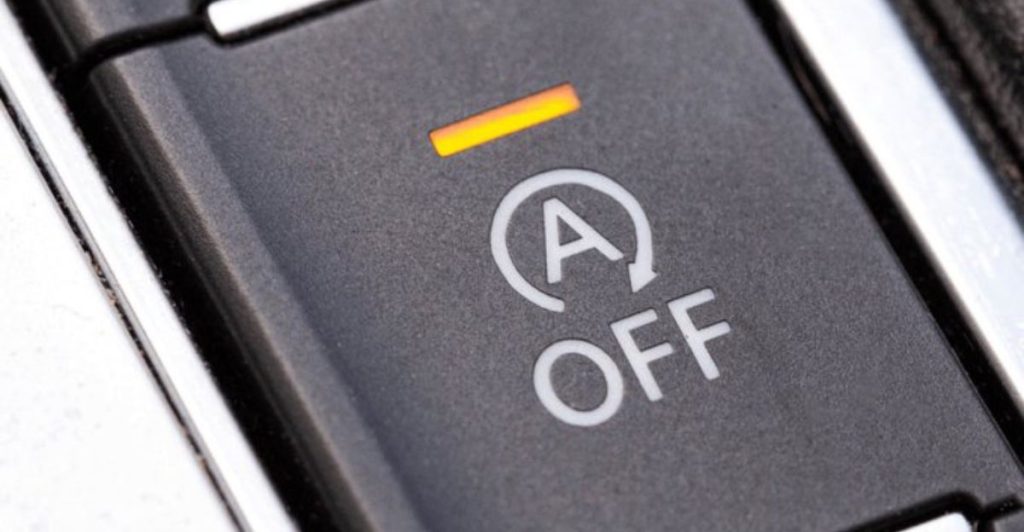
Roughly 67% of new cars sold in the United States have stop-start technology. Surveys show 40 to 60 percent of drivers actively despise it, citing restart delays, vibration, and the nagging suspicion it’s chewing through their battery.
Replacement batteries for these systems can cost up to three times as much as regular ones. No wonder Zeldin called the feature “almost universally hated.” Even the polls backed him up. The feature ended up in two out of every three new cars despite near-universal frustration, and the reason is how Washington structured its incentives.
The Reward System
There was never a law forcing carmakers to use stop-start. Hyundai even went on the record: “It has never been federally mandated.” Instead, the EPA dangled a carrot called off-cycle credits. In plain English: add certain features like stop-start, get government brownie points, and skip tougher engineering challenges.
For 16 years, that deal worked out great for automakers. Stop-start didn’t spread because drivers wanted it. It spread because Washington made it worth their while.
The Trophy
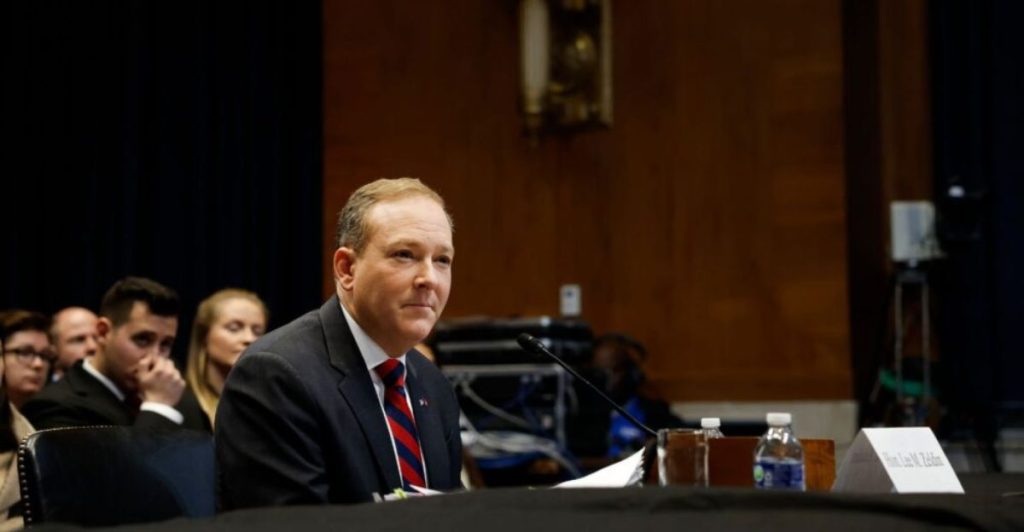
Zeldin didn’t mince words: “Start/stop technology: where your car dies at every red light so companies get a climate participation trophy. EPA approved it, and everyone hates it, so we’re fixing it.” The same agency that handed out the credits watched automakers game the system for over a decade.
Now that stop-start has taken over 67% of new cars, the EPA is calling it a participation trophy and celebrating its own cleanup. One agency served as both the architect and the fixer.
The Real Target
Stop-start tech grabbed the headlines, but the bigger story was buried in the same announcement. On February 12, the EPA quietly rescinded the 2009 Endangerment Finding, which found that greenhouse gases endanger public health. For 16 years, that finding was the backbone for all sorts of climate rules on cars, power plants, oil, and gas.
The EPA says the Clean Air Act only covers local and regional pollution, not the global variety. With a single legal change, the foundation holding up every major federal climate rule since 2009 vanished.
The Math

The EPA says its new rules will save $1.3 trillion overall and about $2,400 for every new car buyer. Independent analysts aren’t so sure. Resources for the Future estimates that society could actually lose $8 to $27 billion, and that drivers might pay about $4,500 more in fuel over their car’s lifetime.
The $2,400 is deducted from the sticker price upfront. The extra $4,500 bleeds out at the pump over the years. That approximate net cost difference per driver doesn’t make it into the press release. Neither does the projected 60% drop in EV market share by 2030.
Stranded

The EPA celebrated the rollback. Meanwhile, the National Highway Traffic Safety Administration was sorting through complaints: 2.2 million Honda and Acura vehicles under investigation for stop-start failures. Engines that refuse to turn back on at busy intersections have generated 1,348 complaints, four crashes and two injuries on record.
Honda put out service bulletins in early 2023, but the problems kept coming. By March 2025, NHTSA expanded its probe. The government-backed feature that was meant to help is now stranding drivers, and the so-called fixes aren’t working. The policy that caused the problem is gone, but the affected cars are still out there, stuck in everyday traffic.
New Rule

The Endangerment Finding rescission sets a precedent that global climate emissions fall entirely outside EPA’s statutory authority. Power plant carbon standards, oil and gas methane rules, and future vehicle efficiency requirements all traced their legal authority back to that 2009 finding.
The Supreme Court’s 2007 Massachusetts v. EPA decision established greenhouse gases as regulable pollutants. The Trump EPA reinterpreted the same statute to reach the opposite conclusion. Once you see that mechanism, stop-start becomes the smallest part of this story.
The Lawsuits

Environmental groups and state attorneys general filed challenges in the U.S. Court of Appeals for the District of Columbia Circuit almost immediately. Legal analysts project the cases will reach the Supreme Court, creating years of regulatory uncertainty across every sector that relied on the Endangerment Finding. California’s vehicle emission program, which has traditionally allowed its own exemptions, now faces potential federal preemption.
Automakers who spent a decade optimizing for credits that no longer exist must redesign platforms without knowing whether the rules will flip again. The courtroom fight over a car feature nobody liked will determine whether the federal government can regulate climate at all.
Your Gas Bill
Ford and Stellantis cheered the decision. The National Consumers League pushed back: “Federal safety and fuel economy standards save households thousands of dollars over the life of their vehicle while having a marginal effect on vehicle prices.” The average new car now costs $50,000, a full 43% higher than it did 10 years ago. Stop-start used to shave 7 to 26 percent off fuel bills, depending on driving style.
That benefit is gone, but the feature is still in most cars, just as annoying. The legal structure behind every federal climate rule since 2009 is collapsing. Buyers get $2,400 off the sticker price but will pay $4,500 more at the pump, spread out over years. Most folks will only notice the price tag, not the long-term hit to their wallet.
Sources:
EPA — “Administrator Zeldin Eliminates Off-Cycle Credit for Almost Universally Hated Start-Stop” — February 11, 2026
EPA — “Final Rule: Rescission of the Greenhouse Gas Endangerment Finding” — February 17, 2026
NHTSA — “ODI Resume: Engineering Analysis EA25004 — Honda/Acura Auto Idle Stop” — March 25, 2025
Resources for the Future — “If/Then: Repealing Vehicle Greenhouse Gas Standards Would Hurt Households Rather Than Help Them” — November 2, 2025
National Consumers League — “Strong Vehicle Safety and Fuel Standards Save Families Thousands Without Harming Affordability” — February 2, 2026
Supreme Court of the United States — “Massachusetts v. EPA, 549 U.S. 497” — April 2, 2007