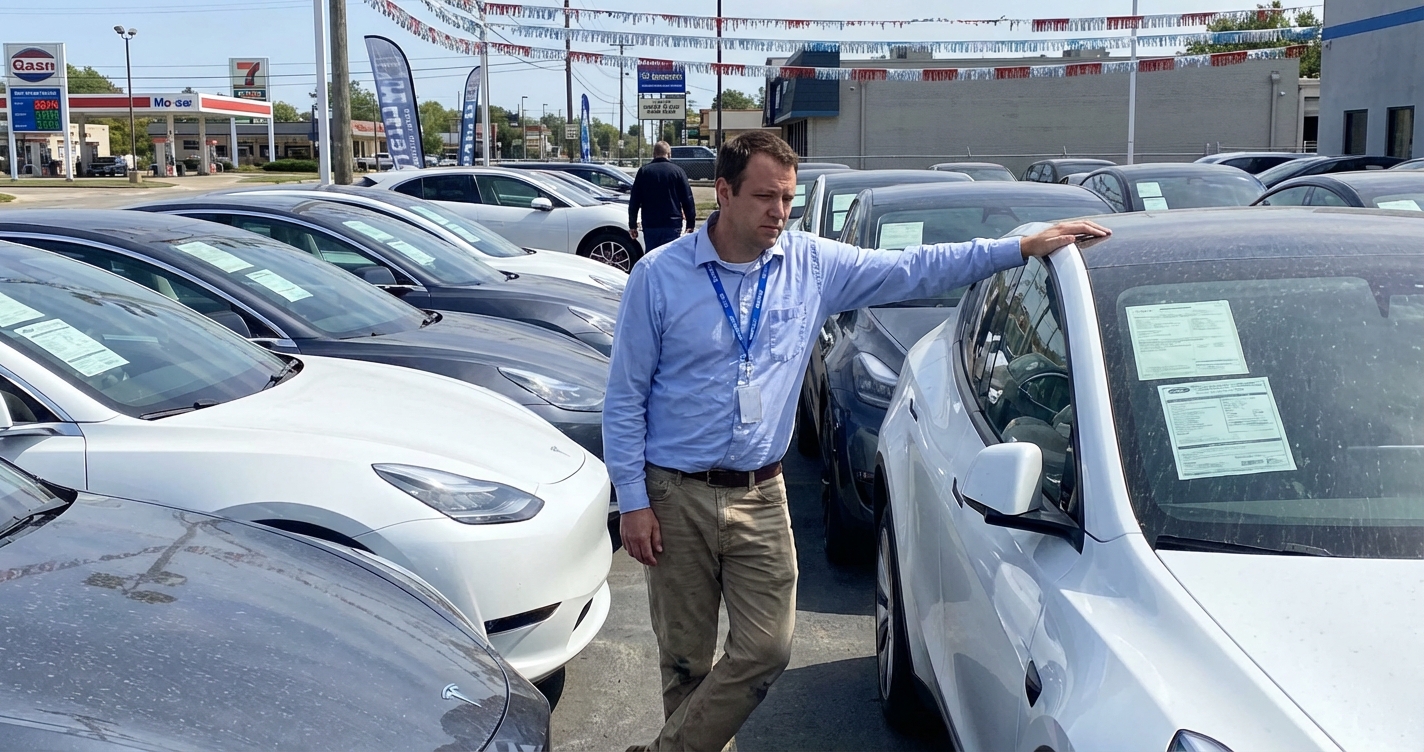
End Of $7,500 Federal Credit Triggers 41% EV Drop While Gas Cars Gain Track In America
Electric vehicle buyers across the United States faced an abrupt shock in 2025 as the $7,500 federal clean vehicle credit lost its impact at checkout. Sales of new EVs plunged 41% almost overnight, while gasoline vehicles maintained steady demand. Shoppers expecting immediate discounts encountered stricter eligibility rules, income caps, and dealer compliance requirements that turned anticipated savings into unexpected costs. The market recalibrated in real time, exposing how policy, not just technology or consumer preference, can dictate affordability and reshape adoption in America’s largest automotive market.
EV Sales Plunge 41 Percent
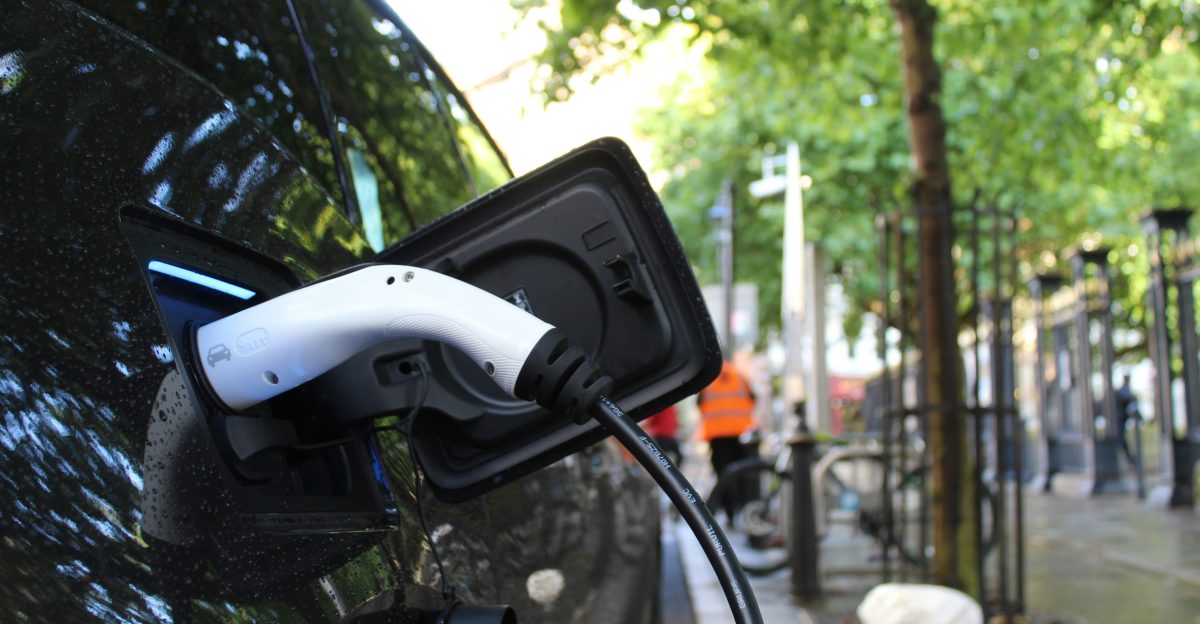
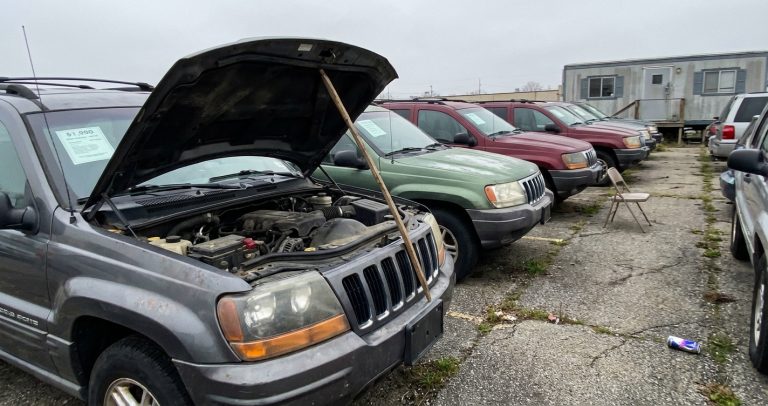
U.S. EV sales fell 41% in 2025 as buyers absorbed the missing federal credit. Gasoline vehicles remained steady since no equivalent incentive disappeared. The average new EV buyer faced a $7,500 price increase at checkout. Used EV shoppers experienced about a $4,000 difference on vehicles capped at $25,000. Analysts labeled the drop a post-incentive reset. The market contracted sharply without any engineering change to the vehicles. Consumer behavior demonstrated that subsidies, not technology alone, had been driving sales. This collapse highlighted the fragile link between policy and demand.
Complexity Confuses Shoppers
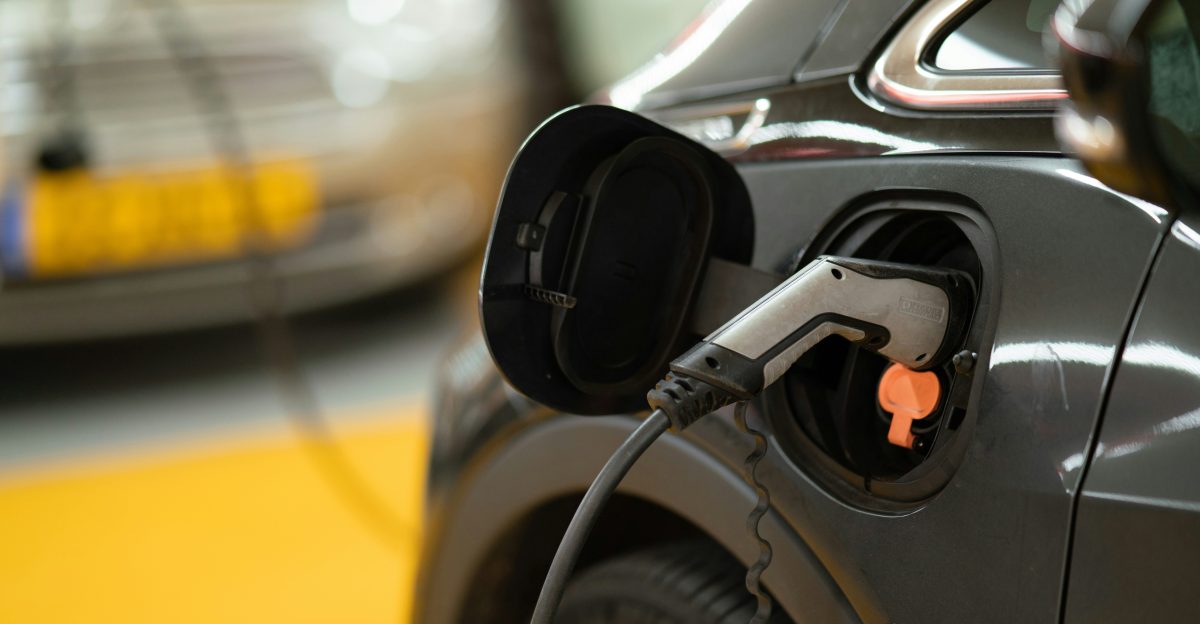
The federal credit functions like a conditional discount with strict requirements. Income limits, MSRP caps, and assembly-origin rules control eligibility. Buyers must ensure dealers are registered with the IRS and compliant with reporting rules at the point of sale. Missing any step voids the discount. Many buyers discovered that $7,500 disappeared at checkout due to administrative misalignment. Understanding the process became as important as choosing a vehicle. The credit’s complexity revealed a hidden barrier to adoption. Dealerships and buyers faced unexpected confusion, prompting reconsideration of whether the incentive could be reliably claimed for every eligible model.
Eligibility Cliff Raises Prices
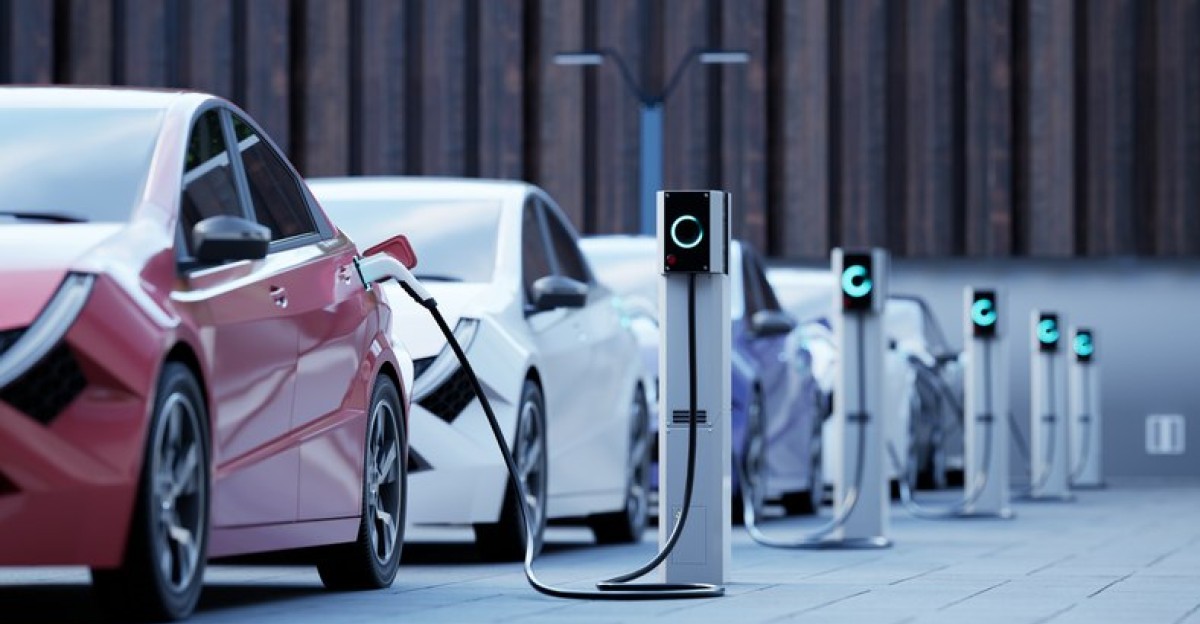
The sudden sales collapse reflected how rules shaped costs. A single dollar over the income cap, a vehicle outside the MSRP threshold, or non-compliant dealer paperwork increased prices dramatically. The federal credit does not phase out gradually. The difference between qualifying and not qualifying could exceed $7,500 per vehicle in 2025. Buyers and dealers experienced a binary shift in cost, creating urgency and hesitation in purchasing decisions. The eligibility cliff clarified that incentive architecture drives consumer choices. Every transaction depended on compliance and timing rather than the vehicle’s features or technology.
Transfer Rules Limit Savings

The credit operates through a transfer mechanism that turns a tax benefit into an immediate dealer discount. Dealers must be registered with the IRS and follow precise reporting rules. When this chain fails, buyers finance the full vehicle cost and wait months for a partial refund. The system determines affordability before a single mile is driven. Timing, paperwork, and dealer participation became as critical as model selection. Shoppers learned that the same car could be thousands more expensive from one week to the next. Administrative compliance effectively dictated who could realize the credit.
Financing Adds Pressure
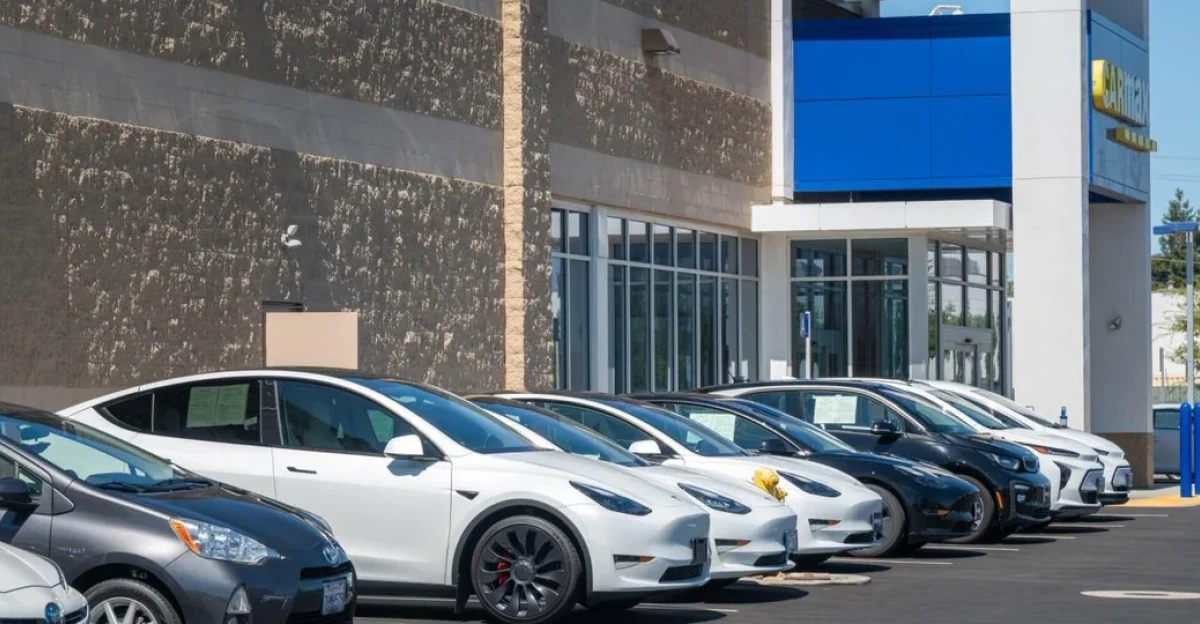
The credit cliff coincided with elevated auto loan rates in 2025 tracked by the Federal Reserve Bank of St. Louis. Losing $7,500 at checkout, combined with higher financing costs, increased total ownership expenses. Used EV buyers, who received roughly $4,000 on vehicles capped at $25,000, had minimal error tolerance. Monthly payments rose sharply. Buyers recalculated affordability, often abandoning purchases. Financial pressure compounded the incentive loss, reshaping sales patterns. Elevated rates magnified the impact of administrative rules. Consumers responded to the combined effect of price and interest rate changes rather than vehicle performance alone, further slowing adoption.
Broader Market Fallout
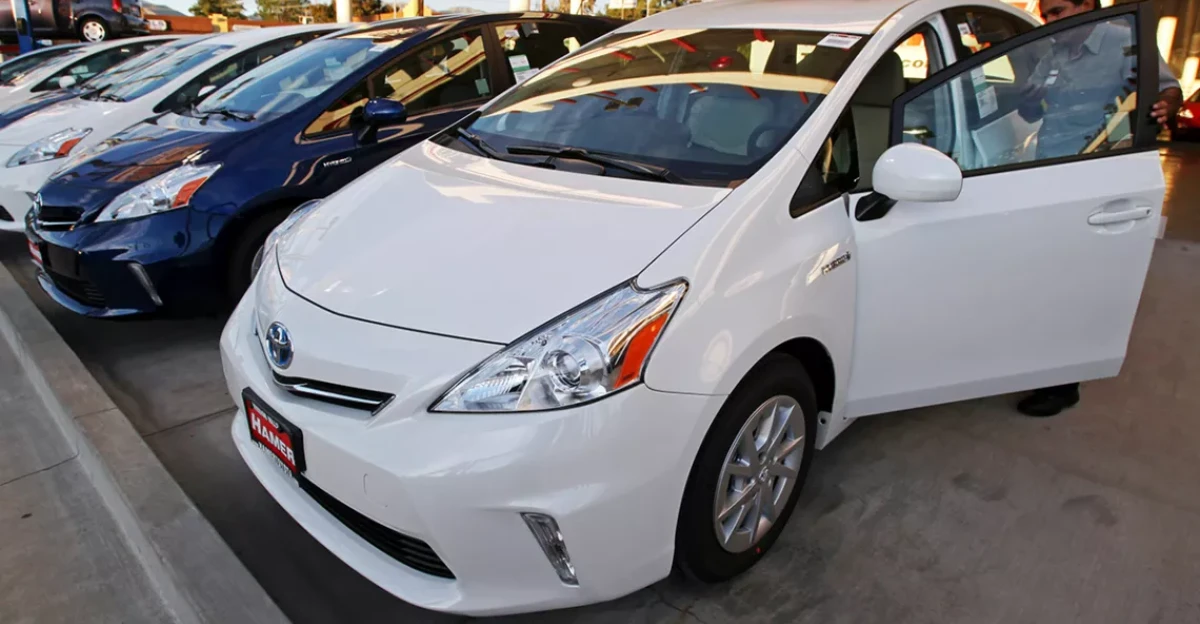
Dealerships carrying EV stock faced slower turnover as consumer interest contracted in 2025. Manufacturers aligned production with subsidy-driven demand projections now confronted unsold inventory. The International Energy Agency reports policy remains the primary global driver of EV adoption. When incentives are removed, the market reacts abruptly. The 41% drop in U.S. EV sales demonstrated how policy shifts transmit quickly through supply chains and production planning. Dealers and manufacturers adjusted strategy to reflect incentive realities. Consumers also responded immediately to the sudden price changes, leaving the market to recalibrate around administrative compliance rather than product appeal.
Rules Dictate Costs

Every eligibility cap, compliance requirement, and transfer checkbox functions as a hidden cost mechanism. EV adoption depends on the regulatory framework. Buyers respond to administrative conditions, not just vehicle features. Demand in 2025 reflected policy design as much as consumer interest. The market adjusts quickly when rules change. Administrative misalignment transformed affordability, revealing the incentive as the dominant driver of sales. Observing this structure clarifies why the post-credit collapse occurred. The narrative of growth based on consumer preference alone no longer holds. Policy mechanics determined whether a vehicle was financially accessible.
Gas Cars Gain Advantage

Gasoline vehicles experienced stable demand in 2025 while EVs faced the federal credit cliff. Buyers comparing options now saw a widening price gap unrelated to engineering. Manufacturers must decide whether to absorb lost subsidies or watch inventory age on lots. The competitive edge shifted to conventional vehicles due to incentive withdrawal. Consumer choices recalibrated around price certainty. Sales of gasoline models benefited indirectly from EV credit changes. Market dynamics now depend on policy compliance rather than fuel type or efficiency. Dealers and manufacturers responded to these shifts while observing buyer hesitation in EV adoption.
Checkout Reality Redefines Value

EV buyers in 2025 faced prices determined by paperwork, timing, and dealer IRS registration. Differences of $7,500 separated expectations from checkout reality. The 41% sales drop reflected the impact of administrative rules, not consumer disinterest. Buyers adjusted decisions based on effective affordability. Vehicles without a functioning credit transfer became less accessible. Washington has not provided a consistent mechanism to prevent abrupt cost shifts. Market participants must navigate a new pricing environment where incentive execution dictates sales. Buyers, dealers, and manufacturers all responded to the changed reality as the EV market adjusted to administrative constraints.
Sources:
January’s EV Registrations Fell 41% As The Full Weight Of Trump’s Policy Changes Hit The Market. Jalopnik, March 12, 2026
EV Registrations Fell By 41% Since Last Year. Yahoo Finance, March 17, 2026
Trump Megabill Axes $7,500 EV Tax Credit After September. CNBC, July 1, 2025
EV Sales Surge in the U.S. Ahead of Sept. 30 Tax Credit Deadline. NPR, September 30, 2025
Despite Q4 Collapse, 2025 EV Sales Decline Only 2% Versus 2024. Cox Automotive, January 12, 2026
Credits for New Clean Vehicles Purchased in 2023 or After. Internal Revenue Service, 2024