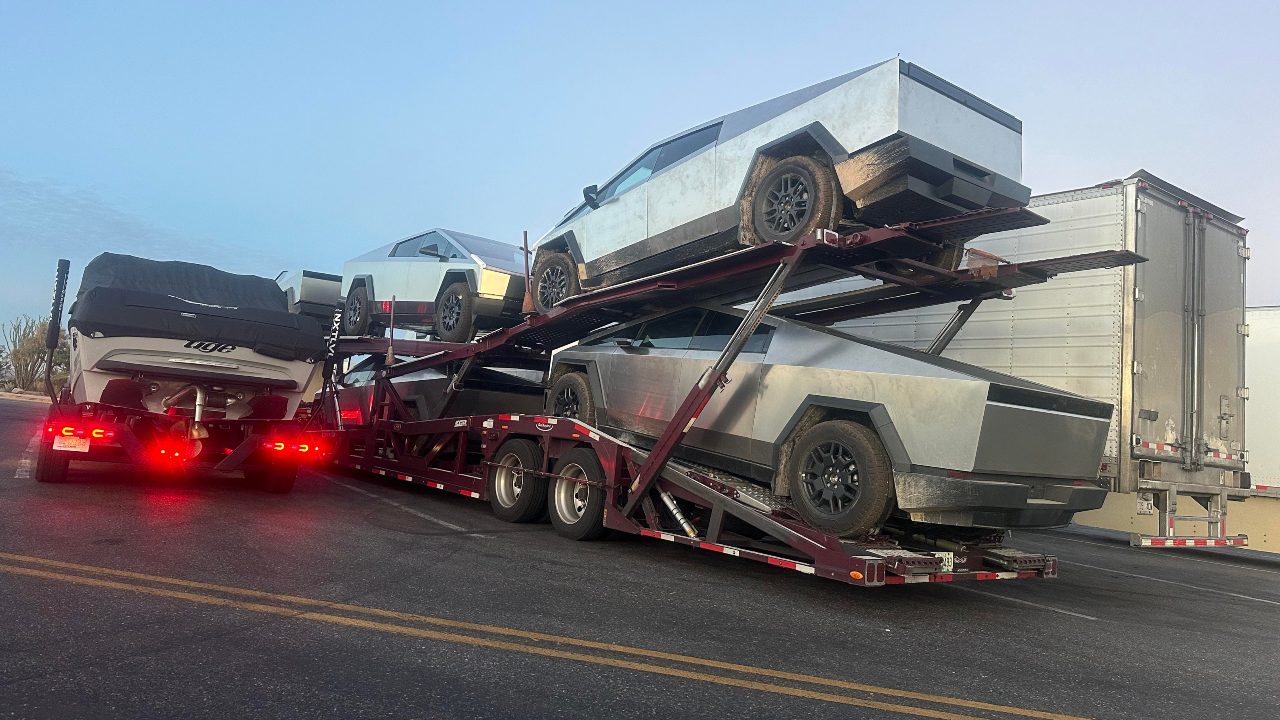
Early Cybertruck Owners Hit With Drive Inverter Recall—See If You’re Affected
A notification hits your phone. Something about your Cybertruck and a drive inverter defect. Your stomach drops. You bought the truck early, back when owning one felt like joining a club. Now the word “recall” is floating around, and every article you click seems to say something different. One link sends you to a page about expensive cars. Another buries the details under ads. The truck is sitting in your driveway, and you need a straight answer. This recall was filed with NHTSA in November 2024, and owner notification letters were mailed in January 2025. The fastest path to confirmation takes 30 seconds.
When the Link Doesn’t Match the Headline

The frustration starts before the facts do. A widely shared article claiming to explain the Cybertruck drive inverter recall routes readers to a USA TODAY page about the most expensive cars sold in February. No recall details. No VIN information. No remedy instructions. Just a mismatched link dressed in an urgent headline. For owners already anxious about a potential safety defect, that mismatch does real damage. It burns trust at the exact moment people need reliable information, and it sends them scrambling for answers in the wrong places.
The Assumption That Just Died
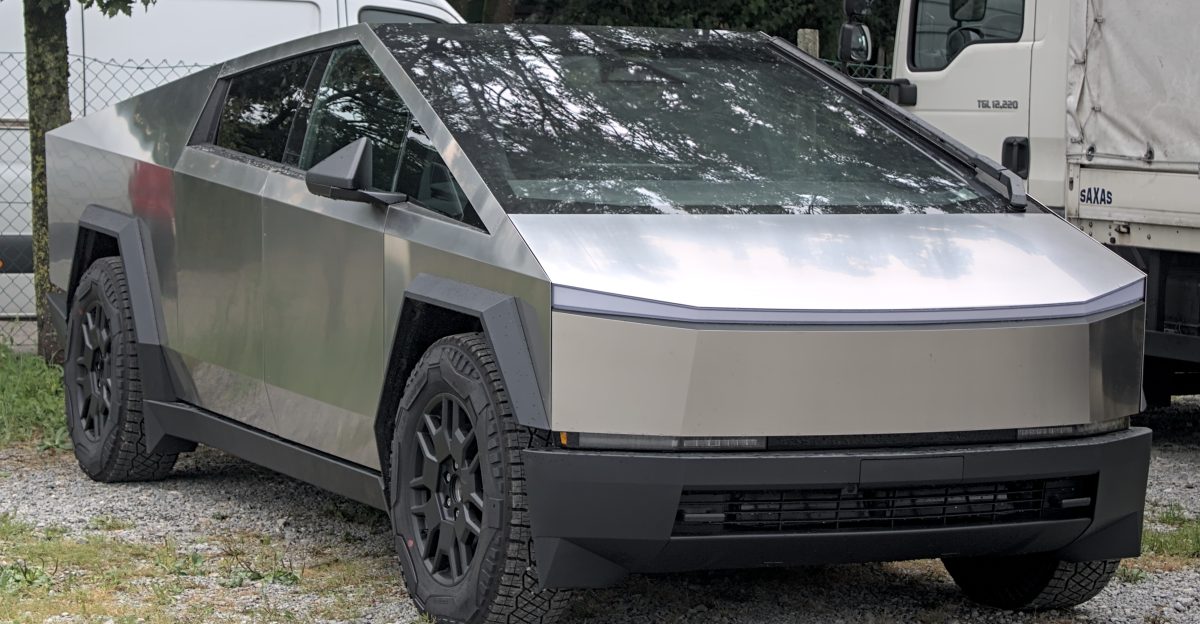
There is a quiet assumption most people carry: if a headline says it, the link behind it confirms it. That assumption just died. The reported drive inverter concern may well be legitimate. NHTSA maintains a dedicated public page listing recalls for the 2024 Tesla Cybertruck, complete with recall IDs, scope, and remedy details when available. The information exists. The problem is that the loudest version of the story pointed somewhere else entirely, and millions of readers never noticed the difference.
Seventeen Characters That End the Guessing
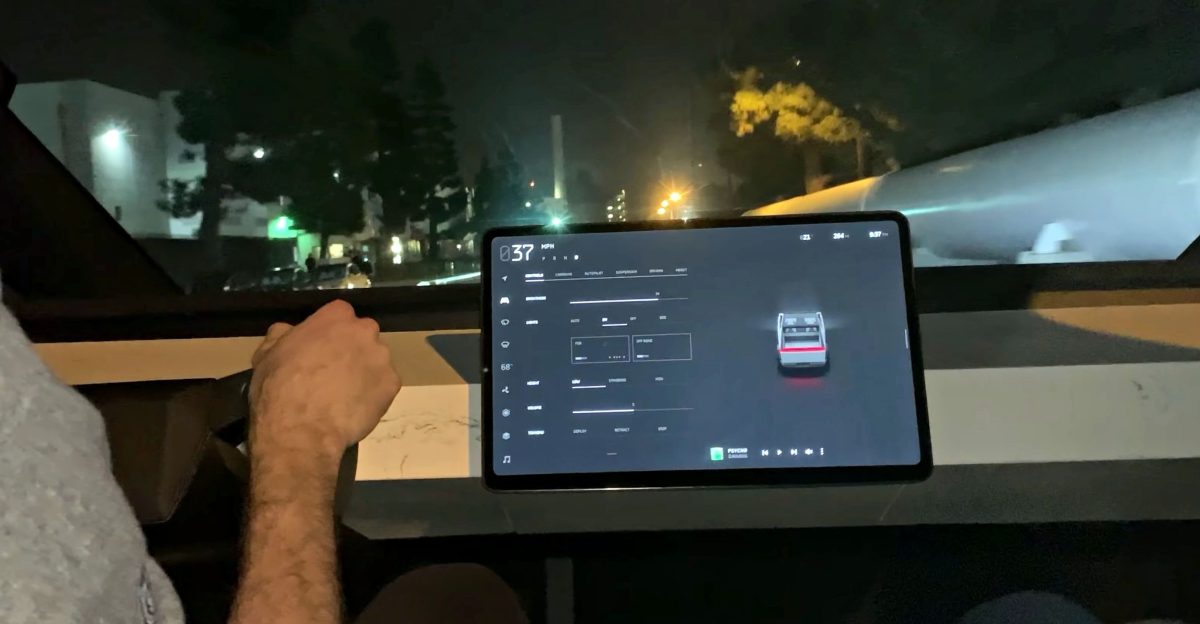
Forget the articles. The actual source of truth is a 17-character string already stamped on your dashboard. NHTSA’s recall lookup tool lets any owner enter a VIN and see every open recall tied to that specific vehicle. Tesla runs a parallel VIN recall search on its own site. Two databases. Two independent confirmation paths. Both free, both instant. If a drive inverter recall applies to your truck, it shows up there. If it doesn’t, you know that too. Thirty seconds replaces hours of scrolling through mismatched links.
How a Recall Actually Gets Built
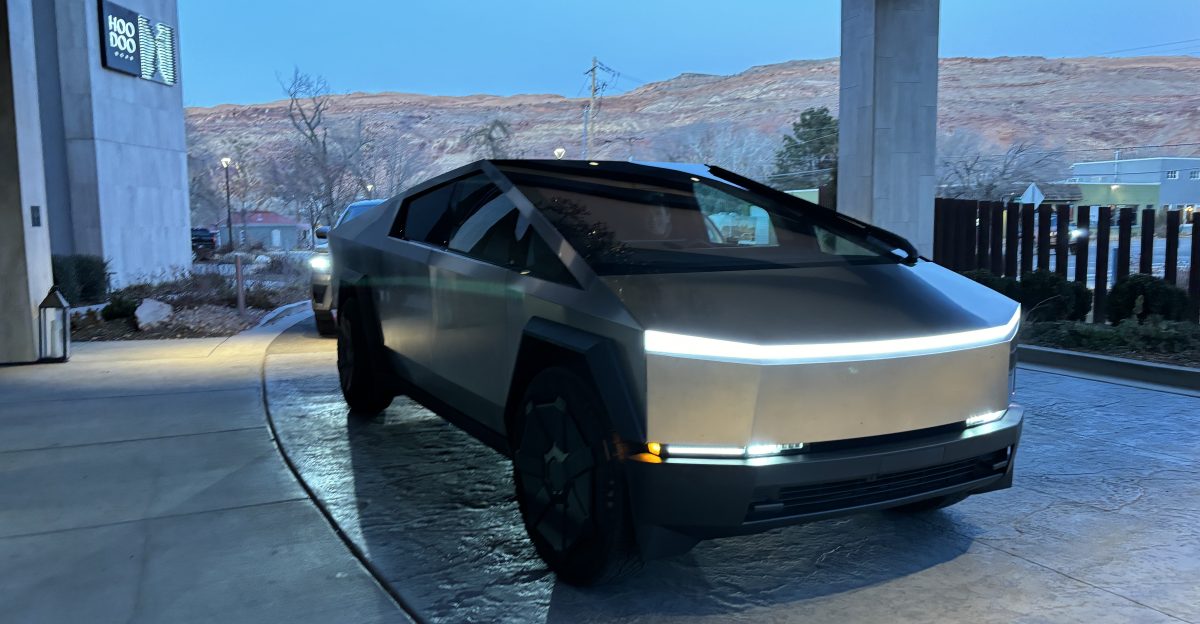
Most people think recalls appear out of nowhere. They don’t. NHTSA’s Office of Defects Investigation collects consumer complaints, publishes recall and investigation documents in PDF form, and tracks patterns across the fleet. In this case, Tesla initiated the investigation itself on August 5, 2024 after receiving a customer complaint, identified a pattern of MOSFET failures by October 23, and filed a voluntary recall report with NHTSA on November 5, 2024. That paperwork becomes the evidence trail behind a recall listing. Think of it like a weather system building offshore: individual complaints are the warm air, manufacturer documentation is the pressure drop, and the recall listing is the storm making landfall. The system was always there. Most owners just never saw it.
Two Systems Built for the Same Answer
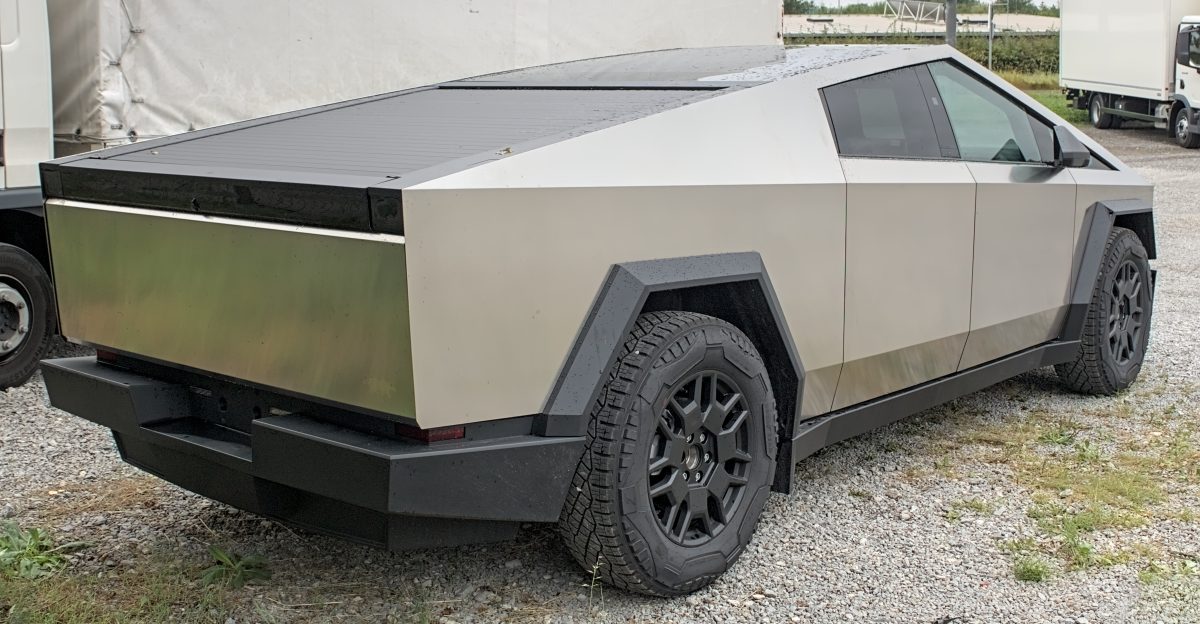
The verification infrastructure is more robust than most owners realize. NHTSA publishes official notices through the Federal Register framework and maintains model-specific recall pages. Tesla, independently, operates a recall support page explaining how the company communicates recalls and delivers remedies, including over-the-air software updates when applicable. Two separate organizations, two separate systems, both indexed to the same VIN. That redundancy exists for a reason: no single article, no single link, and no single headline should be the final word on whether your vehicle is safe.
Owners Have More Power Than They Think

Owners hold more leverage than they think. NHTSA provides a public mechanism for anyone to file a vehicle safety complaint. Those complaints feed directly into the investigation pipeline. Enough reports on a similar defect pattern can escalate ODI scrutiny and update recall listings. The immediate ripple is predictable: more Cybertruck owners checking VIN status through official tools. The longer ripple matters more. Outlets that publish mismatched links lose credibility, and readers who learn the VIN system never go back to trusting headlines alone.
A Pattern That Outlasts Any Single Truck
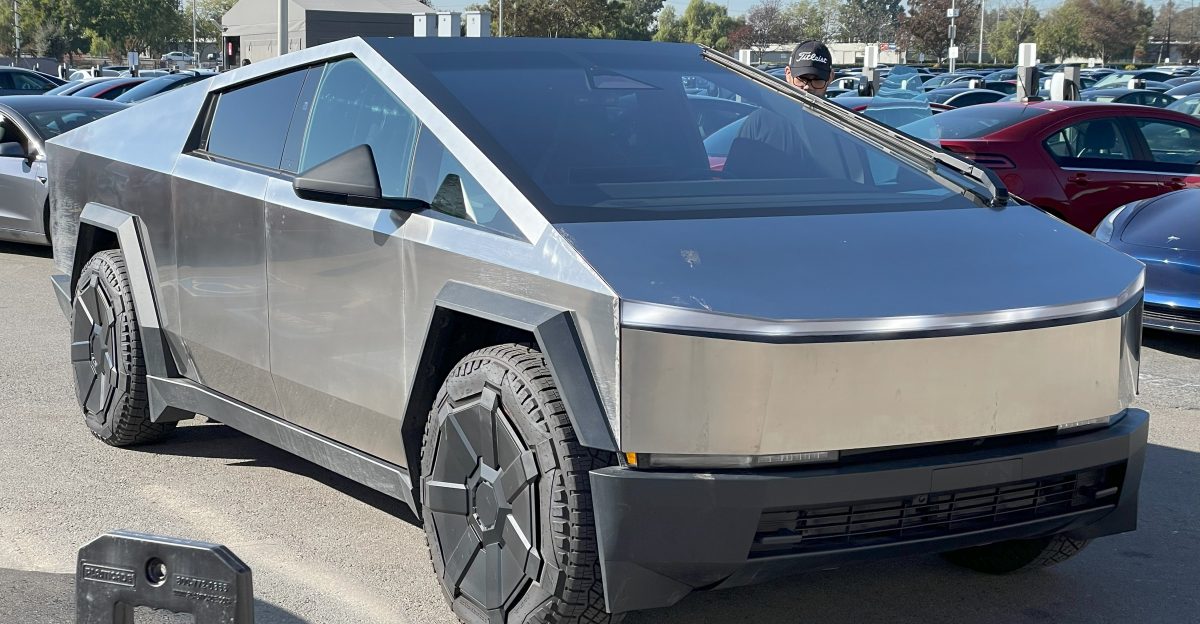
This story looks like a one-off recall scare. It’s not. The complaint-to-investigation-to-recall pipeline is the permanent template for every vehicle safety issue in the United States. NHTSA has operated these tools for years, publishing regulatory actions through the Federal Register and maintaining consumer-facing databases that predate the Cybertruck by decades. The pattern repeats: scattered reports, manufacturer or ODI documentation, formal listing. Once you see that pipeline, every future recall headline becomes a prompt to check your VIN, not a reason to panic.
The Arms Race Between Clickbait and Verification
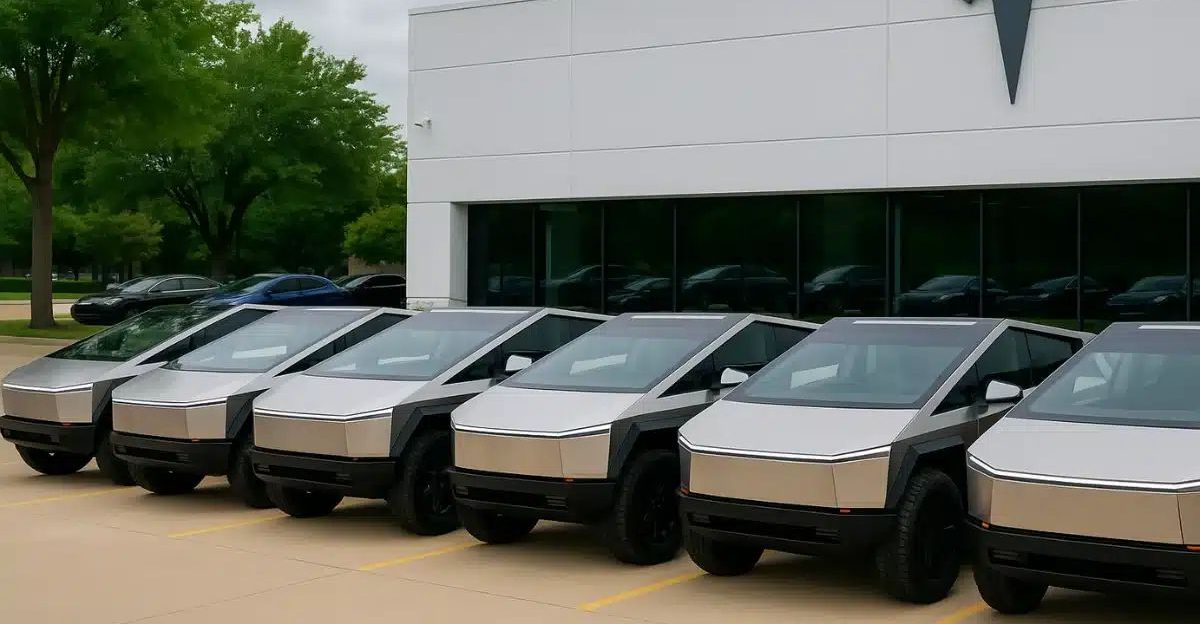
The escalation path is already visible. More complaints generate more ODI scrutiny, which generates updated recall listings, which generate more headlines. Some of those headlines will link to the right pages. Some won’t. The outlets that keep publishing mismatched links will bleed readers to the databases themselves. Manufacturers like Tesla are already responding by building clearer recall pages and more accessible VIN tools. The arms race between clickbait and verification is accelerating, and the VIN database is winning because it answers the only question that matters: is MY vehicle affected?
Which Tab You Open First
The person who checks a VIN before sharing a headline is the person everyone else asks for advice. That’s the status upgrade buried in this story. Recall panic spreads through forwarded links. Recall certainty lives in two free databases that take half a minute to query. NHTSA’s recall lookup and Tesla’s VIN search exist right now, indexed to your specific truck. The next scare headline is already being written. Whether it owns you or you own it depends entirely on which tab you open first.
Sources:
“Part 573 Safety Recall Report 24V-832, 2024 Tesla Cybertruck – Drive Inverter.” National Highway Traffic Safety Administration, 5 Nov 2024.
“Owner Notification Letter for NHTSA Recall 24V-832, 2024 Tesla Cybertruck.” Tesla / National Highway Traffic Safety Administration, 4 Jan 2025.
“Cybertruck Drive Inverter Replacement Recall.” Tesla Support, late 2024.
“Vehicle Detail Search – 2024 Tesla Cybertruck Recalls.” National Highway Traffic Safety Administration, accessed 2026.