Driverless Truck Beats Human Driver by Half on 1,000-Mile Route
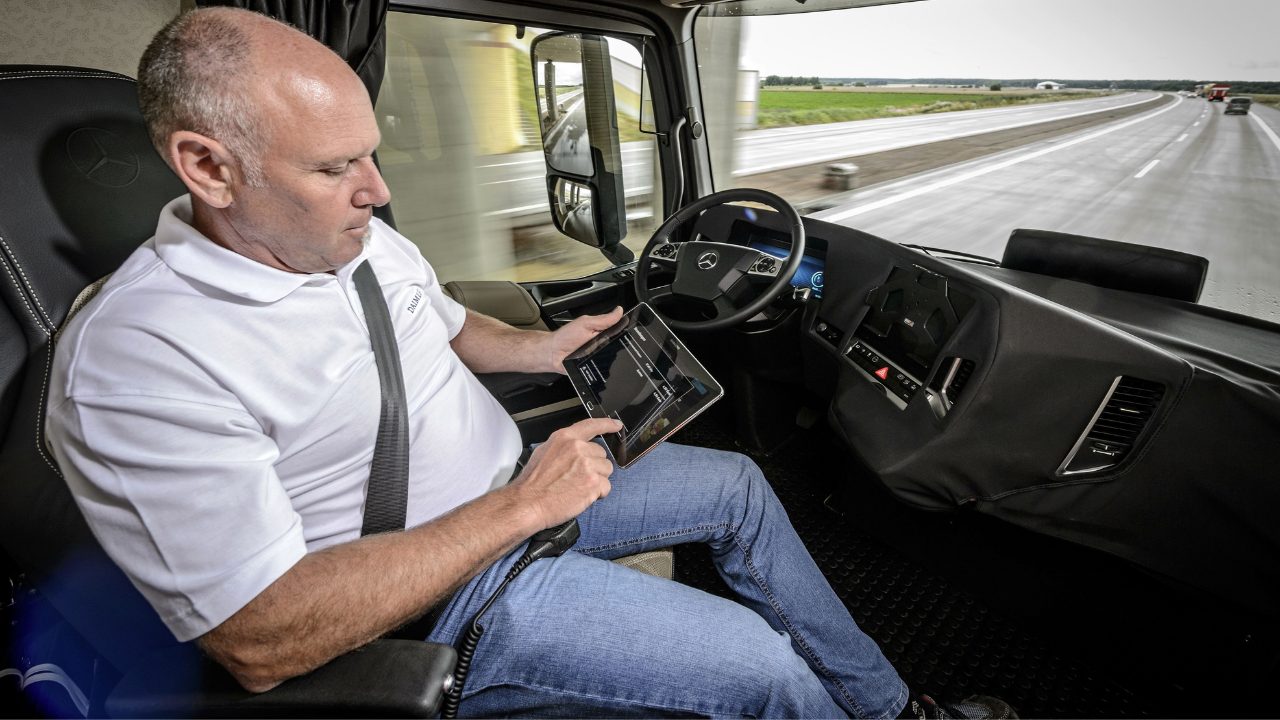
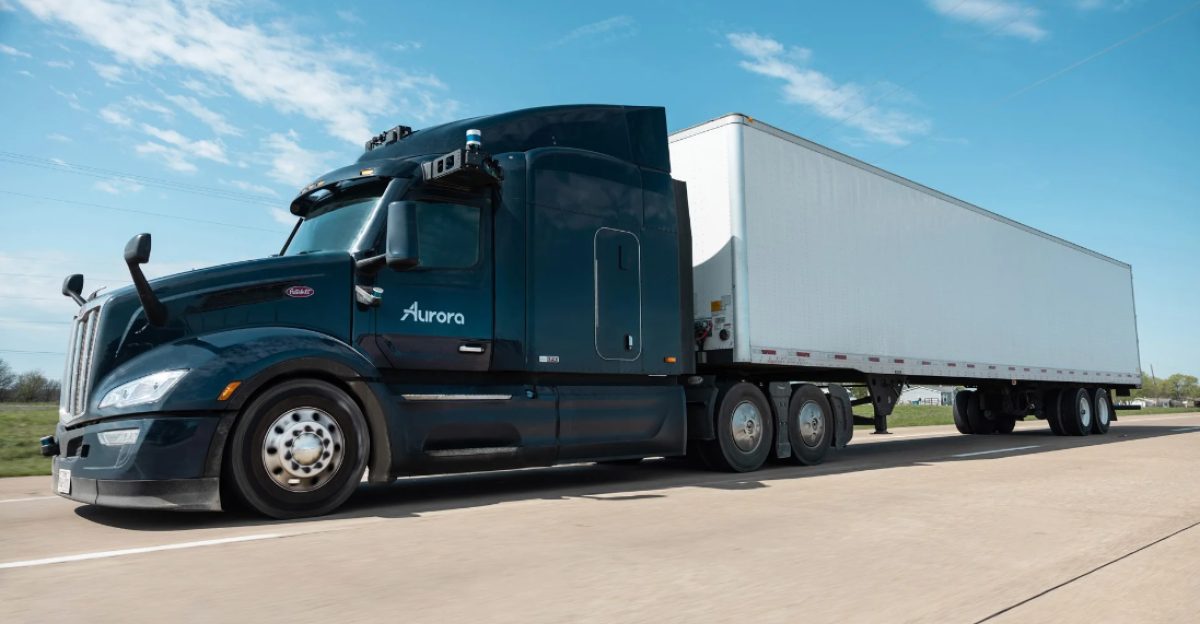
A driverless truck just completed a 1,000-mile highway run between Fort Worth and Phoenix in roughly 15 hours, cutting a human driver’s timeline in half while logging 250,000 miles without a single attributed collision. Aurora Innovation’s autonomous rig operates without rest, bypassing federal limits that cap human drivers at 11 hours behind the wheel. Yet a human observer still sits in the cab, and regulators, insurers, and courts remain unprepared for what comes next. The technology is moving faster than the systems around it, raising a deeper question about what happens when those gaps begin to collide.
The Clock Human Drivers Cannot Escape

Federal rules limit truckers to 11 hours of driving within a 14-hour window, followed by 10 hours off-duty. Aurora’s system runs continuously, completing a trip that takes humans more than 30 hours in roughly 15 hours. Costs follow the same pattern, with estimates showing 40 to 50% lower per-mile expenses. At the same time, 3.4 million drivers across 26 countries are expected to retire by 2030, and only 6.5% of current drivers are under 25. The timing gap alone explains why the industry is paying attention.
The Safety Numbers That Raise Eyebrows
Waymo reports 0.02 serious injury crashes per million miles compared to 0.22 for human drivers, a 92% reduction. Aurora recorded 250,000 driverless miles with zero attributed collisions. Projections estimate 170,000 autonomous trucks on U.S. roads by 2035, potentially saving 500 lives each year. Yet NHTSA data shows reported autonomous vehicle crashes increased from 2021 to 2022 after new reporting rules began. Both sets of data are accurate. That contrast reveals a deeper tension hidden beneath the headline safety claims.
“Superhuman Logistics Has Arrived”

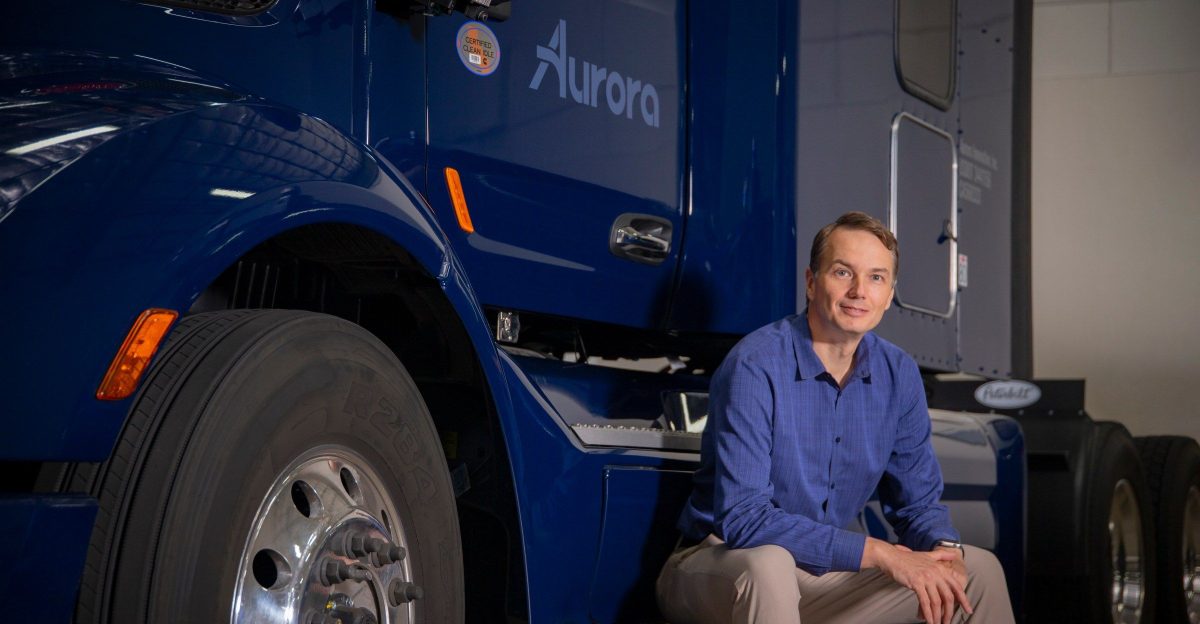
Aurora CEO Chris Urmson said in February 2026, “The era of superhuman logistics has arrived.” The statement followed successful long-haul driverless runs across the Texas to Arizona corridor. Yet every truck still carries a human safety observer due to requirements from manufacturer Paccar. That detail introduces a contradiction between performance claims and deployment reality. Development costs also rose 50 to 60% above 2023 estimates. The system delivers results, but the presence of a human backup signals a boundary that has not yet been crossed.
Three Systems Moving At Different Speeds
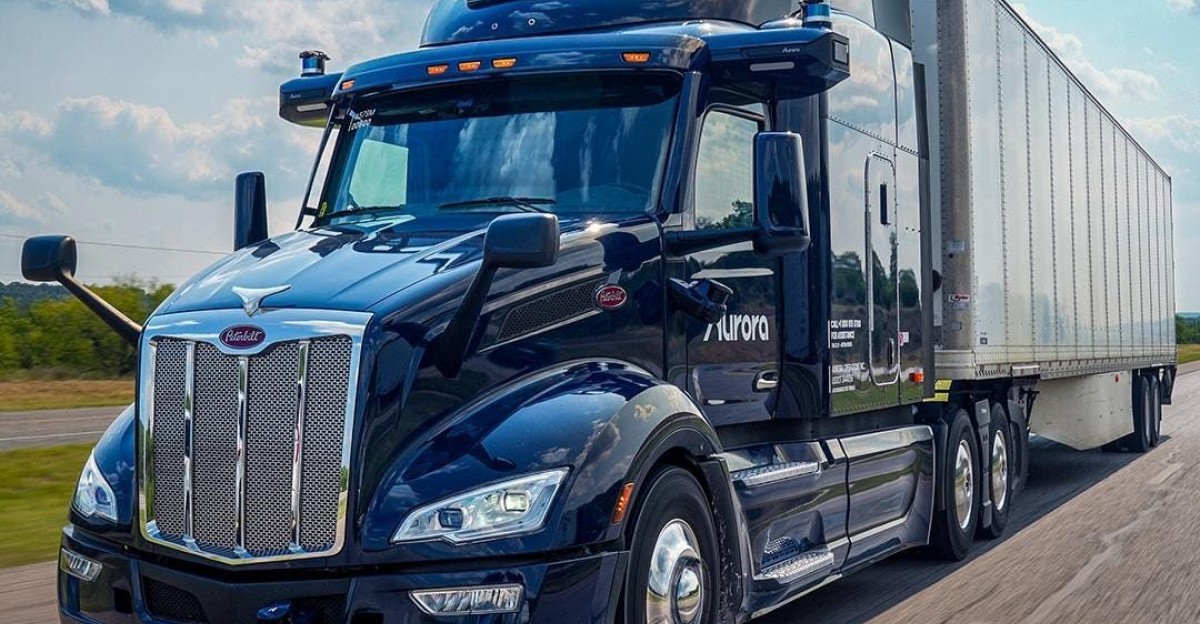
Autonomous trucking depends on technology, regulation, and insurance moving together. Aurora’s sensors detect objects more than 450 meters ahead, combining camera, LiDAR, and radar inputs in milliseconds. A single 20-minute test produces 100 terabytes of raw data. The technology layer shows steady progress. Regulation has not kept pace. There is no unified federal framework, and state rules differ. Insurance companies hesitate to cover unclear liability. California updated rules in December 2025, while Texas followed its own path, leaving a fragmented national picture.
A Labor Shortage Driving Adoption

The sector generates $3.3 billion in economic activity and supports 17,000 U.S. jobs. Demand tells a different story. The industry needs 1.2 million new drivers within the decade to meet freight demand. Globally, 3.6 million driving positions remain unfilled across countries representing 70% of world GDP. Autonomous trucks are entering a workforce gap rather than replacing existing workers. Freight volumes continue rising, and the shortage already exists. That imbalance explains why automation is gaining traction before full regulatory clarity arrives.
Billion-Dollar Failures Still Shape The Industry
TuSimple reached an $8.5 billion valuation in 2021. By late 2023, it ended U.S. operations and paid $189 million to settle investor claims tied to safety disclosures. Senator Josh Hawley raised concerns about technology transfers to Chinese-linked entities. Embark, founded in 2016, went public in 2021 and later shut down. Two major companies exited despite strong funding. Aurora plans more than 200 driverless trucks by the end of 2026. The history of failed peers adds weight to whether this expansion can avoid similar outcomes.
The Weather Problem Limiting Expansion
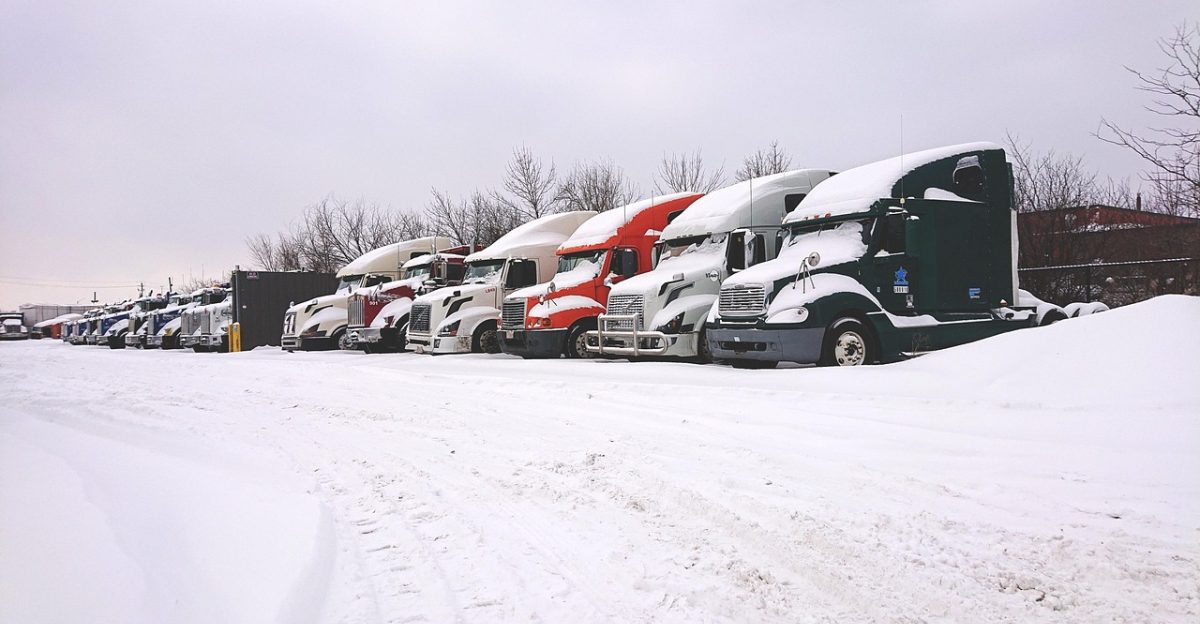
Autonomous trucks perform best in clear, dry conditions. Snow and freezing rain remain unresolved challenges. About 70% of Americans live in regions with winter weather, limiting where driverless systems can operate safely. The February 11, 2021 Fort Worth pileup involved 133 vehicles, killed 6 people, and injured 65 after black ice formed on a highway. Current sensor systems cannot reliably detect black ice. That limitation confines operations to Sun Belt routes, raising a question about how quickly geographic expansion can realistically occur.
The Liability Question No One Has Settled
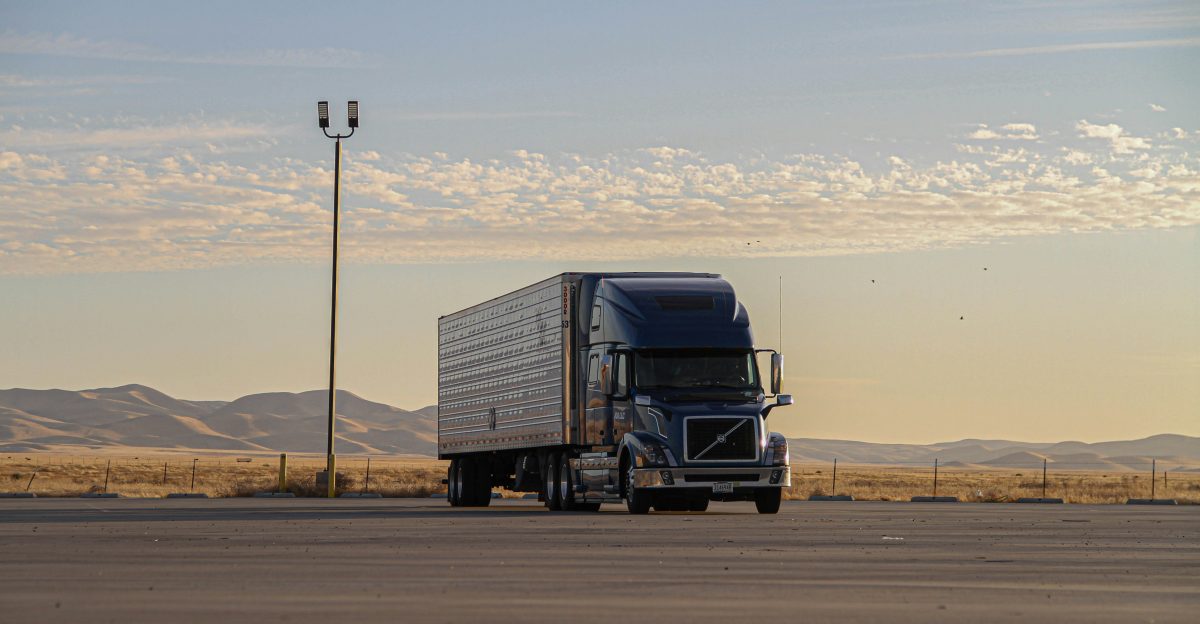
A fatal crash involving a Level 4 autonomous truck would trigger a legal test with no established precedent. Responsibility could fall on the software developer, truck manufacturer, fleet operator, or sensor supplier. Product liability is the likely framework, but courts have not yet ruled on such cases. McKinsey adjusted adoption timelines from 2031 to 2032, reflecting slower rollout expectations. Insurance companies want years of data before underwriting. Early adopters may gain a 15 to 20% cost advantage, pushing competitors toward rapid decisions under uncertainty.
A Future Already Taking Shape
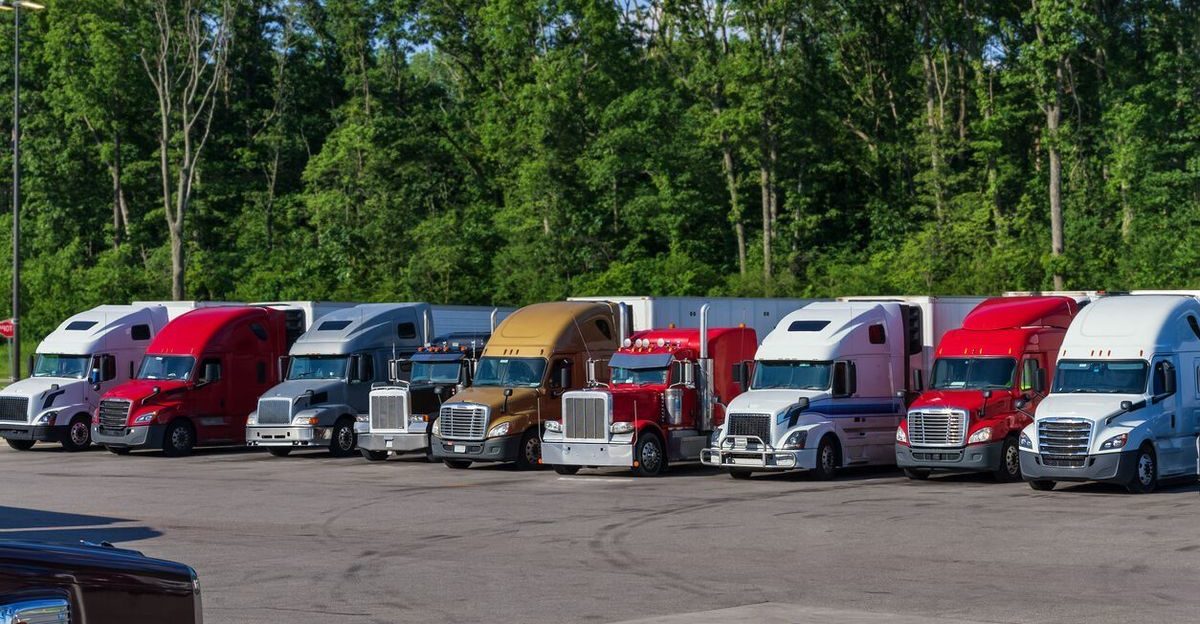
By 2035, projections estimate 170,000 autonomous trucks moving 33 billion miles annually and capturing about 15% of the $700 billion U.S. trucking market. Consumer savings could reach $9 billion each year. Policy debates, labor negotiations, and insurance frameworks will continue evolving, but the trucks are already operating on long routes. Retirements will reduce the driver workforce by 2030 regardless of policy outcomes. Freight demand continues rising. The technology has proven it can move goods at scale, leaving the surrounding system to catch up.
Sources:
Aurora Triples Driverless Network to 10 Routes and Prepares to Expand. Aurora Innovation Investor Relations, February 10, 2026
Aurora Adds 1000-Mile Driverless Run from Fort Worth to Phoenix. TruckingInfo, February 13, 2026
Waymo Reports 92% Fewer Serious Crashes Than Human Drivers. ZagDaily, March 19, 2026
TuSimple Settles Investors’ Fraud Lawsuit for $189 Million. Land Line Media, August 28, 2024
TuSimple Raises Over $1 Billion in U.S. IPO at Nearly $8.5 Billion Valuation. Reuters, April 15, 2021
6 Victims in Deadly Fort Worth Pileup Involving 130+ Vehicles. CBS News Texas, February 12, 2021
Autonomous Trucking Upstart Embark Goes From $5B Valuation to Shutdown. Crunchbase News, March 5, 2023