Diesel Jumps 38% in 1 Month as Conflict Threatens Fastest US Food Price Spike in Years
Diesel prices in the United States surged nearly 38% between early February and mid-March 2026 after military strikes on Iran disrupted oil flows through the Strait of Hormuz, threatening a sharp rise in food prices. The spike followed the February 28 attacks, with diesel jumping to over $5.00 per gallon by March 16, according to EIA data. Because trucks move nearly all groceries nationwide, rising fuel costs are already feeding into supply chains. Early inflation data has not yet captured the full impact, but pressure is building across farms, freight, and grocery shelves.
The 38% Claim Holds Up
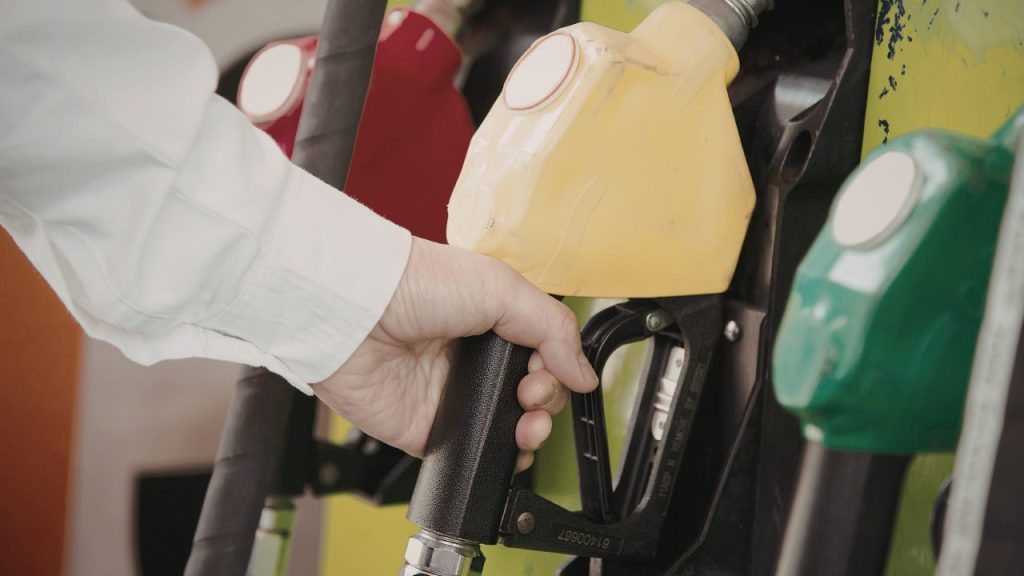
EIA data shows U.S. average diesel at $3.681 per gallon on February 2, 2026. By March 16, it reached $5.071. That is a rise of about 37.7% in roughly 6 weeks, enough to support a 38% headline. The sharpest moment came earlier. For the week ending March 9, diesel jumped to $4.859, up 96 cents in 1 week, the biggest weekly increase since federal tracking began in 1994. That record alarmed freight nationwide immediately.
Truckers Felt It Immediately

Diesel rarely stays an energy story for long. In trucking, it becomes an emergency. The American Trucking Associations said fuel is one of the largest expenses facing carriers, and by March 18, 2026, diesel was near $4.83 per gallon. Small fleets had less room to absorb it. Wall Street Journal driver Miguel Caveda said he spent about $1,800 on diesel in a single week, around 40% above his usual cost. He started seeking lighter loads and flatter routes. How many operators can keep making adjustments?
A Fragile Industry Gets Squeezed

The surge hit an industry coming out of a freight recession. That timing matters. Freight rates were weak before the conflict, so many carriers could not pass higher fuel costs to customers without losing loads. Marketplace reported on March 17, 2026, that new immigration restrictions were pushing thousands of foreign-born drivers out of the commercial trucking workforce. Fewer drivers and pricier diesel create a harsh mix. FTR analyst Avery Vise warned, “there will be small trucking companies that simply won’t survive this diesel surge.”
Why Grocery Prices Follow Fast
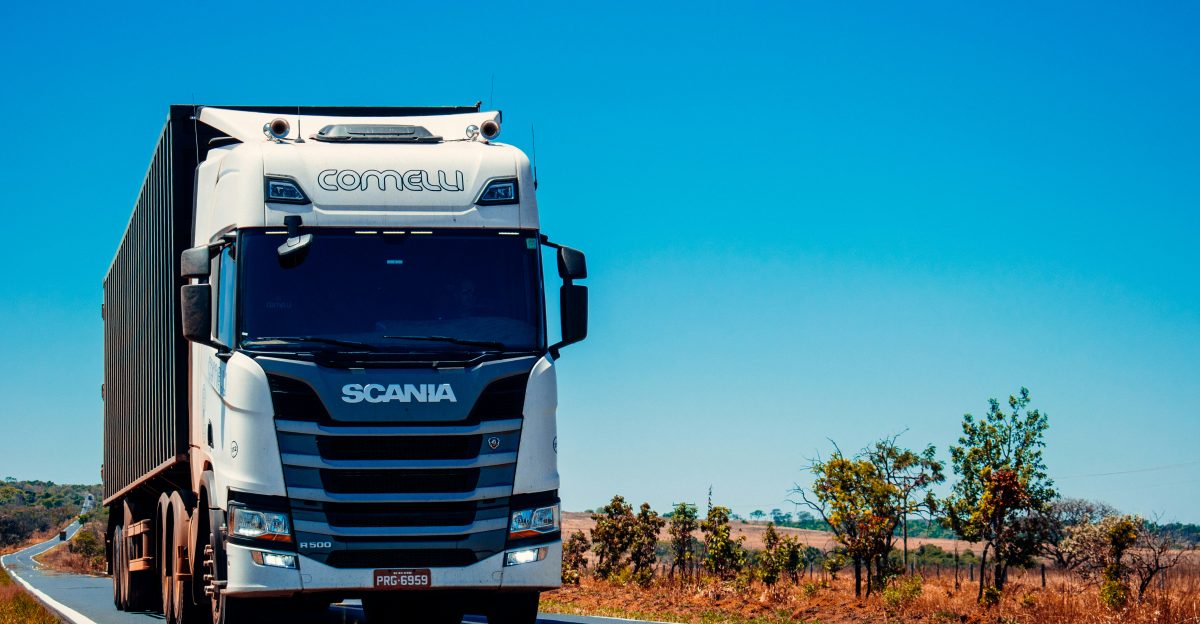
Food prices do not jump because shelves suddenly go bare. They rise because trucking contracts reprice, distributors revise delivery lanes, and grocers pass through freight costs on thin margins. Talking Logistics reported on March 12, 2026, that the record diesel jump “immediately triggered surcharge recalculations across the truckload and LTL sectors.” Perishables feel that pressure fastest because produce, dairy, and fresh meat cannot wait in storage for cheaper shipping. That makes diesel a hidden ingredient in nearly every grocery aisle, and some aisles were already strained.
Inflation Was Already Building
Before the strikes began, grocery inflation was not calm. The Bureau of Labor Statistics said the food-at-home index rose 0.4% in February 2026 after a 0.2% increase in January. Over 12 months, food at home was up 2.4%, and the overall food index rose 3.1%. USDA added another warning on February 25, 2026, 3 days before the conflict. It projected 2026 increases of 6.7% for sugar and sweets, 5.5% for beef and veal, and 5.2% for nonalcoholic beverages. Then diesel surged before forecasts aged.
The CPI Has A Delay
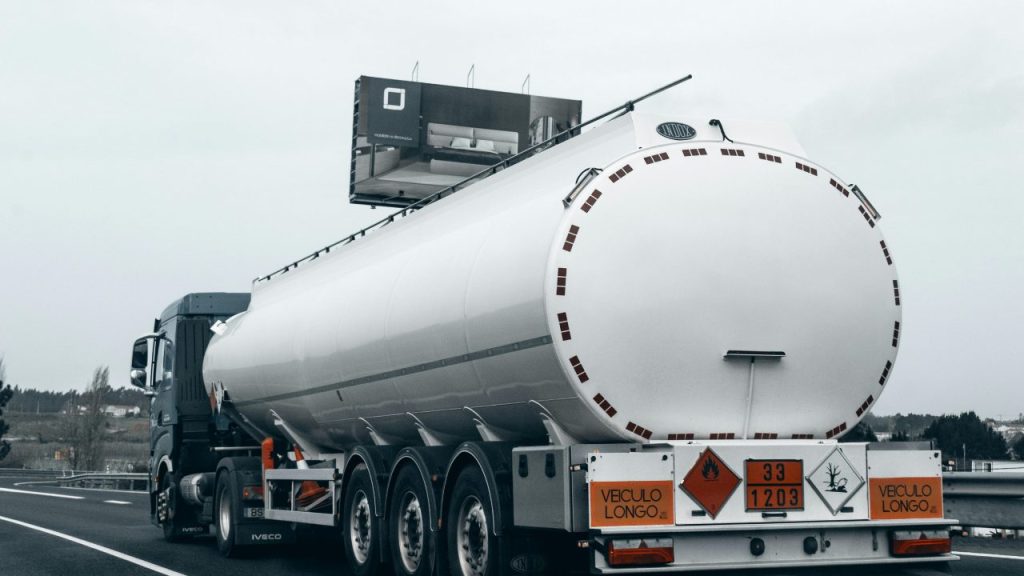
One reason the risk still looks understated is timing. The February 2026 CPI report, released on March 12, captured prices before the full March diesel spike reached stores. That means official inflation data has not yet measured the heaviest freight impact. The chain usually runs in sequence. Wholesale ultra-low sulfur diesel moves first. Carriers add fuel surcharges next. Distributors then reprice lanes, and retailers update shelf tags after that. Consumers pay last, with the CPI confirming it weeks later. Which report will show shock?
Diesel Gets Hit Harder
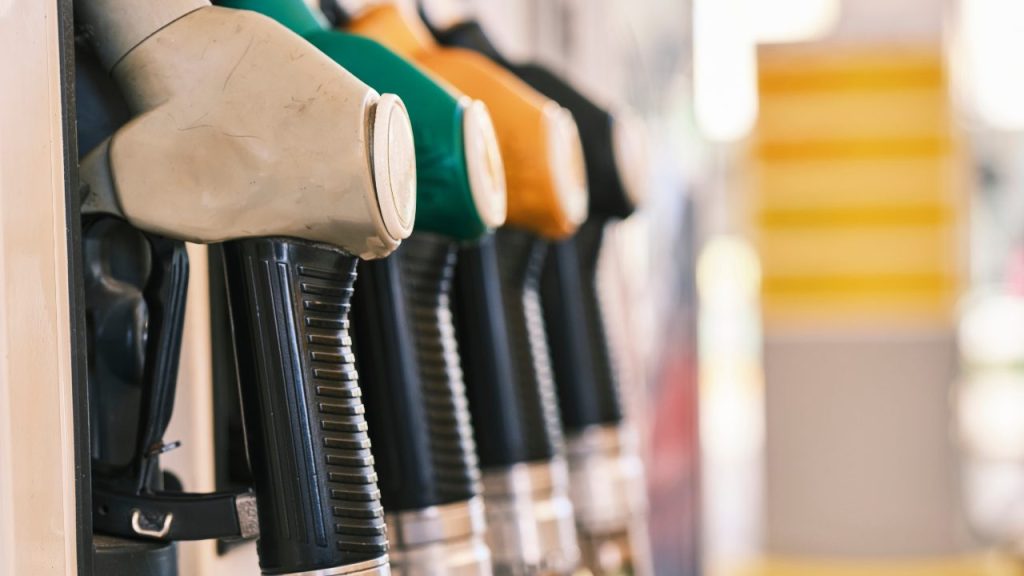
Diesel is not reacting exactly like gasoline because refinery chemistry matters. Middle Eastern medium heavy-sour crude is better suited for making distillates such as diesel, so regional conflict can hit diesel supply harder. EIA’s retail price breakdown also shows why pump prices move sharply. About 38% reflects crude oil, 27% refining costs, 19% distribution and marketing, and 16% taxes. When crude rises and refining margins tighten together, diesel takes a double hit. That helps explain why truckers, farmers, and food distributors became exposed simultaneously today.
Farms And Stores Feel It

The pain does not stop with trucks. Farmers depend on diesel for transport, and fertilizer markets are also exposed to Hormuz disruption. A United Nations report published on March 22, 2026, warned of a “dire fertiliser shortage” tied to the crisis. FMI, the food industry’s trade group, also acknowledged on March 11 that grocers were dealing with upstream cost pressure. Retailers cannot absorb every increase forever, especially on perishables. By the time consumers notice higher shelf tags on meat, produce, and staples, transmission is underway.
What Happens Next At Checkout

The story now turns on duration. If Hormuz tensions ease quickly, diesel could retreat before a second-round grocery spike sets in. If disruption lasts beyond April 1, CNBC’s John Kilduff warned on March 22, 2026, that WTI could move well above $100 on a sustained basis. That would keep pressure on trucking, farming, and food distribution. The headline’s warning is forward-looking. February inflation was already rising, March diesel set records, and April data may show even faster food price acceleration. Checkout will decide.
Sources:
Record Diesel-Price Surge Hits U.S. Truckers, Retailers and Manufacturers. Wall Street Journal, March 10, 2026
Consumer Price Index — February 2026. U.S. Bureau of Labor Statistics, March 12, 2026
Grocery Prices Are Set to Rise in 2026. Grocery Dive / USDA Economic Research Service, February 26, 2026
Oil Prices Rise Sharply in Market Trading After Attacks on Iran. NPR, March 1, 2026
$5 Diesel Is Crushing Truckers. It Will Soon Be Felt Across the Economy. Wall Street Journal, March 22, 2026
The Economy Has a Strait of Hormuz Deadline for Trump: Two Weeks. CNBC, March 22, 2026