
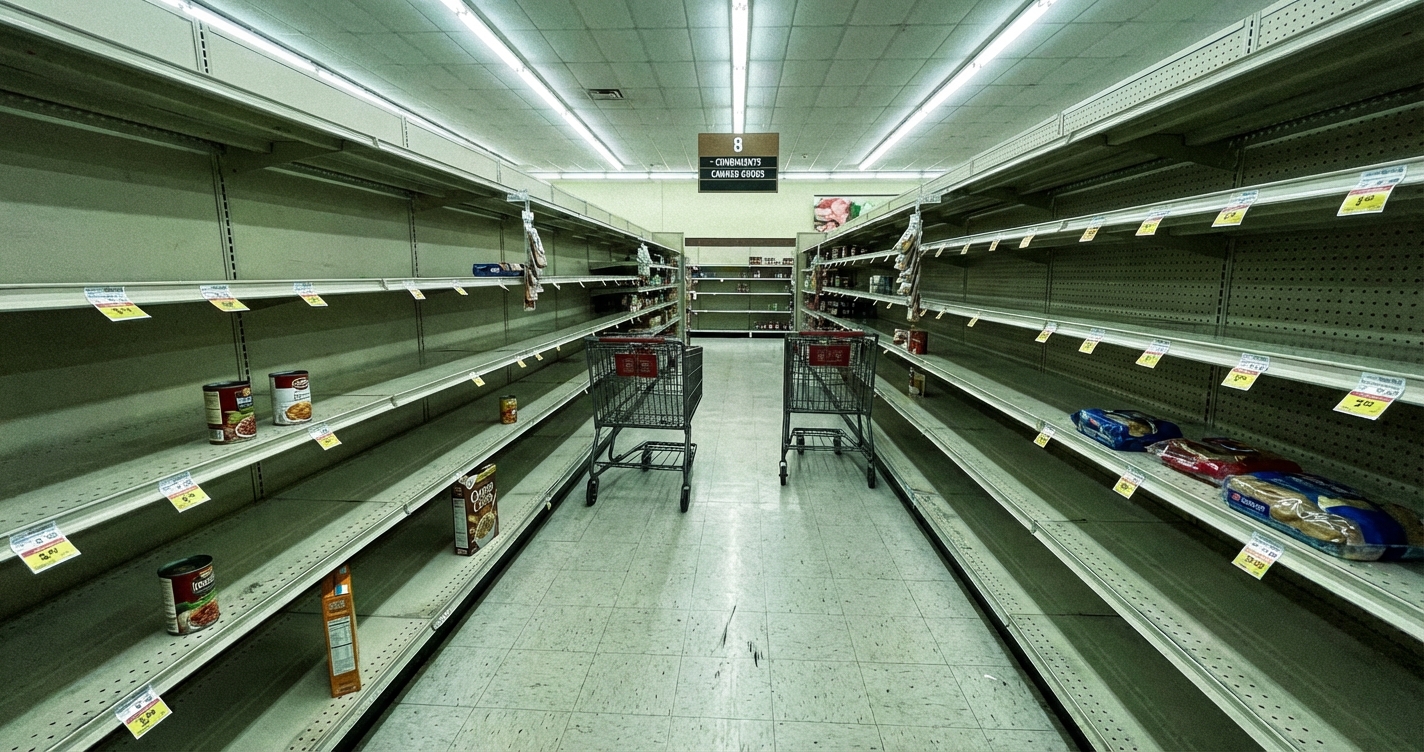
Diesel Blasts To $5.04 A Gallon Nationwide As Truckers Warn Grocery Prices Will Be Next
Diesel prices nationwide surged past $5 per gallon, reaching a national average of $5.04 on Tuesday. This marks the highest diesel price since December 2022, when prices were falling from a record $5.81. The jump represents a roughly 38% increase from the $3.65 average just one month earlier. Analysts warn the spike could quickly translate into higher costs for groceries, delivery, and other essentials.
Rapid Weekly Increase
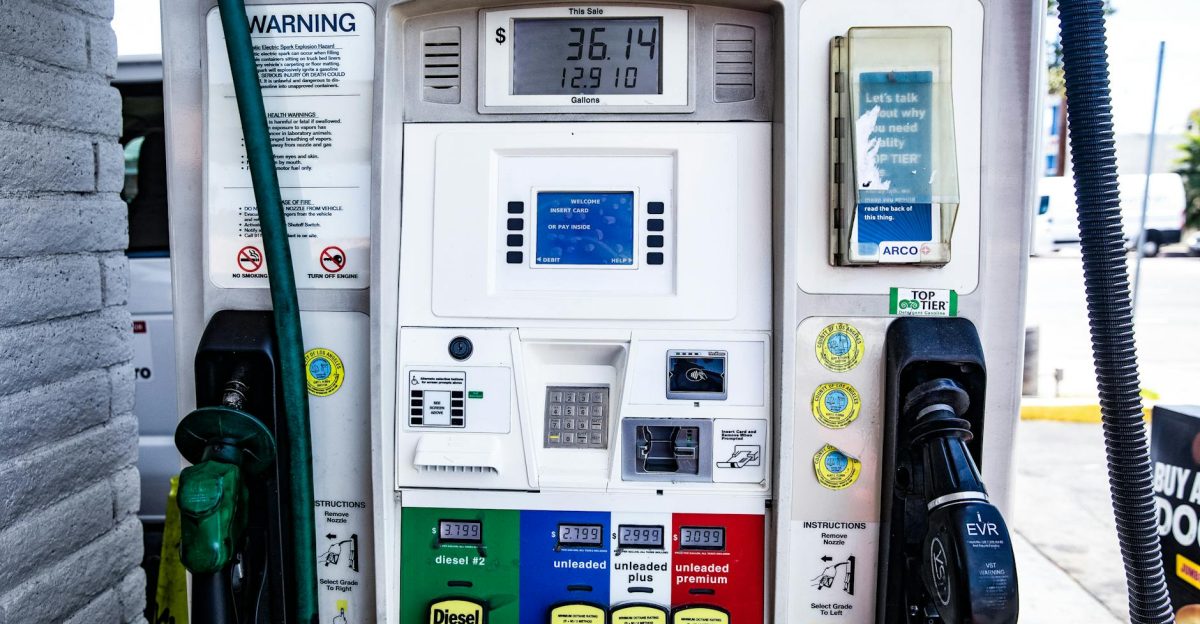
Just one week prior, the average diesel price stood at $4.78 per gallon. That represents a 5.4% increase in only seven days. Such a rapid climb underscores the volatility tied to geopolitical tensions in the Middle East. Energy analysts note that diesel reacts faster than gasoline to crude oil supply shocks. The pace of increase has outpaced gasoline, which rose 30% over the same month.
Iran-Linked Supply Disruption
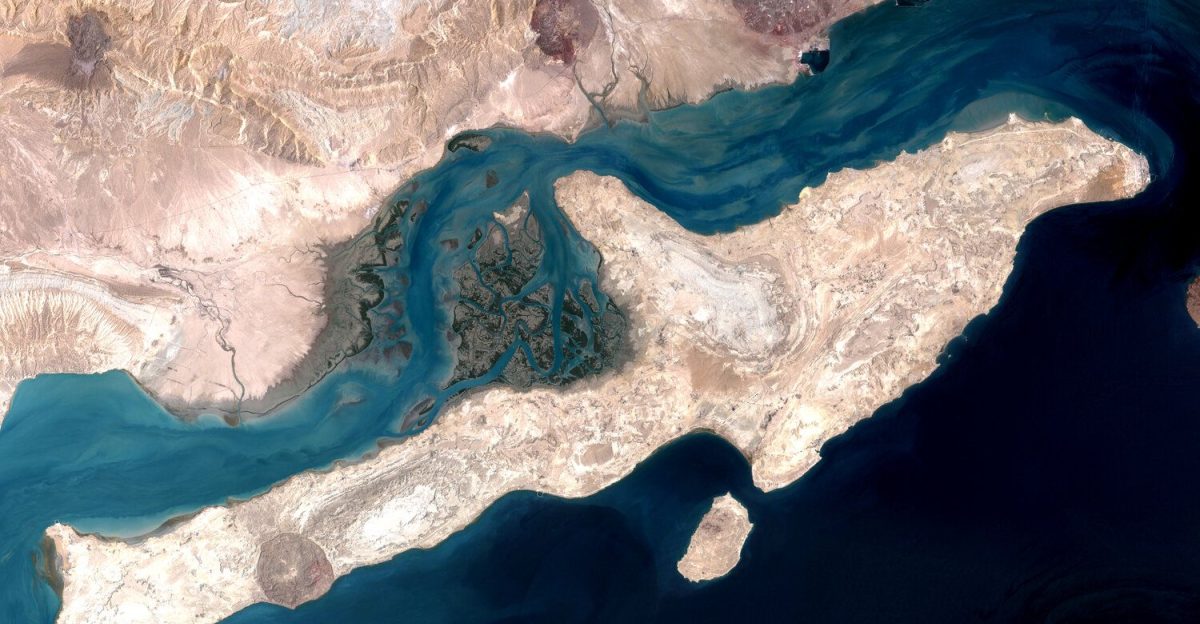
The price surge follows Iran’s blockade of the Strait of Hormuz, a critical artery for global oil shipments. Closure of the strait has forced tankers to take longer routes, reducing immediate supply and pushing crude prices upward. Diesel, a refined product of crude oil, inherits these price spikes almost directly. Market observers say the geopolitical risk premium has added roughly $27 per barrel to crude values.
Diesel’s Role in the Supply Chain
Diesel fuels the majority of freight trucks, locomotives, barges and construction equipment across the United States. It also powers agricultural machinery, public buses and many maritime vessels. When diesel costs rise, the expense of moving goods from farms to factories to stores increases accordingly. Economists describe diesel as a “hidden tax” on consumer spending because it raises prices without a visible receipt.
Grocery Bills Feel the Pinch
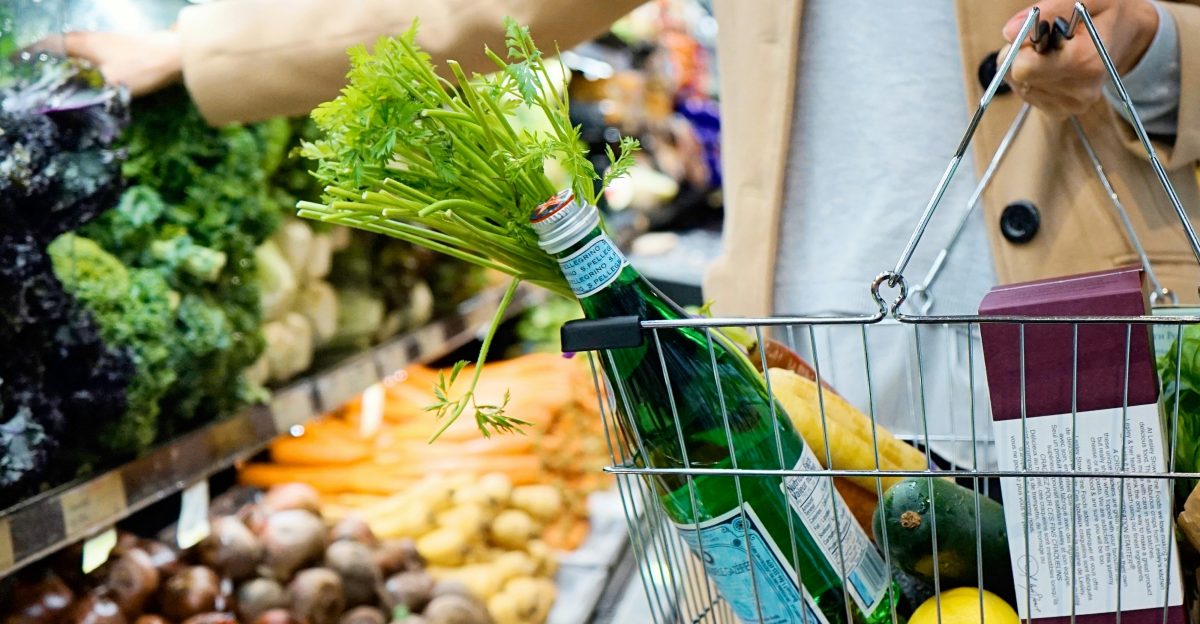
Higher diesel costs translate directly into more expensive groceries as trucks that carry food face increased fuel bills. A typical long-haul truck covering 1,200 miles may need an extra $250 in diesel at today’s prices versus a month ago. Those added expenses are often passed on to retailers, who then raise prices on shelves. Consumers may see noticeable jumps in the cost of fresh produce, dairy and packaged goods within weeks.
Farmers Feel the Sting

American farmers are especially vulnerable because diesel powers tractors, combines and irrigation pumps. Filling a typical 100-gallon tractor tank now costs about $504, up from roughly $365 a month earlier. For a family farm operating several machines, the monthly fuel bill can climb by thousands of dollars. Some growers warn that sustained high diesel prices could force them to cut acreage or delay planting.
Inflationary Pressure Looms

Economists caution that prolonged diesel inflation will add to overall consumer price pressures. Because diesel moves so much of the economy, its price acts like a broad-based tax on household purchasing power. The recent spike could shave off discretionary spending on dining out, travel and entertainment. Analysts at Wedbush Securities caution that each significant increase in diesel prices could meaningfully reduce GDP growth over subsequent quarters.
Expert Quote on Diesel’s Importance

“Diesel is what moves the real economy. It hauls the food, the packages, the building supplies, and the inventory sitting on store shelves,” said Dietrich, chief investment officer at Wedbush Securities. He added that any disruption in diesel flow quickly shows up as empty aisles and delayed deliveries. Dietrich warned that if the Iran conflict keeps diesel prices high, inflationary pressure will intensify across the economy.
Administration Outlook

The Trump administration asserts that diesel prices will drop quickly once military actions against Iran cease. Officials point to past conflicts where fuel prices normalized rapidly after hostilities ended. However, energy analysts note that rebuilding supply chains and clearing blocked routes can take weeks, even after a cease-fire. They caution that any price relief may be gradual rather than immediate.
Historical Context and Future Watch
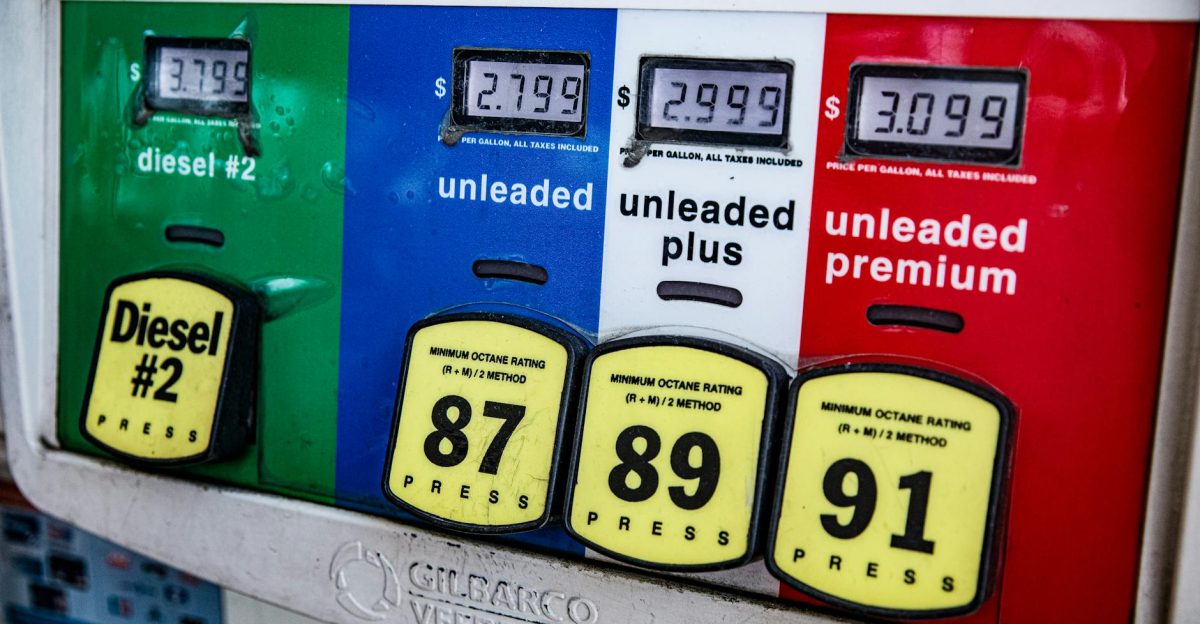
Tuesday’s $5.04 average remains below the December 2022 peak of $5.81 but is the highest level since then. Diesel has climbed approximately 30% since early March, outpacing gasoline’s 30% rise over the same period. Market watchers will monitor Iran negotiations, Strait of Hormuz traffic and crude inventories for signs of easing. Until then, consumers should brace for higher prices at the pump and in the checkout line.
Closing

Since publication, the conflict has escalated further. On March 18, Israel struck Iran’s South Pars natural gas field, prompting Iranian retaliation against Qatar’s LNG infrastructure, raising additional concerns about broader energy supply disruptions. Separately, the White House indicated that a small number of oil tankers have begun moving through the Strait of Hormuz, though the disruption remains largely in effect.
Sources:
“Weekly Retail Gasoline and Diesel Prices.” U.S. Energy Information Administration (EIA), March 2026.
“USA Gasoline, Diesel Prices Surge.” Rigzone, March 17, 2026.
“US Average Diesel Prices Cross $5 a Gallon as Middle East War Tests Global Economy.” Reuters, March 16, 2026.
“War in Iran: Fuel Prices Remain High and Volatile.” IRU (International Road Transport Union), March 2026.
“What $5 Diesel Fuel Means for the U.S. Economy.” Axios, March 17, 2026.