Detroit Abandons $114B EV Bet And Resurrects V8 Engines—Stellantis Resurrects ‘Dead’ Hemi
In a Stellantis boardroom, a new CEO studied overlooked sales data and made a decision that would have been unthinkable just 18 months earlier.
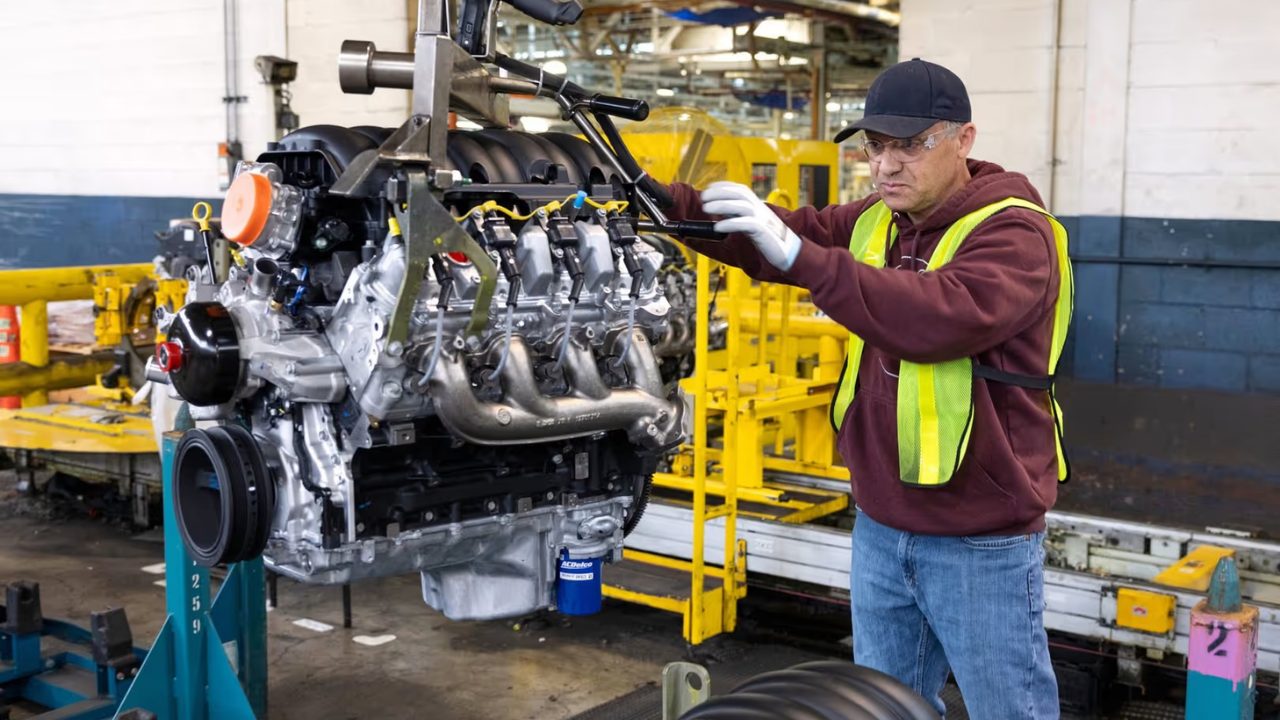
The Hemi V8, dropped from the lineup for the 2025 model year, was making a return. This wasn’t nostalgia or a special edition. The engine rejoined as a powertrain option in the 2026 Ram 1500 lineup, offering 395 horsepower for $1,200. Orders surged, and supply couldn’t keep up.
Buried Demand
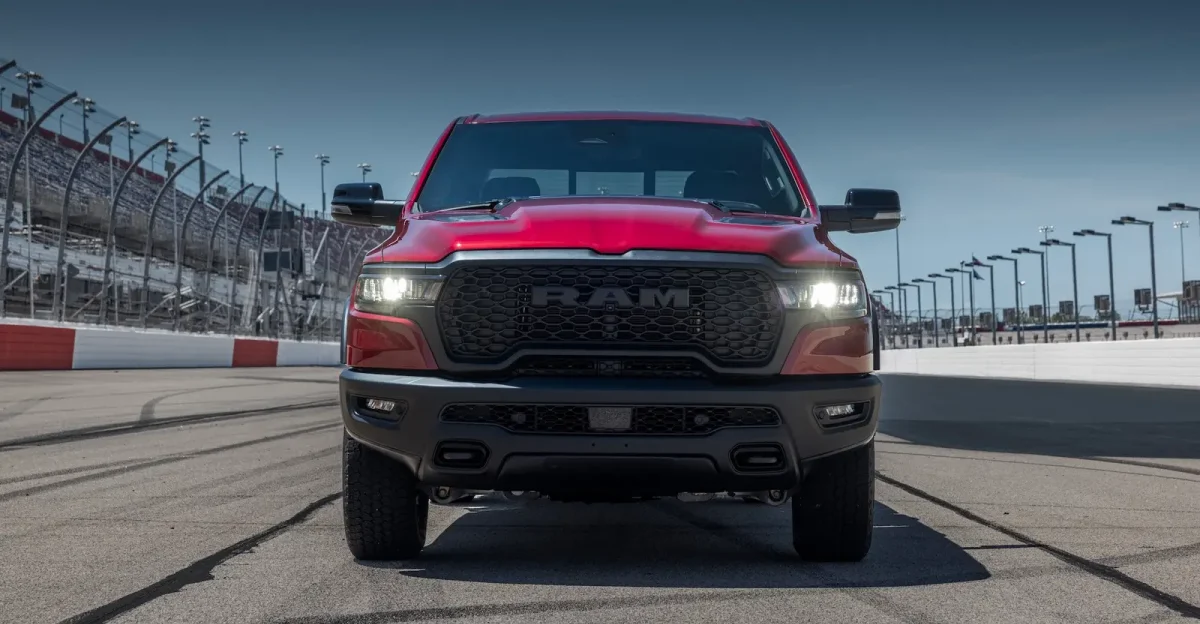
Within 24 hours of the June 2025 announcement, Ram CEO Tim Kuniskis saw 10,000 Hemi orders arrive. He told the media he needed 100,000 more engines to keep up.
This wave of demand wasn’t new. It had always existed, quietly building behind a strategy that ignored it. The fully amortized Hemi was cheaper to build than its intended replacement.
The Myth Cracks
For four years, automakers treated electric vehicles as the only path forward and sidelined gas engines. They committed trillions based on that belief. McKinsey’s 2025 Mobility Consumer Pulse Survey revealed a different reality: just 29% of American buyers planned to purchase an EV next, far below the 82% figure in China.
Range anxiety remained the top concern for U.S. consumers holding out on EVs. The market resisted a future built on assumptions instead of demand.
The $114B Confession
After that, the writedowns hit. In December 2025, Ford absorbed $19.5 billion, with Model e operating losses since 2022 at about $16.8 billion. The $19.5 billion reflected a separate charge for cancelled EV programs. GM took a $6 billion hit in January 2026.
Stellantis faced a €22.2 billion writedown. Since 2022, EV-related losses reached $114 billion across seven major automakers: Ford, GM, Stellantis, Volkswagen, Mercedes-Benz, Lucid, and Rivian. This figure comes from energy analyst Robert Bryce. That sum exceeds the annual revenue of most Fortune 500 companies. One hundred fourteen billion dollars spent on customers who never arrived.
The Hidden Machine
Executives didn’t just make bad predictions. Automakers follow five-to-seven-year capital planning cycles, so decisions in 2020 and 2021 locked them into EV platforms through 2027. By 2024, adoption plateaued, and companies faced a tough choice: stick with billions in sunk costs or reverse course and take massive writedowns.
Those who hedged, like Toyota with hybrids, fared better than those who went all-in on EVs. The V8 revival amounts to financial triage, using depreciated tooling still available.
The Subsidy Collapse
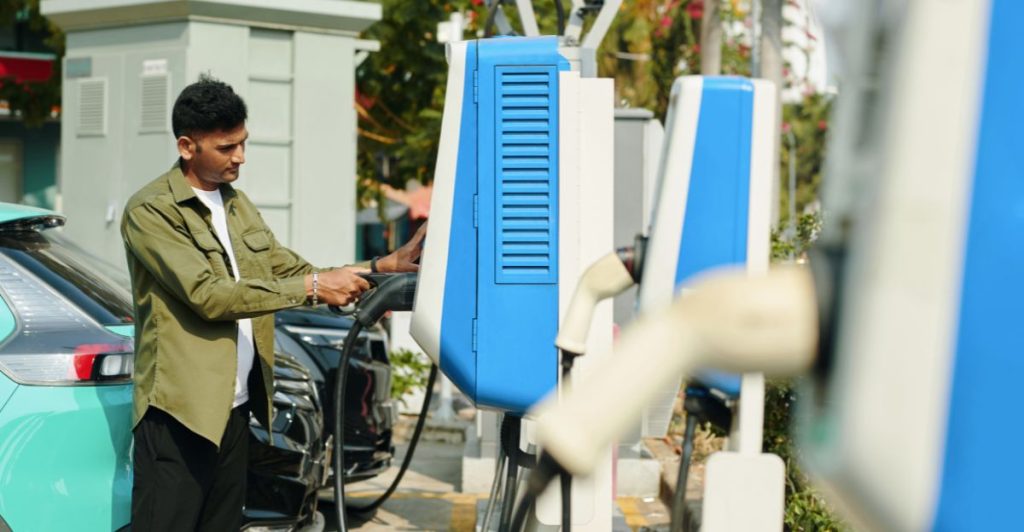
The federal $7,500 EV tax credit ended in September 2025, and sales fell right away. That policy change revealed the structure beneath the EV boom: 40 to 50 percent of budget buyers lost their main incentive overnight. U.S. EV market growth stalled that year.
In contrast, new-vehicle sales in China crossed the 50 percent NEV threshold for the first time. This category includes plug-in hybrids and extended-range vehicles, not just battery EVs. Federal subsidies had fueled artificial demand, with rapid growth followed by a steep drop when support disappeared.
Cancellation Or Delay
Stellantis cancelled its dividend for fiscal 2025. Gigafactory projects nationwide now face cancellation or indefinite delay, putting thousands of battery manufacturing jobs at risk. Suppliers focused only on EVs and betting on 2030 all-electric timelines are now dealing with oversupply and possible collapse.
Japanese automakers gained leverage, their hybrid strategy paying off as competitors’ balance sheets suffered. Dodge is expected to offer a Hellcat V8 Charger, with Car and Driver pointing to a late 2026 or early 2027 launch, though official confirmation has not come. The retreat is spreading across the industry.
An Overestimation
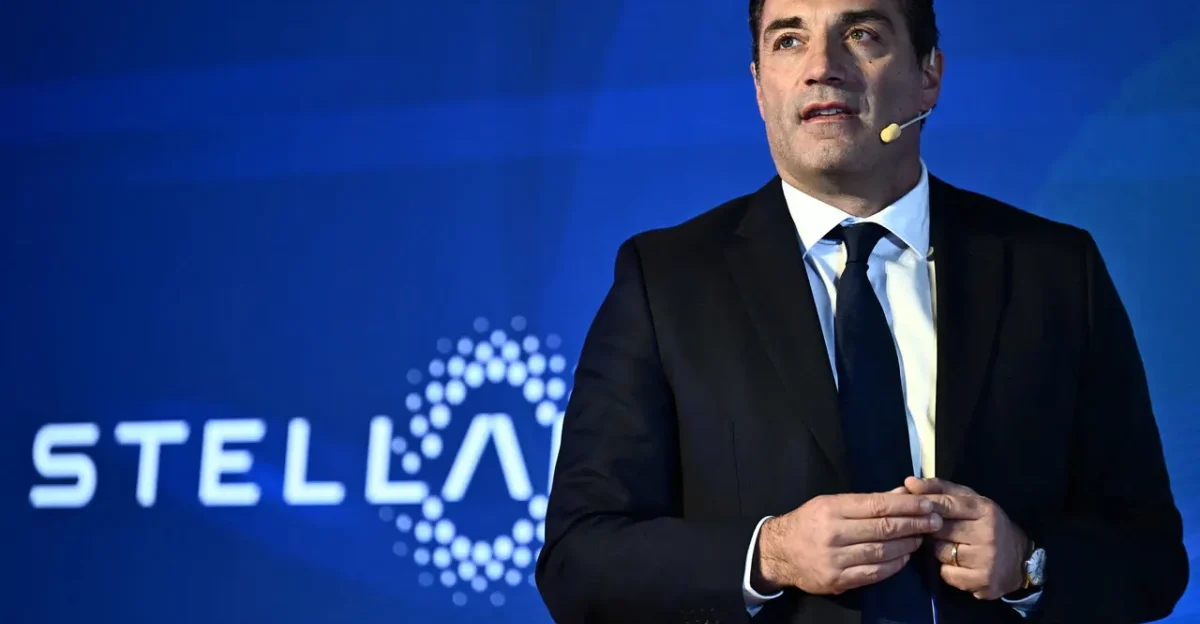
Stellantis CEO Antonio Filosa called the €22.2 billion writedown the price of overestimating how quickly buyers would embrace the energy transition. That mistake distanced the company from the needs and budgets of real customers. His predecessor, Carlos Tavares, was forced out in December 2024 and left with €23.1 million in compensation, plus €12 million in exit payments.
That payout reveals who pays when boardrooms ignore customer demand. Government technology mandates can change quickly when politics shift.
The Counterattack
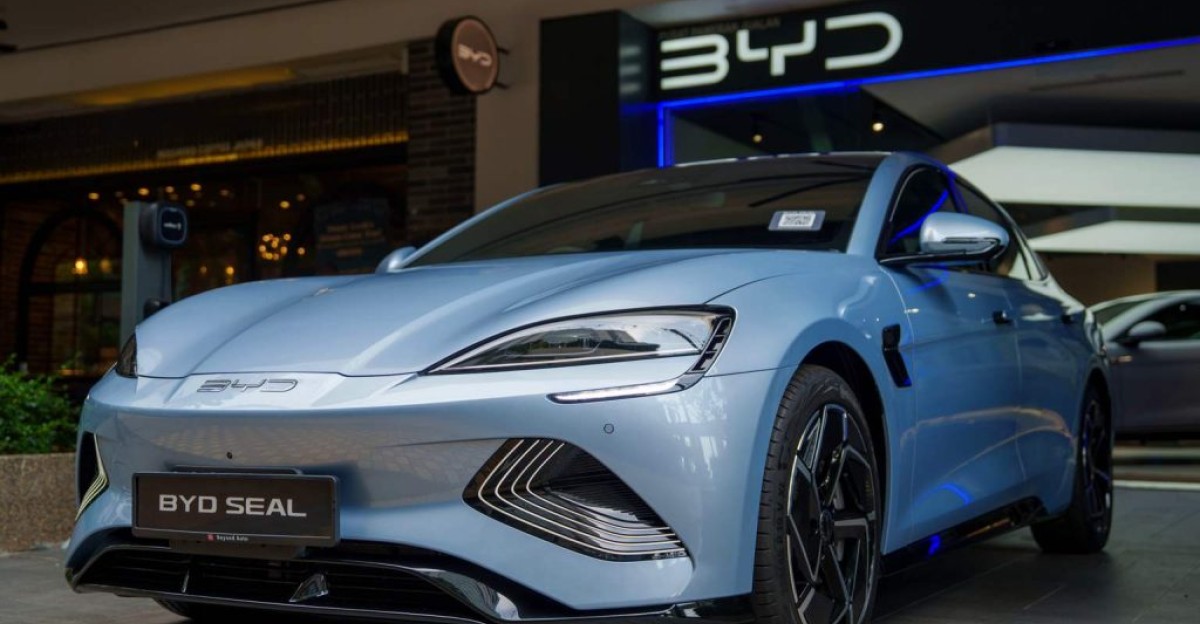
China moves fast. BYD delivered 2.26 million EVs in 2025, surpassing Tesla’s 1.64 million. Western automakers face tight capital and complicated platform transitions, while Chinese companies push ahead with global expansion. California may set its own vehicle standards, independent of federal policy.
The industry is splitting, and companies that wrote down tens of billions now fight on two fronts with shrinking reserves.
Symbol of Protest
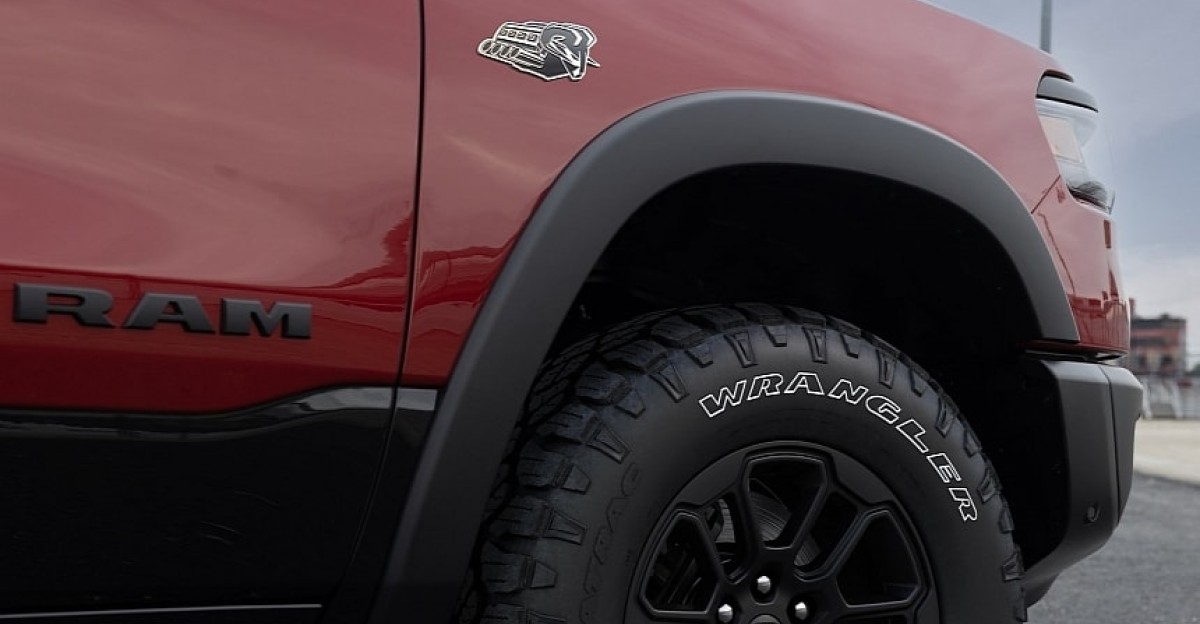
Stellantis put a badge on the 2026 Ram Hemi: “Symbol of Protest.” The company branded its own product as an open defiance of the policy that nearly wiped it out. EV commitments from 2021 to 2024 were compliance decisions, not genuine forecasts. When regulations eased, those forecasts vanished.
The buyers who understood this from the start are now placing orders. The rest of the industry needed four years and $114 billion to learn what Ram customers already knew about American drivers.
Sources:
Car and Driver | “Ram Saw over 10K Orders for Hemi 1500 Trucks in First 24 Hours” | July 2, 2025
Carscoops | “Ram Can’t Build Hemi Engines Fast Enough To Meet Demand” | December 21, 2025
Robert Bryce Substack | “Ford’s $35.1 Billion EV Fiasco” | December 15, 2025
Reuters | “Global Carmakers Book $55 Billion Hit from EV Rollback” | February 6, 2026
McKinsey Center for Future Mobility | “New Twists in the Electric-Vehicle Transition: A Consumer Perspective” | April 21, 2025
Euronews | “Stellantis Shareholders Approve €23.1mn Payout for Former CEO Tavares” | April 14, 2025