Delaware Adds 15 Red-Light Cameras After $1.3B In Crash Losses—One Death Every 66 Hours
Somewhere in Delaware, a driver pulls up to a red light and hesitates, weighing the odds. No police car is in sight. No flashing lights. The driver makes a quiet calculation about risk and consequence. This kind of decision happens thousands of times each day across the state.
In 2024, the total was staggering: 132 lives lost, one fatality every 66 hours, one injury every 69 minutes. There were 27,660 crashes last year, costing Delaware more than $1.3 billion. The state is now stepping in to change the equation at 15 additional intersections.
The Network Gets Bigger
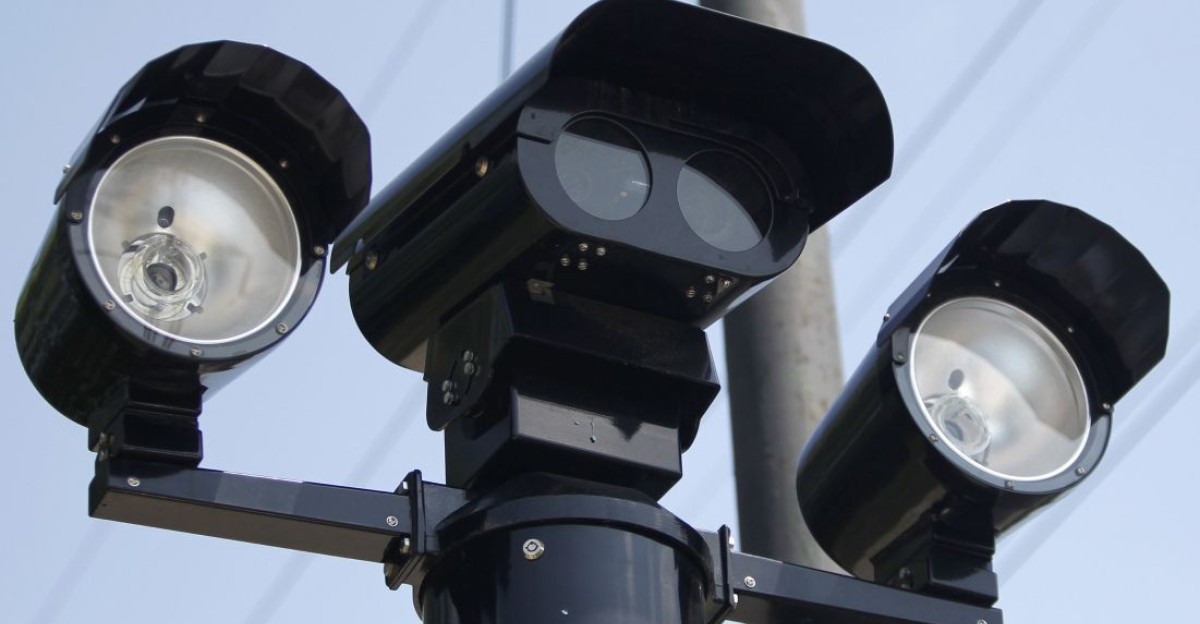
The Delaware Department of Transportation has announced that 15 new red-light cameras will soon join the existing 45, bringing the total to 60 across the state. This represents about a one-third increase for a program that has been running since 2004. Most of the new cameras will be installed in New Castle County, with the remainder in Kent and Sussex. Every site was selected because of its crash history, not traffic volume or revenue potential.
As Secretary Shanté Hastings put it, “The most important criteria in selecting an intersection for inclusion in the ERLSP is the frequency of crashes due to red-light running.” The cameras are expected to be operational by summer 2026. The fine structure is different from what many people expect.
The Myth Everyone Believes
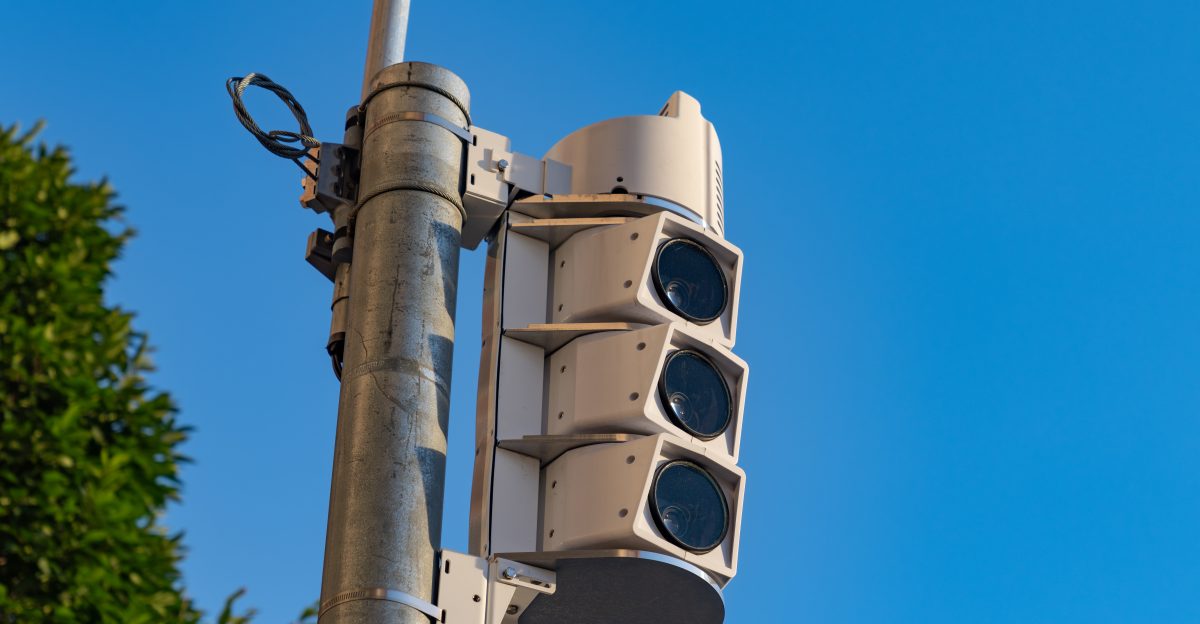
Many people believe red-light cameras exist only to generate revenue for the government. The process seems straightforward: a camera flashes, a ticket arrives, and the state collects. In Delaware, violations are civil rather than criminal.
The $137.50 fine does not affect insurance and does not add points to a driving record. Each new camera location begins with a 30-day warning period, giving drivers time to adjust before fines are issued. This system is designed to encourage safer habits. Data from cities that removed their cameras illustrates the real impact.
What Removal Actually Costs
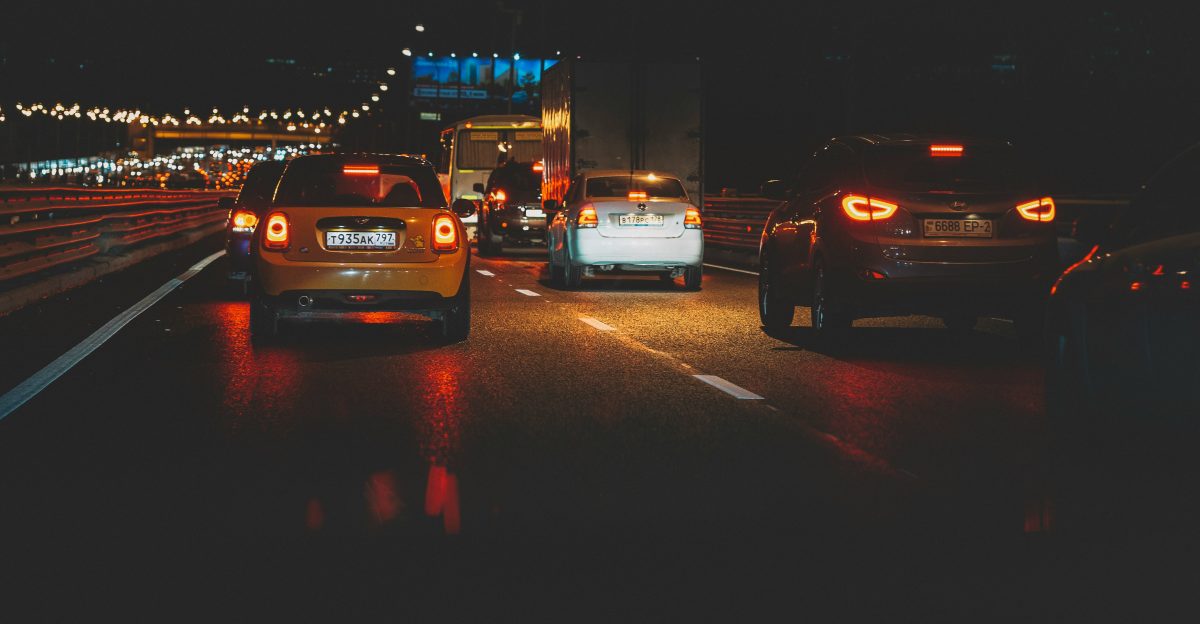
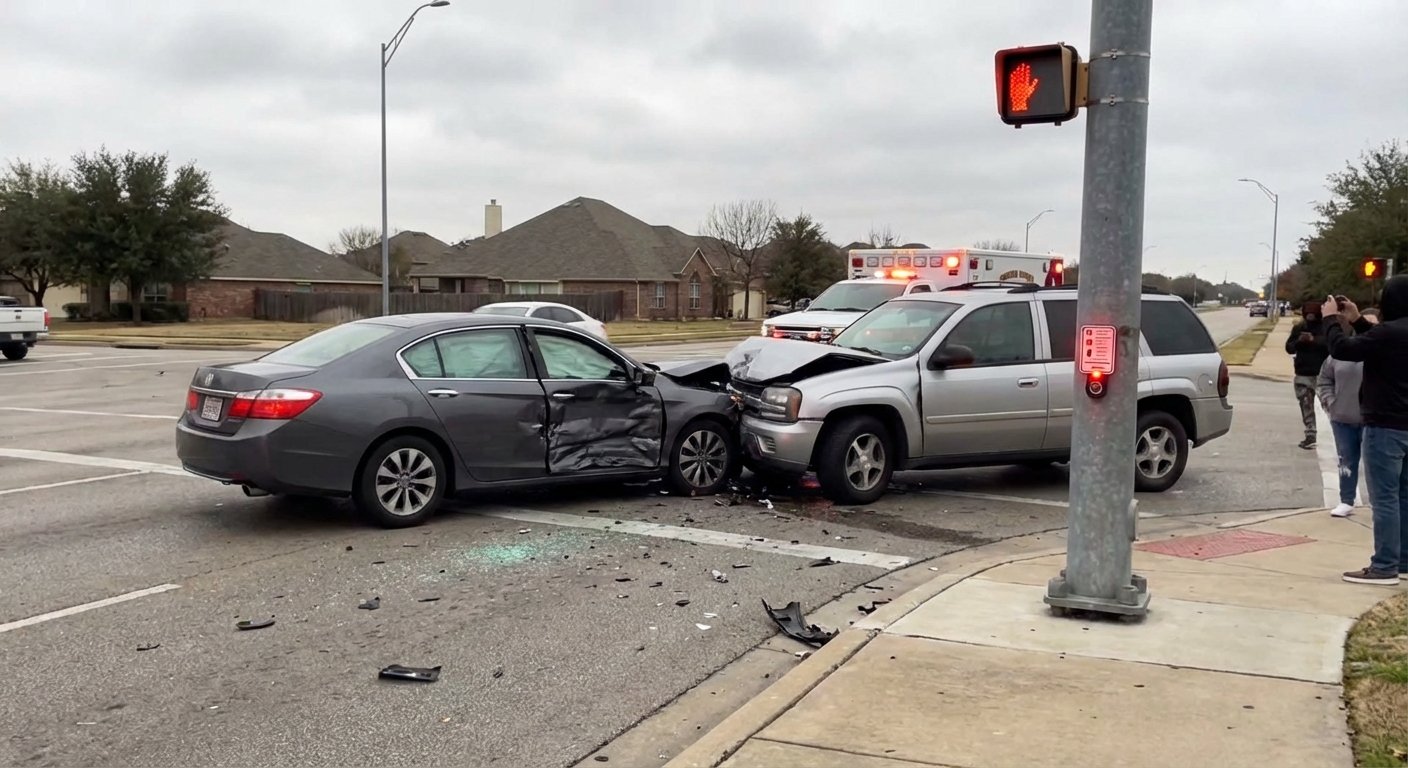
Cities that eliminated red-light cameras saw fatal crashes increase, in some cases by 30 percent. In Houston, right-angle collisions rose 26 percent after cameras were deactivated. Delaware’s experience was different. After cameras were installed, angle crashes, or T-bone collisions where a car strikes the driver’s door, dropped by an average of 41 percent.
There is minimal protection in these crashes, and the results are often tragic. As Secretary Hastings explained, these crashes are “more likely to result in serious injuries and fatalities.” A 41 percent reduction represents lives changed and lives saved. When cameras were removed, deadly collisions returned within months.
The Hidden Enforcement Funnel
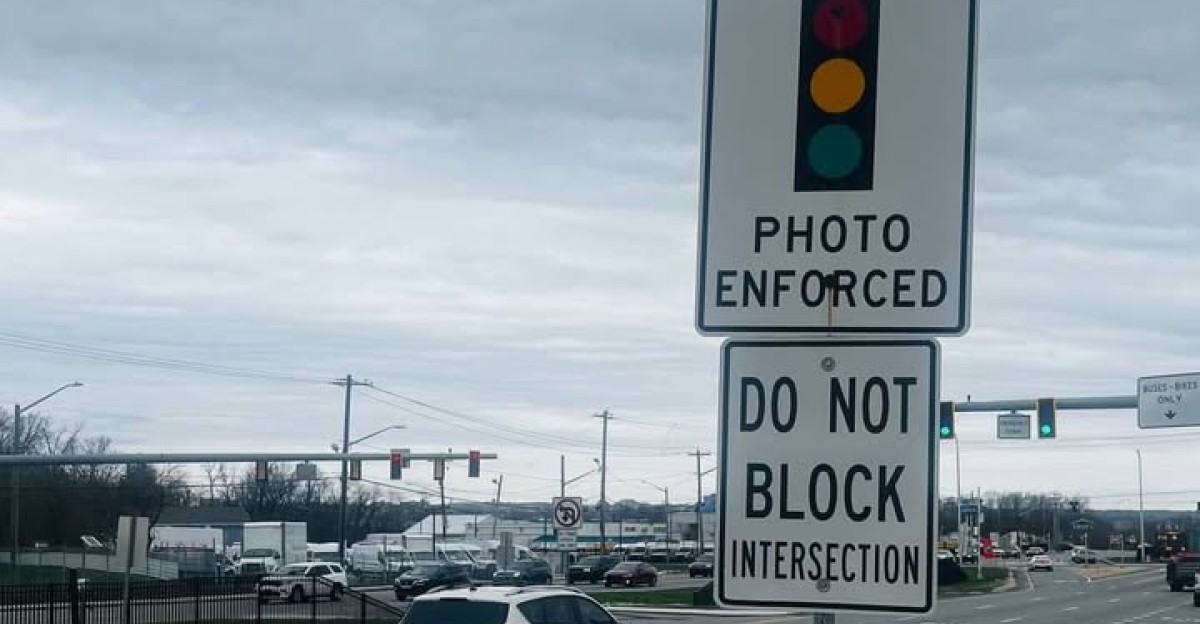
Delaware’s camera system operates in layers, most of which are invisible to the average driver. The first layer is the warning: signs and visible cameras that encourage drivers to stop. The next layer is a 30-day grace period allowing drivers to adjust their habits. Those who continue to run red lights receive a $137.50 fine. If the fine is not paid, late fees are added.
Continued nonpayment results in a hold on DMV registration renewal. The system is designed to identify chronic risk-takers, not those who make occasional mistakes.
The Numbers Behind the Expansion
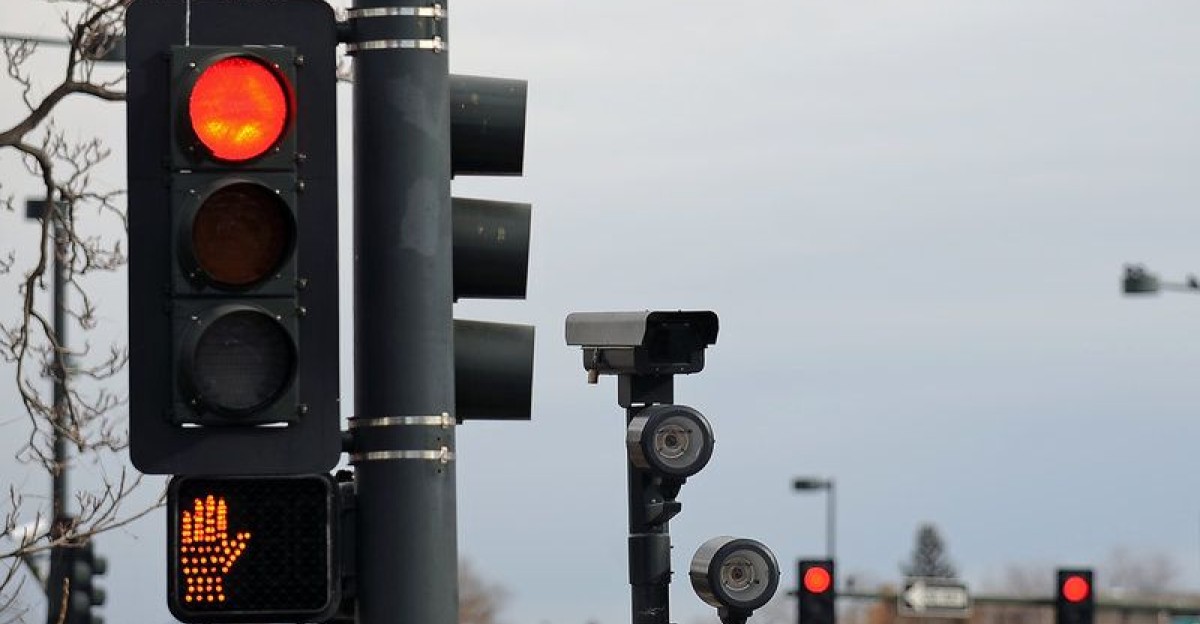
Red-light running is a national problem. In 2023, 1,086 people lost their lives, and more than 135,000 were injured. Studies consistently show that cameras help. A review of 38 studies found a 20 percent drop in injury crashes and a 29 percent drop in right-angle injury crashes where cameras were used. In large cities, fatal crashes at red lights declined by 21 percent after camera installation. Delaware’s results are even stronger, with a 41 percent drop in dangerous angle crashes.
Work zone speed cameras using the same vendor have also reduced crashes in Delaware. This pattern remains consistent across different crash types and locations, making it unusual in traffic safety interventions.
Who Pays the Real Price
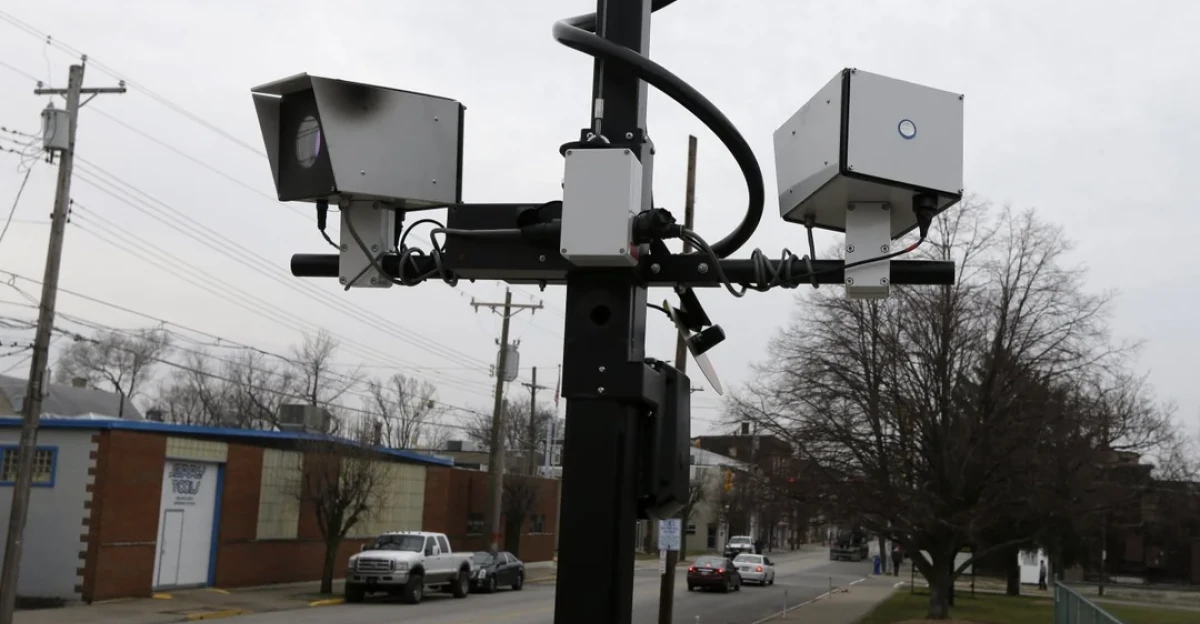
The $1.3 billion Delaware loses annually to crashes includes medical bills, emergency response, lost wages, property destruction, and long-term care. On average, each crash costs about $47,000. The 7,626 people injured last year experienced these impacts directly. Insurance companies absorb claims, employers lose productivity, and families endure financial and emotional hardship.
If the 41 percent reduction in angle crashes extends to these 15 new intersections, healthcare savings alone could surpass fine revenue. Preventing even a single T-bone collision produces economic and personal benefits that reach entire communities.
Swimming Against the National Tide
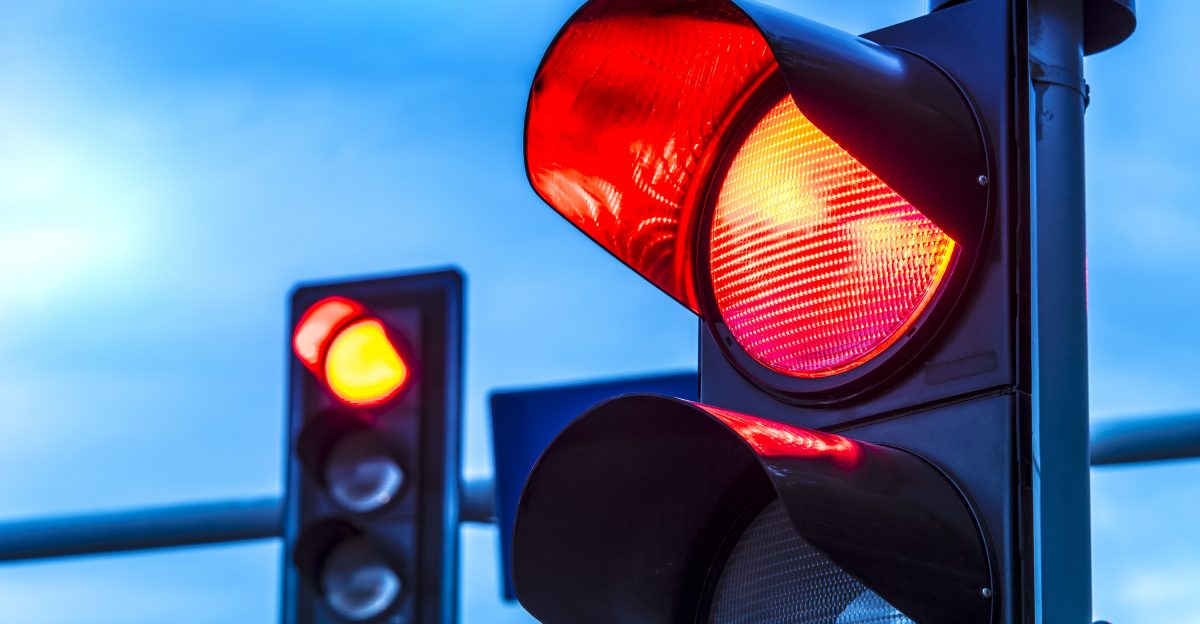
Most states have reduced their use of red-light cameras, with the number of participating communities dropping from 430 in 2016 to 338 by 2022. Delaware has increased its program instead. This marks the fourth expansion in 22 years, predating most state speed camera legislation.
The 2026-2030 Delaware Strategic Highway Safety Plan sets a goal of zero fatalities. The state’s approach follows its own crash data and emphasizes traffic safety.
The Dominos Still Falling
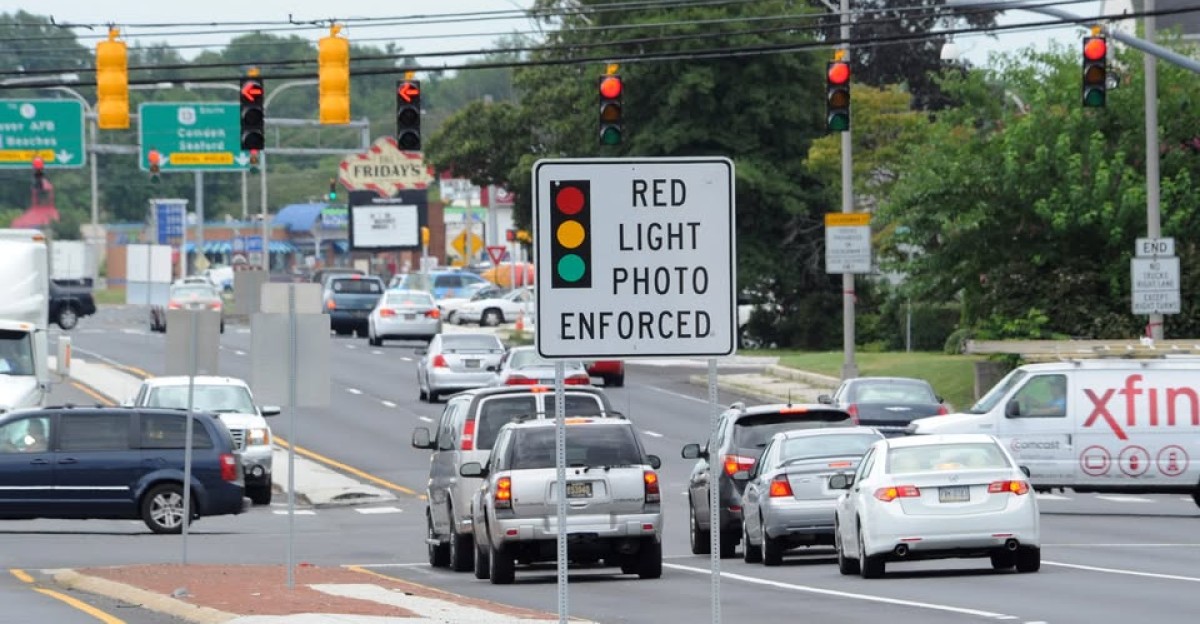
Some drivers will choose alternate routes to avoid intersections with new cameras. This may cause temporary congestion on nearby roads. Other states may cite Delaware’s 41 percent reduction when considering their own red-light camera expansions. Cities that removed cameras may face renewed pressure to reinstate them as crash data circulates.
Commercial drivers and delivery fleets will adjust their logistics. As DelDOT spokesperson C.R. McLeod said, “we don’t want this to be a surprise.” Most drivers know the rules, but some continue to take risks. Every 66 hours, that decision results in a fatality.
The Calculation That Changed
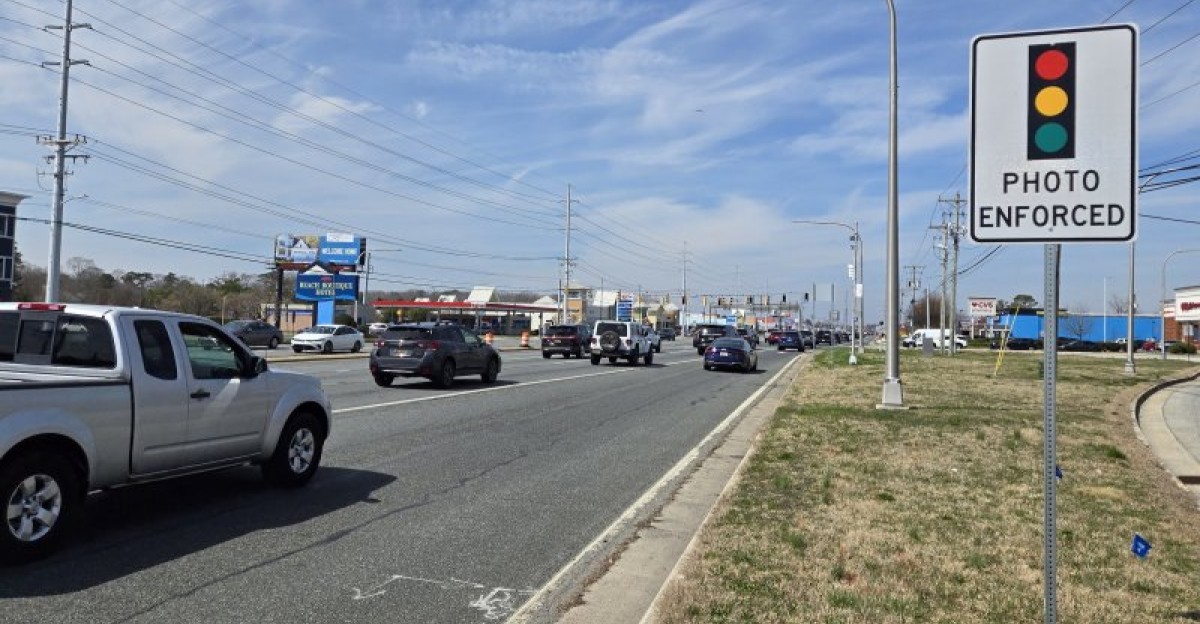
Nationally, one in three drivers admits to running a red light at least once a month. Most of the time, there are no immediate consequences. Delaware is changing this calculation at 60 intersections. The ticket costs $137.50. Without cameras, fatal crashes increase by 30 percent.
Inaction means 132 people each year do not return home. Advocacy groups are expected to challenge tickets. Social media will track every camera location. The result remains clear: 41 percent fewer deadly crashes occur where cameras are installed.
Sources:
Delaware Department of Transportation (DelDOT) | Electronic Red-Light Safety Program Adds 15 Locations | March 27, 2026
Delaware State Police | 2024 Annual Traffic Statistical Report | July 2025
Delaware Department of Transportation (DelDOT) | Annual Electronic Red-Light Safety Program Report CY 2024 | 2025
Insurance Institute for Highway Safety (IIHS) | Red Light Running — Research and Fatality Data | 2026
AAA Foundation for Traffic Safety | Traffic Safety Culture Index | 2017