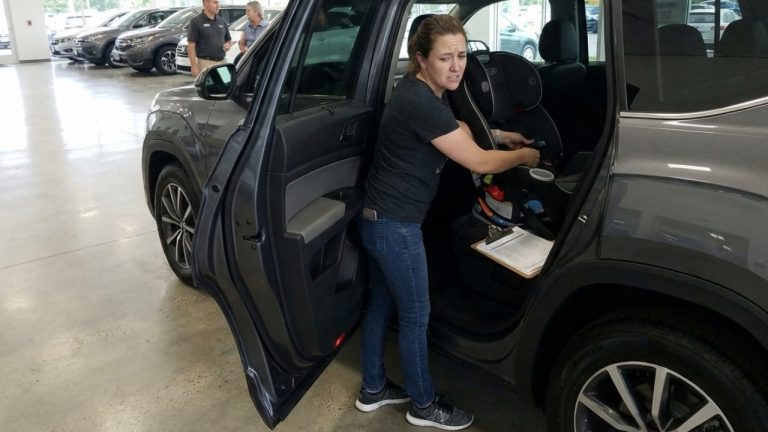
Dealers Mark Up $20 Product 2,400% And Sell It to Americans as ‘Protection’—10 Add-Ons to Refuse
The Federal Trade Commission sent warning letters to 97 auto dealership groups in March 2026, telling them to stop advertising prices that don’t include all mandatory fees. The timing was no accident. With new-car sales margins compressed to just 3–5%, the finance office has become dealers’ primary profit engine, and add-on markups ranging from 200% to 2,400% are how they make up the difference. Here are the 10 you should refuse on sight.
1. Paint Protection
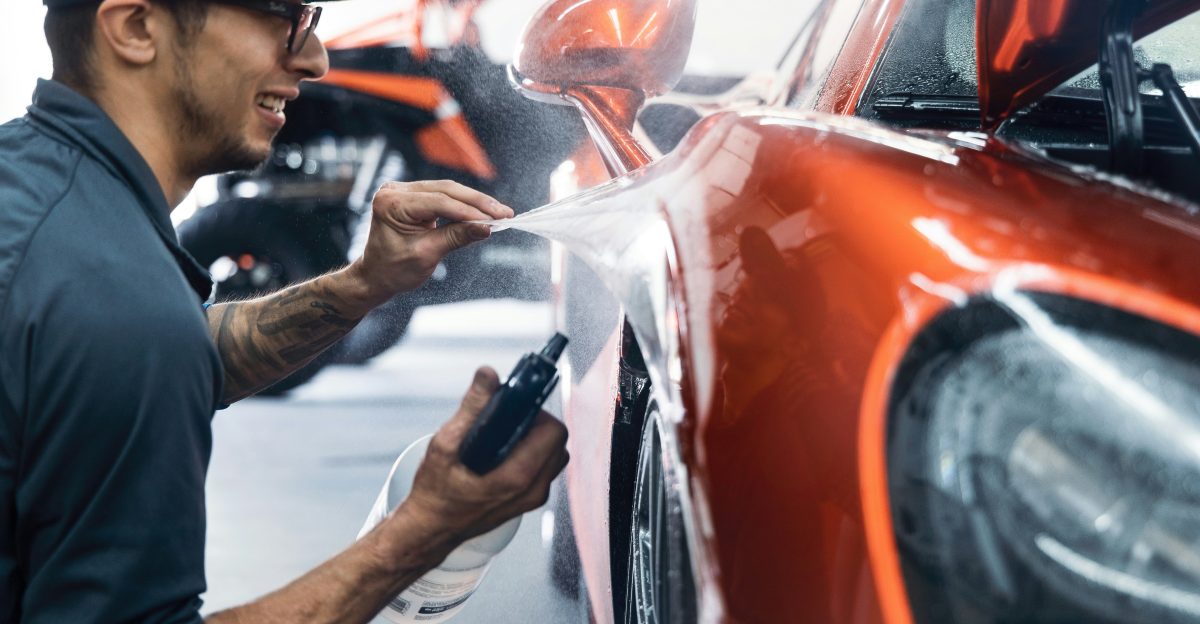
The dealer calls it “paint protection.” What it really is: a cheap sealant that costs the dealership just $20 to $50 but gets charged to you at anywhere from $500 to $1,500, a markup that can reach a staggering 2,400% . Your brand-new car has already arrived from the factory with a built-in clear coat already applied. If you want real paint protection, hire an independent professional detailer for a quality ceramic coating at a comparable price—with a warranty that actually means something.
2. Fabric Protection

Dealers charge $300 to $400 to spray a fabric-protecting coating on your upholstery and brand it as essential interior care. The actual product costs a fraction of that, and you have absolutely no way to verify it was ever applied thoroughly, or at all. Worse, the formula is often no better than an off-the-shelf protectant available for under $20 at any hardware store. Decline this add-on entirely and protect your own interior with a quality fabric spray or affordable seat covers.
3. VIN Etching
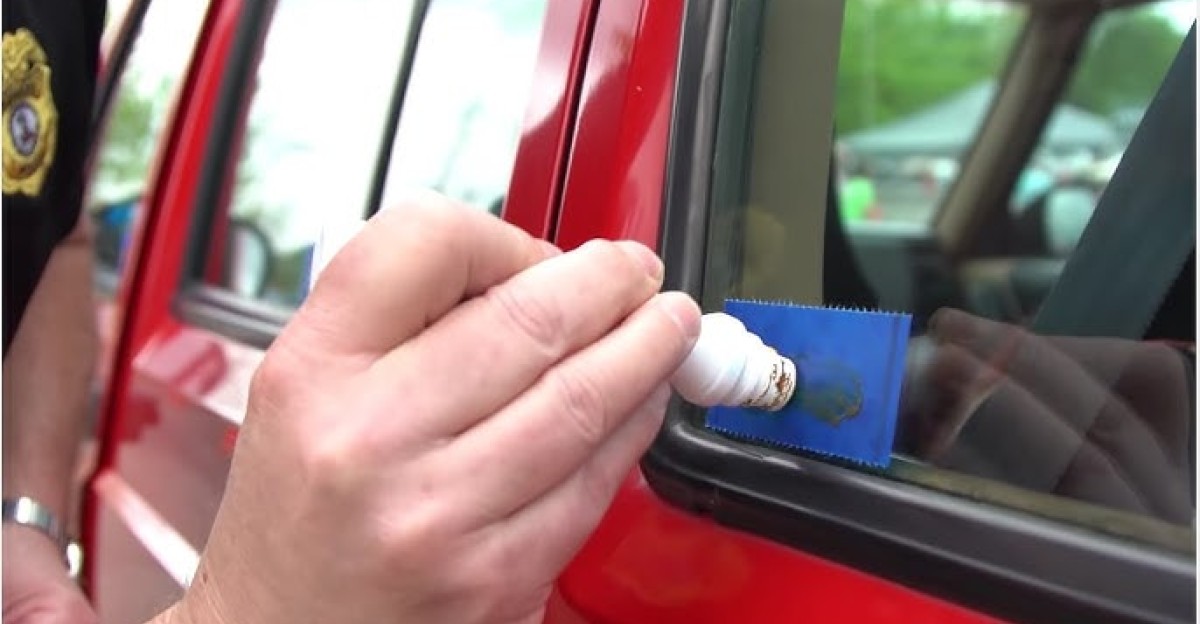
VIN etching involves engraving your vehicle identification number onto the windows, sold as a theft deterrent. The service itself is cheap to perform, yet dealers regularly charge hundreds of dollars for it and often slip it quietly into the contract before you even notice. The real catch: it does not reliably prevent vehicle theft, and it won’t guarantee you any insurance discount. If you actually want this done, buy a DIY kit online for under $20 and just do it yourself.
4. Nitrogen Tire Fill
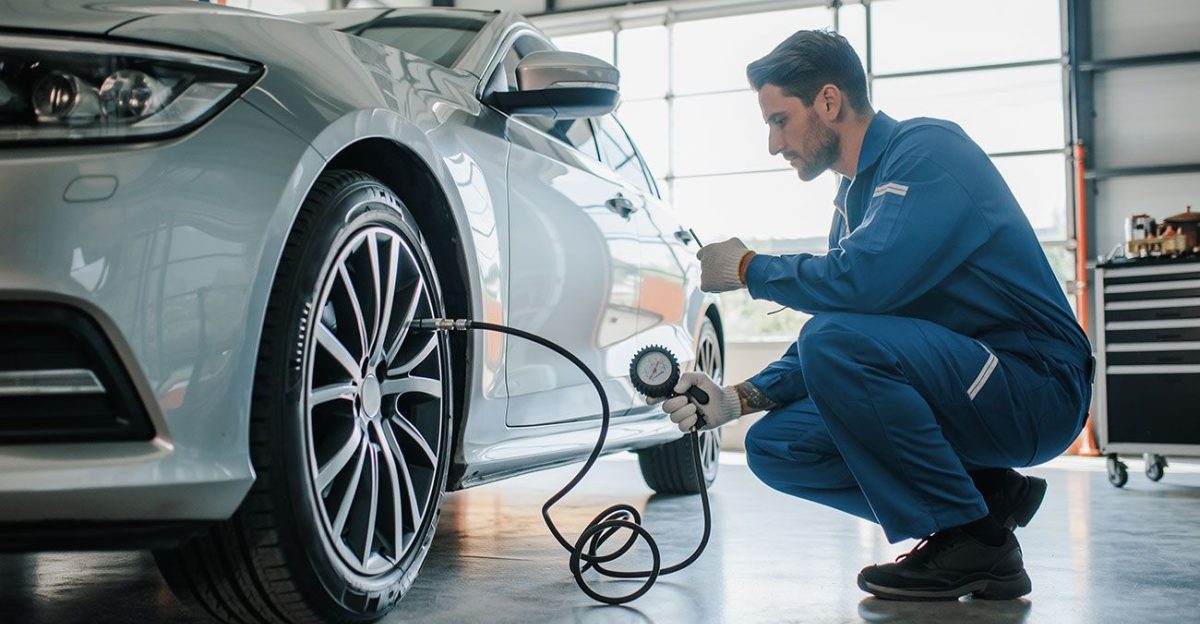
Here is a science lesson the dealer hopes you’ll skip: regular atmospheric air is already approximately 78% nitrogen. So when a dealer charges you to fill your tires with pure nitrogen, they are essentially charging you for something you already have. The real-world performance difference for ordinary drivers on normal roads is negligible. Meanwhile, nitrogen-fill stations are rare, meaning you’ll top off with regular air anyway. Decline and simply keep your tires properly inflated; it costs nothing and works just fine.
5. Dealer Gap Insurance

Gap insurance covers the difference between what your car is currently worth and what you still owe on your loan if it’s totaled, and it’s actually a legitimate product. The problem is buying it from the dealership. Dealers routinely mark up gap insurance significantly compared to what your own insurance company would charge for the same coverage. Before signing anything, call your insurer. You’ll typically pay a fraction of the dealer price for identical protection, sometimes just a few dollars monthly.
6. Wheel & Tire Protection
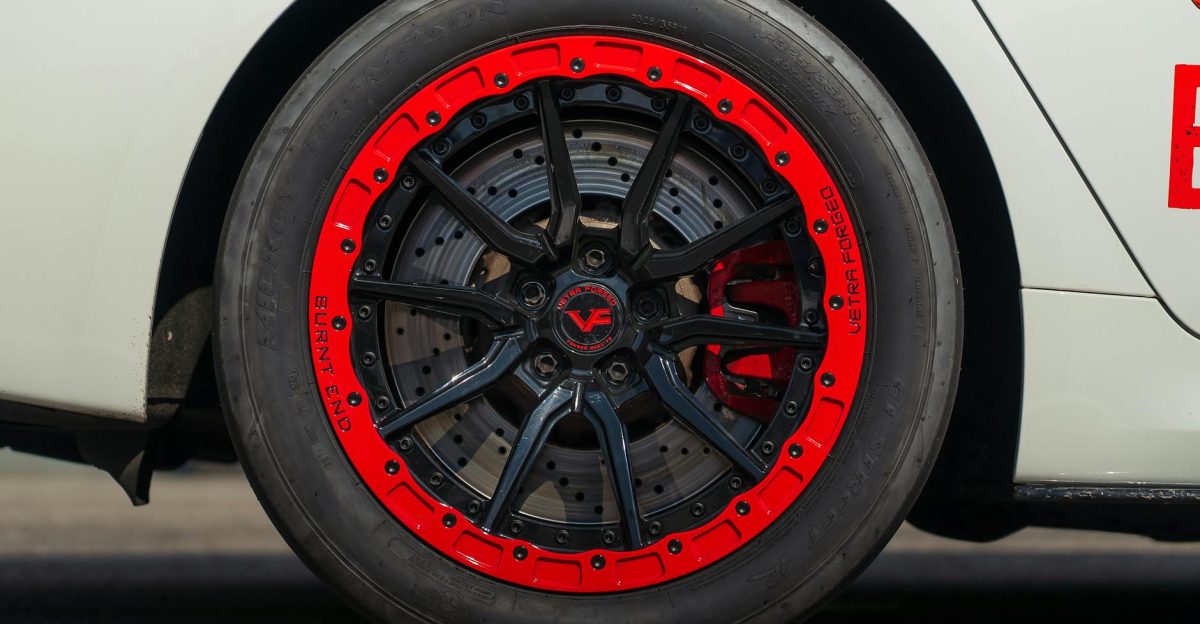
Wheel and tire protection plans sound like a no-brainer if you live near pothole-ridden roads. But these plans are typically loaded with exclusions that limit when they’ll actually pay out, and the premiums often exceed what you’d spend on a tire replacement anyway. The fine print matters enormously here. Rather than locking in a high-cost dealer plan, set aside a small emergency fund for tire-related repairs, or check whether your roadside assistance membership already includes tire coverage at no extra cost.
7. Extended Warranty

The finance manager will present the extended warranty as the last line of defense standing between you and a four-figure repair bill. What they won’t tell you: third-party extended warranties are one of the most marked-up products in the dealership’s arsenal, packed with exclusions that make claims difficult. If you want extended coverage, shop for it separately after leaving the lot. Manufacturer-backed options bought independently cost significantly less and cover far more than what the dealer is selling you here.
8. Door Edge Guards
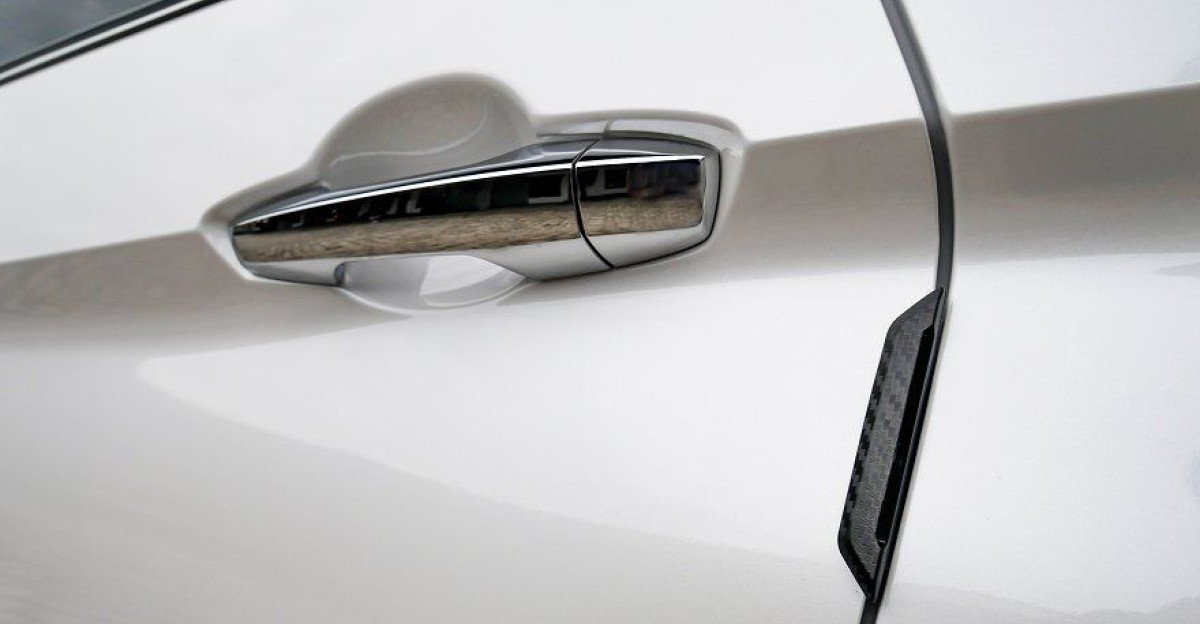
Door edge guards, pinstripes, and trim add-ons get grouped into what dealers call an “appearance package”, implying something substantial and premium. The reality is that stick-on plastic strips and cheap trim pieces with minimal materials and almost no labor cost, yet they appear on the buyer’s order as hundreds of dollars. Because they’re bundled and pre-installed before you walk in, dealers count on your reluctance to renegotiate. Tell the finance office you want them removed. If you’re refused, make it a deal-breaker.
9. Rustproofing
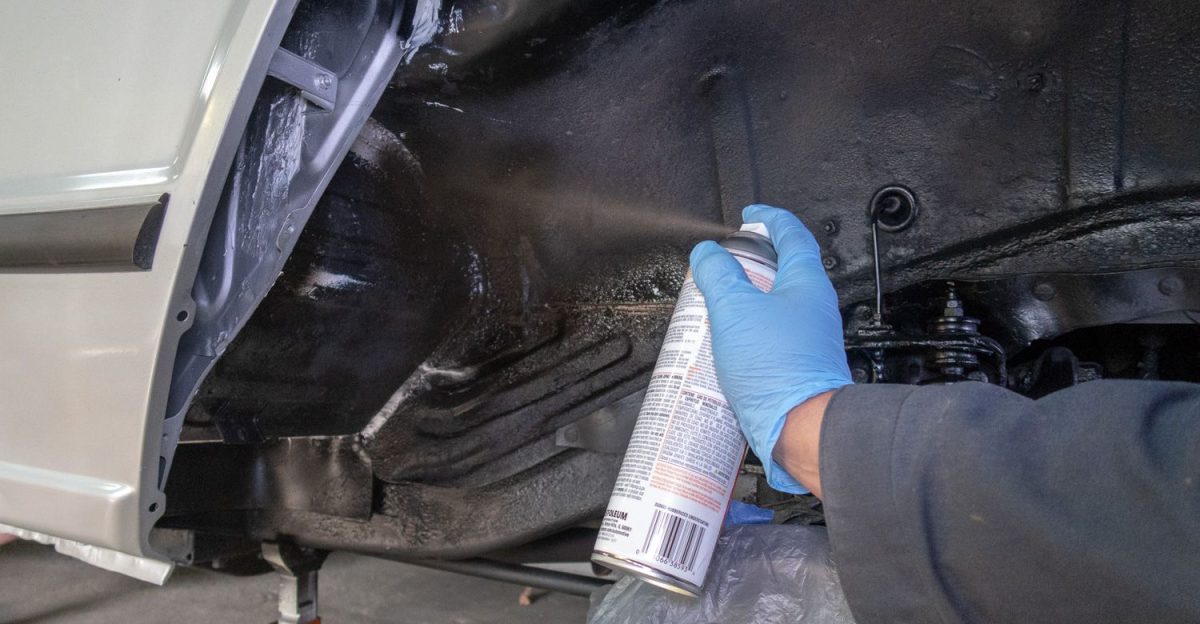
Rustproofing was essential in the 1980s and 1990s when vehicle underbodies were genuinely vulnerable to corrosion . But modern cars leave the factory with galvanized steel and multiple layers of factory-applied rust protection already built into the warranty. Dealers still sell it as a necessary safeguard, sometimes for $1,000 or more. Worse, aftermarket drilling or spray applications can actually void portions of your manufacturer’s warranty. For most buyers of new vehicles today, dealer rustproofing is money poured directly into dealership profit.
10. Prepaid Maintenance Plan
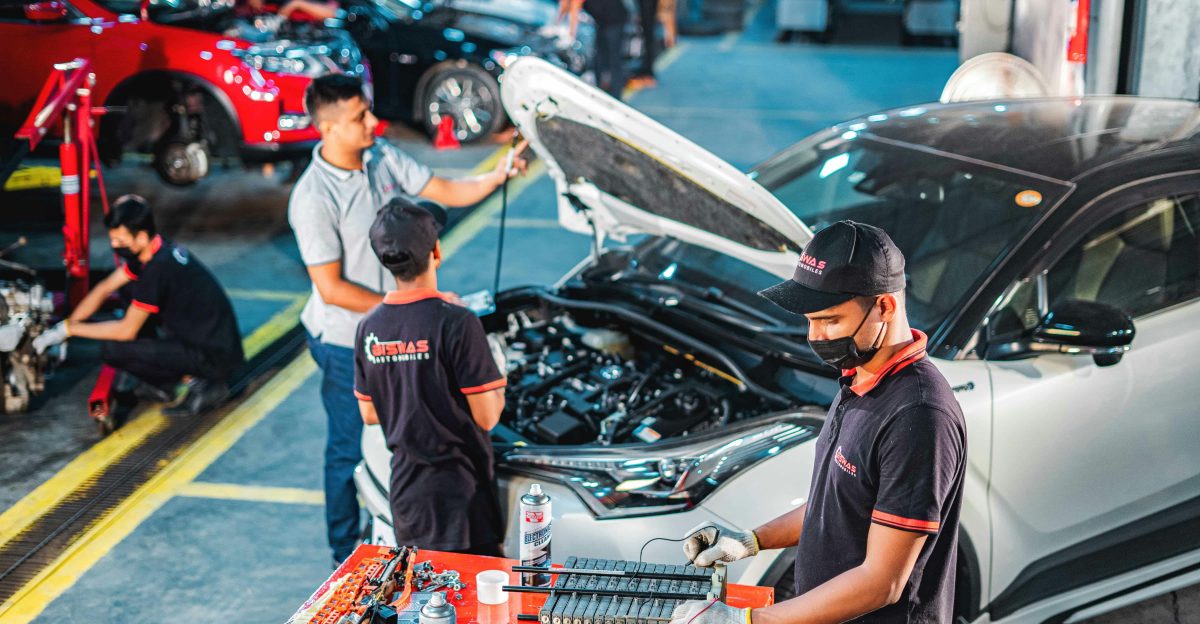
A prepaid maintenance plan sounds like smart budgeting, pay upfront, cover your oil changes and scheduled services for years. But Consumer Reports analysis shows these plans can cost more than simply paying for the same services out of pocket, even at the dealer’s own service rates . If you finance the plan into your loan, you’re also paying interest on it. Read the fine print before agreeing to anything. In many cases, you’ll come out ahead by simply scheduling maintenance as needed.
Sources:
“FTC Warns 97 Auto Dealership Groups About Deceptive Pricing.” Federal Trade Commission, 11 Mar. 2026.
“Just Say No to These Car Dealership Extras.” Consumer Reports, Apr. 2023.
“Gap Insurance Companies: Everything You Need to Know.” Car and Driver, 2021.
“Prepaid Car Maintenance Plans: Are They Worth the Cost?” Consumer Reports, 18 Jul. 2024.