‘Cut Off All Trade With Spain’ Threat Throws 500K Auto Jobs Under A $35.6B Bus
Six words landed like a diplomatic grenade across the Atlantic. “We’re going to cut off all trade with Spain,” President Trump announced on March 4, 2026, as casually as ordering coffee. Spain’s crime? Refusing U.S. military base access for Iran operations. Thousands of miles northwest, Canadian negotiators preparing for the biggest trade renegotiation in three decades heard something the headlines missed. That threat wasn’t really about Spain—it was a preview of what’s coming for everyone.
Loaded Table

The mandatory CUSMA review opens later this year, and the stakes were already sky-high before anyone sat down. Canada’s auto sector supports over 500,000 workers and relies heavily on integrated North American supply chains. U.S. auto imports to Canada totaled $35.6 billion in 2024. Both countries had already imposed 25% tariffs on vehicles—the U.S. struck first on April 3, 2025, and Canada retaliated on April 9, targeting non-compliant vehicles. Two allies, already bleeding economically, are now facing formal renegotiation with live ammunition on both sides.
False Comfort

Trade Minister Dominic LeBlanc told reporters on February 26 he was “not pessimistic” about renewing the trilateral framework because it’s in the American economic interest to do that.” His evidence? When Washington rolled out new auto tariffs, it quickly committed to exempting CUSMA partners that met the rules of origin. That exemption seemed to prove that the deal still mattered to the administration. Most observers stopped reading there, assuming economics would protect the agreement like it always does. That assumption didn’t survive the week.
The Real Playbook

Six days after LeBlanc’s confidence-building speech, Trump threatened to sever all trade with Spain over access to a military base—not an economic dispute but a geopolitical demand. Not tariffs. Not quotas. Complete severance. Meanwhile, CUSMA goods kept their exemption from broader tariff threats. That contrast exposed the entire power structure. Trump preserves trade deals he needs economically while destroying trade relationships with nations that defy him geopolitically. The exemptions aren’t generosity—they’re leverage. And the 2026 review is when he decides how hard to pull it.
Conditional Privilege

The hidden architecture works like this: CUSMA exemptions function as pressure relief valves. Trump can threaten allies broadly while preserving critical supply chains, maintaining economic pressure without triggering immediate industrial collapse. The remission framework Canada implemented for auto producers reveals the flip side—it incentivizes Canadian production in exchange for tariff relief, shifting leverage from governments to individual corporations. One partner offers protection in exchange for compliance. The other pays tribute for market access. That’s not partnership—that’s a protection racket with thirty years of precedent behind it.
The Numbers Bite

Canada’s 25% countermeasures on non-CUSMA-compliant U.S. auto imports created significant tariff exposure across the $35.6 billion baseline of vehicle trade. The sector supports over 500,000 jobs in total, with 125,000 direct manufacturing positions at risk if disputes remain unresolved. LeBlanc cited three decades of prosperity as a foundation for renewed confidence, but those same three decades also built dependency. Now that dependency is the weapon being held against Canadian negotiators. Economic integration was supposed to be armor. It turned out to be a hostage situation.
Ripple Outward
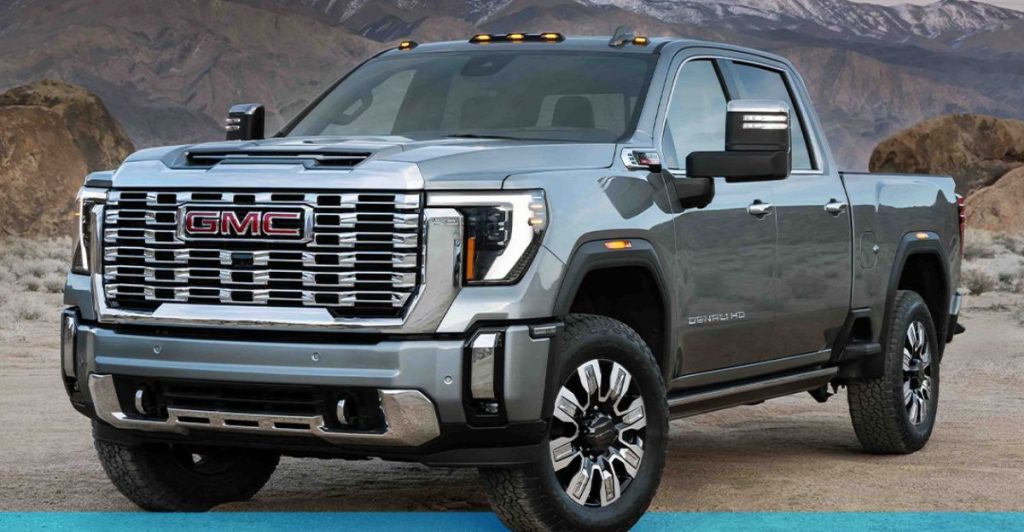
If the 2026 review fails to reach consensus, the agreement doesn’t die immediately—it enters annual reviews, locking three nations into chronic uncertainty. Analysts worry that OEMs like GM, Ford, Stellantis, Toyota, and Honda could begin restructuring their supply chains, potentially consolidating production within U.S. borders and reducing Canadian parts sourcing. Auto parts suppliers face margin compression risks. U.S. vehicle prices could climb as fragmentation increases production costs across North America. Half a million Canadian jobs built on seamless integration. Integration requires trust. Trust just walked out the door.
The New Rule
This isn’t an isolated case anymore. Spain refused base access and faced threats of total trade severance. Britain refused similar demands and issued comparable warnings. The pattern establishes precedent: all future U.S. trade agreements become conditional on non-economic compliance. Military alignment. Immigration enforcement. Energy supply commitments. NATO spending floors. The 2026 CUSMA review represents the world’s largest free trade bloc entering renegotiation under rules that didn’t exist when the original agreement launched seven years ago. Once you view trade as a loyalty test, every exemption looks temporary.
No Exit

Canada consulted with industry sectors twice in the fall of 2025 and continues to host sectoral meetings to build its negotiating arguments. That preparation timeline reveals something uncomfortable: Ottawa expects this fight to get ugly. The countermeasures already deployed against U.S. auto imports suggest that Canada is preparing for scenarios of renegotiation failure, not just negotiating for success. Japan, South Korea, and the EU face identical exposure to weaponized trade policy. Any nation unwilling to comply with the administration’s broader geopolitical agenda faces the same treatment. The escalation ladder runs straight through late 2026 and into 2027.
The $35.6B Question

Canada and Mexico still have counter moves available. They could accelerate EU trade negotiations, creating alternative supply chain options outside North American dependence. Labor unions could lobby the U.S. Congress directly, leveraging the interests of American auto workers. OEMs could threaten production shifts to Mexico despite tariffs if the renegotiation terms prove unreasonable. LeBlanc’s optimism rests on one core bet: that Trump needs this deal as much as Canada does. After watching the Spain threat unfold, that bet looks shakier. Trade deals are no longer about trade—they’re permission slips. And the price of admission just changed.
Sources:
RTHK News, Trump threatens to cut off all trade with Spain, March 4, 2026
Department of Finance Canada, Canada announces entry into force of countermeasures against auto imports from the United States, April 2025
Canadian Press, LeBlanc ‘not pessimistic’ about CUSMA’s future, February 26, 2026
Global Affairs Canada, (no specific article title cited), undated
Reuters, Trump threatens to halt US trade with Spain over military bases, March 3, 2026
Government of Canada, Canada’s response to U.S. tariffs on Canadian goods, April 2025