CT’s Worst-in-Nation Speed Record Drives $200-Fine Highway Camera Plan Forward
Connecticut lawmakers are advancing a highway speed camera program after a unanimous committee vote the past week. The proposal, led by State Senator Christine Cohen, introduces a tiered fine system starting at $75 and rising to $200 for repeat offenses, targeting drivers exceeding limits by 15 MPH. Backed by state safety officials and challenged by privacy concerns, the plan reflects rising crash data and enforcement gaps, setting up a debate that blends urgency, accuracy, and public trust.
Who Is Driving The Proposal
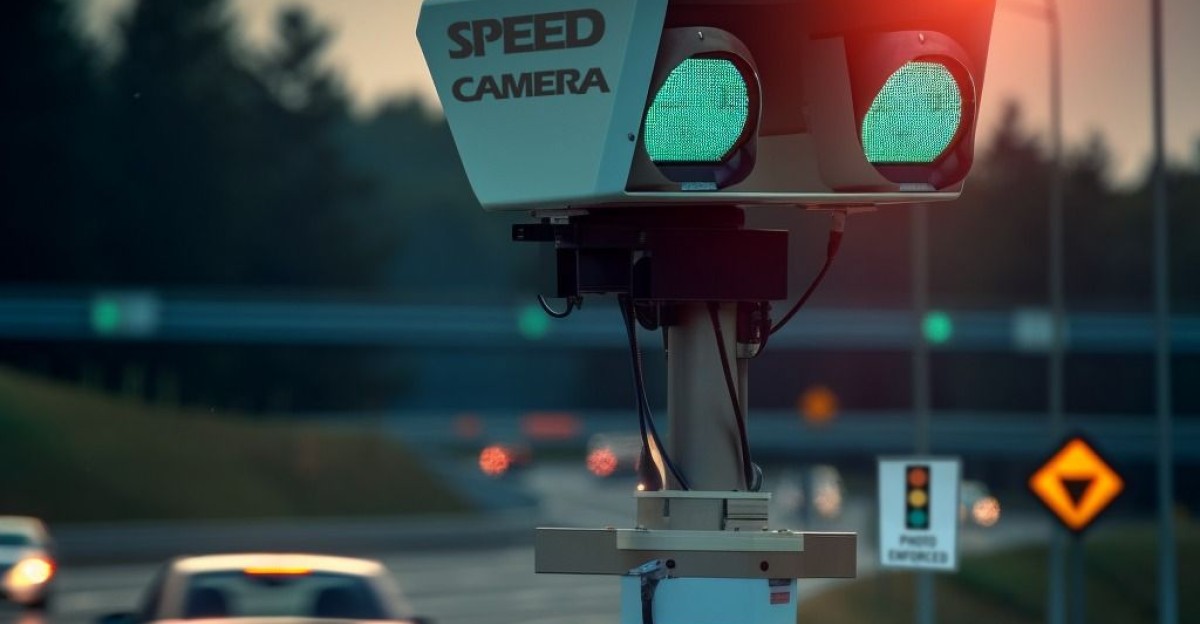
During the week of March 17, 2026, the Connecticut General Assembly’s Transportation Committee unanimously advanced the speed camera proposal. State Senator Christine Cohen, who chairs the committee, emphasized the state’s safety concerns, stating, “Connecticut ranks among the states with the highest fatalities from speed-related collisions. We are currently at No. 14, and that is a ranking we certainly wish to avoid”. This statement directly challenges the headline’s claim of being worst in the nation. Executive agencies and safety officials have also aligned behind the initiative, reinforcing its urgency.
Officials Frame Safety As Priority

State agencies have consistently tied the proposal to public safety goals. CTDOT Commissioner Garrett Eucalitto stated on January 28, 2026, “While we are encouraged by the reduction in fatalities, even one death on our roadways is too many”. Commissioner Ronnell A. Higgins added, “targeted enforcement has helped to decrease fatal collisions on roadways patrolled by the Connecticut State Police by 26 percent”. Colonel Daniel Loughman reinforced that “enforcement, education, and responsible driving all play a role in preventing serious crashes”. These coordinated messages highlight a broader strategy already underway across departments.
Opposition Raises Privacy Concerns

Not all lawmakers support automated enforcement. State Representative Seth Bronko voiced concerns about civil liberties and data protection, stating, “I have significant worries about civil liberties and the safeguarding of personal information”. He also emphasized, “I prefer law enforcement to be the primary authority on law enforcement”. His position reflects a broader debate over automation versus traditional policing. The proposal shifts part of enforcement away from direct officer interaction, raising questions about accountability, privacy, and oversight that remain unresolved. How much authority should technology hold in daily enforcement decisions?
Who Will Feel The Impact
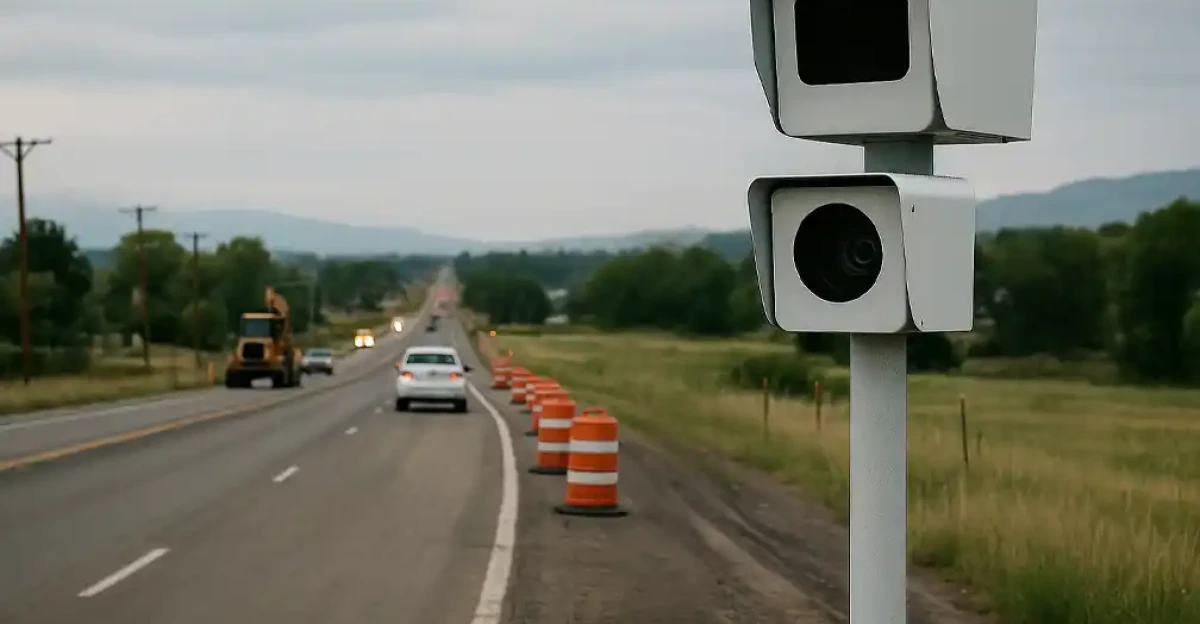
The proposal affects more than policymakers in Hartford. Connecticut drivers using highways such as I-95 and I-84 face increased monitoring, especially those with long daily commutes. Commercial trucking operators moving through the I-95 Northeast Corridor could see rising operational costs from repeated citations. Small businesses relying on time-sensitive deliveries may also feel downstream financial pressure. At the same time, Connecticut State Police could see reduced patrol strain due to staffing challenges. The system would reshape how enforcement is distributed across agencies and industries.
What The Data Actually Shows
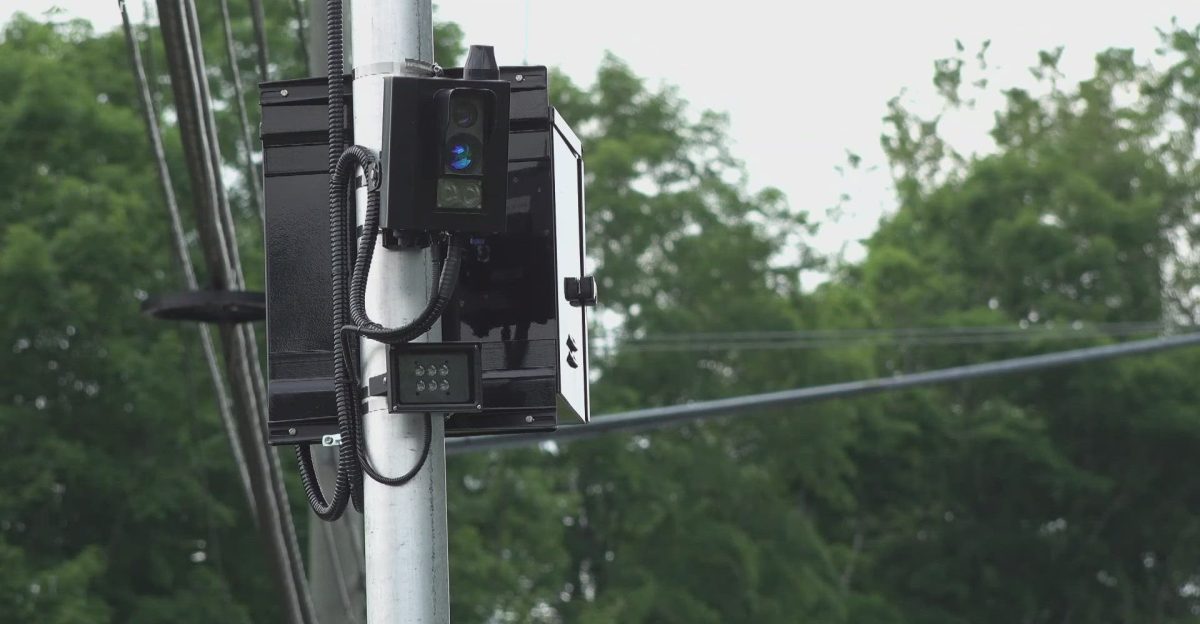
Federal 2023 figures show Connecticut recorded 308 traffic fatalities, with about 34% linked to speeding, placing the state outside the highest-risk tier nationally. States like Hawaii and Rhode Island reported far higher percentages, reaching 58% and 45%.
What The Bill Actually Does
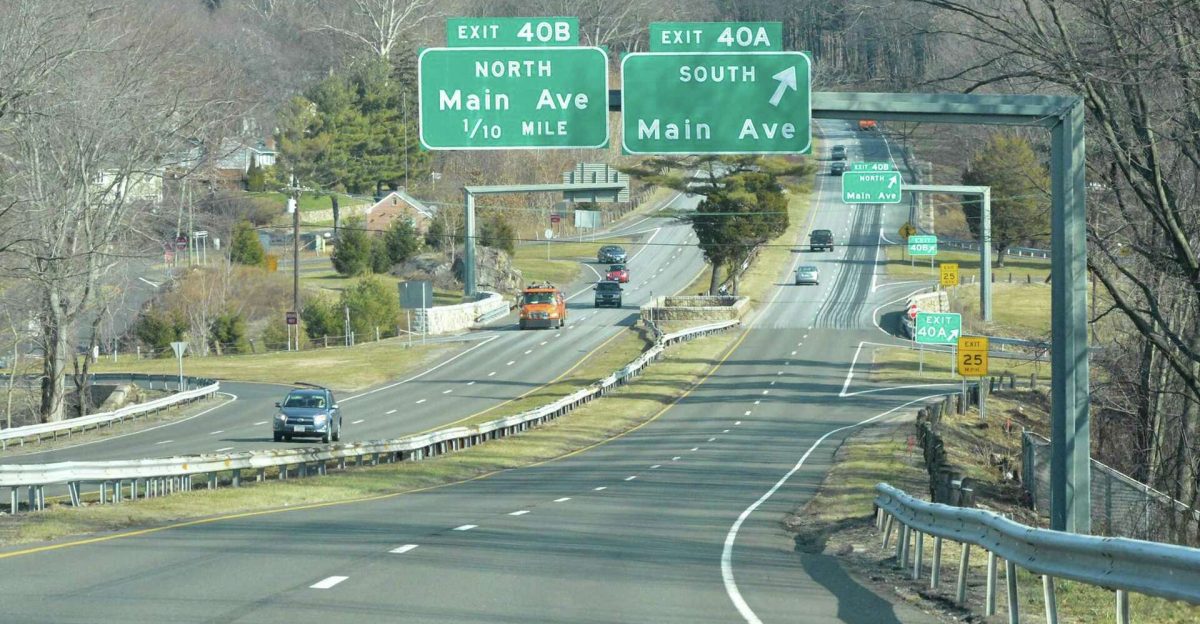
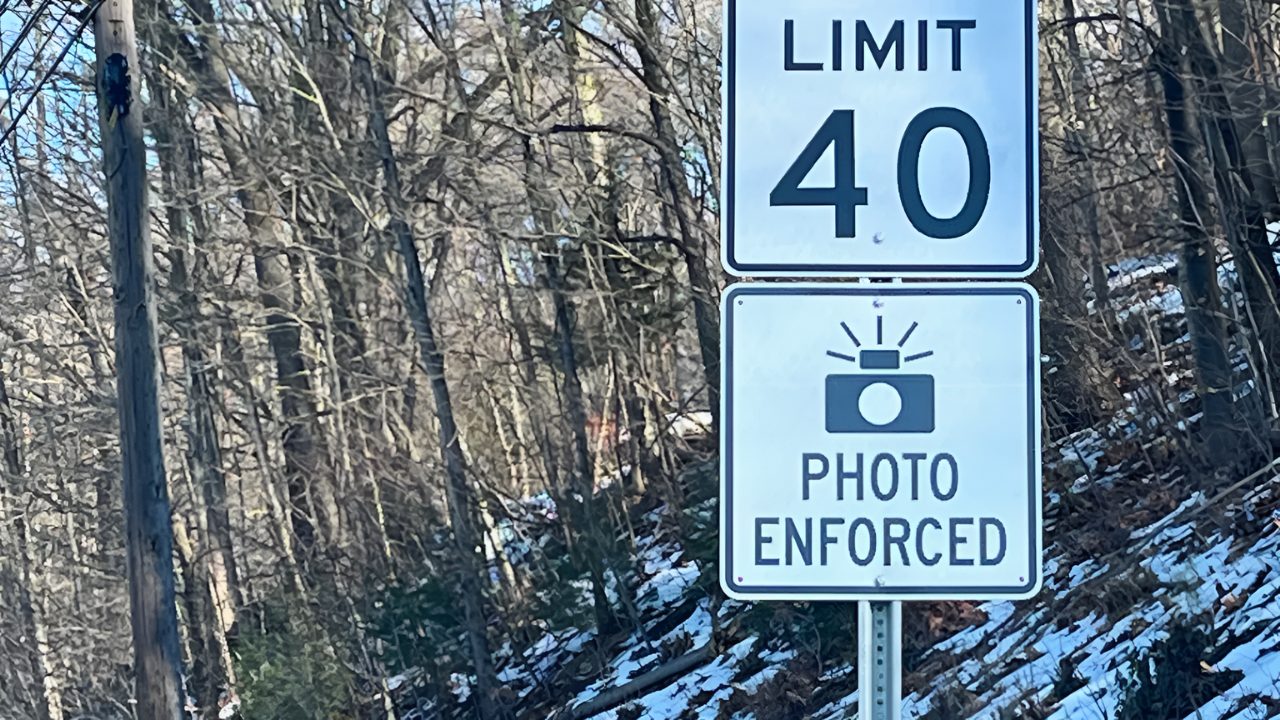
The legislation authorizes a pilot program placing speed cameras on limited-access highways including I-95, I-84, and the Merritt Parkway. Drivers are only cited when exceeding the speed limit by at least 15 MPH. Cameras capture license plates, not faces or occupants. A Connecticut State Police officer must review each case before a citation is issued. Fines are civil, not criminal, meaning no license points are added. Vendor payments are not tied to ticket volume. These provisions define the system’s safeguards and operational structure.
A Timeline Shaped By Rising Fatalities

Connecticut’s road safety record explains the urgency. Fatalities were under 200 in 2019, then climbed to nearly 350 in 2022. In 2023, 308 deaths were recorded, followed by 312 in 2024. The state reported 274 fatalities in 2025, a 12% decline, while pedestrian deaths rose 6% and bicycle fatalities increased 67%. Early 2026 data shows 12 deaths by January 27 compared to 23 during the same period in 2025. The numbers show improvement, but levels remain above pre-pandemic trends, keeping pressure on lawmakers.
Why Cameras Enter The Equation
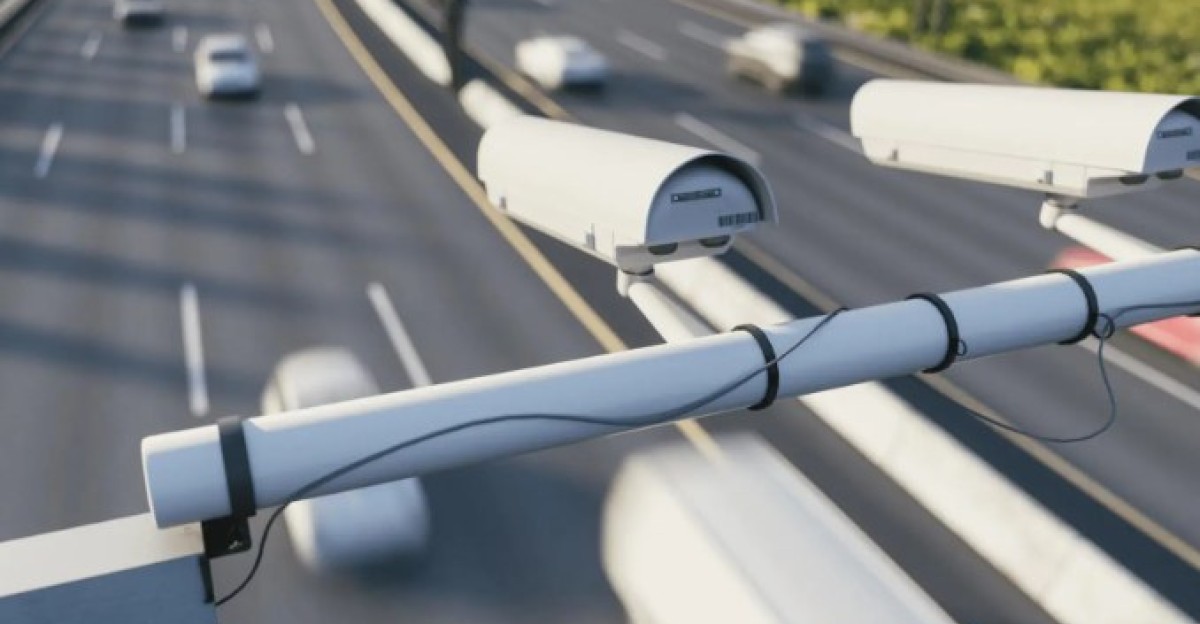
Speeding remains a leading factor in serious crashes nationwide. In 2023, 11,775 people were killed in speed-related incidents, accounting for 29% of all traffic fatalities. Connecticut’s own data shows fluctuating speed-related deaths with no consistent decline. At the same time, State Police face staffing shortages that limit enforcement capacity. Federal safety frameworks already recognize that patrol alone cannot address speeding. Automated cameras are being introduced as a supplement rather than a replacement, aligning Connecticut with strategies used in other major jurisdictions.
How Enforcement Would Work In Practice
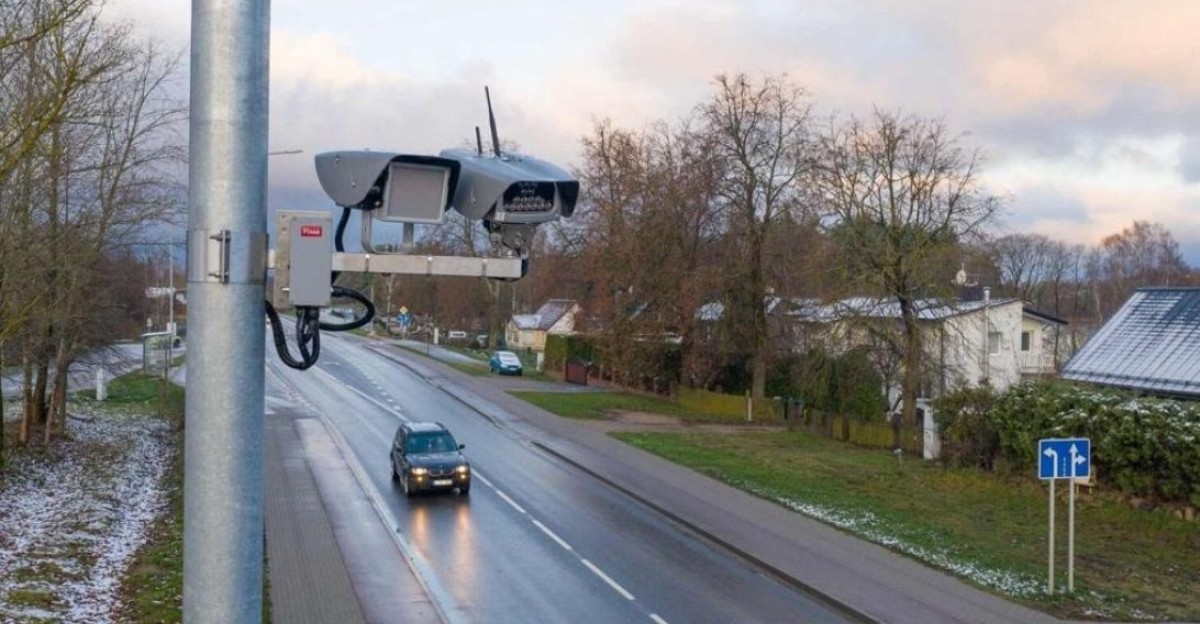
The system follows a defined process. Cameras detect vehicles exceeding the speed limit by 15 MPH or more and capture license plate data. A State Police officer reviews the evidence before a citation is issued, ensuring human oversight. The registered owner receives a $75 fine for a first offense and $200 for a second violation within the same year. No traffic stop occurs, and no license points are added. As the proposal moves toward a final vote before May 6, 2026, its real impact will depend on implementation and public response.
Source:
“Connecticut may bring speed cameras to highways. Here’s how it would work.” Hartford Courant / Yahoo News, March 22, 2026
“Speed Cameras Could Be Coming to CT Highways — What To Know.” Patch, March 17, 2026
“Connecticut’s Transportation Committee approves bill for speed cameras on highways.” Fox 61 News, March 17, 2026
“CT lawmakers advance bill to install cameras on highways.” Fox 61 News, March 18, 2026
“Connecticut Bill Would Expand Speed Camera Use on Highways.” Government Technology, April 28, 2025
“Traffic Safety Fact Report: 2023 Data — Speeding.” NHTSA CrashStats, 2024
“Safe System Approach for Speed Management.” Federal Highway Administration (FHWA), 2023