Costco Builds Largest Gas Station In Its History And Bans Non-Members From Every Pump
Costco is opening the largest gas station in its history in Mission Viejo, California, by late June 2026, and it breaks a 31-year tradition. The 40-pump, 17,000-square-foot site operates without a warehouse and requires a membership card at every pump. The move comes as fuel prices surged after February 28, 2026, pushing national averages near $3.97 and local prices above $6. Costco’s lower pricing turns gasoline into a major draw on its own. By separating fuel from stores for the first time, the company is testing a model that could reshape how membership retail expands.
Prices Spike And Timing Aligns Perfectly
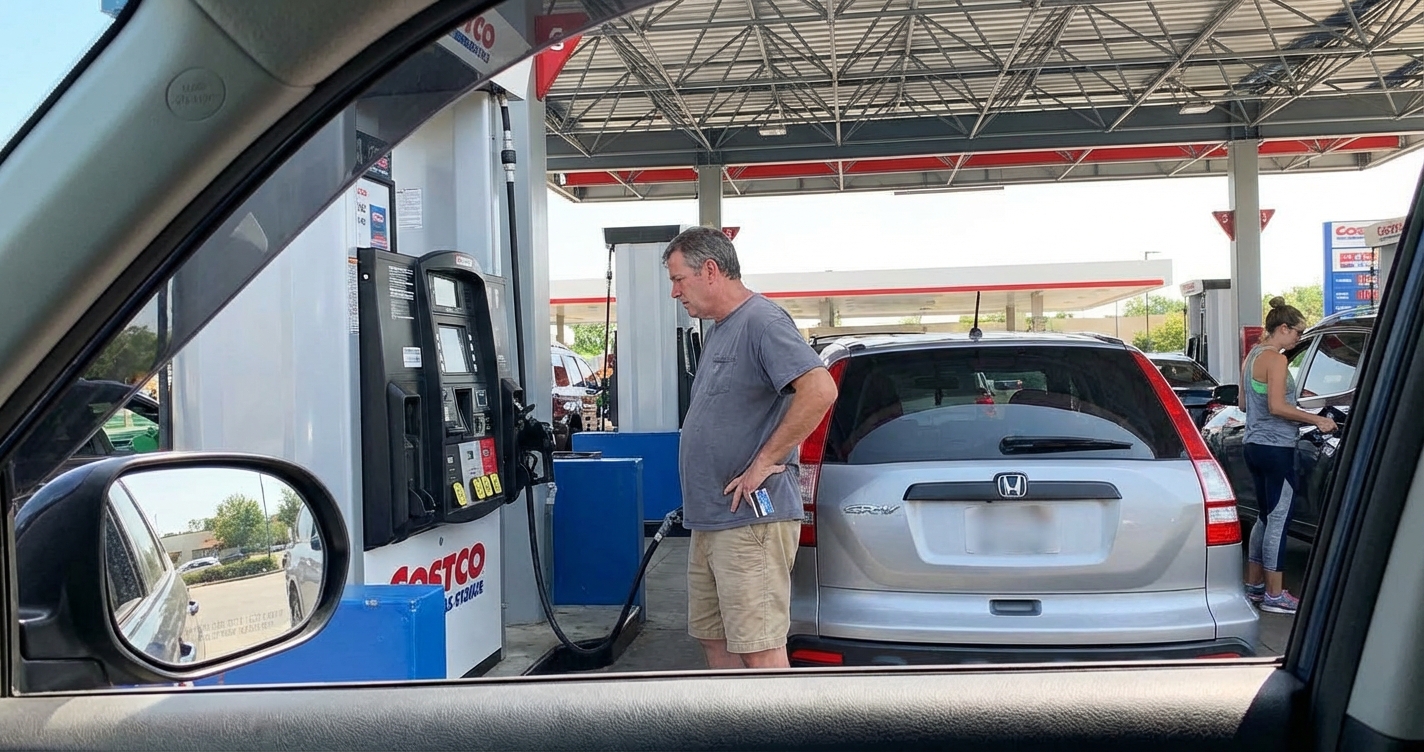
On February 28, 2026, conflict involving Iran sent oil markets into turmoil. In the weeks that followed, crude prices surged more than 40%, with Brent topping $105 per barrel. The U.S. average for regular gasoline jumped from $2.95 on February 24 to $3.97 by late March. In Mission Viejo, drivers now face $5.90 to $6.35 per gallon at most stations, while Costco prices sit at $5.69. That difference, once modest, became a serious household saving. Costco moved quickly as price pressure peaked, turning fuel into a destination rather than an add-on, and that urgency builds on a long-standing strategy.
Three Decades Of One Proven Formula
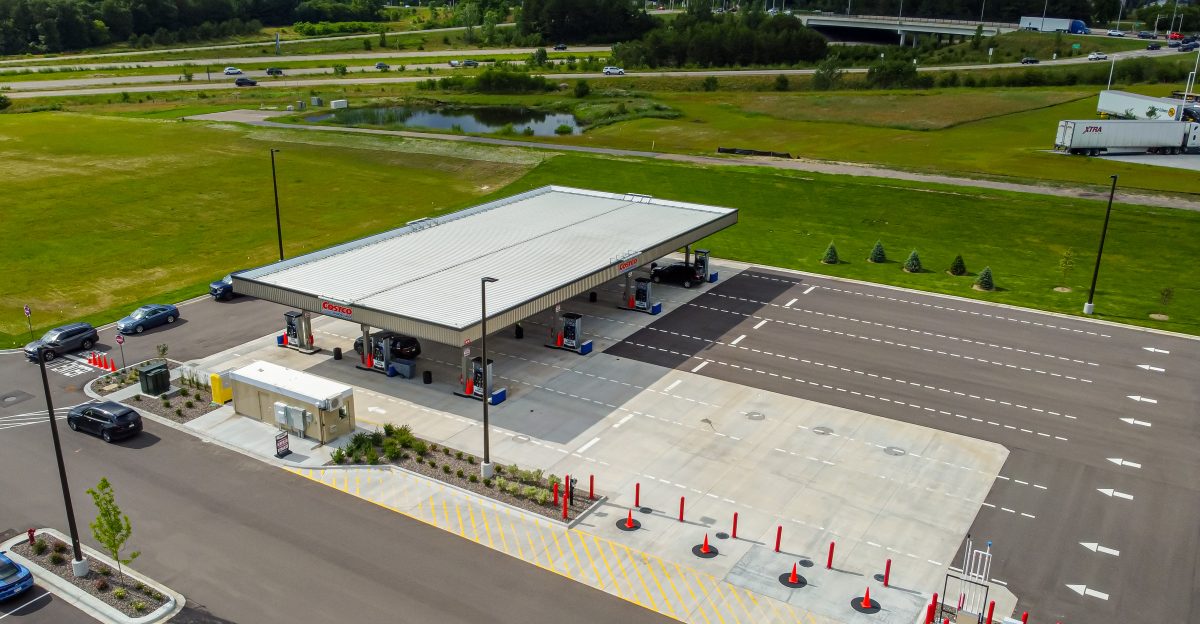
Costco began selling gasoline in 1995, and every station since has been attached to a warehouse. By fiscal 2025, the company operated 747 gas stations globally, all tied to stores. The logic remained simple. Fuel attracts members, and about 50% continue inside to shop. That cross-shopping behavior helped drive sales, but it also meant the other 50% left without entering the warehouse. Parking congestion grew, and half the traffic produced no retail gain, setting up a question about whether that model could evolve.
A CFO Statement Turns Into Strategy
CFO Gary Millerchip explained customer behavior clearly: “When prices are higher, that will tend to cause members to maybe take the extra mile that it might involve to get to the gas station because of the incremental value they see there.” That insight shaped the new approach. Costco removed the extra mile by placing a standalone station just 2.5 miles from its nearest warehouse. No congestion, no detours, just access. The company translated member behavior into a physical strategy, raising a bigger question about its pricing engine.
The Membership Model Powers Everything
Costco generates over $5 billion annually from membership fees, accounting for roughly two-thirds of operating income. Fuel margins remain near zero, yet that is intentional. Gasoline exists to reinforce membership value rather than generate profit. Competitors like Chevron, BP, and Shell rely on per-gallon margins to survive. Costco does not. The company uses fuel the same way subscription platforms use exclusive content. A benefit that keeps customers paying. This structure creates an advantage others cannot easily replicate, and the numbers behind it make that clear.
Numbers That Justify The Bold Move
Costco members typically save about $0.20 per gallon compared to nearby stations. At 400 gallons annually, that offsets the $65 membership fee through fuel alone. Fuel accounts for 10% of total net sales, and Costco controls about 4% of U.S. fuel volume despite requiring membership. Renewal rates reached 93% worldwide in fiscal 2024. Executive members, representing over 47% of memberships, drive 73.1% of global sales. These figures explain why a gas-only location could succeed, but they also point toward competitive pressure building fast.
Traditional Gas Stations Face Immediate Pressure
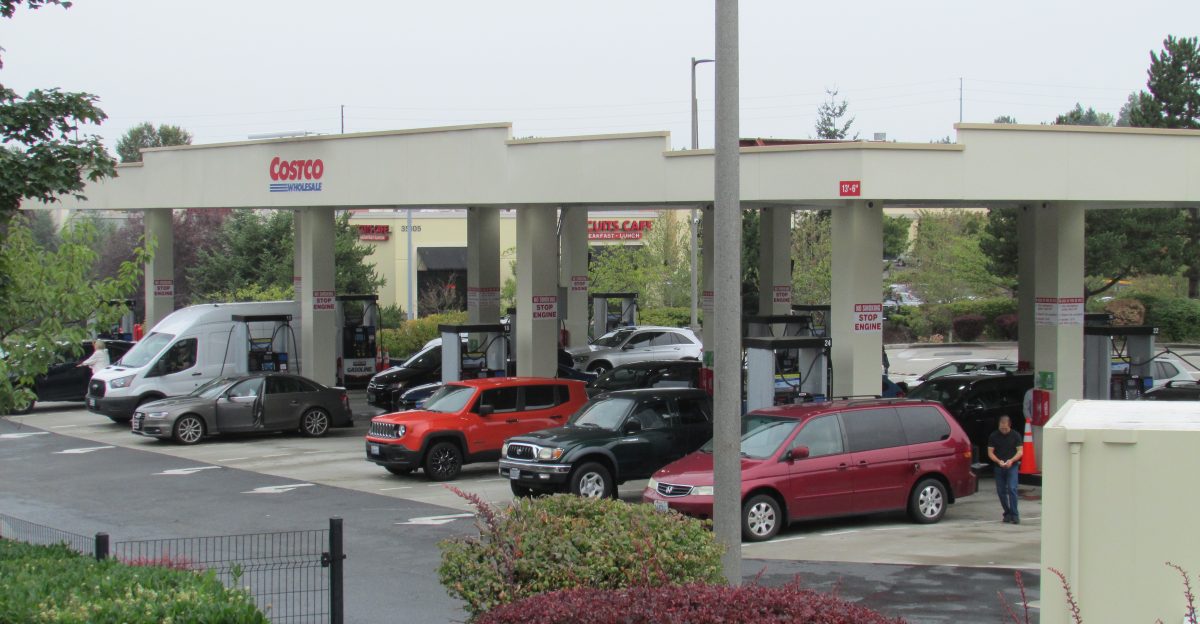
In Orange County, traditional stations now face a pricing challenge they cannot match. Costco’s model allows lower prices because revenue comes from memberships, not fuel margins. Companies like Circle K and Chevron depend on per-gallon profit, limiting their ability to compete. Some may shift focus toward food, beverages, and lottery sales. Others could exit certain markets altogether. Costco already plans another 40-pump standalone station in Honolulu’s Kapalama Kai development, signaling expansion intent, and that raises the question of how far this model could extend.
A Blueprint For A New Retail Network
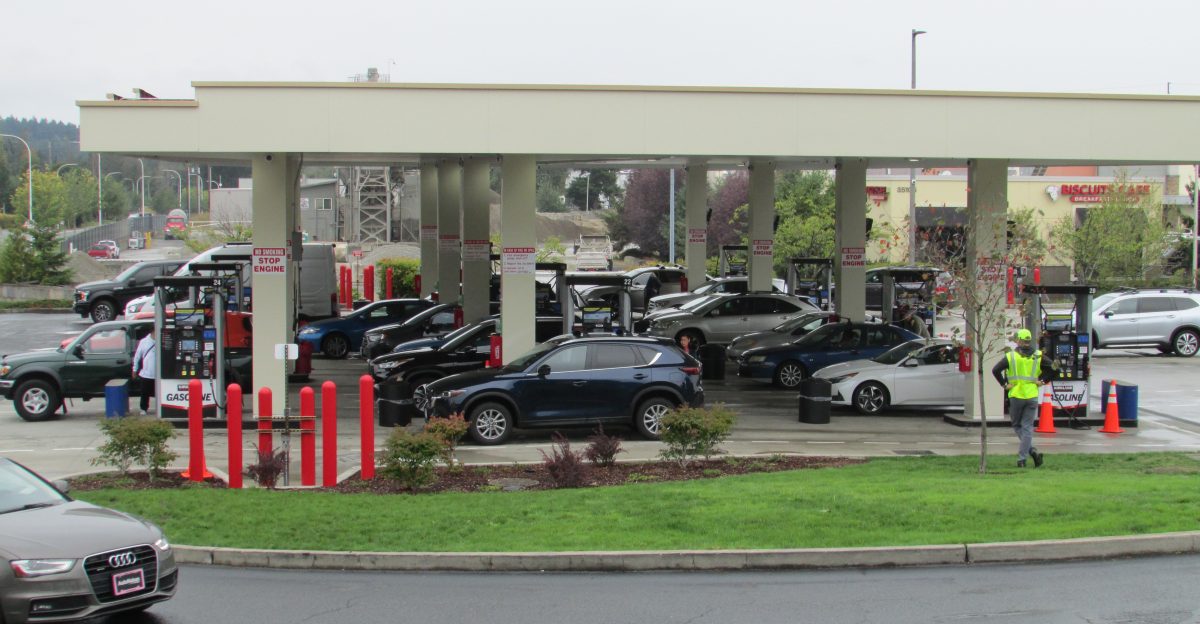
The standalone station signals more than a fuel strategy. It reframes Costco’s entire business model. Membership becomes access to lower pricing across categories, not just within warehouses. If fuel-only sites succeed, similar concepts could emerge in pharmacies, auto services, or compact retail hubs in dense areas. The model centers on fee-subsidized pricing rather than location-based shopping. The Mission Viejo site becomes a testing ground for a broader network, and its early performance will determine how quickly that network expands.
The Risk That Comes With Expansion
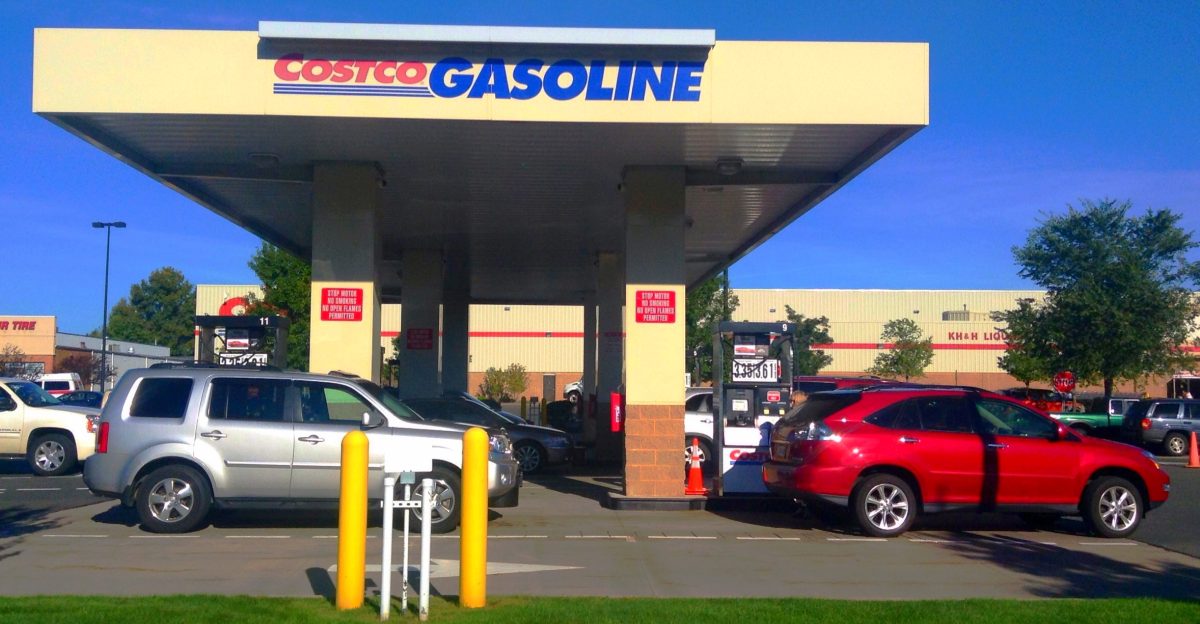
Costco faces a measurable risk. If standalone fuel locations reduce warehouse visits, the 50% cross-shopping rate could decline. That means fewer impulse purchases and lower in-store revenue. The company appears focused on membership renewal as the primary metric instead. With over 140 million members and a 93% renewal rate, that bet has strong support. Analysts are expected to evaluate results within 90 days of opening, focusing on fill-up frequency and new memberships, leaving one final question about how competitors will respond.
Competitors Prepare For The Next Move
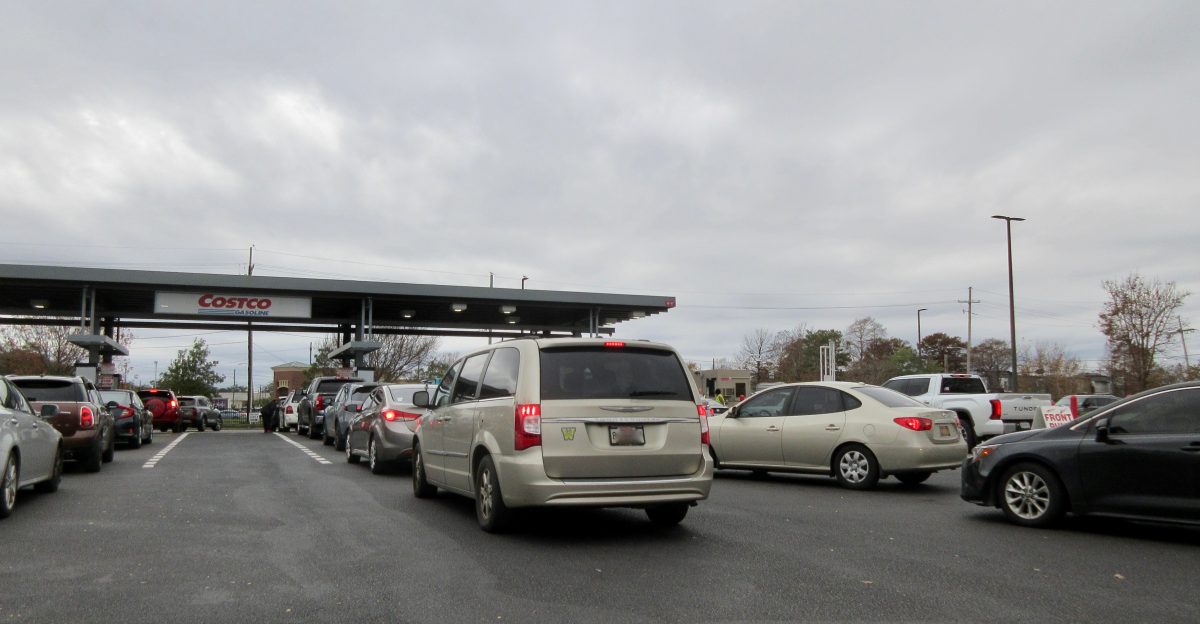
Rivals are unlikely to ignore this shift. Sam’s Club already operates fuel stations, while Amazon and Whole Foods have explored membership-linked perks. If Costco’s standalone model performs well, similar concepts could appear within 18 months. Competitors may expand rewards programs, pursue mergers, or strengthen convenience offerings. Yet none match Costco’s $5 billion membership revenue advantage. The Mission Viejo station stands on the site of a failed retailer, and its success or failure will shape how fuel and retail intersect across the country.
Sources:
“Costco’s First Standalone Gas Station Coming to Mission Viejo.” KFI AM 640, March 18, 2026
“Costco’s first standalone gas station to open by late June.” Yahoo Finance / C-Store Dive, March 18, 2026
“Costco building another standalone gas station.” C-Store Dive, March 8, 2026
“Costco shares good news as gas prices spike.” Yahoo Finance / TheStreet, March 17, 2026
“As gas prices soar, Costco membership pays off more.” TheStreet, March 24, 2026
“Iran War 2026: Why Oil Prices Are Surging Again.” MEXC Exchange / citing NPR and CNBC, March 17, 2026
“Costco is about to open its first stand-alone gas station.” Fortune, June 16, 2025