Consumer Reports Names Only 5 Cars That Dodge Dealer ‘Junk Fee’ Traps—FTC Hunting Nationwide
American car buyers collectively paid more than $26 billion in destination charges in 2025, a fee so obscure that most shoppers don’t realize it exists until they’re at the dealership signing papers. Now, Consumer Reports has identified the five vehicles carrying the lowest such fees in 2026, offering a clear roadmap for buyers determined to control hidden costs. The findings reveal a startling pattern: not a single American-made vehicle made the list.
The Fee You Cannot Escape

Destination charges are mandatory fees automakers add to every new vehicle to cover the cost of transporting it from the factory to the dealership. Unlike optional add-ons, these fees are non-negotiable, cannot be removed, and are baked into the final purchase price. Some manufacturers deliberately advertise sticker prices without them to display a lower number. In 2026, destination charges now range from $1,150 at the low end to a jaw-dropping $3,250 at the high end, according to Consumer Reports data.
67% Jump in a Decade

The average destination fee has surged 67%, climbing from $952 in 2015 to $1,592 in 2026, according to Edmunds data compiled by Autoblog. Year-over-year increases have dramatically accelerated: since 2023, the average annual increase in destination fees has risen over 157%, from a $56 average increase in 2023 to $144 per year in 2026. What was once a cost of a couple of hundred dollars has quietly become one of the largest hidden expenses in the car-buying process.
“Less Transparent to the Consumer”

Industry insiders say the trend is deliberate. “It’s a way to raise prices that is, shall we say, less transparent to the consumer,” said John Morrill, a Massachusetts car dealer, in an interview with The Wall Street Journal. “Carmakers have raised them a lot, certainly faster than they’ve raised prices.” The Journal found that much of the increase is directly linked to tariff-related cost pressures, giving automakers cover to shift costs into line items that buyers routinely overlook until final contract signing.
Pickup Trucks Hit Hardest
No vehicle segment has absorbed steeper destination charge hikes than full-size pickups. The Ford F-150, America’s best-selling vehicle, carried a $1,695 destination fee in 2020 that has since climbed to $2,595 for the 2025 model year, a $900 surge in five years. The 2026 model year fee has since risen further to $2,795, according to Cars.com. General Motors raised its destination fees three times since April 2025, pushing the Chevrolet Silverado’s charge from $1,995 to $2,795, a 40% jump in under one year. The Cadillac Escalade IQL electric SUV carries one of the highest destination charges among domestic vehicles at $2,895, though Alfa Romeo’s Giulia, Stelvio, and Tonale claim the true industry high at $3,250, according to Consumer Reports.
Tariffs Hidden in Plain Sight

Industry analyst Sam Abuelsamid, vice president of market research at Telemetry, says automakers are using destination charges as a quiet mechanism to absorb tariff costs. “They are hiding some of the tariff costs in the destination charge,” Abuelsamid told USA Today. “Because you can’t opt out of the delivery charge even if you live next to the factory and pick your vehicle at the gate. It should just be part of the price.” His remarks underscore growing concern that these fees function as an invisible, unavoidable price hike on consumers nationwide.
The 5 Cars With the Lowest Destination Charges

Consumer Reports’ 2026 data identified five vehicles with the nation’s lowest destination charges. All five are foreign-brand models, and Consumer Reports confirmed that no U.S.-made vehicle achieved an average destination cost below $1,235 in 2026, a significant domestic cost disadvantage for budget-conscious buyers.
1. Mercedes-Benz S-Class

The Mercedes-Benz S-Class leads the list with the lowest destination charge of any new vehicle in 2026 at just $1,150, according to Consumer Reports. Despite its luxury positioning and premium price tag, the S-Class offers buyers a rare cost advantage over far less expensive domestic models when it comes to mandatory fees. It represents a savings of more than $1,000 compared to the top domestic destination charges currently on the market.
2. Toyota Corolla
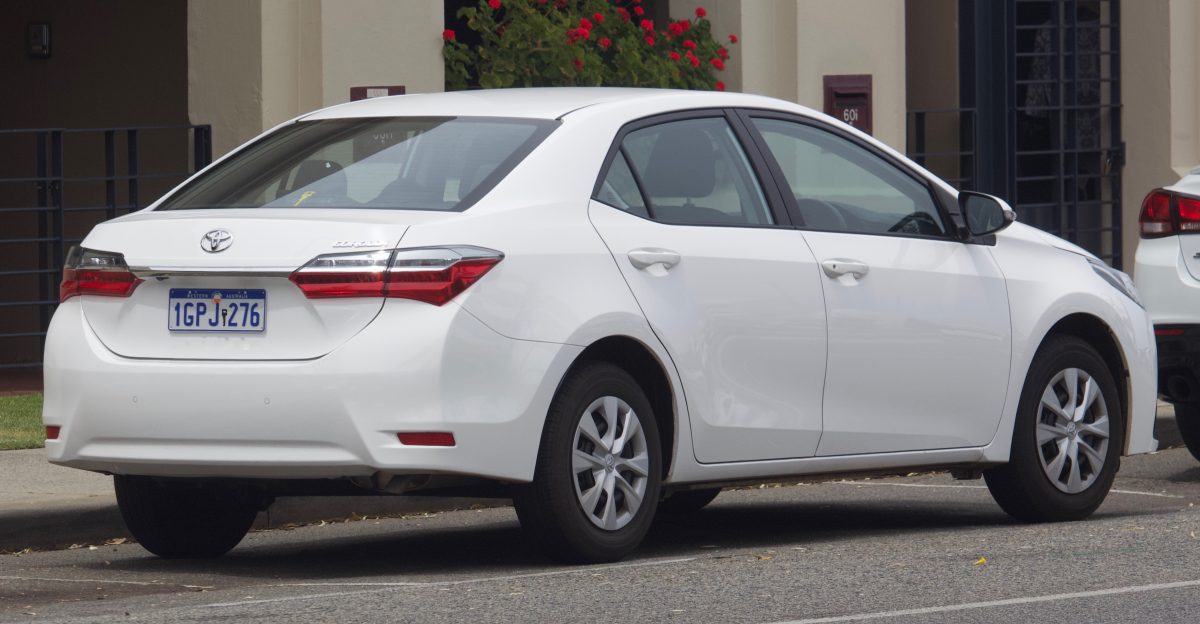
The Toyota Corolla comes in a close second with a $1,160 destination charge, making it the most fee-efficient non-luxury vehicle on the list. As one of the world’s best-selling cars, the Corolla’s competitive destination fee reinforces its long-standing reputation as one of the most cost-conscious purchases available to American buyers.
3. BMW X5
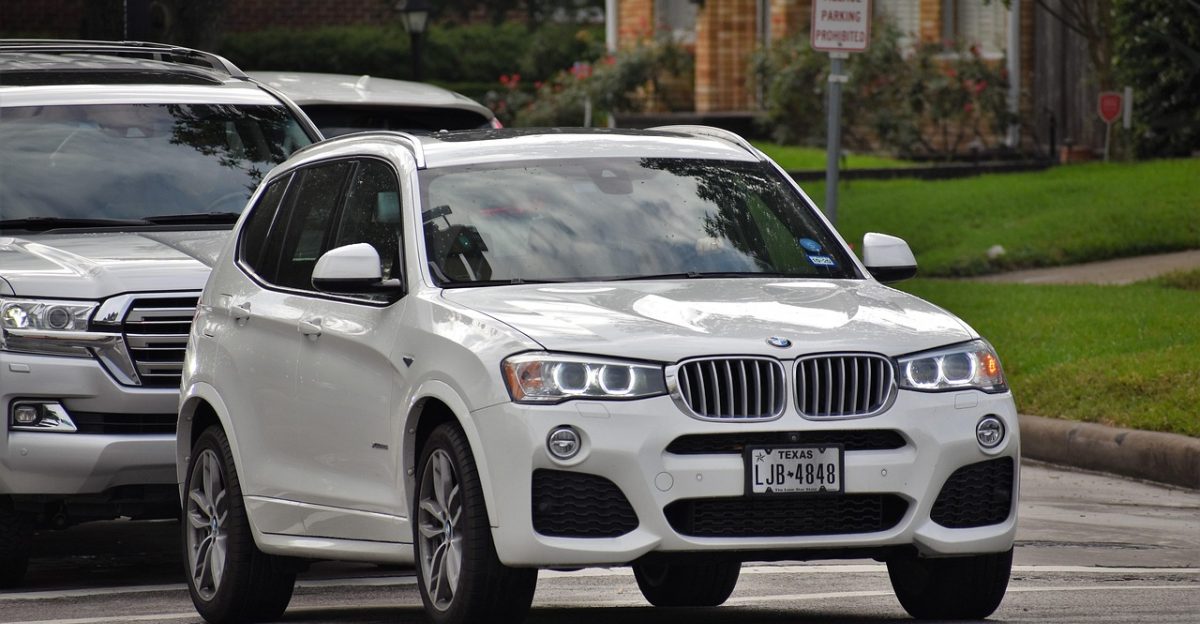
The BMW X5 rounds out the top three with a $1,175 destination charge, according to Consumer Reports. Like the S-Class, the X5’s inclusion is notable given its positioning as a premium luxury SUV, a segment that typically commands higher fees across the board. Its presence on the list underscores that destination charges are not always proportional to a vehicle’s price or market segment.
4. Acura Integra
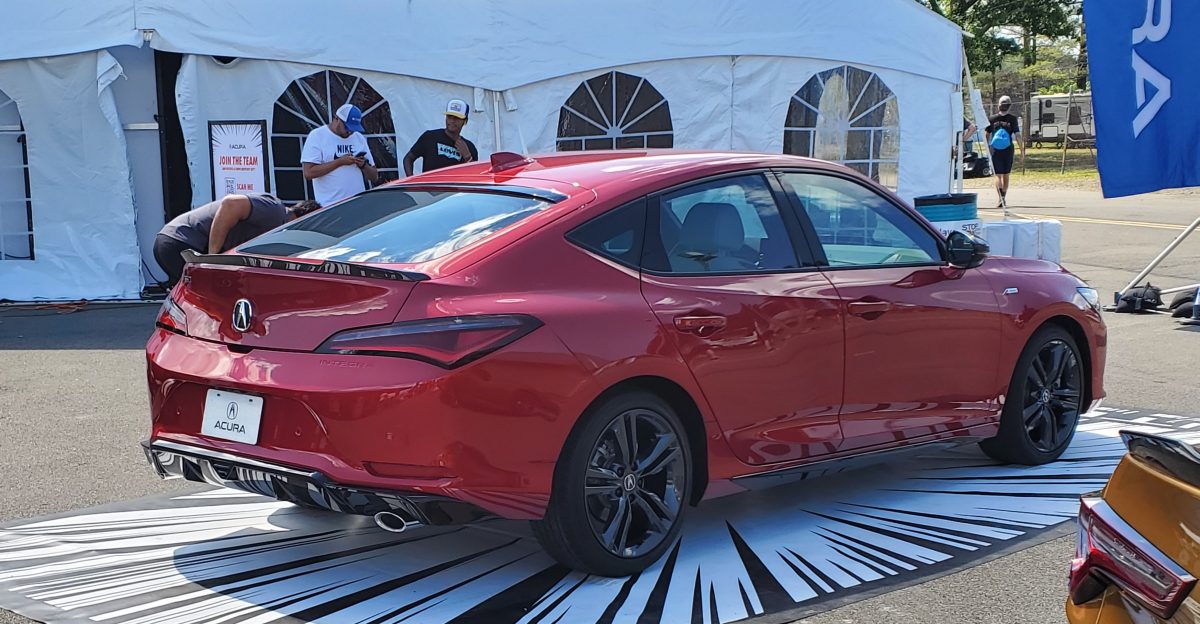
The Acura Integra ties for fourth place with a $1,195 destination charge, offering buyers a sporty, premium option that keeps mandatory fees well below the domestic average. The Integra’s revival has been well-received in the market, and its low destination charge adds a practical financial incentive for buyers weighing it against domestic competitors. At over $1,000 less than the average domestic brand destination fee, the savings are meaningful.
5. Honda Civic/Prelude

The Honda Civic and Prelude share the fifth spot on the list, also carrying a $1,195 destination charge. The Civic’s inclusion is unsurprising given Honda’s consistent reputation for keeping ownership costs competitive, while the Prelude’s return to the market brings with it the same fee efficiency. Together, they give buyers two distinct body style options at the same low mandatory cost.
Five More Budget-Friendly Options
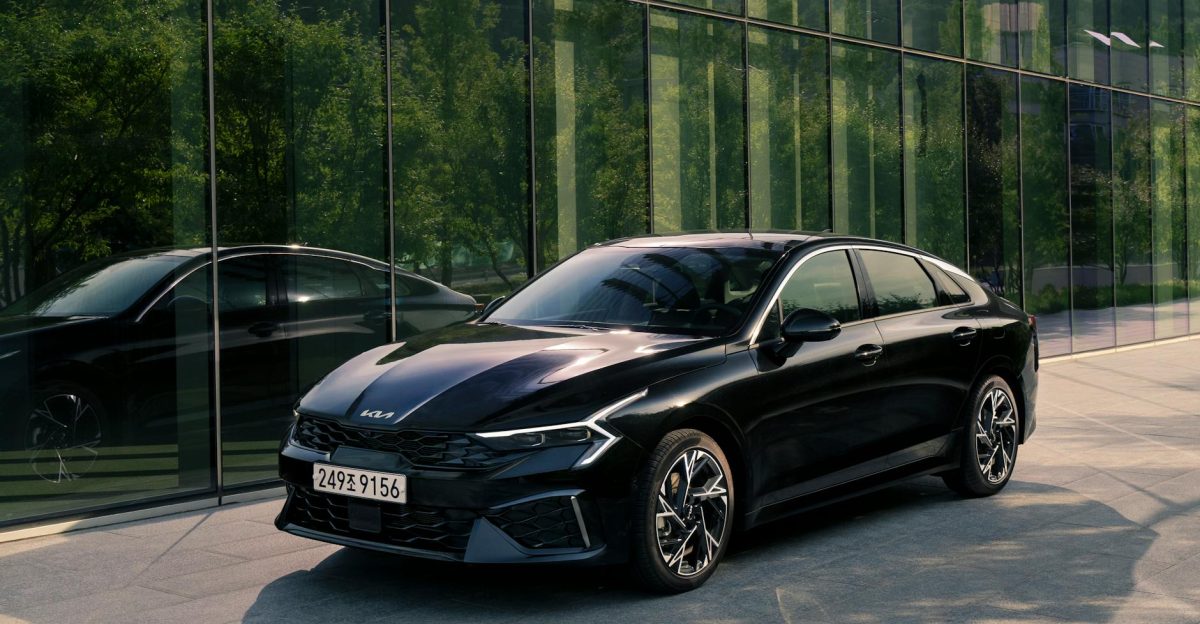
Consumer Reports identified a second group of five vehicles with competitive destination charges in 2026. According to Consumer Reports, the Kia K5, Nissan Z, Subaru BRZ, and Volvo V60 all carry $1,195 destination charges, while the Mazda 3 comes in at $1,235, a figure independently confirmed by Cars.com. Every vehicle on this supplementary list is also a foreign-brand model. For context, Cars.com reported that domestic brands now charge an average of nearly $2,200 in destination fees alone, nearly double what buyers of the top-ranked models are charged.
Consumer Reports’ Buyer Warning

Consumer Reports issued a direct advisory to shoppers navigating today’s fee-heavy market: “Destination charges are now a major cost when buying a car. Be sure to look past the sticker price to understand average transaction prices in your area, destination charges, and taxes for budgeting.” The organization, whose mission centers on helping consumers make smarter purchasing decisions, emphasized that destination fees are just one layer of hidden costs that can dramatically widen the gap between a vehicle’s advertised price and what buyers actually pay at signing.
Transparency Push Gains Momentum
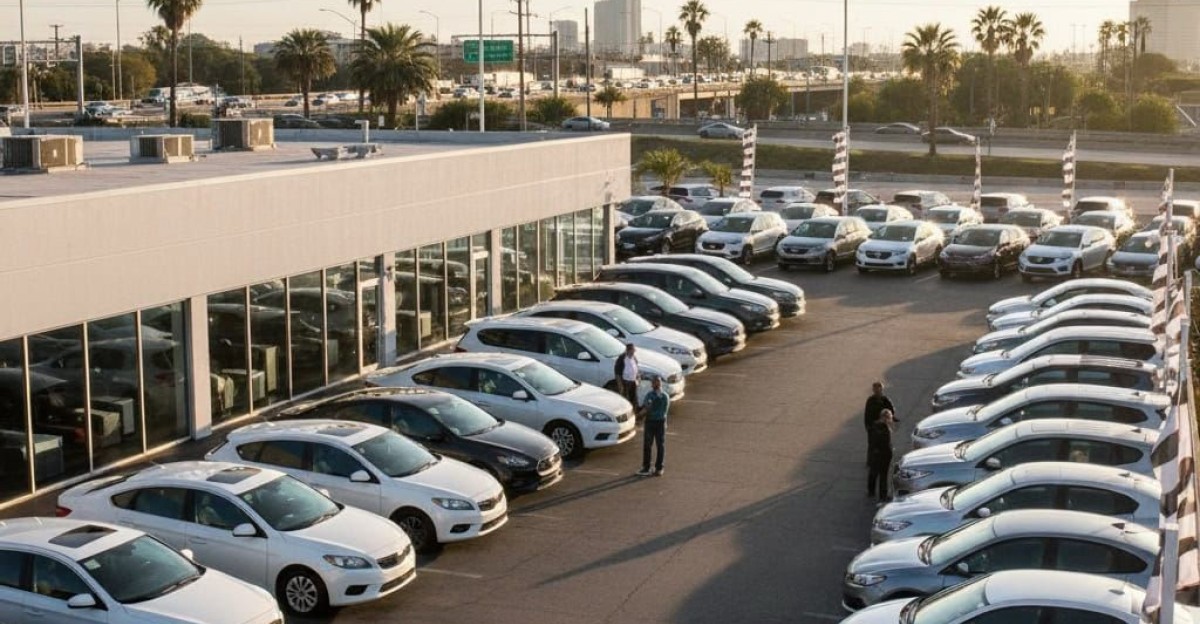
Regulatory pressure is building around fee disclosure. In March 2026, the FTC sent warning letters to 97 auto dealership groups nationwide, formally directing them to ensure advertised prices reflect all mandatory fees, a direct response to the growing consumer frustration that destination charges and other add-ons are routinely concealed until the final contract signing. As tariff pressures continue mounting and domestic automakers repeatedly raise these charges, Consumer Reports’ data gives buyers a clear, actionable benchmark to minimize hidden costs before reaching the dealership.
Sources:
“Most and Least Expensive Car Destination Charges.” Consumer Reports, March 2026.
“The Obscure Fee Costing You More to Buy a Car.” The Wall Street Journal, March 2, 2026.
“Destination Fees on New Cars Have Jumped 67%, Some Now Top $3,000.” Autoblog, March 3, 2026.
“Destination Fees Continue to Rise in 2026.” Cars.com, March 5, 2026.
“Automakers Are Raising New Car Costs Without Touching Sticker Price.” USA Today, December 17, 2025.
“FTC Warns 97 Auto Dealership Groups About Deceptive Pricing.” Federal Trade Commission, March 11, 2026.