Consumer Reports Loves 9 Hybrids But Tells Americans Don’t Buy Them—The Math Is Brutal
Consumer Reports has long been a trusted voice on car quality, and when it praises hybrids, it usually highlights reliability, comfort, and efficiency. But its latest analysis and related coverage reveal a sharp contradiction that many buyers miss at the dealership. In several cases, CR’s own cost and fuel‑savings data show that the numbers simply don’t justify the purchase if you are looking strictly at payback.
Higher upfront prices, modest fuel savings, and long payback periods mean some hybrids—especially pricier ones—won’t realistically save you money over a typical ownership window.
1. Lexus TX Hybrid
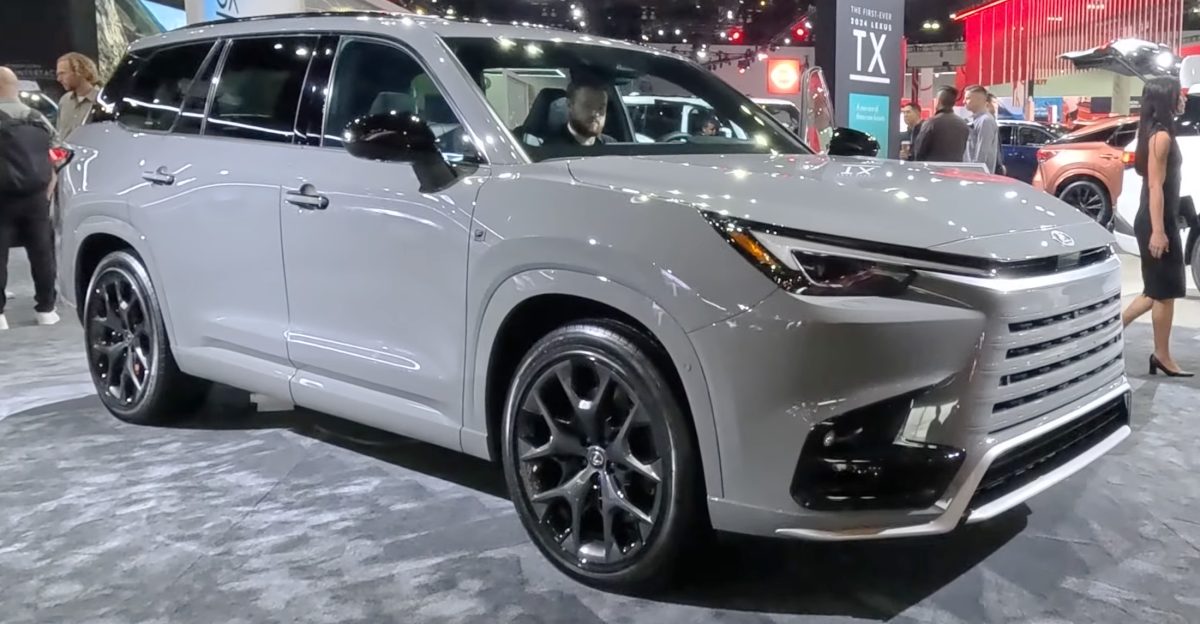
The Lexus TX Hybrid earns strong marks for ride quality, interior refinement, and overall reliability. Consumer Reports has no issue recommending it as a well‑built luxury SUV.
But the financial math collapses under scrutiny. With a price premium exceeding $10,000 and only modest fuel economy gains versus the gas TX, CR’s analysis—highlighted in outside write‑ups—estimates a payback period that can stretch toward several decades, far longer than most people keep a vehicle. That makes it one of the clearest examples of a hybrid that CR likes but effectively tells cost‑focused buyers to skip on pure math.
2. Honda Accord Hybrid (higher trims)
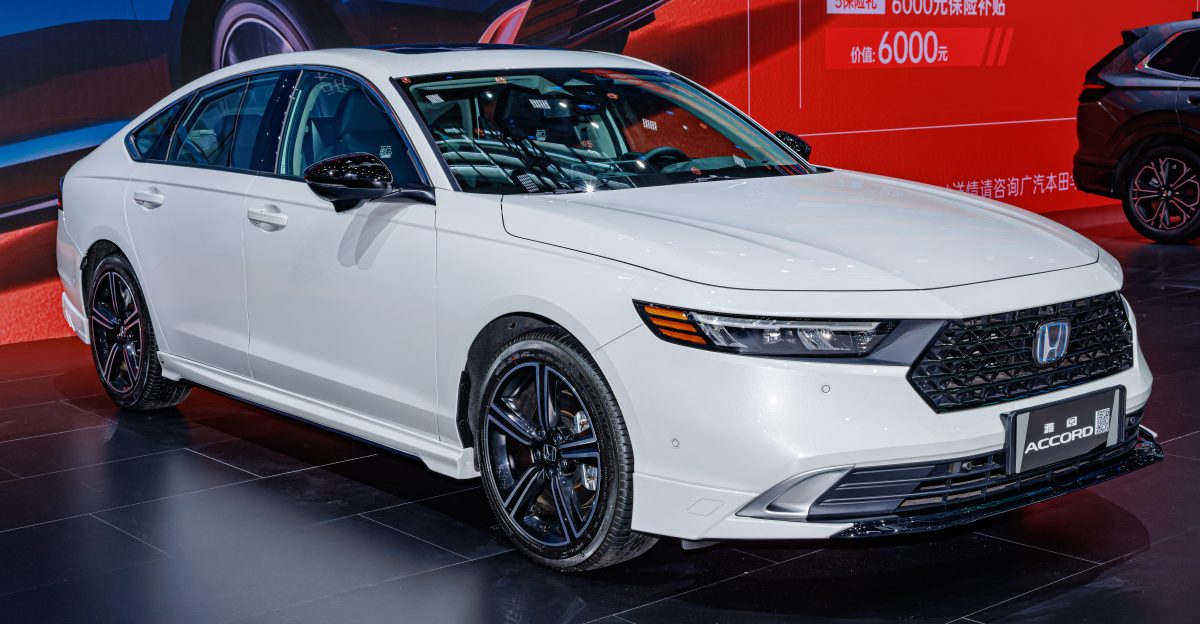
CR genuinely likes the Accord Hybrid for its smooth ride, updated tech, and balanced performance. It remains one of the better‑driving midsize sedans available. Still, CR’s own gas‑savings work shows that the hybrid premium in comparable trims creates a very long road to savings. With payback periods of roughly 10–12 years depending on configuration, buyers who trade out sooner may never recover the extra cost compared to a gas‑only Accord. If your only goal is saving money, CR’s numbers suggest you may be better off sticking with the non‑hybrid.
However, its higher purchase price and relatively small fuel savings compared with the non‑hybrid RX reduce its financial appeal. Depreciation and upfront costs combine to stretch the break‑even point, which can push the payback period beyond typical ownership timelines for many buyers focused strictly on dollars and cents.
3. Toyota Crown Hybrid (upper trims)
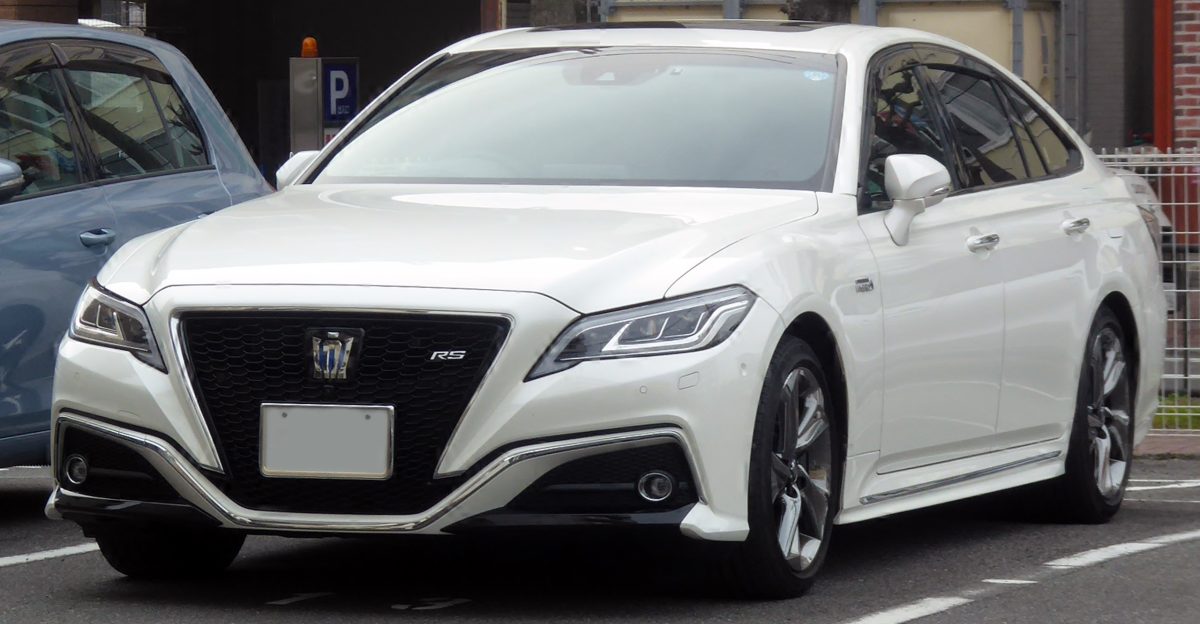
Consumer Reports praises the Toyota Crown Hybrid for its unique design, upscale interior, and standard hybrid powertrain. It stands out in Toyota’s lineup as something more premium.
But in higher trims, the cost climbs quickly. The added expense doesn’t always translate into enough extra fuel savings over more basic versions or over non‑hybrid alternatives to clearly justify the price, making the financial case weaker than buyers might expect from a Toyota hybrid if they are looking only at payback math.
4. Hyundai Tucson Hybrid (top trims)
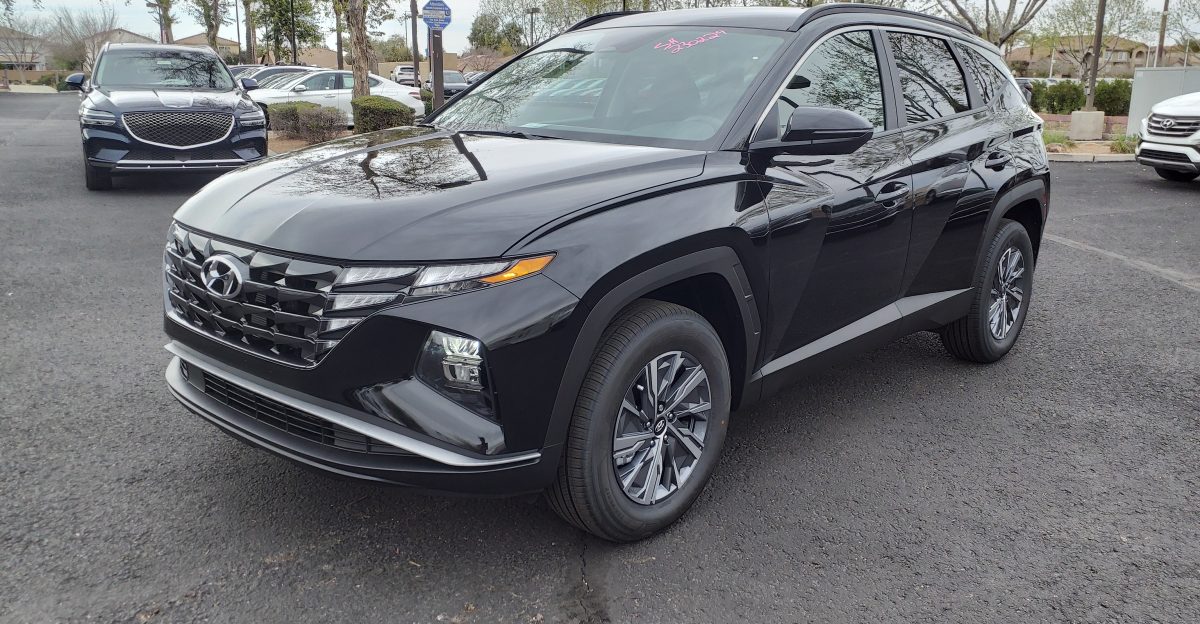
The Tucson Hybrid earns positive reviews for its roomy cabin, user‑friendly tech, and solid fuel economy. CR highlights it as a well‑rounded compact SUV.
The issue appears in the top trims, where pricing rises steeply. At that level, the hybrid system’s fuel‑economy advantage over gas‑only Tucsons may not be large enough to offset the added cost within a reasonable ownership period, especially if you tend to trade in vehicles after just a few years.
5. Kia Sportage Hybrid (fully loaded)
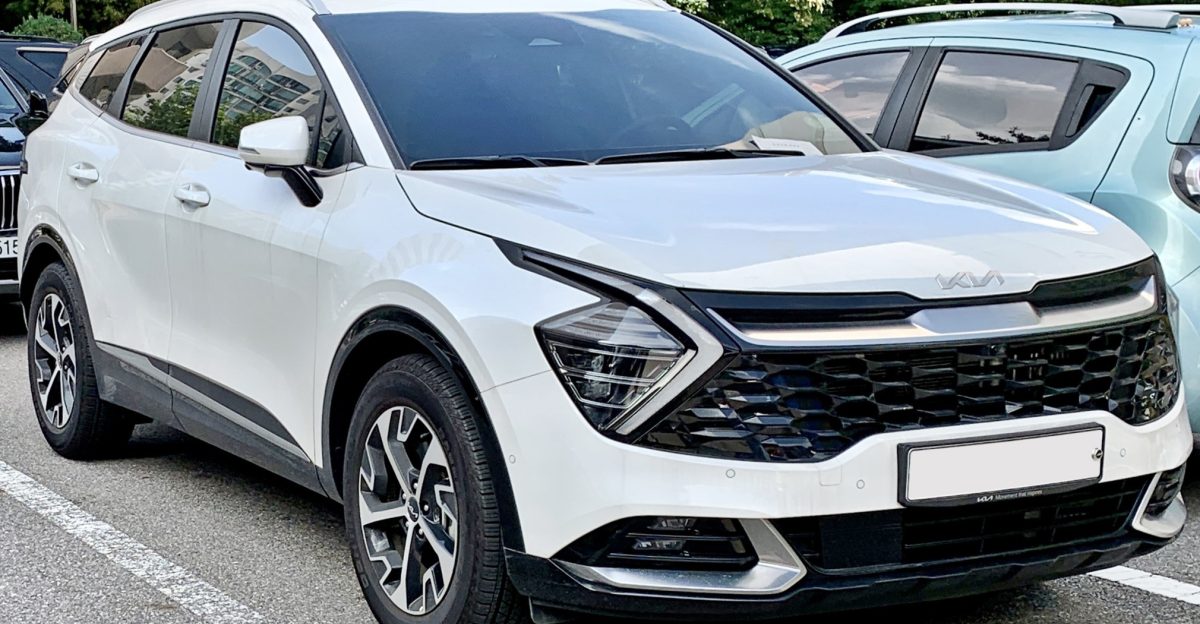
CR rates the Sportage Hybrid highly for comfort, practicality, and value in lower trims. It’s one of the more appealing compact hybrids overall.
Yet fully loaded versions lose that value edge. As the price climbs, the gap between cost and fuel savings widens, pushing the payback period further out than many buyers anticipate. For shoppers who mainly want a hybrid to save money, CR’s value‑focused approach implies you’re better served by sticking to cheaper trims or by considering non‑hybrid versions.
6. Ford Escape Hybrid (premium models)
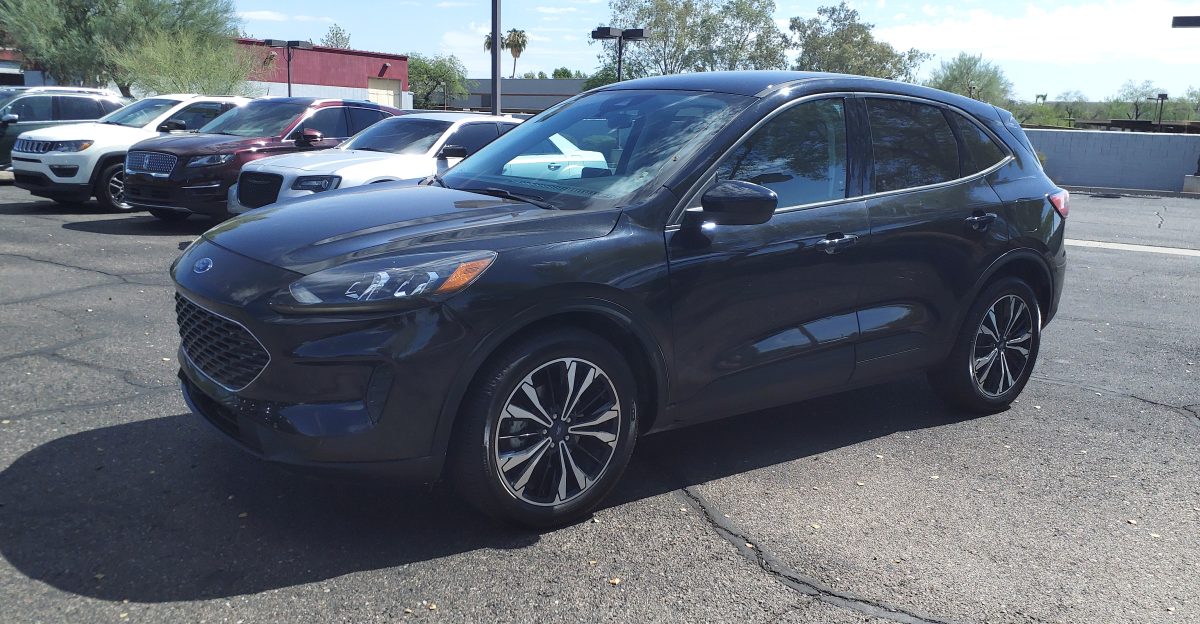
The Escape Hybrid gets credit for efficiency and a smooth driving experience. Consumer Reports sees it as a competent and practical option in the segment.
However, premium trims dilute its financial advantage. Once options and higher pricing are factored in, the fuel savings take significantly longer to recover the upfront investment, making it harder for cost‑conscious buyers to justify the hybrid upgrade over a less expensive gas Escape.
7. Toyota RAV4 Hybrid (highest trims)
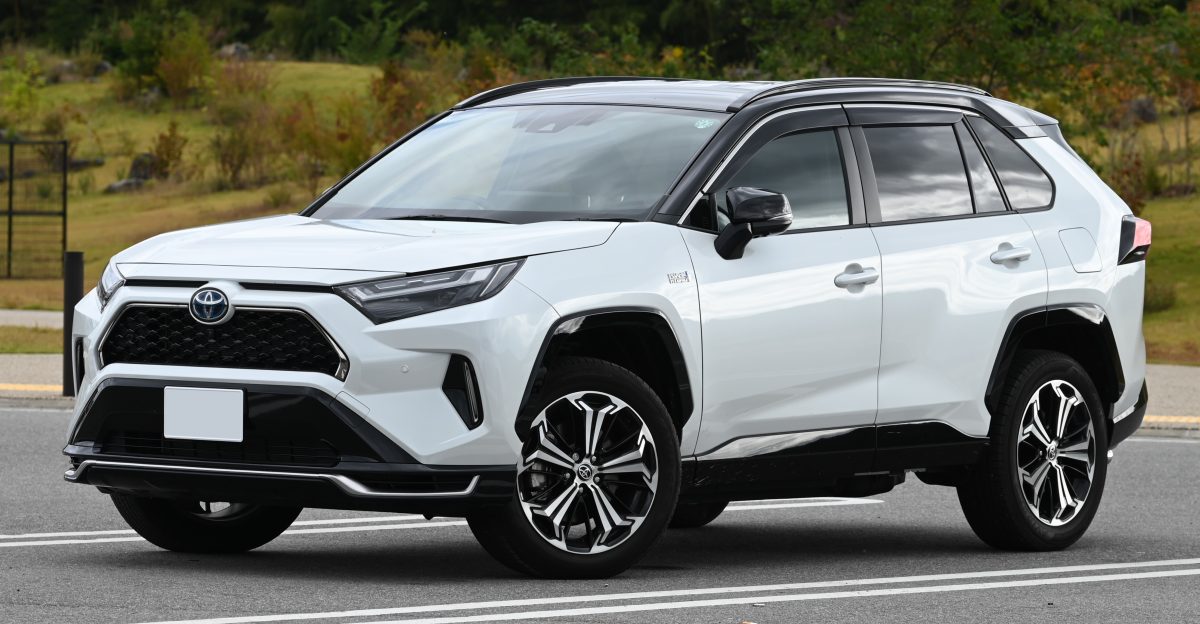
The RAV4 Hybrid is generally one of CR’s favorites, especially in mid‑level trims where value and efficiency align well. It’s a benchmark in the category.
But at the top end, the equation changes. Expensive trims reduce the cost‑benefit advantage, meaning buyers pay more without proportionally increasing fuel savings. For shoppers focused strictly on the math, CR’s data‑driven approach points toward the mid‑tier RAV4 Hybrid—or even a gas model—as a smarter play than the range‑topping hybrid.
8. Honda CR‑V Hybrid (Touring trim)
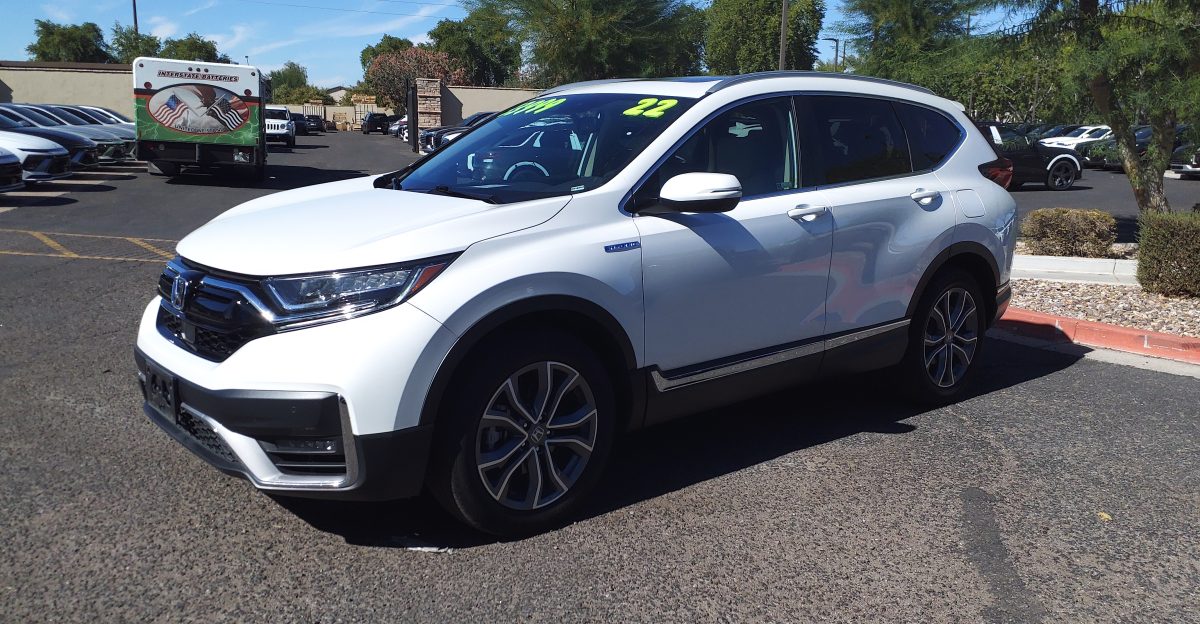
CR praises the CR‑V Hybrid for its practicality, comfort, and strong overall performance. It remains a top contender among compact SUVs.
In the Touring trim, though, the price premium grows enough to weaken the financial argument. The added cost takes longer to recover through fuel savings, making the gas version or a lower CR‑V Hybrid trim a smarter buy purely on math for many typical owners.
9. Lexus NX Hybrid
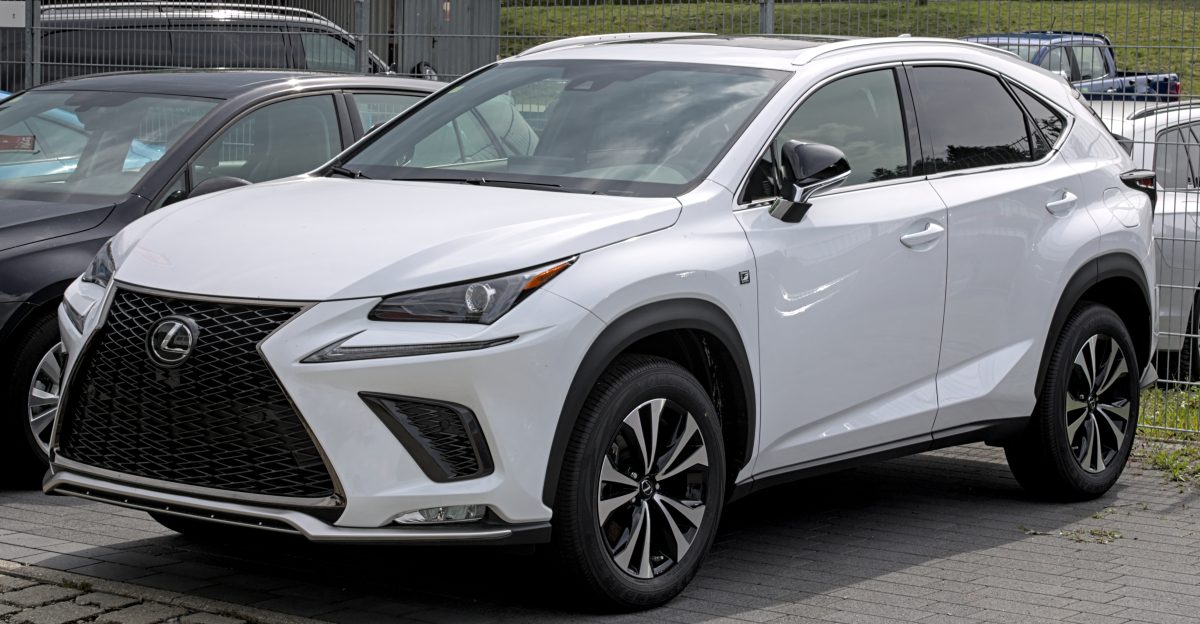
The NX Hybrid delivers the upscale feel, safety features, and reliability expected from Lexus. Consumer Reports rates it highly in terms of quality and owner satisfaction.
But like other luxury hybrids, its pricing works against it from a payback perspective. The fuel savings simply aren’t large enough to justify the premium in many real‑world scenarios, leading to a long and often unrealistic payback period—another case where CR may praise the vehicle but effectively warns that, for shoppers focused solely on saving money, the math can be brutal.
Sources:
Consumer Reports. “Hybrids That Save You the Most Money on Gas.” 2022.
Consumer Reports. “Fact Sheet: Hybrid Vehicles Are Cost Effective for Consumers.” Oct. 11, 2023.
Consumer Reports. “Honda Accord Hybrid — Road Test and Ratings.” 2023 update.
Jalopnik. “Consumer Reports May Like These Hybrids, But Won’t Recommend Them for Saving Gas.” April 5, 2026.
Slashgear. “Consumer Reports Says This Expensive Lexus Hybrid Fails to Save You Money on Gas.” Feb. 7, 2026.
Yahoo Autos. “Consumer Reports May Like These Hybrids, But Won’t Recommend Them for Saving Gas.” April 5, 2026.