Consumer Reports Exposed 8 EV Failures—80% More Problems Than Gas Cars
Electric vehicles were pitched as simpler, low‑maintenance cars with far fewer moving parts than gas models. Consumer Reports’ latest reliability data, based on large‑sample owner surveys covering recent model years, shows a different picture.
Battery electric vehicles and plug‑in hybrids have roughly 79–80% more reported problems than conventional internal‑combustion vehicles, while non‑plug‑in hybrids have fewer issues than gas cars on average. The trouble is concentrated not mainly in motors or battery packs, but in surrounding systems like charging electronics, software, infotainment, thermal management, and 12‑volt components.
1. Charging Electronics That Strand Cars
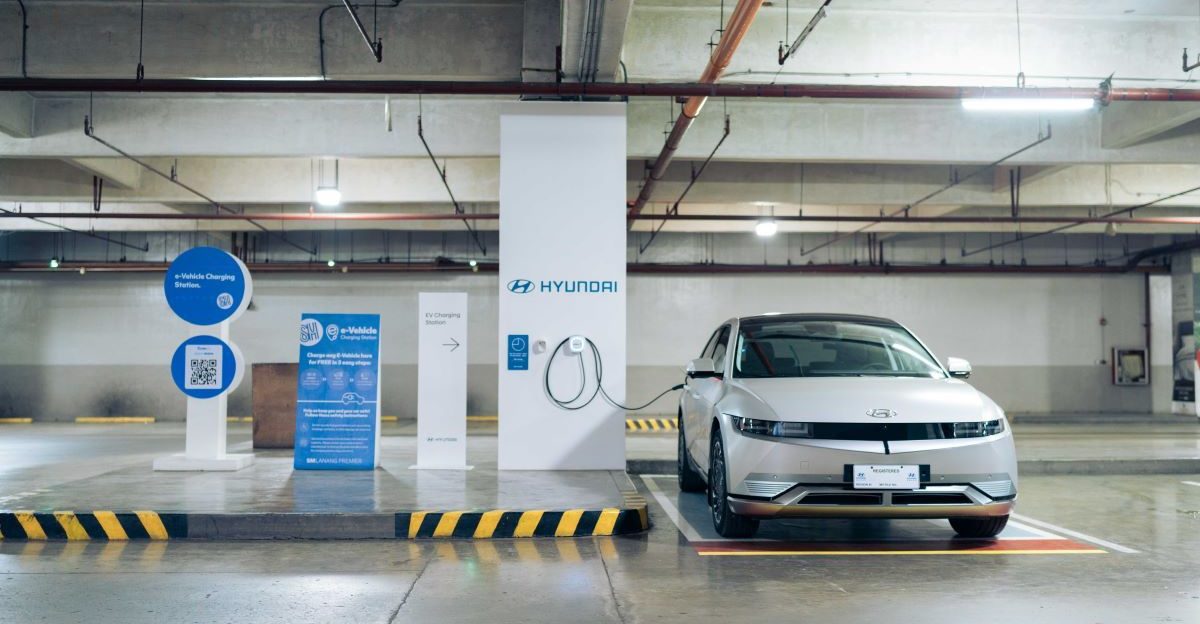
Consumer Reports highlights widespread failures of the Integrated Charging Control Unit (ICCU) in Hyundai, Genesis, and Kia EVs. This box converts high‑voltage power to 12 volts and manages charging and key functions. Consumer Reports’ survey data indicates that between 2% and 10% of Hyundai and Kia EV owners reported ICCU‑related problems, compared with a typical charging‑issue rate of about 1% or less for other models of the same year.
When the ICCU fails, vehicles can lose power despite sufficient charge or refuse to recharge. Some owners have already had multiple ICCU replacements within a few years, indicating a persistent design or integration problem in affected vehicles.
2. Software Updates With Mixed Results
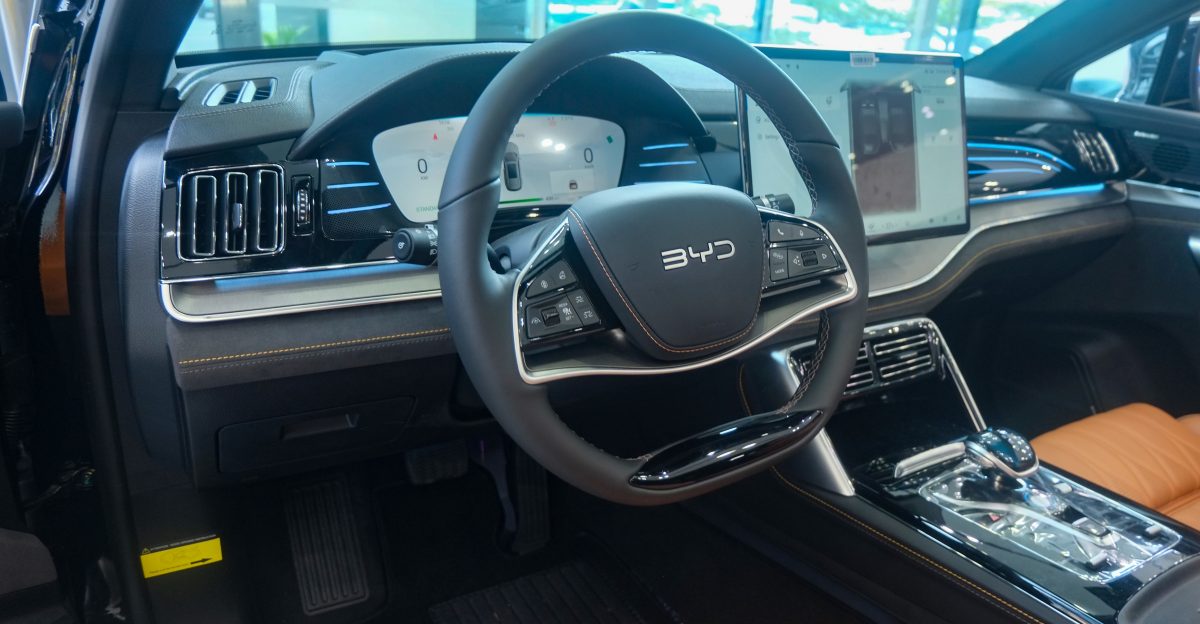
Automakers increasingly rely on over‑the‑air software updates to fix issues remotely. JD Power’s 2026 Vehicle Dependability Study and related reporting show that many owners receive at least one such update over a three‑year ownership period, but perceptions of improvement vary and dependability scores have worsened overall.
Of the nine problem categories in the study, issues with infotainment systems and spotty performance of over‑the‑air updates are among the most prominent concerns. Industry analyses describe cases where vehicles continue to experience issues such as ICCU failures or software glitches even after updates, including on relatively new vehicles.
3. Infotainment as a Top Trouble Spot
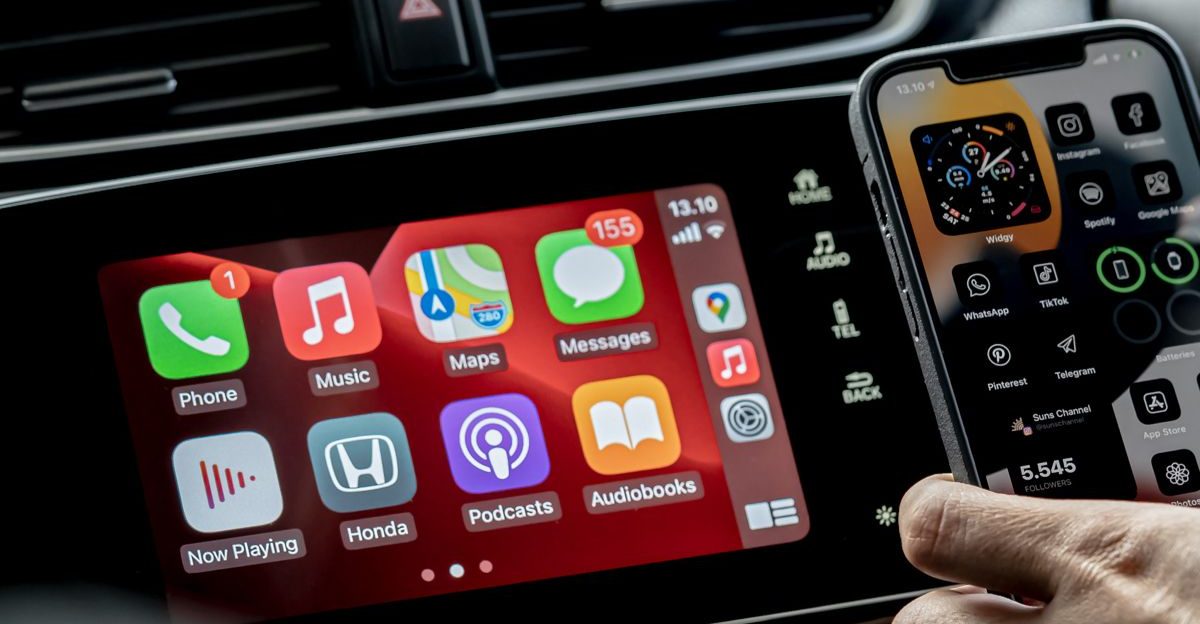
In JD Power’s 2026 dependability results, infotainment systems remain the single most problematic category, with 56.7 problems per 100 vehicles, more than double the problem rate of the next‑highest category. Owners frequently report problems with Android Auto and Apple CarPlay connectivity and broader smartphone integration.
In modern EVs, these systems often control climate functions, drive‑mode settings, charging information, and some driver‑assist features, so when screens freeze or glitch they can disrupt basic vehicle operations and not just entertainment.
4. 12‑Volt Batteries as Weak Links
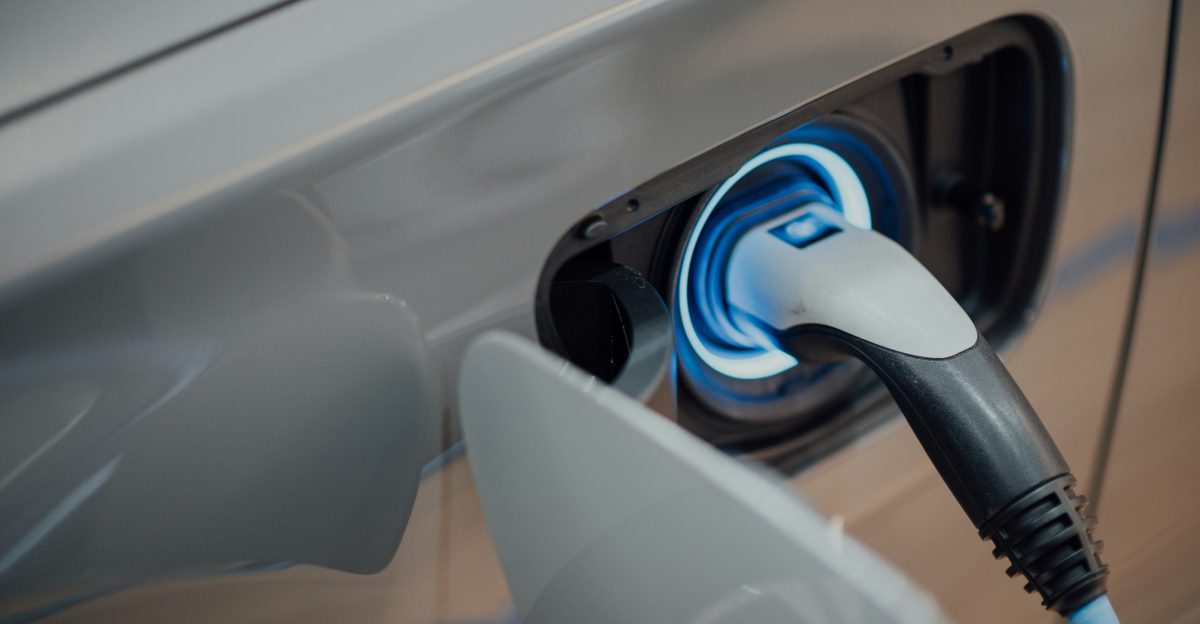
Despite the focus on large high‑voltage packs, many EV breakdowns trace back to the auxiliary 12‑volt battery. ADAC‑based analyses of recent breakdown data show that defective 12‑volt batteries account for around half of EV breakdowns, a somewhat higher share than in combustion vehicles. These batteries typically last several years, but owner reports and breakdown statistics suggest that in many EVs they are replaced earlier than the starter batteries in comparable internal‑combustion models.
When the 12‑volt system fails, owners may be unable to unlock the car, power control modules, or initiate charging—even if the main traction battery remains well charged—leaving the vehicle effectively inoperable until the small battery is replaced.
5. Thermal Management Under Strain
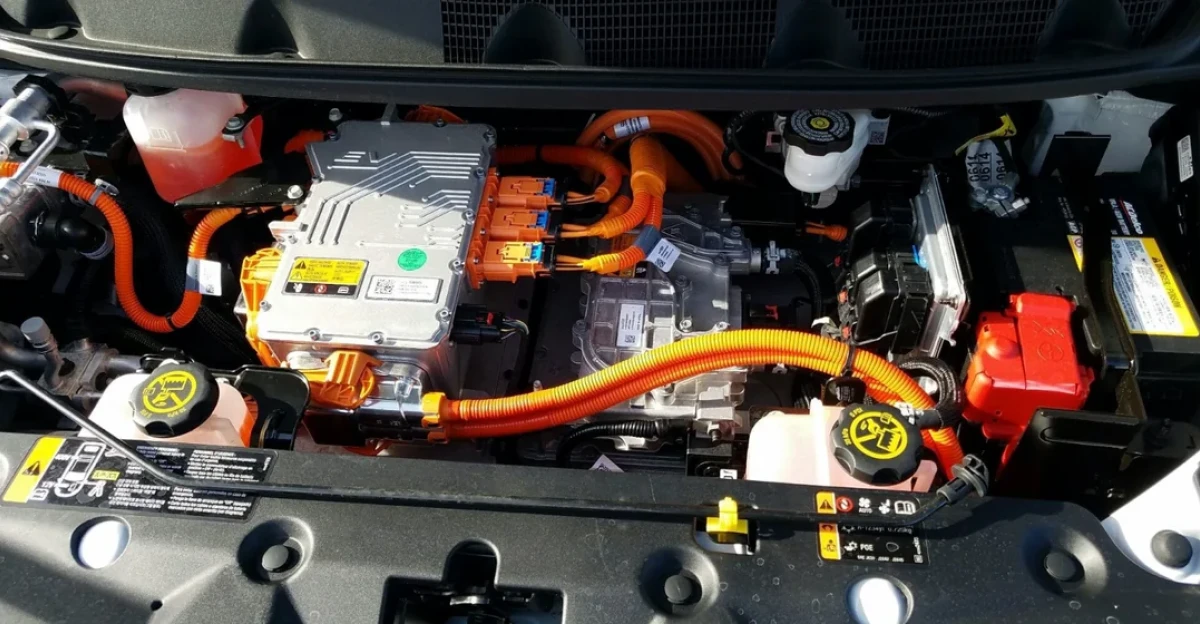
Thermal management has become a defining reliability challenge. EVs depend on pumps, coolant circuits, and sometimes heat pumps to keep batteries, inverters, and cabins within safe temperature ranges. Suppliers and engineers increasingly argue that thermal management, not just battery size, will determine next‑generation EV durability and charging performance. Early or under‑engineered systems have, in some cases, shown overheating and reduced fast‑charging capability, and thermal‑related issues have contributed to recalls or safety warnings in parts of the industry.
To address this, newer designs are moving toward more sophisticated liquid‑cooled architectures, which add complexity and additional potential failure points even as they aim to improve robustness.
6. Old‑School Hardware Still Failing
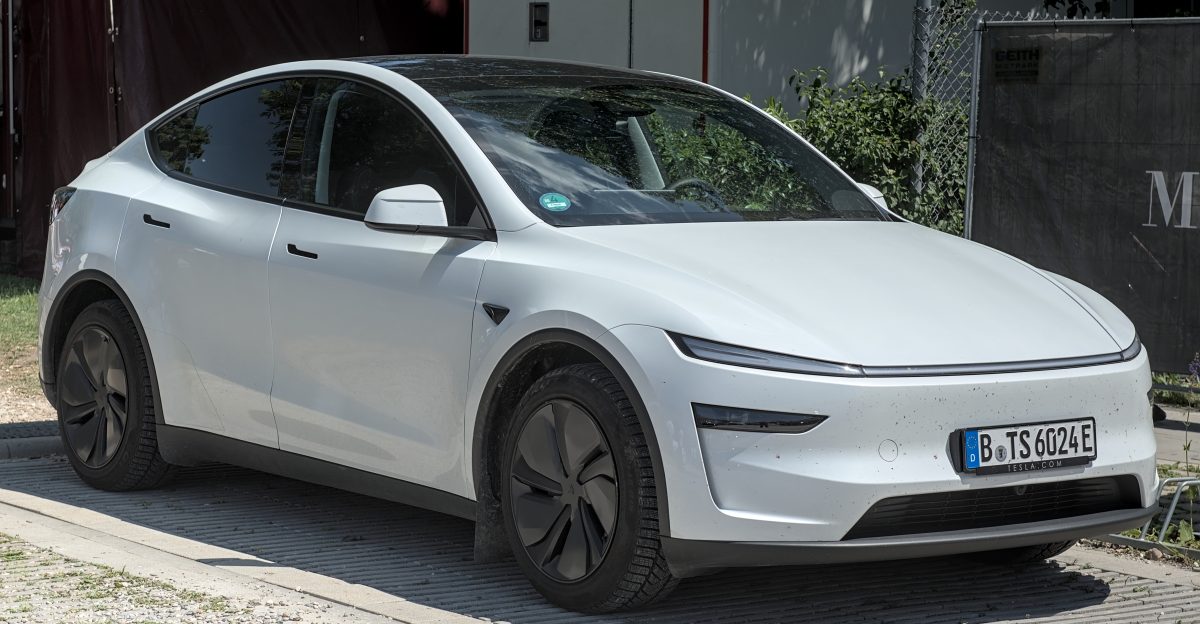
Not all problems are high‑tech. TÜV inspection data reported for Germany show the 2025 Tesla Model Y with a 17.3% defect rate among 2–3‑year‑old vehicles, the highest of any car in that age group in that report. Most issues involved components such as suspension parts, brake corrosion, build quality, and lighting, rather than widespread motor or high‑voltage battery failures.
At the same time, Tesla has recently entered Consumer Reports’ top tier for new‑car reliability relative to past years, illustrating how even relatively strong EV performers by some measures can still log high defect rates in independent inspection statistics.
7. Charging Infrastructure That Doesn’t Deliver
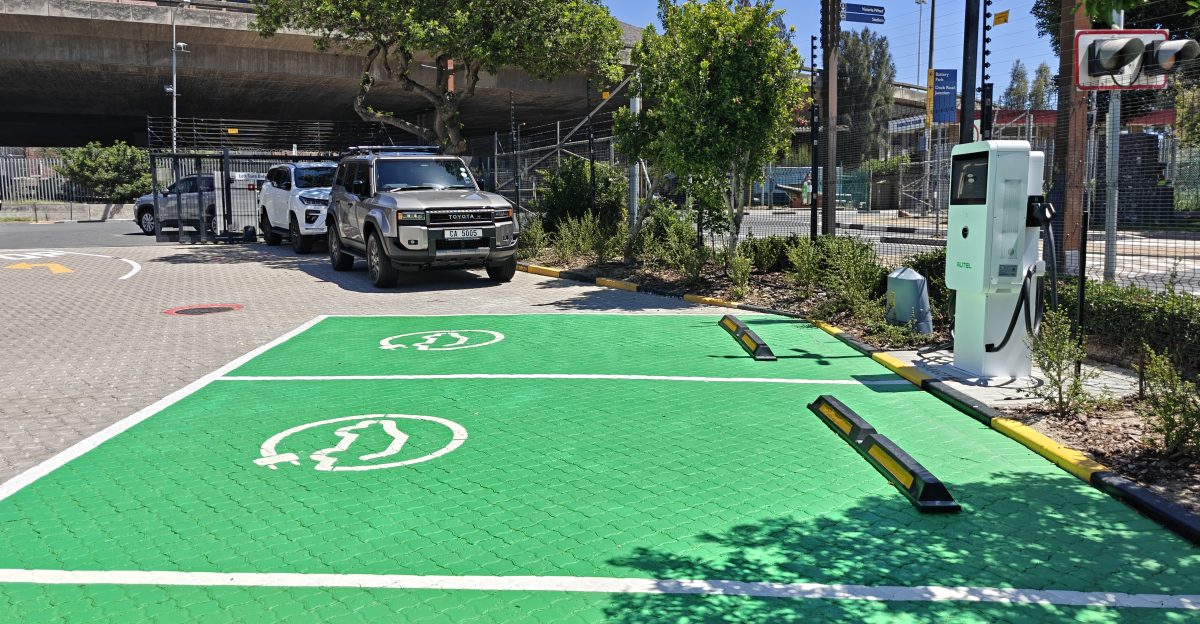
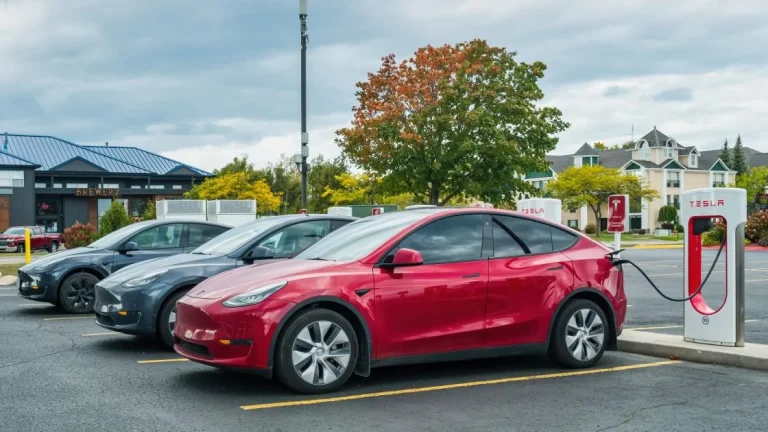
Charging problems are not confined to the vehicle. Field studies and industry reports on public charging in the U.S. and Europe find that first‑attempt DC fast‑charging failure rates can range from roughly one in six to around one in three sessions, depending on network, location, and methodology. Analyses such as ChargerHelp’s session‑level data show that nearly one in three charging attempts can fail when measured from the driver’s perspective, even where reported charger uptime appears high.
Other research and JD Power studies indicate that a significant share of failures are due to charger hardware or software and communication issues, rather than simple user error, though the exact split varies by study. These infrastructure gaps intersect with in‑vehicle weaknesses like ICCU faults or software bugs, leaving drivers vulnerable to being stranded when both the car’s electronics and public charging networks fail to perform as expected.
8. Repairs Slow, Training Thin
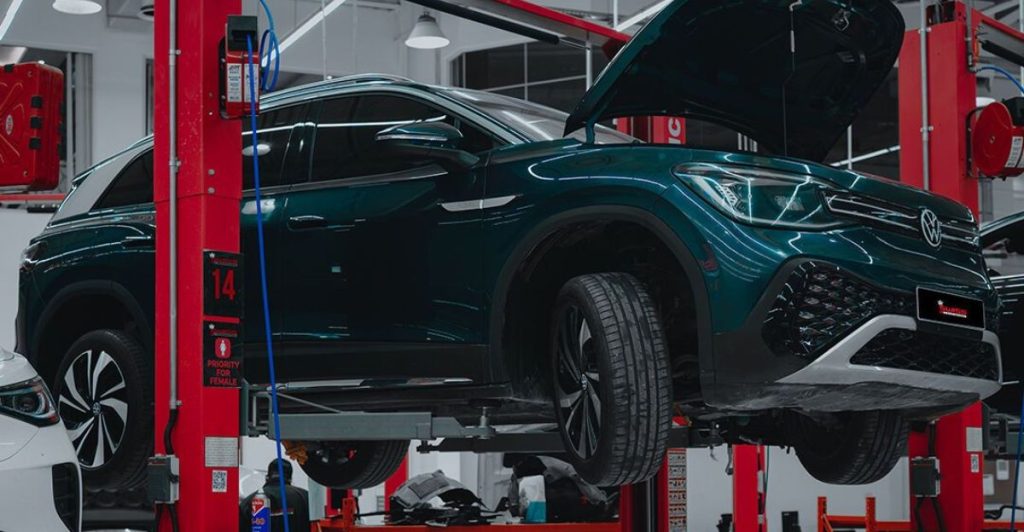
When something breaks, EV owners often encounter long repair times and limited service capacity. Consumer Reports and industry outlets describe ICCU repair delays ranging from several weeks to around two months, driven in part by parts availability and the need for specialized diagnostics. Some owners report repeated failures or recurrence of issues after replacement.
JD Power and trade publications note that EV diagnostics and high‑voltage safety training remain major challenges for technicians, as many dealer service departments were built around combustion drivelines and now must handle complex software, battery management, and charging systems. This slows down accurate diagnosis and repair for early EV adopters.
Reliability Still Catching Up
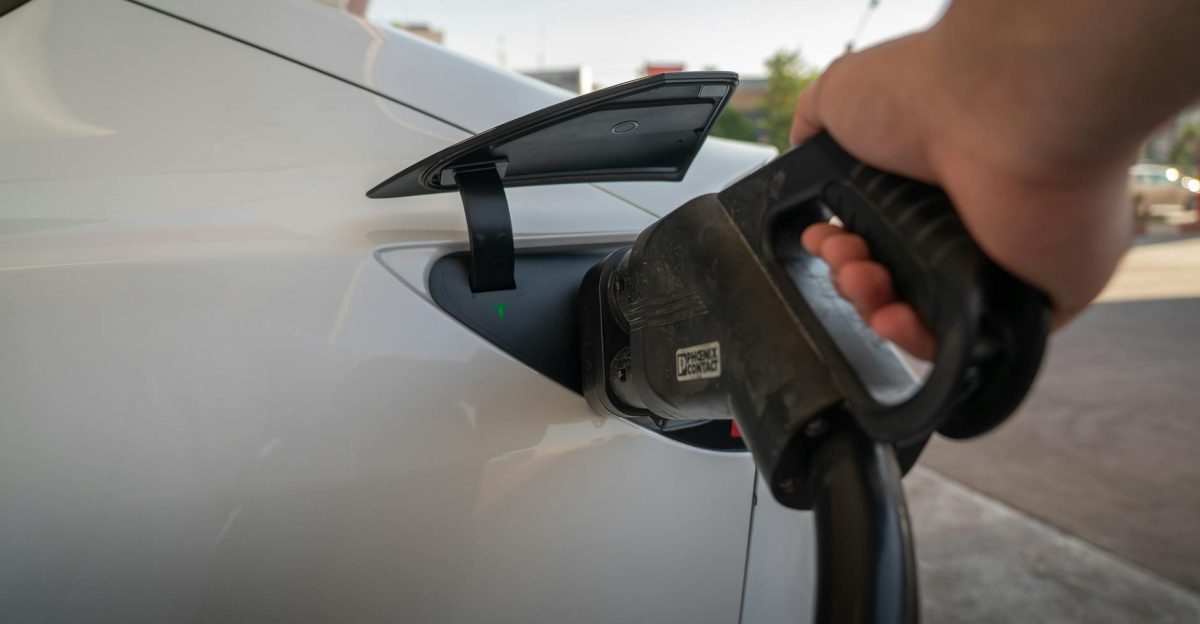
Across multiple sources—Consumer Reports, JD Power, TÜV, ADAC, and charging‑infrastructure studies—the pattern is consistent. Today’s EVs and plug‑in hybrids have significantly higher reported problem rates than gas vehicles, with trouble concentrated in charging electronics, software, infotainment, thermal systems, 12‑volt architecture, and service capacity rather than in the basic electric drive units.
By contrast, non‑plug‑in hybrids now appear more reliable than conventional cars in several major reliability surveys. History suggests these issues should ease as designs mature, but for roughly 2021–2024 build‑year EVs now appearing in 2023–2026 reliability data, the evidence indicates a clear early‑adopter reliability penalty that buyers should weigh alongside environmental and running‑cost benefits.
Sources:
Consumer Reports. “Electric Vehicles Are Improving, but Charging and Battery Issues Keep Them Less Reliable Than Gas-Powered Cars.” Consumer Reports, 29 Nov. 2023.
Consumer Reports. “Consumer Reports Auto Reliability: Hybrids Most Reliable, Plug-In Hybrids Most Problematic.” Consumer Reports, 5 Dec. 2024.
J.D. Power. “Vehicle Dependability Declines as Software Issues Mount, J.D. Power Finds.” J.D. Power, 15 Feb. 2026.
ChargerHelp. “Charge Success Rate, Not Uptime, Is the Most Accurate Metric for Evaluating EV Charging Reliability.” ChargerHelp, 28 Jan. 2026.
TÜV Association. “TÜV Report 2026: Defect Statistics for 2- to 3-Year-Old Passenger Cars in Germany.” TÜV Verband, 11 Mar. 2026.
ADAC. “Pannenstatistik 2024: Elektroautos und Verbrenner im Zuverlässigkeitsvergleich.” ADAC, 24 Apr. 2025.