Congress Mandates Eye-Tracking Cameras In Every New Car By 2026—Driver ‘Fitness’ Determines Car Start
As early as the late 2020s, a sensor system behind your steering wheel could watch your eyes every time you sit down. It could read your face, track where you’re looking, and measure how you grip the wheel. If its algorithm decides something seems off, your car won’t start. Congress buried this requirement inside a 1,039-page infrastructure bill that most lawmakers never read line by line.
The Justification
In 2021, drunk driving killed over 13,000 Americans. That number gave Section 24220 of the Infrastructure Investment and Jobs Act its moral armor. Congress directed NHTSA to require “advanced drunk and impaired driving prevention technology” in every new passenger vehicle, and MADD endorsed it. The Insurance Institute for Highway Safety announced that by 2030, only cars with driver monitoring would qualify for its highest safety award, Top Safety Pick+. Saving 10,000 lives each year sounds like a policy nobody could oppose, and the insurance industry lobbied heavily in support of the bill when it passed.
The Word
NHTSA calls the system “passive.” The agency describes it as “non-invasive.” MADD says it “does not introduce new privacy risks beyond the data already generated by modern vehicles.” That language did the heavy lifting. It made interior sensors monitoring your eye movement, facial expressions, and behavioral patterns sound like a seatbelt chime. Passive, in this context, means the system doesn’t require you to blow into a tube. It could still continuously watch your face, analyze your steering in real time, and upload data via your car’s cellular modem.
The Gate

Call it impairment detection if you want. The system would decide whether you’re impaired. The algorithm monitors performance, renders a judgment, and prevents vehicle operation if it doesn’t like the result. Congress directed NHTSA to finalize rules by November 2024, then NHTSA missed that deadline. The agency has issued only an Advance Notice of Proposed Rulemaking. No finalized regulations exist as of early 2026, and no compliance deadline for manufacturers has been set. The technology is coming. The rules governing it are not.
The Pipeline
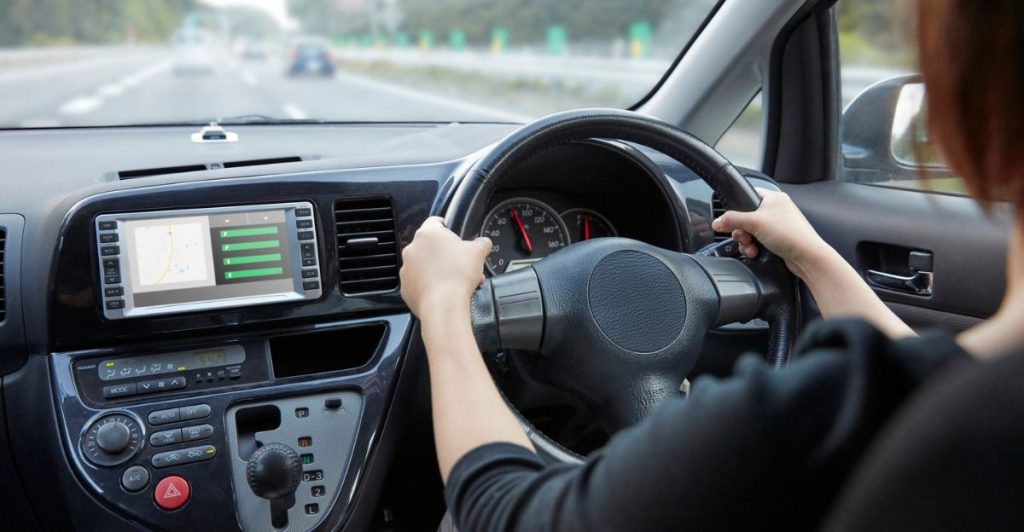
The sensors are only half the infrastructure. Modern connected vehicles already upload GPS location, biometric data, voice recordings, speed, acceleration, and braking patterns to cloud servers in real time through 4G and 5G modems. Over 50% of automakers admit to sharing that data with law enforcement in response to informal requests, without needing a warrant. General Motors collected detailed driving behavior on millions of Americans without clear consent, then shared it with consumer reporting agencies that supplied it to insurance companies. The FTC finalized an order against GM in January 2026, banning the practice for five years.
The Price

GM’s data didn’t just exist in a vacuum. Insurance companies used algorithmic “risk profiles” built from driving behavior to adjust premiums. Night-shift workers with different driving patterns paid more. Estimated compliance costs for Section 24220 could range from $500 to $2,000 per vehicle, potentially adding billions of dollars annually to what American car buyers already pay. That figure lands on consumers, not manufacturers. And Privacy4Cars filed data-sharing disclosure requests with automakers under Oregon’s consumer privacy law. Not a single automaker responded.
The Errors

In Española, New Mexico, a 12-year-old was handcuffed because an automated license plate reader misread a single digit. In Aurora, Colorado, police forced a woman, her six-year-old daughter, her teenage sister, and two nieces to the ground at gunpoint after their license plate was incorrectly matched to a stolen vehicle from another state. The city paid $1.9 million to settle. Border Patrol now operates a nationwide ALPR dragnet using AI to flag “suspicious” travel patterns based on unpublished criteria, with cameras placed far beyond the 100-mile border zone.
The Precedent
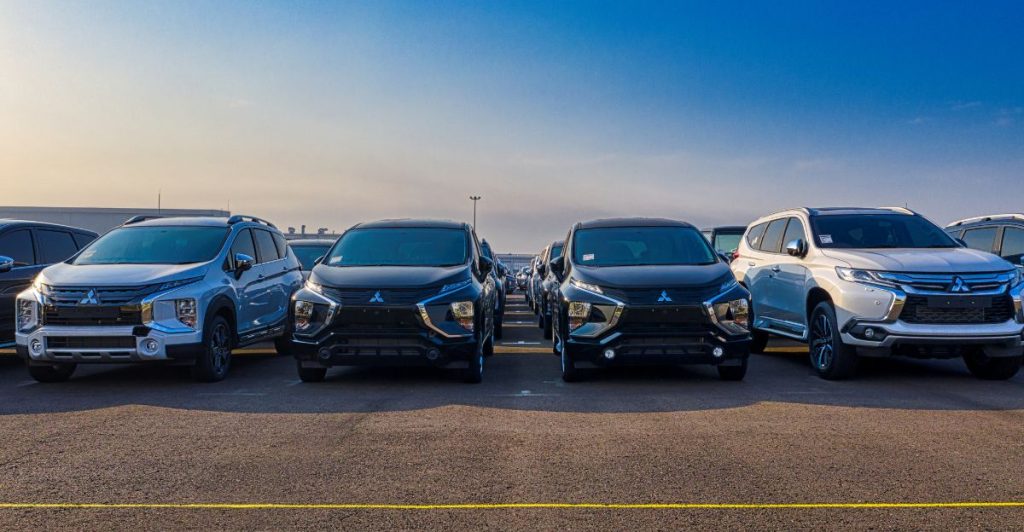
Section 24220 would be the first federal mandate for automatic impairment detection in consumer vehicles once rules are finalized. That distinction matters beyond cars. Once Congress establishes that a consumer product can monitor your biometrics continuously and deny you operation based on algorithmic judgment, the template exists for phones, wearables, and home devices. “Without immediate and sustainable pressure, this mandate will quietly become standard equipment in all new vehicles,” Car Coach Reports warned, “and that can be changed through software pretty darn quickly.”
The Vulnerability
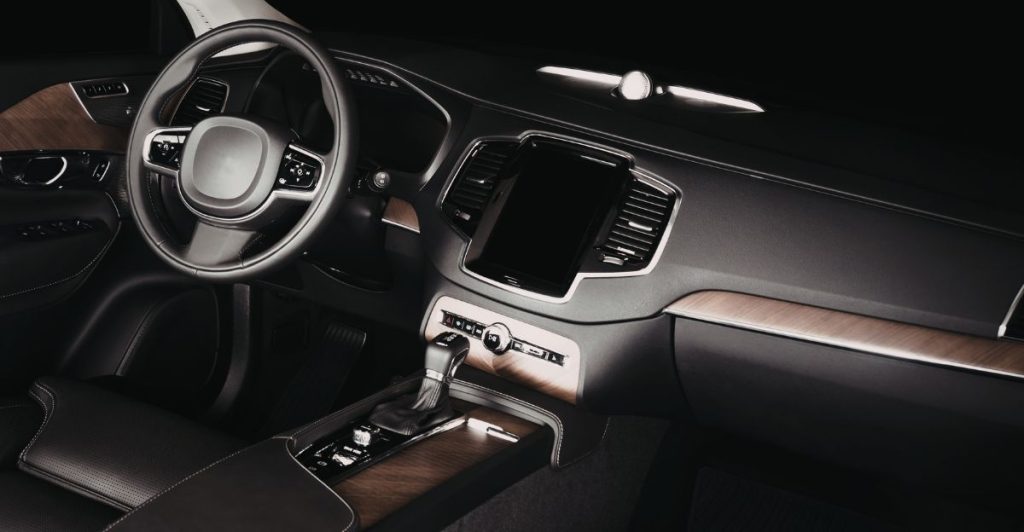
Connected cars are hackable. Northeastern University researchers demonstrated that Tesla Model 3, Cybertruck, and other vehicles can be exploited through cellular modem attacks, fake cell towers, and IMSI catchers. Hackers can track vehicles, intercept data, disable connectivity, or force systems into less secure modes. If Section 24220 systems are integrated into the same CAN bus, controller systems, and infotainment platforms that those attacks target, they would inherit those vulnerabilities. If detection systems achieve 99.99% accuracy across a growing fleet, an estimated 1,500 to 15,000 false immobilizations could still strand drivers annually in emergencies, storms, or dangerous locations.
The Choice
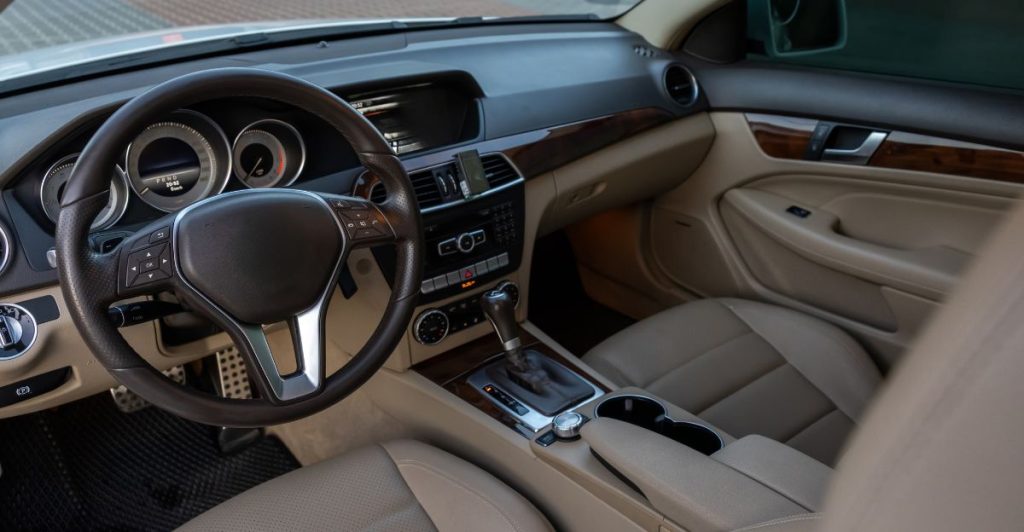
Every new car sold after compliance rules take effect will carry this system. It cannot be removed. It cannot be opted out of. The used car market may buckle as buyers avoid surveillance-equipped vehicles. Privacy advocates are preparing class-action litigation. States like California are drafting laws against algorithmic insurance discrimination. The EFF and ACLU are challenging Border Patrol’s parallel dragnet on Fourth Amendment grounds. The fight over whether your car answers to you or to an algorithm is now the defining consumer rights battle of the decade, and most Americans don’t know it started yet.
Sources:
“Advanced Impaired Driving Prevention Technology.” Federal Register / National Highway Traffic Safety Administration, 5 Jan 2024.
“FTC Finalizes Order Banning GM From Sharing Driver Data.” PCMag, 16 Jan 2026.
“Connected cars can be hacked, research finds.” Northeastern University News, 18 Feb 2026.
“Driver Impairment Detection Included in IIHS Top Safety Pick+ Criteria.” Road and Track, 11 Sep 2025.