Colorado Sues To Block Federal EV Charger Uptime Rule Amid $5 Billion NEVI Funding And 500,000-Charger Goal
A driver, low on battery, pulls into a highway charging station. Most of the chargers are out of order: three dead, only one left. Washington responded to this by requiring every federal dollar for EV charging to come with a clear condition: chargers must stay operational.
Now, several states, including Washington, California, and Colorado, are challenging how those rules are enforced. Colorado wants the funding but objects to many of the attached requirements.
The High-Stakes Funding Push
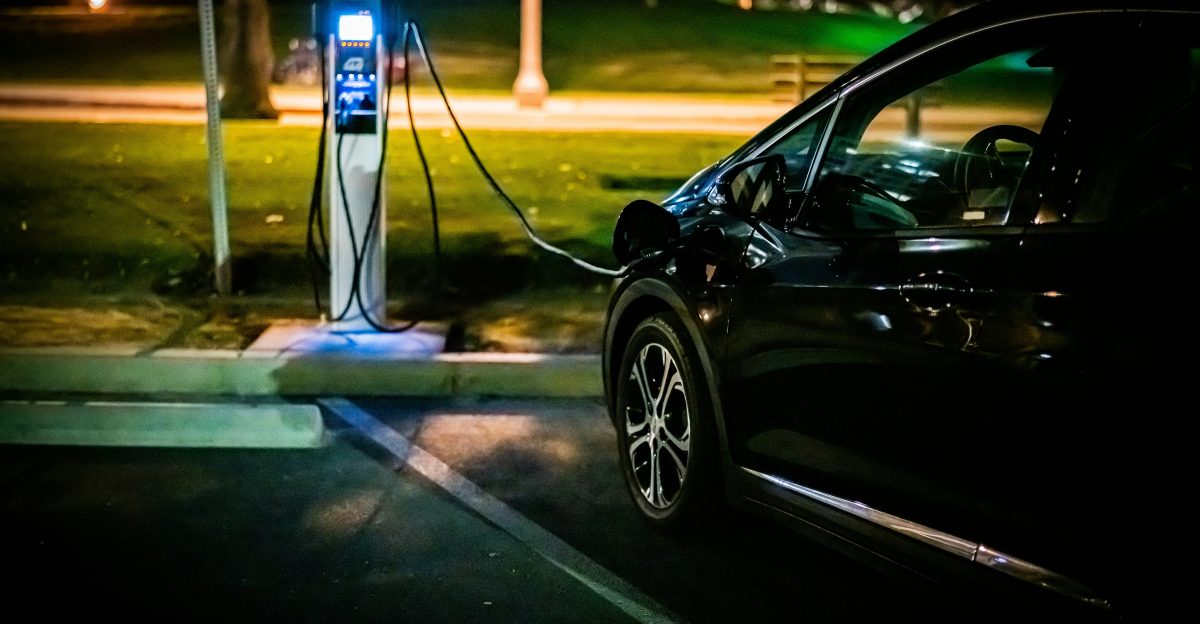
The National Electric Vehicle Infrastructure program allocated $5 billion over five years for a nationwide charging network. The plan called for 500,000 chargers across the country. With this level of funding, paperwork was expected, and most assumed the requirements would focus on construction details and connector types.
Instead, the federal government imposed strict uptime requirements, monitoring whether chargers in places like rural Kansas stay online 97% of the year. Building chargers quickly became a matter of keeping them operational year-round.
Conditions on Every Charger
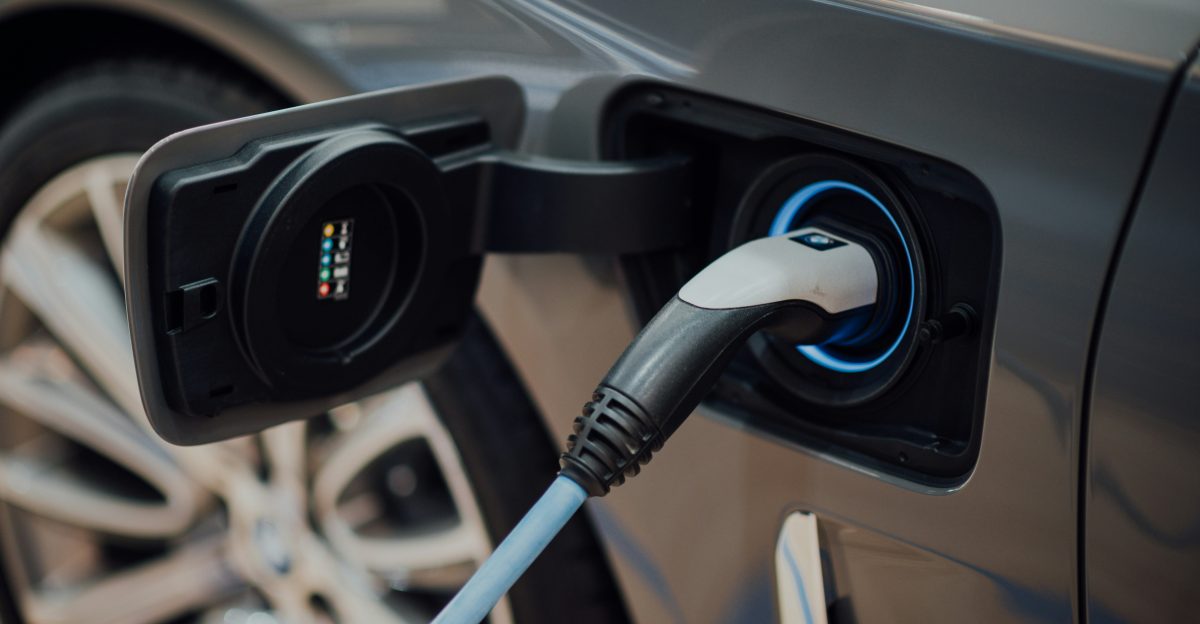
In February 2023, the NEVI program set a rule: chargers funded by federal money must work 97% of the time each year. Additional requirements cover data reporting and payment options. Store owners hosting chargers flagged the compliance burden immediately.
States voiced their concerns, and soon the conflict escalated to the courts. Colorado and other states argued that the Federal Highway Administration overstepped its authority by freezing or conditioning NEVI funds. The belief that more funding would guarantee more working chargers began to erode.
Legal Challenges to Reliability Rules
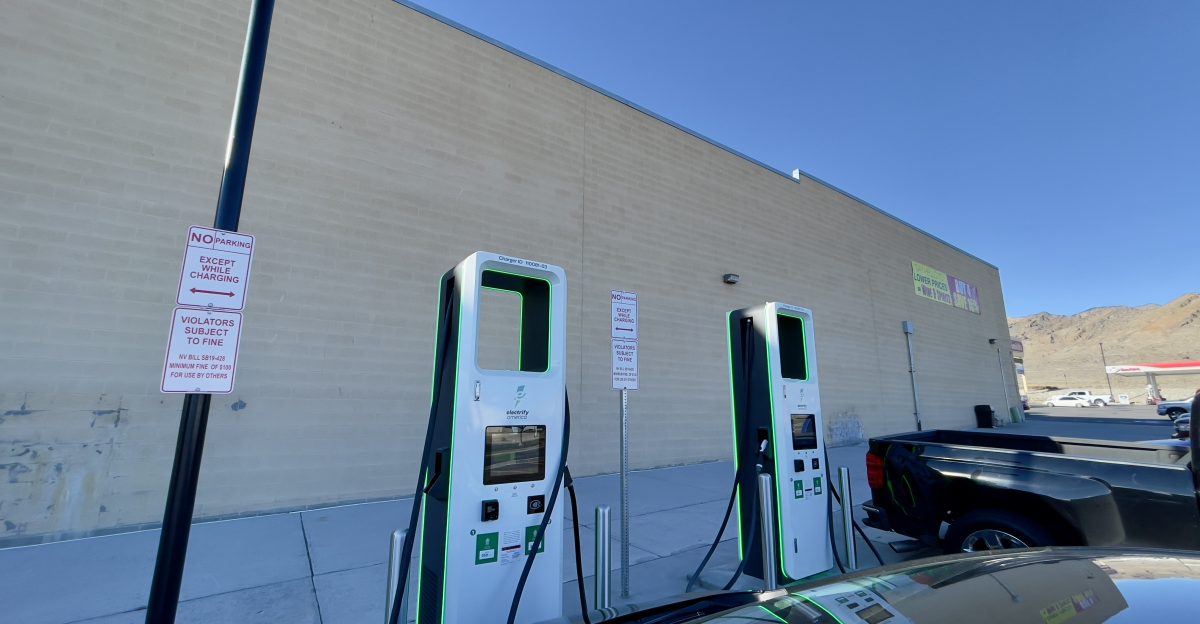
The rule designed to keep chargers running is now the focus of legal battles. Colorado and its allies argue that Washington has limited authority to change funding terms and impose new requirements. The lawsuits seek to restore access to NEVI funds and to restrict how far agencies can go in attaching and enforcing conditions.
At stake are $5 billion in federal funding, a national goal of half a million chargers, and the promise to drivers that chargers will work as intended. This legal conflict centers on the boundaries of federal power.
How Federal Rules Shape Outcomes
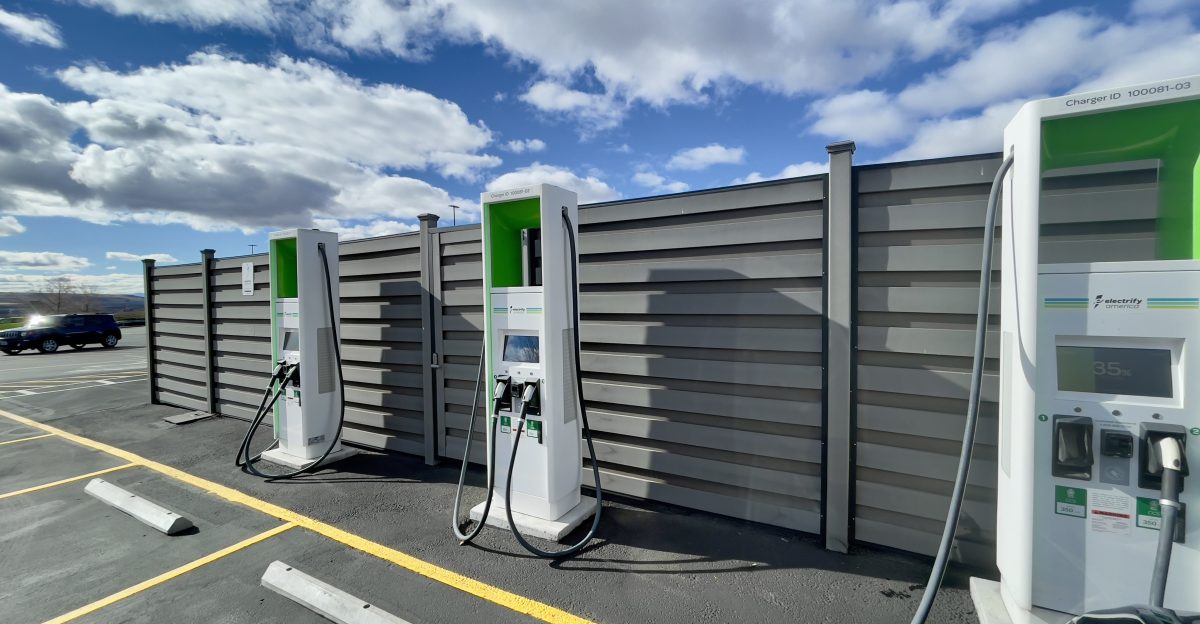
This legal fight centers on federal infrastructure policy, which now operates through grant conditions and technical standards alongside appropriations. “Uptime” converts a charger into a monitored service with data reporting obligations.
Businesses that host chargers, such as gas stations and truck stops, become quasi-utility operators under federal specifications. The eligibility rules for funding act as the real policy mechanism. Funding only continues if chargers meet strict performance targets.
The Cost of Downtime
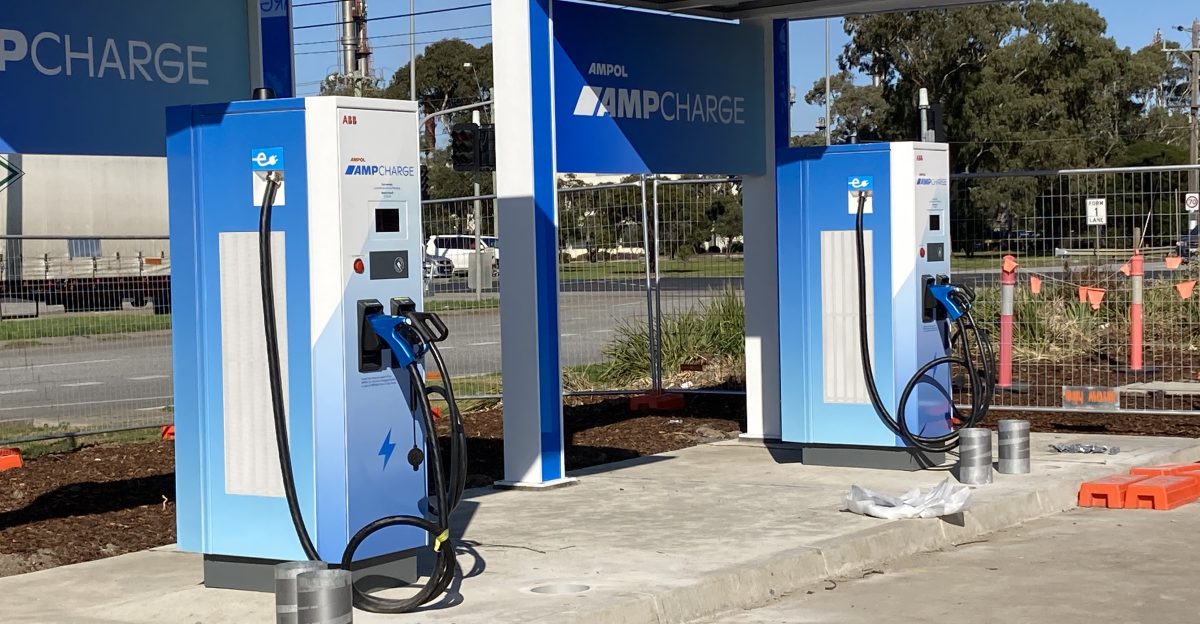
Ninety-seven percent annual uptime allows for roughly 11 days of downtime per charger each year. Exceeding that threshold, even by a small margin, puts federal funding at risk.
A gas station owner in Colorado, dealing with storm-related outages, could use up the entire downtime allowance after a single severe event. The NEVI rule creates a steep compliance requirement that can be most challenging for small operators.
Delays and Consequences for Drivers
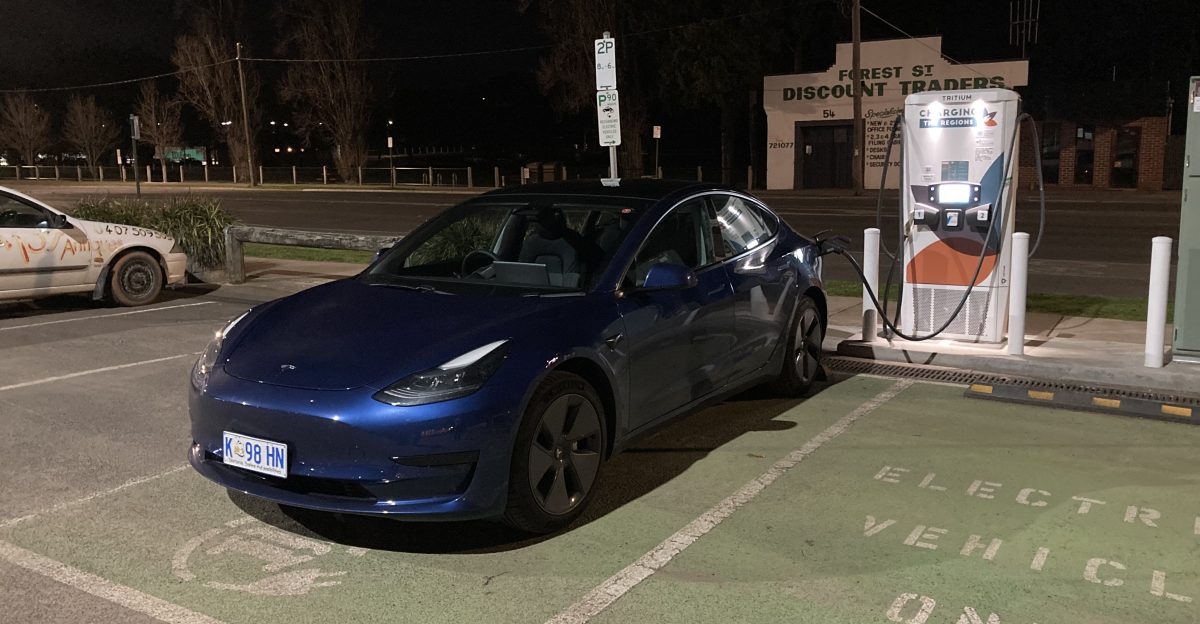
Legal disputes often delay infrastructure progress. Lawsuits freeze funding and create planning uncertainty. Many charger operators and hosts are postponing new station deployments until the rules become clear. This slows the NEVI rollout and delays local construction jobs.
Weaker reliability standards hurt drivers, while high compliance costs hurt small operators. Travelers who need working chargers end up caught in the middle as the fight over regulations continues.
Setting Precedents for All Infrastructure
These lawsuits could set a broad precedent for federal infrastructure programs. If the courts limit the Federal Highway Administration’s authority to impose performance standards or reshape funding terms, every program that relies on operational requirements could face similar challenges. Examples include mandates for broadband uptime, bridge inspections, and water system monitoring.
Federal grants often come with performance conditions, and this dispute could influence how those conditions are enforced nationwide.
Ongoing Disputes and Slow Progress
Other states and industry groups may challenge additional NEVI requirements, such as interoperability and payment standards. The Federal Highway Administration could defend its authority, revise guidance, or adjust enforcement while litigation proceeds. These processes take time. The 500,000-charger target remains delayed.
Each month of litigation is another month without new chargers being built, maintained, or funded, regardless of the eventual court decision. Progress remains stalled while the dispute continues.
Who Bears the Risks and Costs?
The most challenging part of building a national charging network is not the hardware, but ensuring the chargers operate reliably year after year under federal rules. Colorado is contesting the extent of Washington’s authority in creating and enforcing these requirements.
If the states succeed, reliability standards could vary by location. If Washington prevails, the requirements and oversight remain strict. Drivers who encounter broken chargers still face the consequences, regardless of the outcome.
Sources:
U.S. Department of Transportation Federal Highway Administration; National Electric Vehicle Infrastructure Standards and Requirements (Final Rule); 2023-02-27
U.S. Department of Transportation Federal Highway Administration; President Biden, USDOT and USDOE Announce $5 Billion Over Five Years for National EV Charging Network; 2022-02-09
U.S. District Court for the Western District of Washington (reported by Reuters); Trump administration unlawfully suspended EV charger infrastructure program, US judge rules; 2026-01-23
Colorado Attorney General’s Office (reported by ColoradoBiz); Colorado sues Trump administration over EV charging funds; 2025-12-15
ACT News; Federal Judge Rules DOT Illegally Withheld NEVI Funds; 2026-01-28