Colorado Issued 2,540 Left Lane Tickets in 2025 as Left‑Lane Camping Triggered a Cascade of Unsafe Driving Behavior Linked to Deadly Crashes
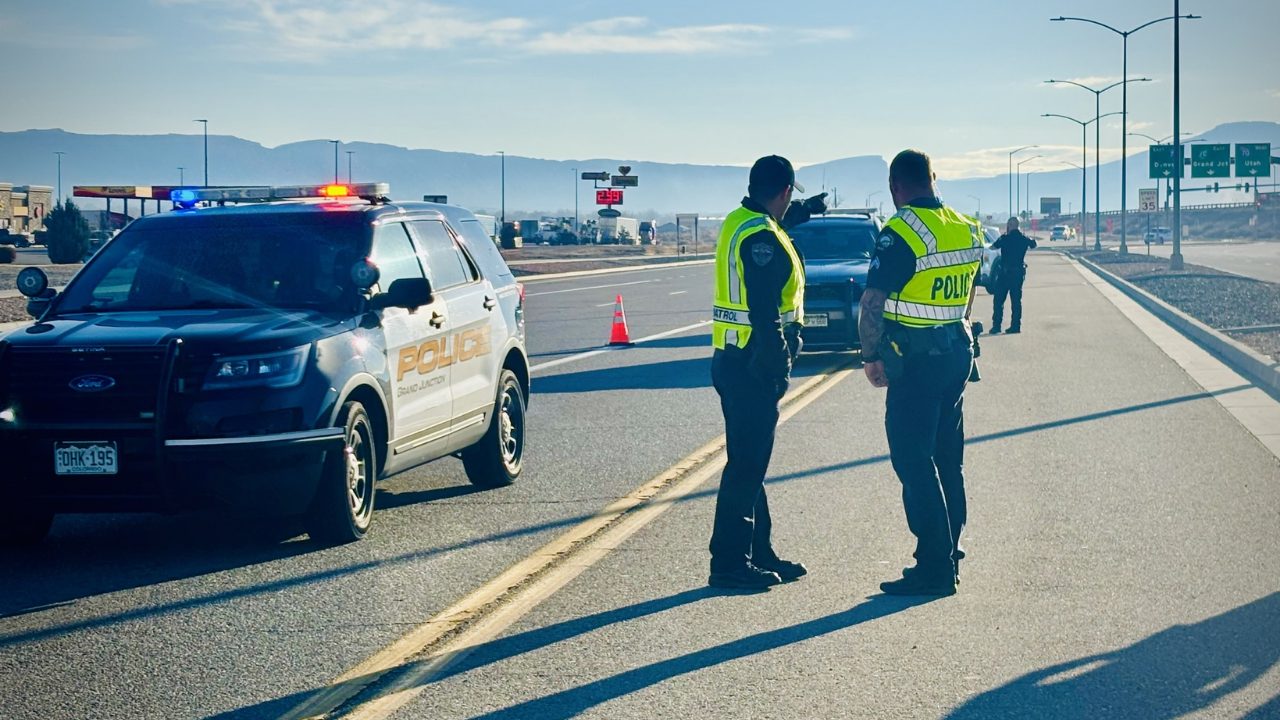
Imagine driving down Interstate 70 at 65 miles per hour. Your rearview mirror suddenly fills with flashing red and blue lights. You are not speeding. You are not weaving. You are simply in the left lane, like many other drivers who believe there is nothing wrong with it. The Colorado State Patrol pulls you over.
In 2025, this situation happened 2,540 times across Colorado. On I‑70 alone, troopers made 962 stops. This stands as one of the most determined campaigns against left‑lane driving in recent memory.
The Law Most Drivers Don’t Know Exists
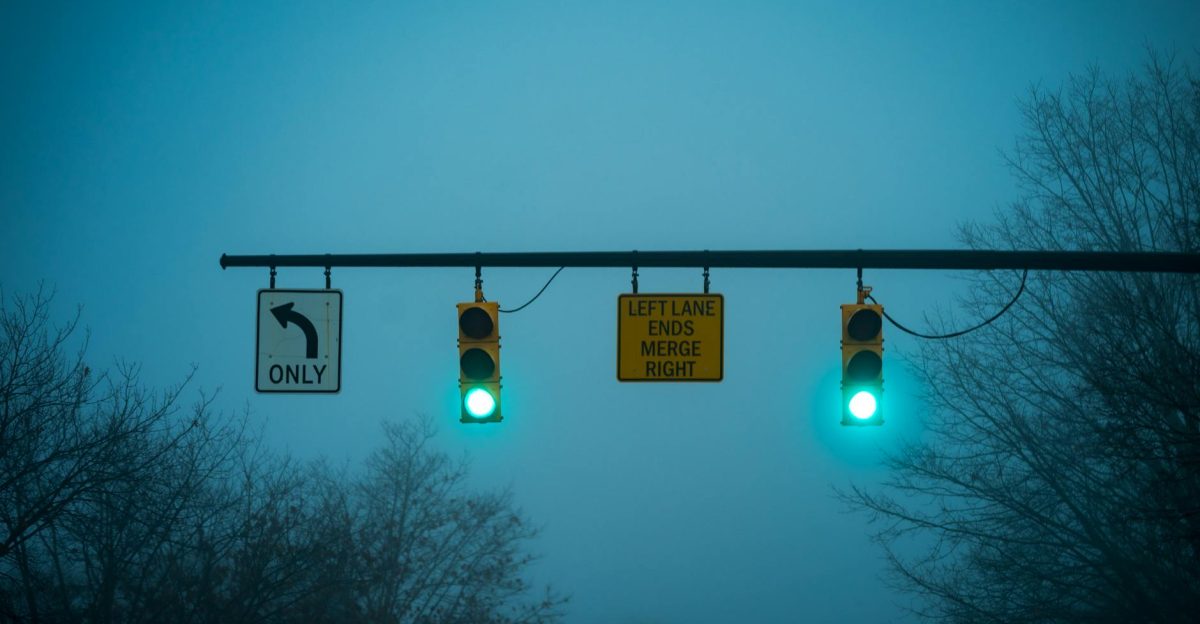
Colorado’s left‑lane law has existed since July 1, 2004, making the left lane primarily a passing‑only zone on any multi‑lane road with a speed limit of 65 mph or higher. Violators risk a fine of about $41 and three points on their license.
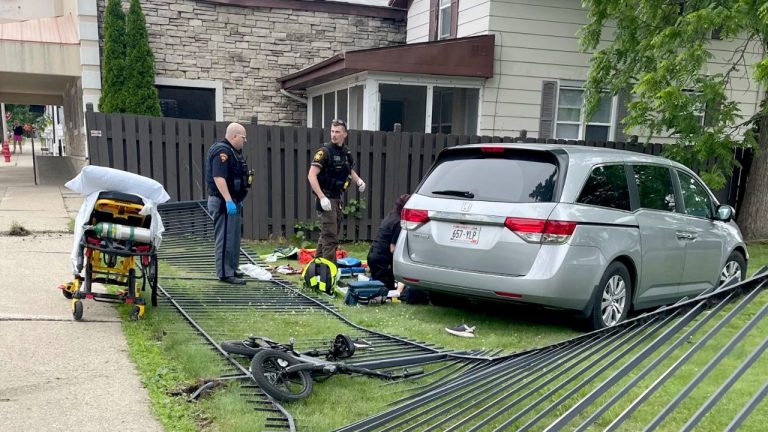
For years, the rule was mostly ignored, and lingering in the left lane became common on I‑70 and I‑25. In 2025, Colorado traffic deaths reached 701, up from 689 the previous year. That increase, along with a rise in impaired‑driving fatalities, led troopers to target the habits contributing to the problem.
The Myth That Got 2,540 People Pulled Over
Many drivers believe that as long as they are going the speed limit, they can use any lane. This is a costly misconception. Col. Matthew C. Packard, chief of Colorado State Patrol, put it bluntly: “Even if you are driving the maximum legal speed limit, the left lane is not intended to be a permanent travel lane.”
Under Colorado law, speed and lane use are two separate rules. Following one does not fulfill the other. For 2,540 drivers, learning that distinction came with a hefty price in both dollars and pride.
Speed Limit Compliance Won’t Save You
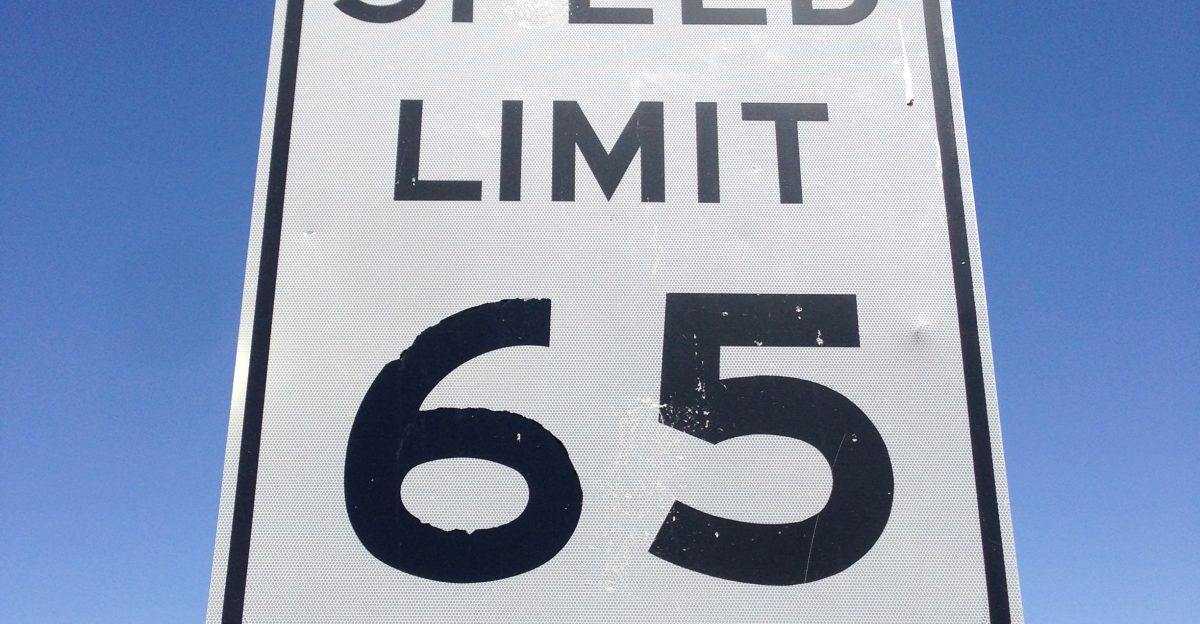
A driver can travel exactly 65 on a 65 mph highway and still be pulled over for remaining in the left lane. The law concerns traffic flow, not speed. Pass, then move right. That is the expectation. Packard added that “interfering with traffic flow is also unsafe driving behavior.”
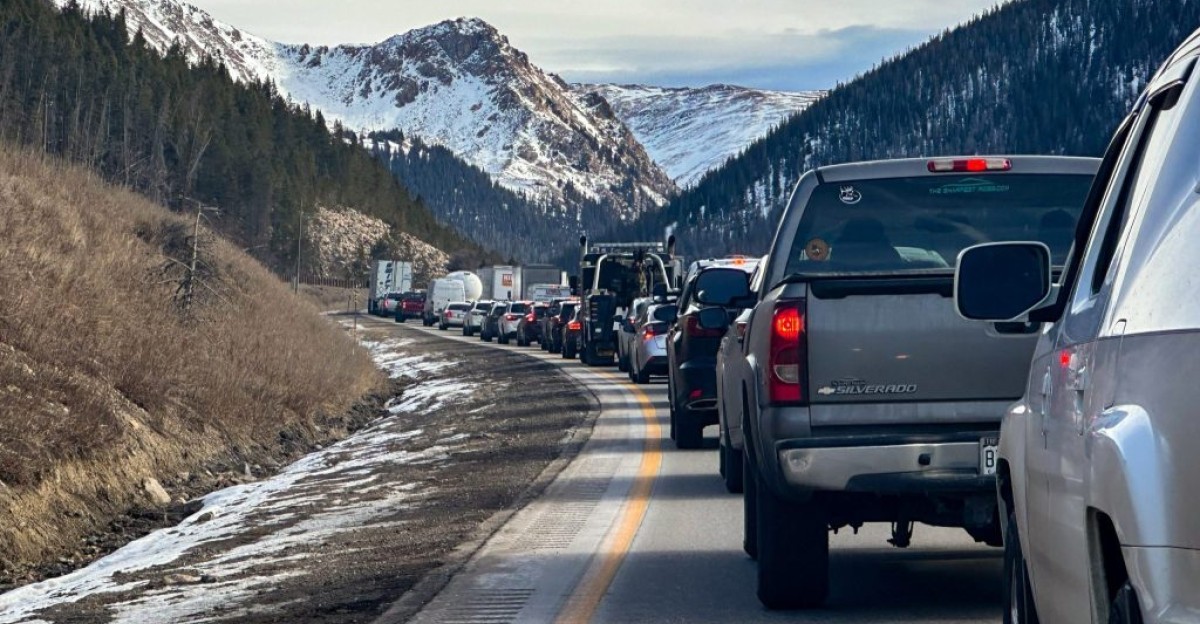
One person camps in the left lane at the limit. Ten frustrated drivers pile up behind, each forced to make risky choices: unsafe passes, tailgating, and aggressive lane changes. Crashes rarely involve the camper. The drivers reacting to the blockage face the greatest risk.
The Cascade Nobody Sees
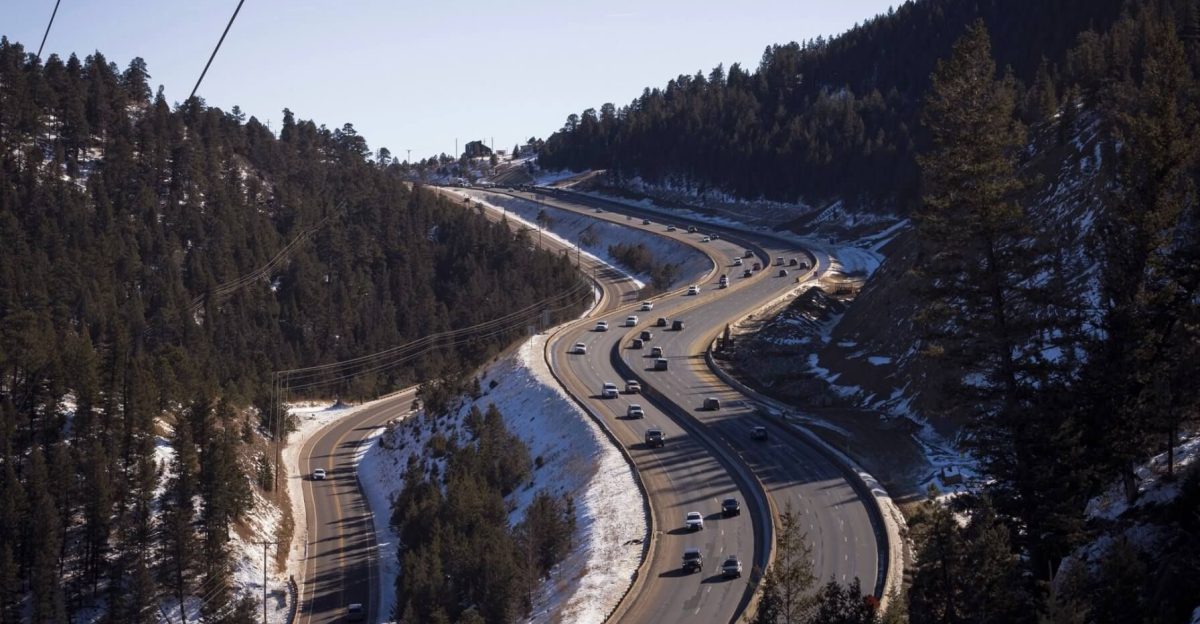
Trooper Gabriel Moltrer summed it up: “When they do that, people start passing on the right.” Passing on the right can ignite a dangerous chain reaction. Safety research and national data show that lane‑change and related conflicts are a documented source of serious crashes, including fatal ones, even though they represent a relatively small share of all fatal freeway crashes in the U.S.
Left‑lane camping is like a logjam in a river: it may appear harmless, but the pressure behind it forces desperate and sometimes deadly moves.
The Numbers Behind the Wreckage
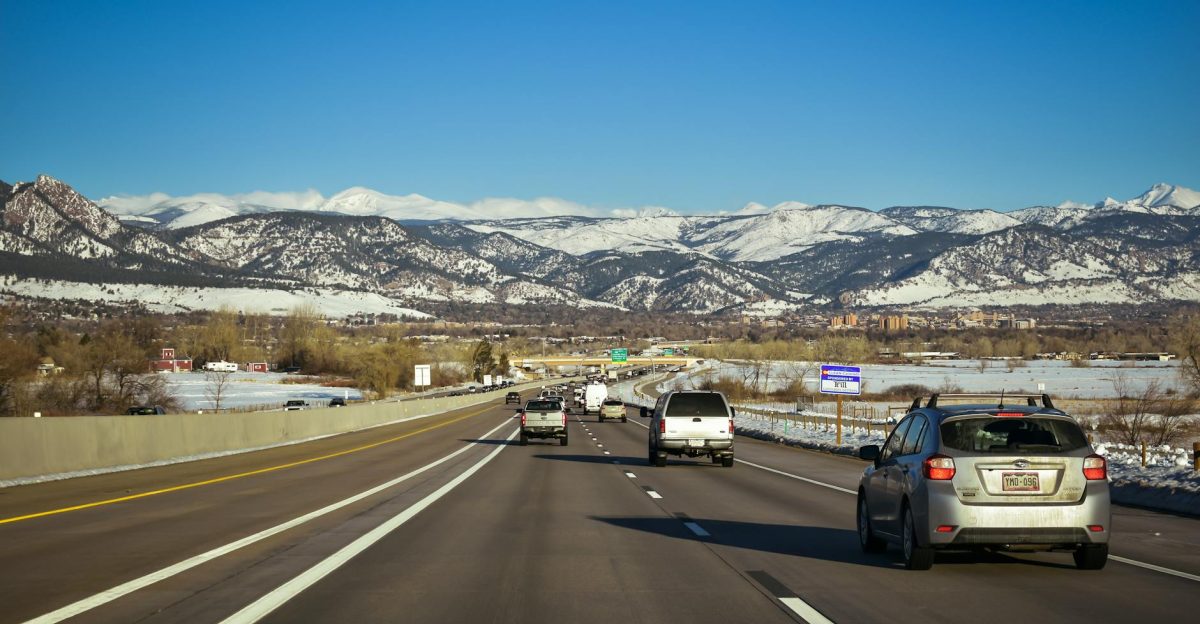
Nationally, lane‑change‑related crashes are a small fraction of all fatal crashes on divided highways, but they are often severe when they happen. Drivers may try to squeeze by a left‑lane camper, misjudge the gap, and suddenly veer off at highway speed. In Colorado, I‑70 accounted for 962 of those 2,540 stops, with I‑25 close behind at 564. Highways 50, 160, and E‑470 combined for another 636.
The most common time for stops is Friday afternoons between 1 and 7 p.m., when the danger peaks and troopers increase enforcement.
The Ripple Hitting Truckers and Commuters

Truckers already know the rules. On steep stretches of I‑70 through the mountains — including areas like Floyd Hill, Georgetown Hill, the Eisenhower‑Johnson Memorial Tunnels approaches, Vail Pass, Dowd Junction, and Glenwood Canyon, commercial vehicles have long faced restrictions that keep them out of the left lane to reduce conflicts and brake‑related crashes.
Brake failures are a known problem on these grades and feature prominently in serious truck crashes along I‑70, which is one reason Colorado treats speed and lane discipline so seriously in the corridor. The impact is not limited to safety; dollars and minutes are at stake. With 2,540 left‑lane contacts at roughly $41 per violation before fees, enforcement could easily represent well over $100,000 in fines, and better traffic flow on I‑70 and I‑25 could mean faster commutes for everyone.
A New National Rule, Not an Exception
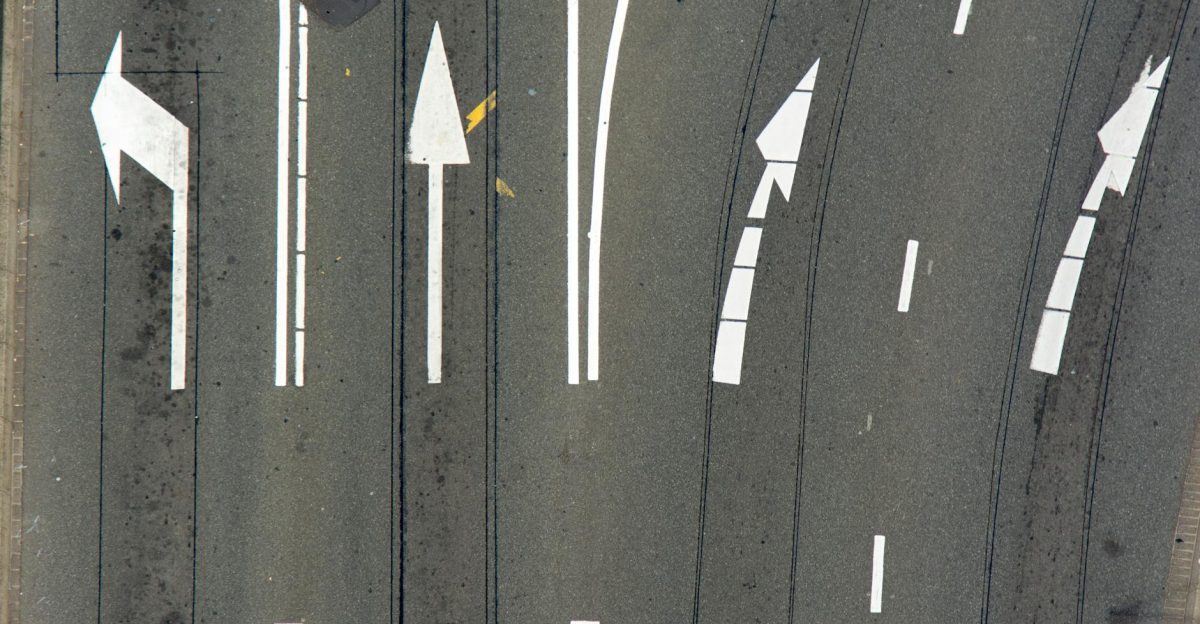
Colorado does not stand alone. Connecticut and other states have left‑lane laws that treat the left lane as a passing lane and back that up with fines and enforcement. North Carolina and several other states have implemented or expanded bans that keep many heavy trucks out of the far‑left lane on major multi‑lane highways. Other states, including some in the West and Northeast, are debating or tightening similar rules as left‑lane compliance becomes a measurable safety metric, no longer just a suggestion on a sign.
The Enforcement That Couldn’t Stop the Bleeding

Even after 2,540 left‑lane stops and a major enforcement push, Colorado’s traffic deaths still climbed to 701 in 2025, up from 689 in 2024. Impaired driving deaths rose to 234, up from 215 in 2024, an increase of about 9 percent. Warm weather late in the year put more drivers on the road during November and December. Enforcement alone cannot solve the problem if drivers do not understand the rules.
If voluntary compliance does not improve, the next step could be more technology‑assisted enforcement, such as enhanced license‑plate readers or other automated tools to spot chronic violators.
What You Know Now That Most Drivers Don’t

Many people believe the speed limit determines lane choice. On any highway with a speed limit of 65 or more, the left lane is reserved for passing under Colorado law. One driver blocking the left lane can trigger a chain reaction behind them, forcing others into riskier moves.
Improper lane use, including left‑lane conflicts and the aggressive passing they can provoke, plays a role in a meaningful share of serious and fatal freeway crashes, even if it is not the leading cause overall. States that have not acted face a clear choice: adopt, clarify, or enforce keep‑right and left‑lane laws, or accept that those preventable crashes will continue.
Sources:
KRDO NewsChannel 13 (Abby Smith), Colorado State Patrol warns against “lane camping” on highways, March 18, 2026
SECO News, Colorado State Patrol Reminds Drivers: Left Lane Is for Passing on 65 MPH Highways, March 7, 2026
Boesen Law Firm, Explaining Colorado’s “Left-Lane Law”, July 4, 2022
The Colorado Sun, Colorado saw more traffic deaths in 2025, including rise in impaired driving fatalities, January 22, 2026
Colorado Politics, Colorado traffic deaths climb to 701 in 2025 as officials push new safety measures, January 22, 2026
The Pagosa Springs Sun, Early CDOT data says 234 traffic deaths involved an impaired driver last year, January 6, 2026