Chrysler’s ‘Unmatched’ CEO Launches Brand’s Future Face—178,000 Have Defective Airbags
New LED headlamps. An illuminated piano-key grille. A redesigned wing badge. Chrysler’s new CEO, Matt McAlear, stood at the New York Auto Show on April 1, 2026, and presented the refreshed 2027 Pacifica like a man holding a winning hand.
“The future face of Chrysler is here,” the brand’s own press materials declared. Behind him, a minivan. In front of him, a minivan. To either side, nothing else. Chrysler’s entire lineup now consists of three variations of one vehicle. The confidence on that stage had a shelf life measured in hours.
A Brand Running on Fumes
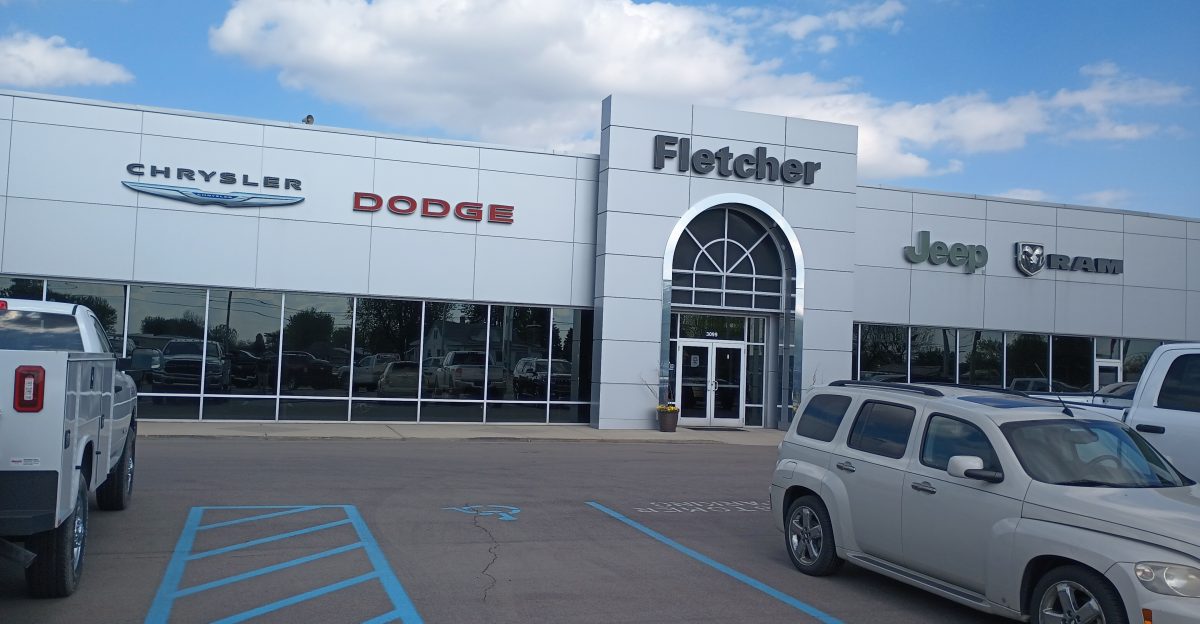
Before McAlear grabbed that microphone, the numbers already told a brutal story. First-half 2025 Pacifica and Voyager sales hit 57,756 units, down 18.5% year-over-year. Chrysler dealer lots held more than 196 days of inventory, double the 98-day industry standard.
Dealers were throwing $3,500 in national bonus cash per vehicle, plus up to $2,750 in additional allowance, just to move metal. That kind of incentive spending signals floor-level demand, not brand momentum. And the competition noticed every bit of it.
Toyota Saw the Opening
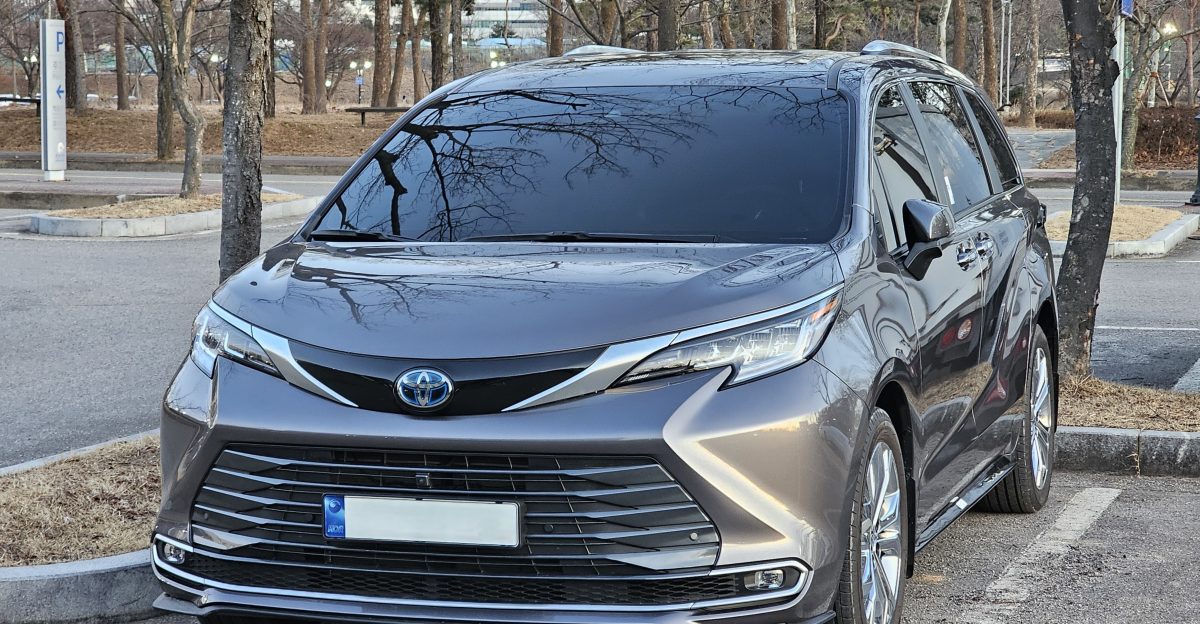
While Chrysler’s sales cratered, Toyota’s hybrid-only Sienna posted 101,486 units in 2025, a 36% increase. The brand that invented the minivan 43 years ago watched a Japanese competitor eat its lunch with a single strategic bet: electrification.
Chrysler’s response? Kill the plug-in hybrid Pacifica. No hybrid replacement confirmed for 2027. The one powertrain advantage Chrysler held over the Sienna, a 32-mile electric range, vanished from the lineup entirely. McAlear still called Chrysler’s segment leadership “unmatched” with a straight face.
The Quote That Aged in Real Time
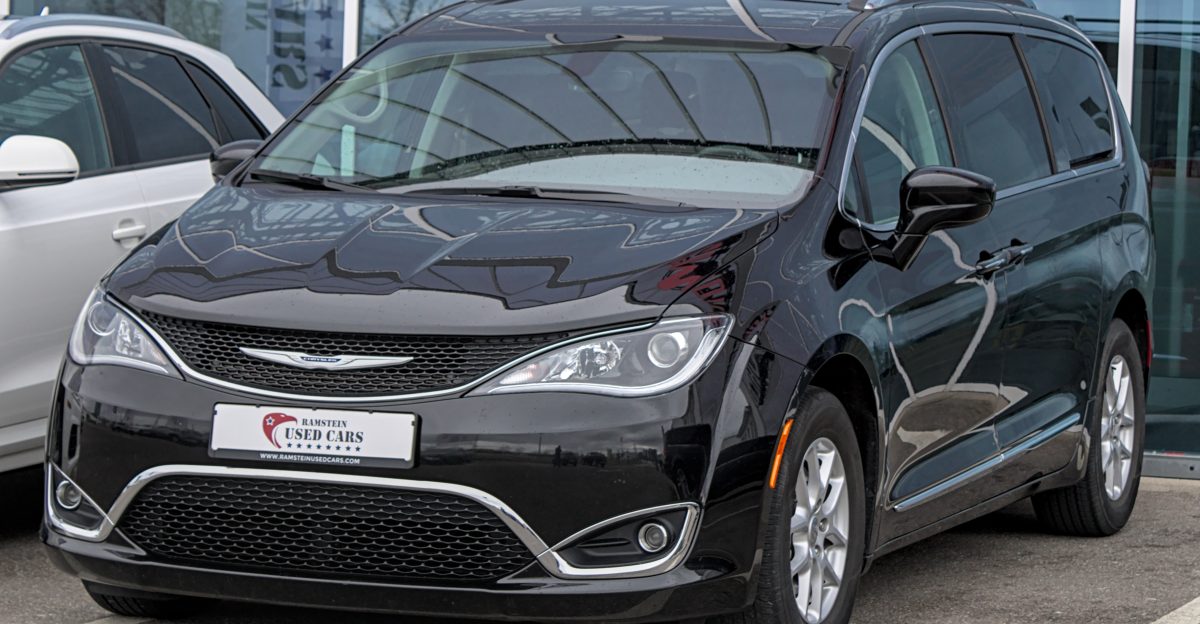
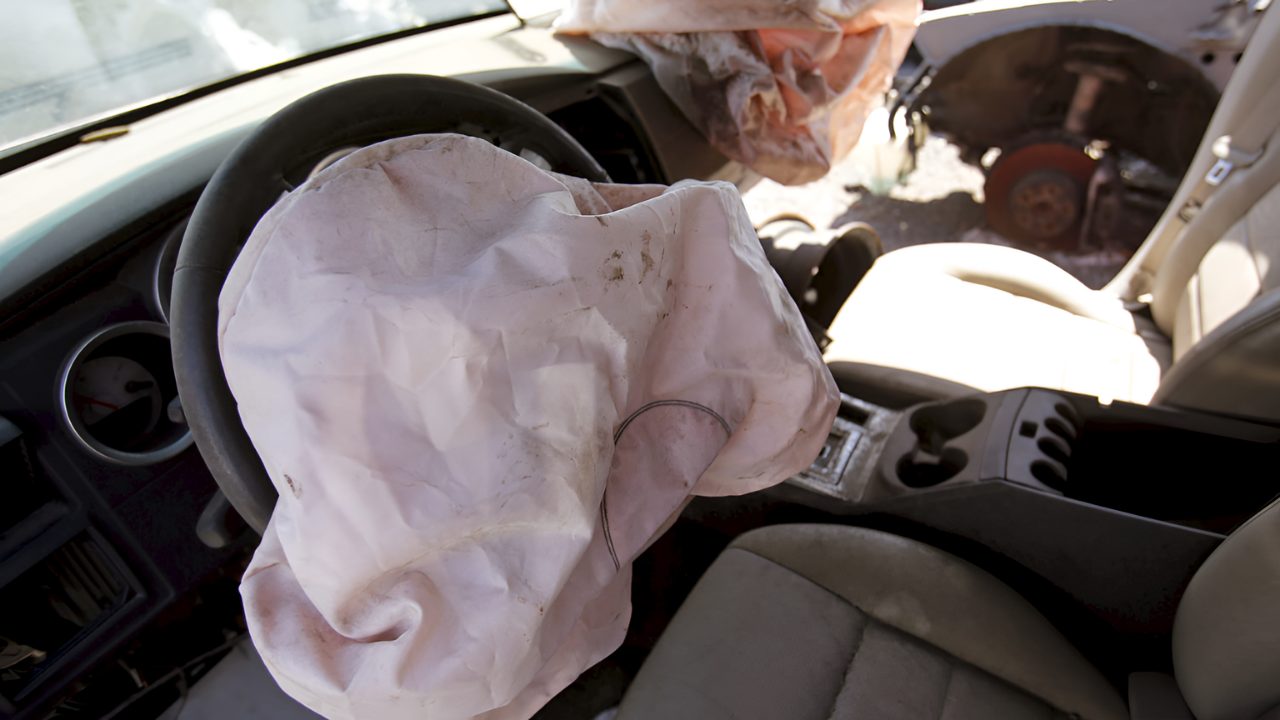
“Chrysler invented the minivan 43 years ago, and with more than 16.6 million sold, including more than 1.15 million Pacifica models, our leadership in this segment remains unmatched.” McAlear said that on April 1. The same week, a safety recall hit 178,246 Pacifica and Voyager minivans for curtain airbags that may not maintain pressure during crashes.
Approximately 30% of those vehicles, roughly 53,500 minivans, may still be on the road with the defect. Unmatched leadership. Defective airbags. Same breath.
The Hidden Cost-Cutting Playbook
Parent company Stellantis absorbed €25.4 billion in unusual charges in 2025, posting a net loss of €22.3 billion. That restructuring didn’t build Chrysler a new platform. It consolidated the brand into a single-product profit center. Fewer models, lower R&D, one aging architecture stretched across three trim names. The “design blueprint for the next generation” is a styling refresh on a platform launched in 2015, now entering its twelfth year. Stellantis dressed up cost rationalization in LED headlamps and called it vision.
Chrysler has future products on paper — an all-new crossover codenamed C6X, a smaller crossover, and a possible sedan. None appeared at the New York Auto Show. The C6X was paused in January 2025 when Stellantis told suppliers to suspend development spending, then quietly repositioned as a hybrid-first 2027 model with no confirmed production date. The CEO who championed that roadmap, Christine Feuell, departed Stellantis on March 5, 2026. Until codenames become VINs, Chrysler’s future lineup is a slide deck, not a product portfolio.
The Base Model They Left Behind
The new styling applies only to Select, Limited, and Pinnacle trims. The base LX, starting at $43,490, retains the 2017-era Voyager design. A buyer spending nearly $44,000 on Chrysler’s “future face” gets a face from seven years ago.
That split reveals the internal conflict: marketing wants a unified brand identity, but product planners protect margin on the budget model. If roughly a quarter of volume moves through the LX, thousands of new Pacificas will roll off lots looking like leftovers from the previous decade.
Dealers Caught in the Squeeze
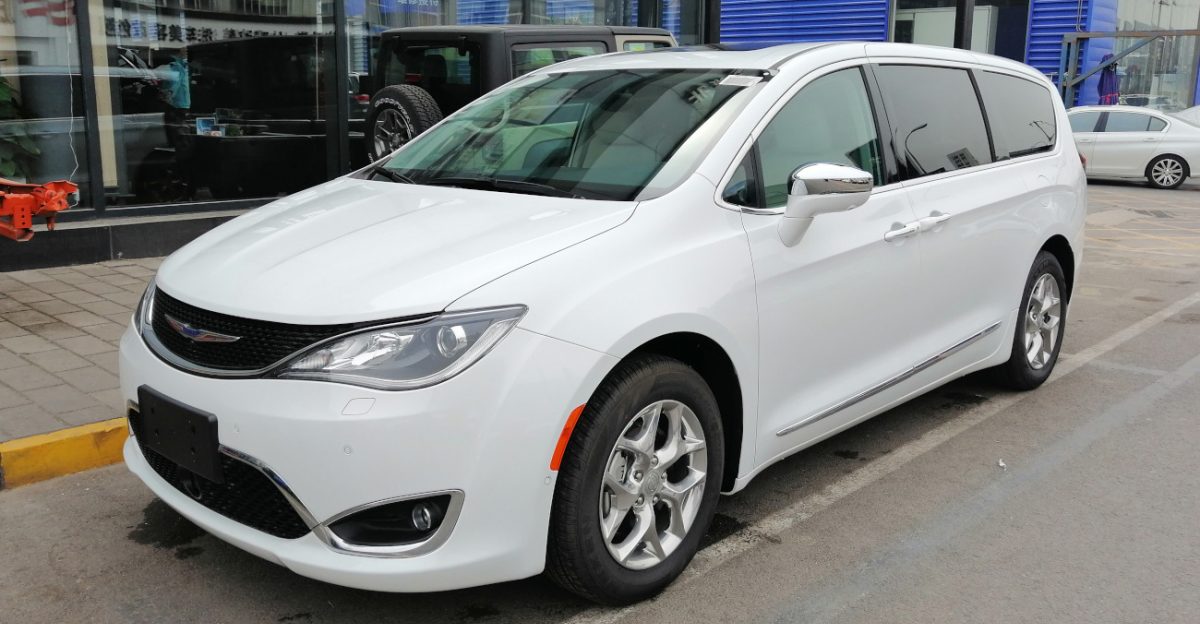
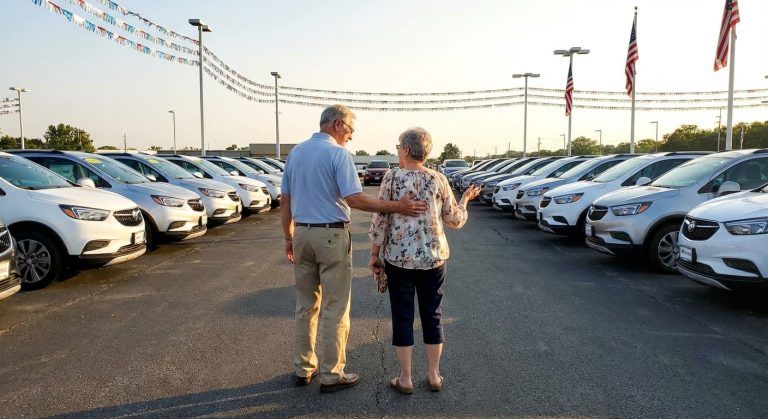
Chrysler dealers now face a collision: the 2027 Pacifica arrives summer 2026 while 196-plus days of existing inventory sits unsold. Airbag recall notifications hit owners between mid-May and late May, overlapping the new-model order push.
Projections for March 2026 already showed U.S. new-vehicle retail sales declining 13.3% year-over-year. Dealers selling a minivan-only brand in a shrinking market, with recalled stock on their lots and bonus cash eroding margins, have no escape hatch. Chrysler discontinued the 300 sedan in 2023 with no successor planned.
A 22-Year-Old Innovation as the Last Defense
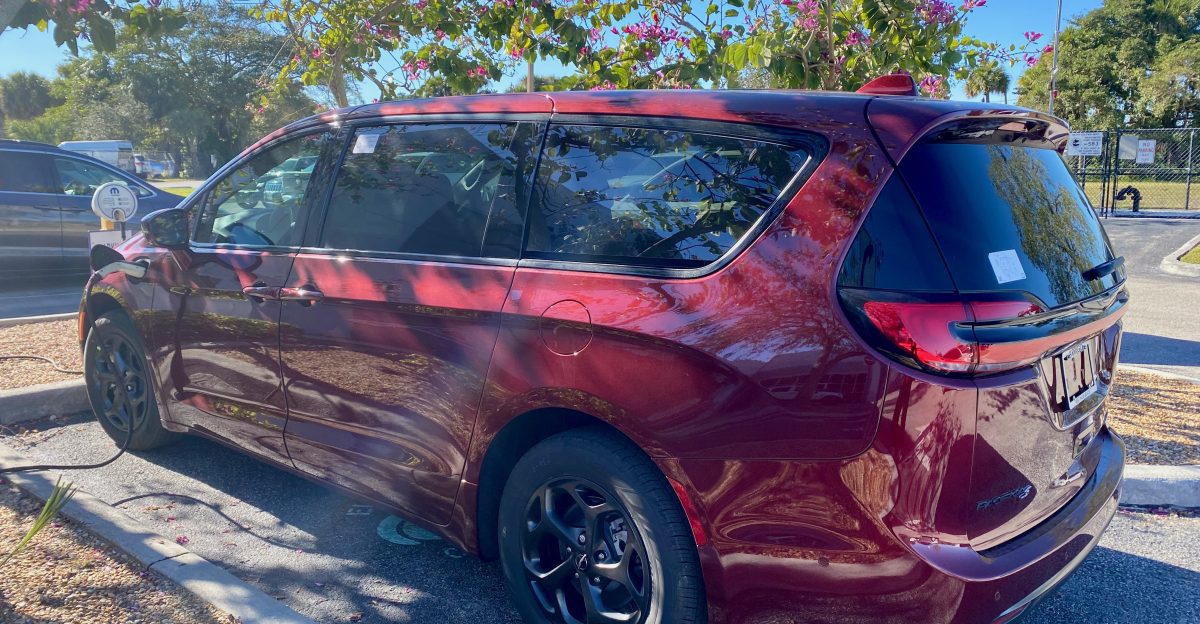
Chrysler’s strongest remaining differentiator is Stow ‘n Go seating, a feature that debuted in 2005. More than 5 million minivans have sold with it. No competitor offers it. But a 22-year-old seat-folding mechanism cannot hold off a hybrid powertrain revolution.
Toyota built its Sienna strategy around fuel economy and electrification. Chrysler built its strategy around a feature older than most of the kids riding in the back seat. Once you see the pattern, the “design blueprint” language reads like a eulogy formatted as a press release.
The Escalation Nobody’s Discussing
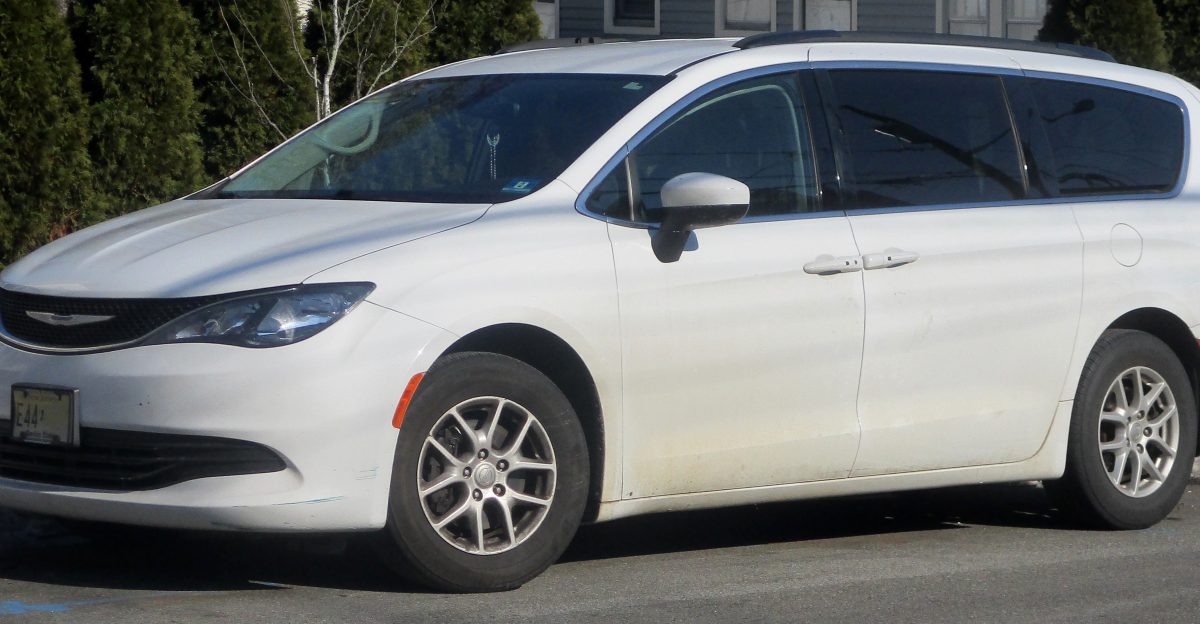
If the summer 2026 launch disappoints, Stellantis has limited options: discontinue the Voyager nameplate, consolidate to a two-trim Pacifica, or announce an electric-minivan pivot to recapture the innovation narrative. Meanwhile, Toyota and Kia are eyeing the vacuum. The Sienna could push into luxury minivan territory Chrysler abandoned.
The Carnival HEV could claim the performance niche. Chrysler cannot survive a third consecutive down year without existential restructuring, and every competitor knows exactly how thin the ice has gotten.
What Most People Still Don’t See
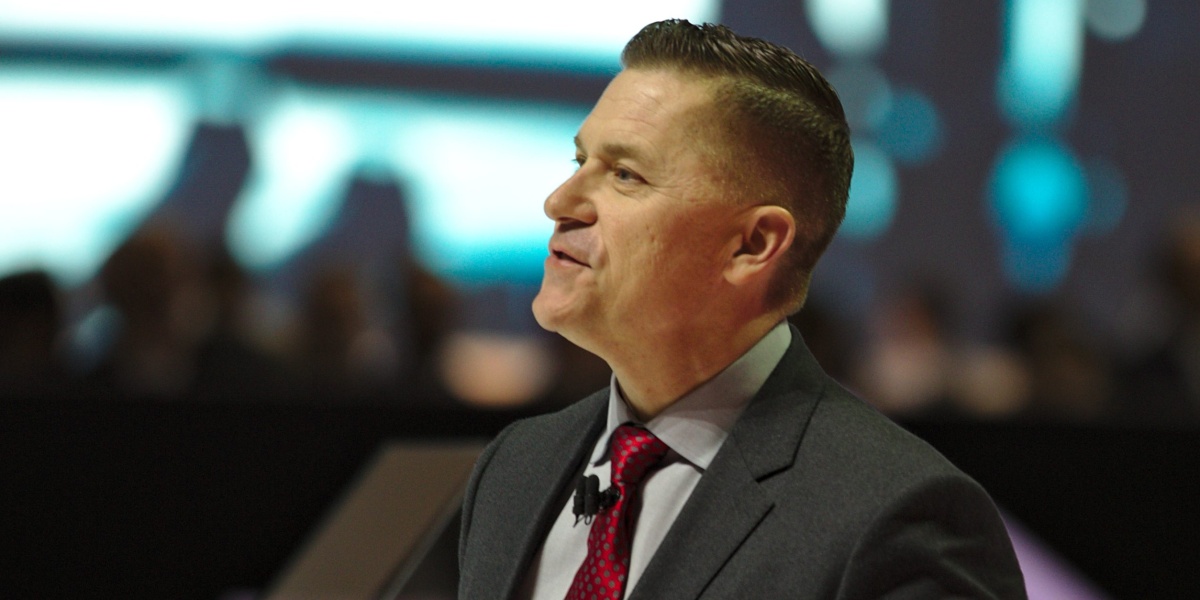
Stellantis head of American brands Tim Kuniskis said it plainly about the next Pacifica: “We may get to the new one and say it’s the same van and you don’t have it.” That’s not a threat to competitors. That’s an admission.
The brand that created the minivan category now defends it with a refreshed grille, a discontinued hybrid, and roughly 53,500 families driving minivans with airbags that might not work. The next face of Chrysler was supposed to inspire confidence. It should inspire a second opinion.
Sources:
Stellantis NV, “Chrysler to Reveal Refreshed 2027 Pacifica at 2026 New York International Auto Show on April 1, 2026,” press release, March 23, 2026.
“Chrysler’s Minivan Crown Slips as Toyota, Honda and Kia Surge in 2025,” MoparInsiders, July 8, 2025.
“Chrysler Recalling 178K Modern Minivans Due to an Airbag Issue,” Car and Driver, March 30, 2026.
Stellantis NV, 2025 Full-Year Results, Feb. 25, 2026.
Toyota Motor North America, “Toyota Motor North America Reports 2025 U.S. Sales Results,” press release, Jan. 5, 2026.
J.D. Power and GlobalData, “U.S. Automotive Forecast for March 2026,” press release, March 25, 2026.