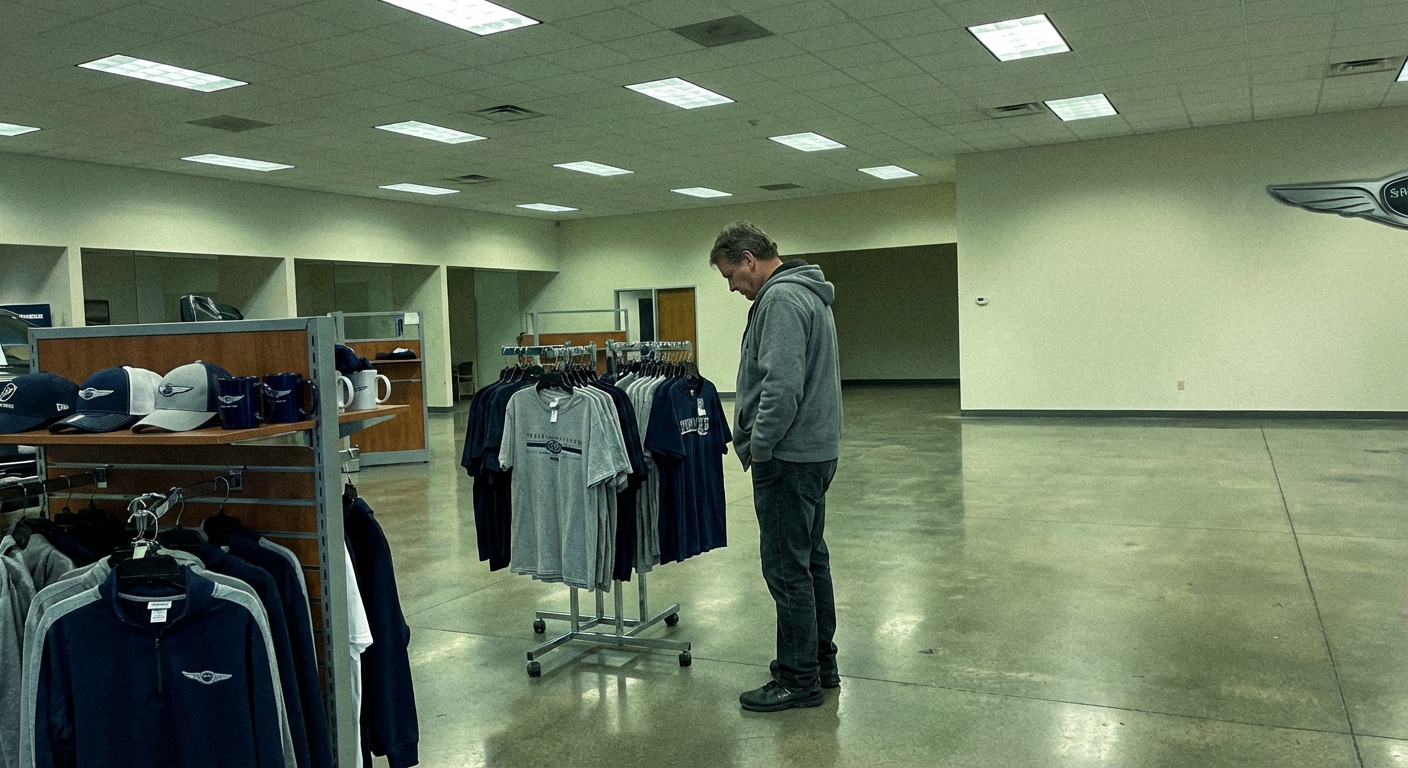
Chrysler Fills Sad Merch Shop With Dead Plymouth Logos As Stellantis’ 44‑Billion‑Dollar Loss Deepens
Chrysler’s latest headline is not a new car but a merch shop filled with legacy logos, a striking symbol of how far the once-dominant American brand has fallen. With its U.S. lineup now centered on the Pacifica minivan, Chrysler stands as one of Stellantis’ thinnest nameplates at a time when the parent company’s sales pressure has only sharpened questions about where investment is going. What looks like a harmless nostalgia play carries a much heavier message. When a carmaker starts selling its past more loudly than its future, the merchandise can reveal more than any showroom ever could.
A Showroom Built Around One Vehicle
Visit Chrysler’s consumer website and the reality becomes clear fast. The entire modern lineup revolves around the Pacifica minivan, with confirmation from Car and Driver and Edmunds reinforcing that Chrysler effectively operates as a one-model brand in the U.S. market. Sedans, coupes, and performance icons that once defined the badge are gone. This narrowing did not happen overnight. It reflects years of shrinking investment and shifting priorities. The merch store starts to make more sense when the showroom itself feels this quiet, raising a bigger question about how that shift began.
When Heritage Becomes A Business Asset
A recognizable badge often feels like a guarantee of longevity, but Stellantis frames Chrysler’s heritage as a corporate asset on its official brand page. That wording carries weight. It suggests history can be monetized even without new vehicles. Pride turns into accounting logic. When legacy becomes an asset class, attention shifts away from engineering and toward brand value extraction. The growing presence of logo-driven merchandise begins to look less like celebration and more like strategy. That shift reveals how decisions inside Stellantis are shaping Chrysler’s direction behind the scenes.
The Logo Takes Center Stage
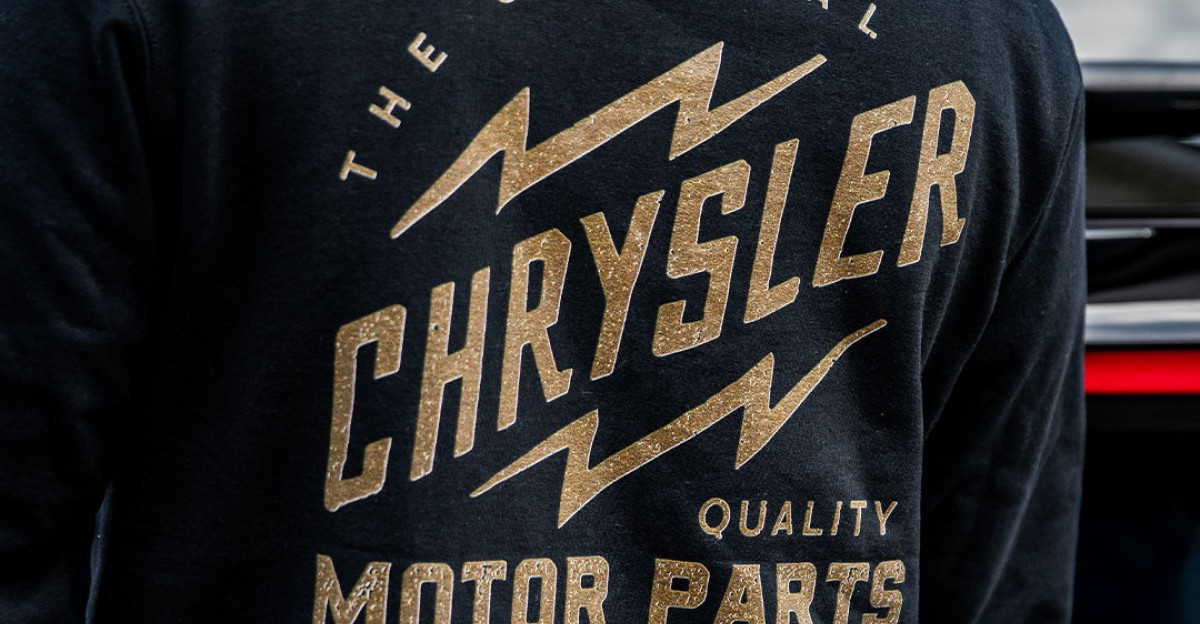
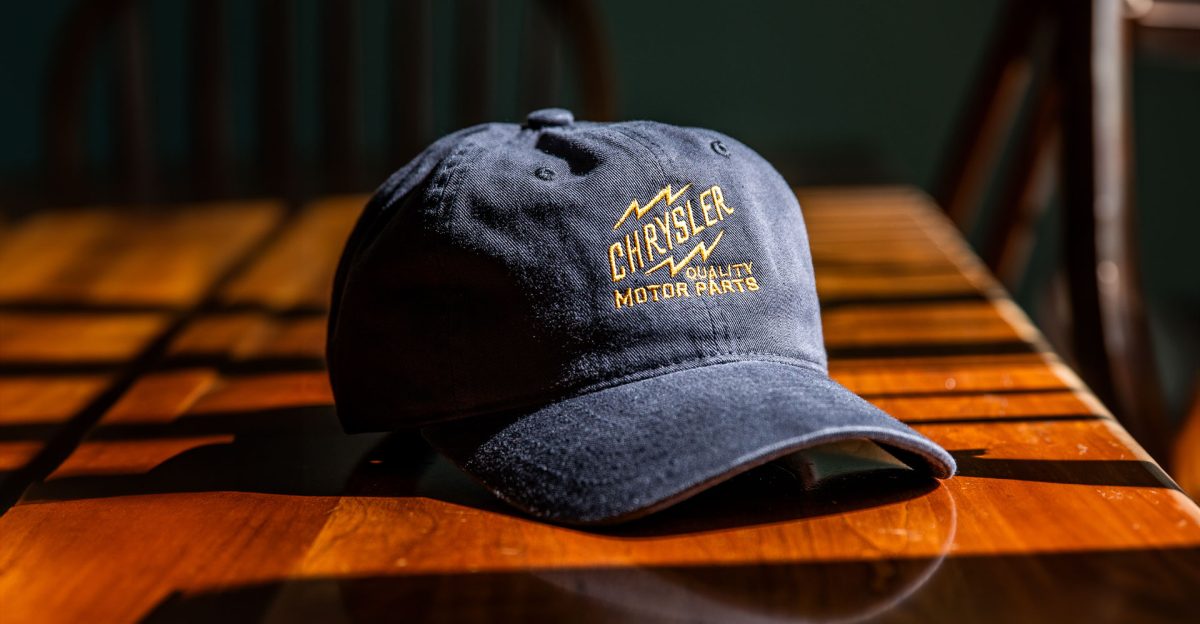
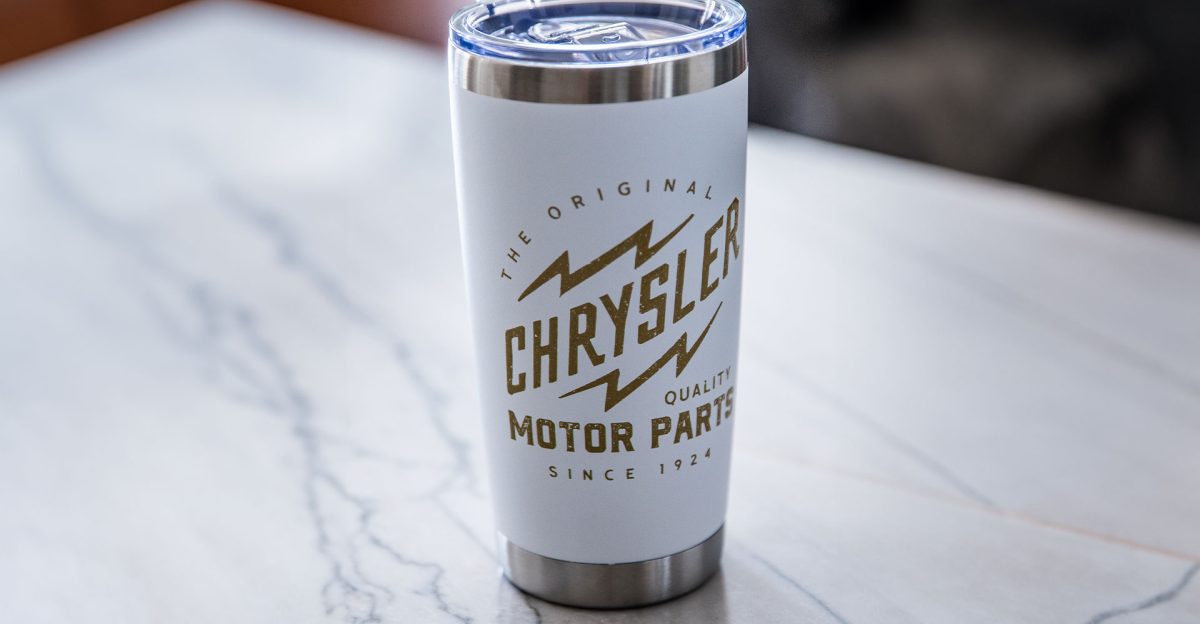
Across Chrysler’s official platforms, apparel and branded goods now compete for attention alongside vehicles. The imbalance is hard to ignore. A car company’s most visible output increasingly revolves around clothing rather than transportation. The structure behind that shift is clear. When fewer new models arrive, the logo itself becomes the product. Stellantis can generate revenue from recognition without investing in new platforms or factories. Margins stay high while costs stay low. This approach explains the merch expansion, but it also exposes where product investment has slowed dramatically.
Inside Stellantis Portfolio Competition
Chrysler operates within Stellantis, a multi-brand portfolio guided by the Dare Forward 2030 plan. Electrification requires billions in capital, and every brand competes internally for those resources. Chrysler is not only competing with external rivals like Toyota or Ford. It competes directly with Jeep and Ram for funding, platforms, and engineering support. Those brands deliver higher volumes and clearer returns. The outcome shapes priorities. Like a team focusing on star players, Stellantis directs resources where growth appears strongest. That leaves Chrysler relying more heavily on lower-cost revenue streams.
Regulatory Pressure Shapes Investment Choices
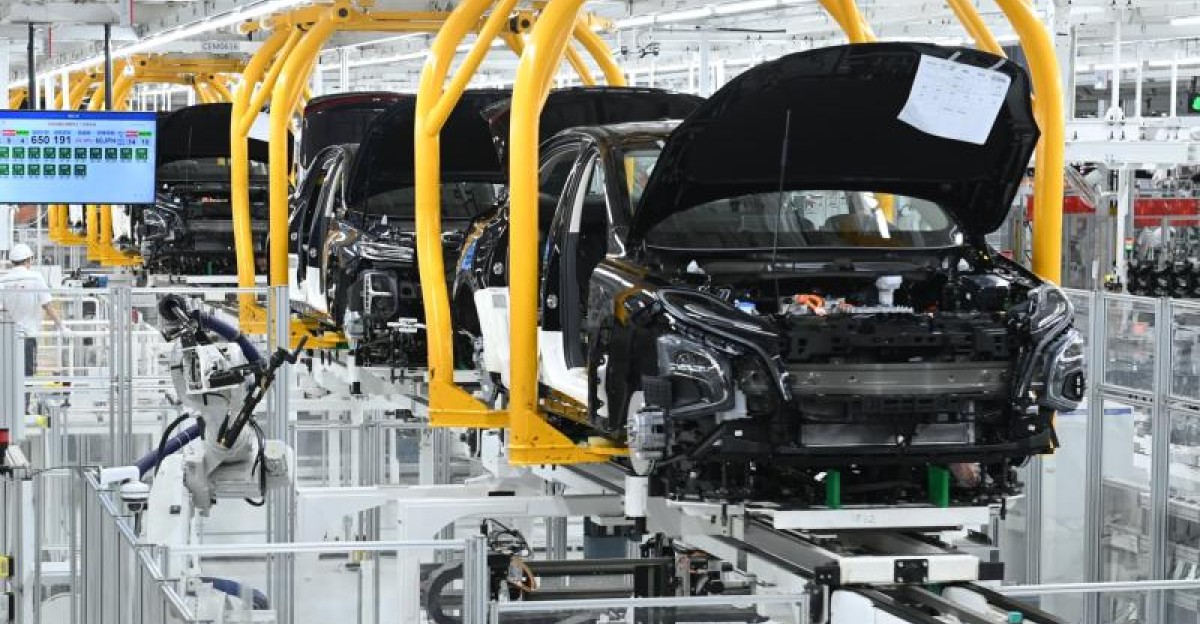
Industry-wide pressure adds another layer. The U.S. EPA Automotive Trends Report tracks fuel economy and emissions, pushing automakers toward electrification and efficiency upgrades. These requirements demand continuous investment. Stellantis reports performance at a corporate level, which means Chrysler’s individual results blend into broader metrics. That structure influences funding decisions. Brands that deliver scale and compliance advantages rise in priority. A single-model lineup struggles to compete in that environment. As regulatory demands grow stronger, internal competition becomes sharper, and Chrysler’s position within the portfolio grows more fragile.
What This Means For Buyers And Dealers

The effects extend beyond corporate strategy. Dealers tied to Chrysler rely on a limited lineup, concentrating risk around fewer vehicles and segments. Buyers who associate heritage with long-term value may face uncertainty in resale and service confidence. A recognizable badge does not guarantee future product support. Across the industry, similar patterns are emerging as companies prioritize electrification spending. Some legacy brands may lean further into lifestyle branding to stay visible. Chrysler offers a clear example of how quickly perception can shift when product pipelines shrink and branding fills the gap.
A Quiet Shift In What A Brand Is
At first glance, this looks like a simple merchandising push. A wider view reveals something more structural. Automakers can maintain cultural presence without expanding vehicle lineups. Heritage becomes inventory. Recognition becomes revenue. This model allows a brand to remain visible even as product development slows. Chrysler illustrates how that transformation unfolds in real time. The company still exists in public consciousness, yet its core output has changed. That shift raises a critical thought about how many other legacy brands could follow the same path.
The Cycle That Reinforces Decline
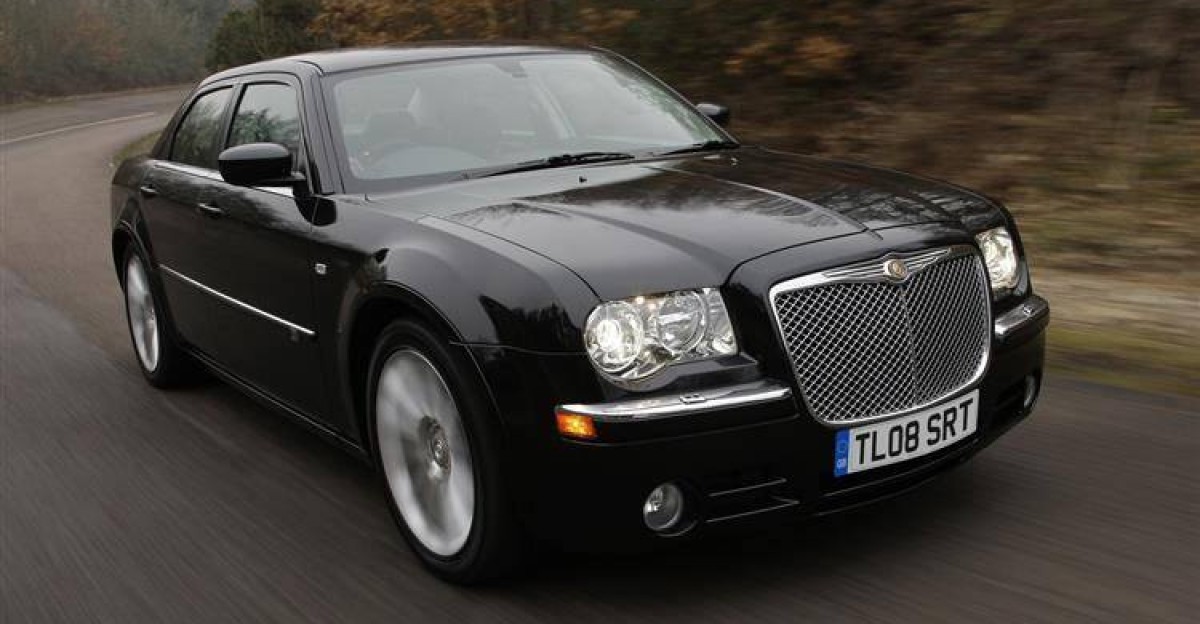
The pattern follows a clear cycle. A shrinking lineup reduces consumer attention. Lower attention increases reliance on nostalgia-based products. That reliance weakens the case for investing in new vehicles. Fewer investments lead to an even thinner lineup. Stellantis strategy documents do not outline a detailed Chrysler-specific product revival, leaving the cycle intact. External factors such as fuel price shifts tracked by the U.S. EIA further influence demand toward efficiency. Each pressure point makes recovery harder. The longer this cycle continues, the narrower Chrysler’s path back to relevance becomes.
Can Chrysler Still Change Course
Stellantis has the ability to reposition Chrysler through a defined electrification roadmap, supported by new models and clear messaging. That option exists within its broader strategy. The timing remains uncertain. No public timeline outlines when or how Chrysler will receive that level of attention. For now, the brand exists between two identities. One tied to its automotive past. Another shaped by licensing and merchandise. The difference between those paths matters. Recognizing whether a brand is building products or selling identity may be the clearest signal of what comes next.