Chinese Firms Control 55.6% Of The $425B EV Battery Market—US Biggest Mine Won’t Open Until 2028
Somewhere in a Nevada desert, construction crews are pouring concrete for a lithium mine that won’t produce a single usable gram for another eighteen months. Meanwhile, two companies on the other side of the Pacific already control more than half the world’s EV battery output. That gap between American ambition and Asian reality defines the next decade of energy. The global EV battery market is on trajectory to reach $425.3 billion by 2034. The uncomfortable part is who owns it, and who’s still digging.
Two Companies, One Stranglehold
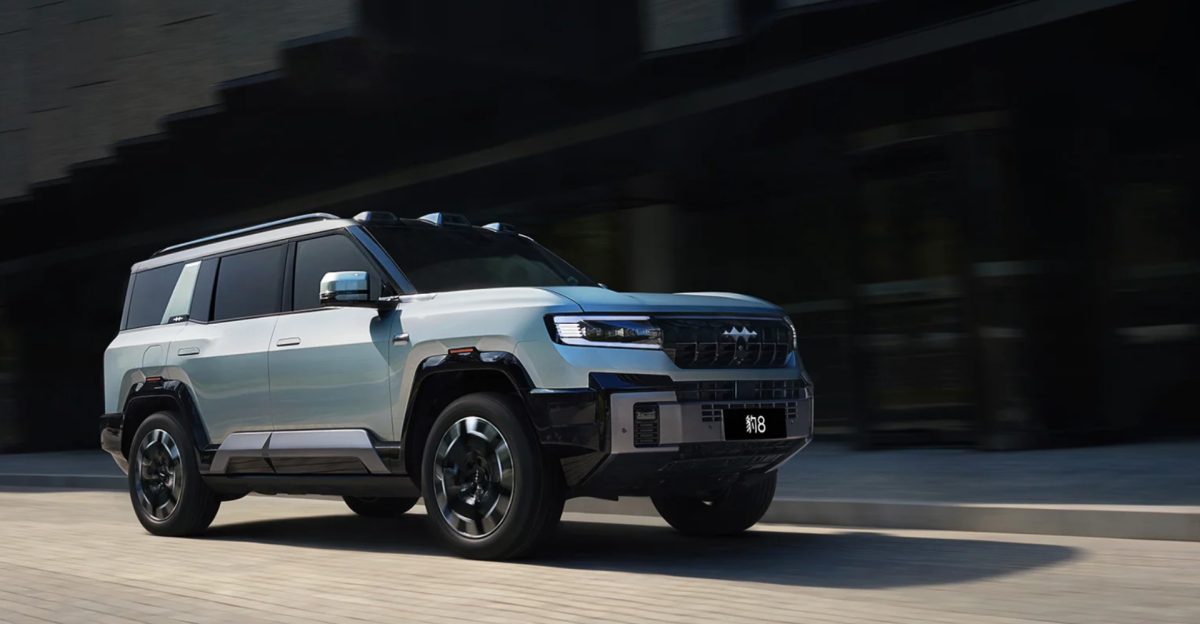
CATL and BYD together installed 659.5 GWh of batteries in 2025 out of 1,187 GWh globally. That 55.6% combined share represents the highest duopoly concentration in battery history. The market grew 31.7% year-over-year, and the two giants kept their grip anyway. Growth was supposed to spread the wealth. Instead, it concentrated power. Six of the top ten global battery manufacturers are Chinese, collectively holding over 70% of worldwide installations. The $86.52 billion market in 2026 already has its landlords picked out.
The Overcapacity Weapon
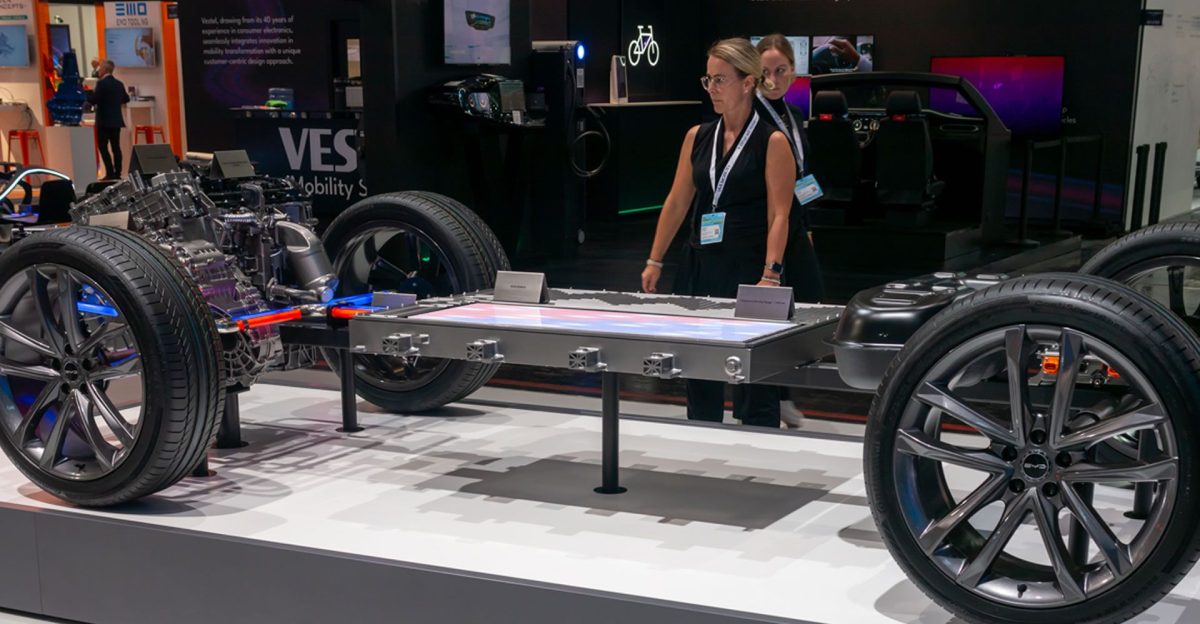
China’s battery production capacity hit 2 TWh in 2024, roughly 60% higher than total global demand. Planned capacity exceeds 6 TWh. That surplus looks like waste. It functions as a weapon. Mid-tier manufacturers holding 2-5% market share face margin compression that forces consolidation or exit. Overcapacity was supposed to open markets and lower prices for everyone. Instead, it built a moat around the incumbents. The assumption that scale democratizes competition just died in a Chinese factory town. Tesla saw this coming and made a different bet entirely.
Tesla’s Quiet Pivot
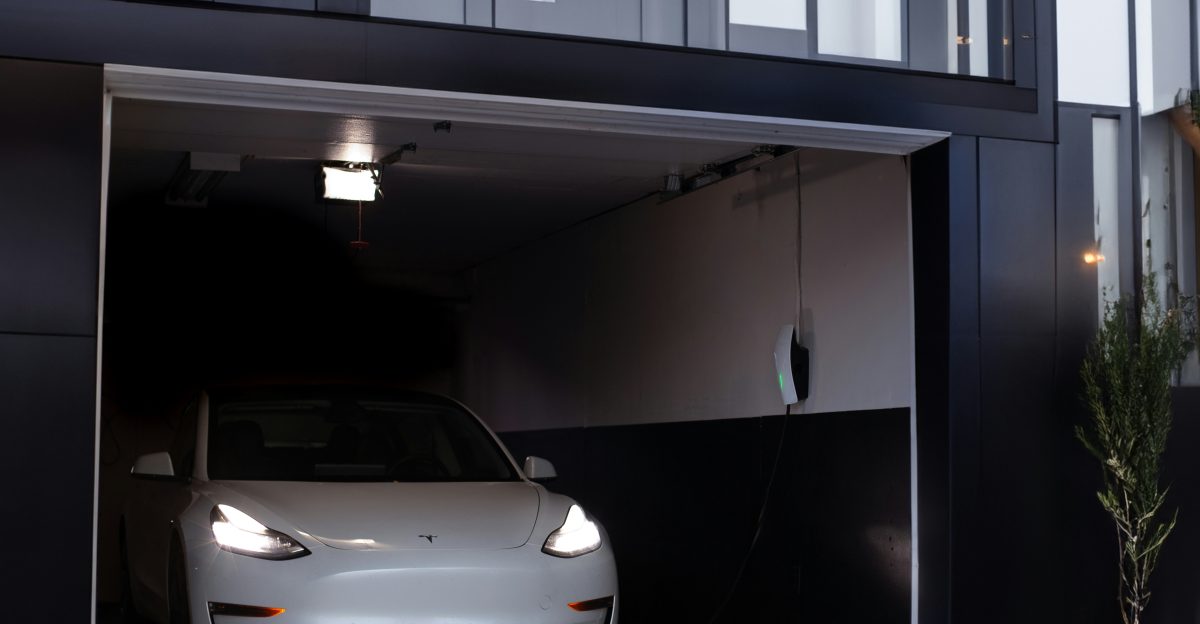
“Tesla is quietly building the most complete battery supply chain in the West,” noted Christopher Chico of Battery Chronicle. That supply chain includes a Texas lithium refinery launched January 2026, the first spodumene-to-hydroxide facility in North America, with 30 GWh annual refining capacity. A 7 GWh LFP factory in Nevada nears completion. Impressive. Except that Nevada factory’s output appears destined primarily for stationary grid storage, not vehicles. The company branded as the EV revolution’s face is redirecting its newest capacity toward higher-margin power walls and grid batteries.
Follow the Margins, Not the Mission
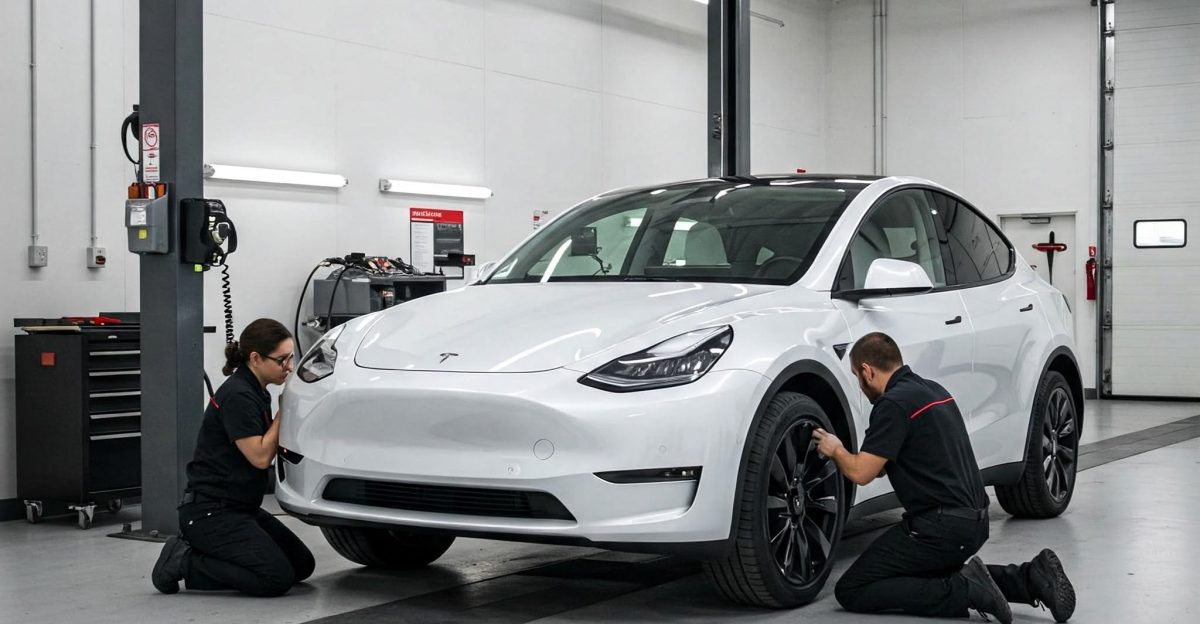
Stationary storage margins run nearly double vehicle battery margins. That single number explains the entire pivot. Capital flows toward profit, not press releases. The broader EV market may scale from $393.39 billion in 2025 to $3,072.92 billion by 2034, but the smart money inside the battery supply chain is chasing grid stabilization, not personal mobility. Battery manufacturing equipment spending alone grows at 14.2% CAGR, faster than the battery market itself at 3.82%. Building the machines costs more than building the batteries. That capital intensity favors the already-consolidated.
The Lithium Math That Breaks Everything
The United States produces less than 1% of global lithium. Asia-Pacific controls 64% of the lithium market. The global lithium market’s CAGR of 18.90% dramatically outpaces the battery market’s 3.82%, meaning raw material value is concentrating faster than finished product value. Whoever controls the lithium controls the pricing. Battery costs collapsed 94.5% over 24 years, from $1,100 per kWh in 2010 to a projected $60 by 2034. Remarkable. But that cost miracle depends entirely on materials America doesn’t own.
The Mine That’s Always Tomorrow
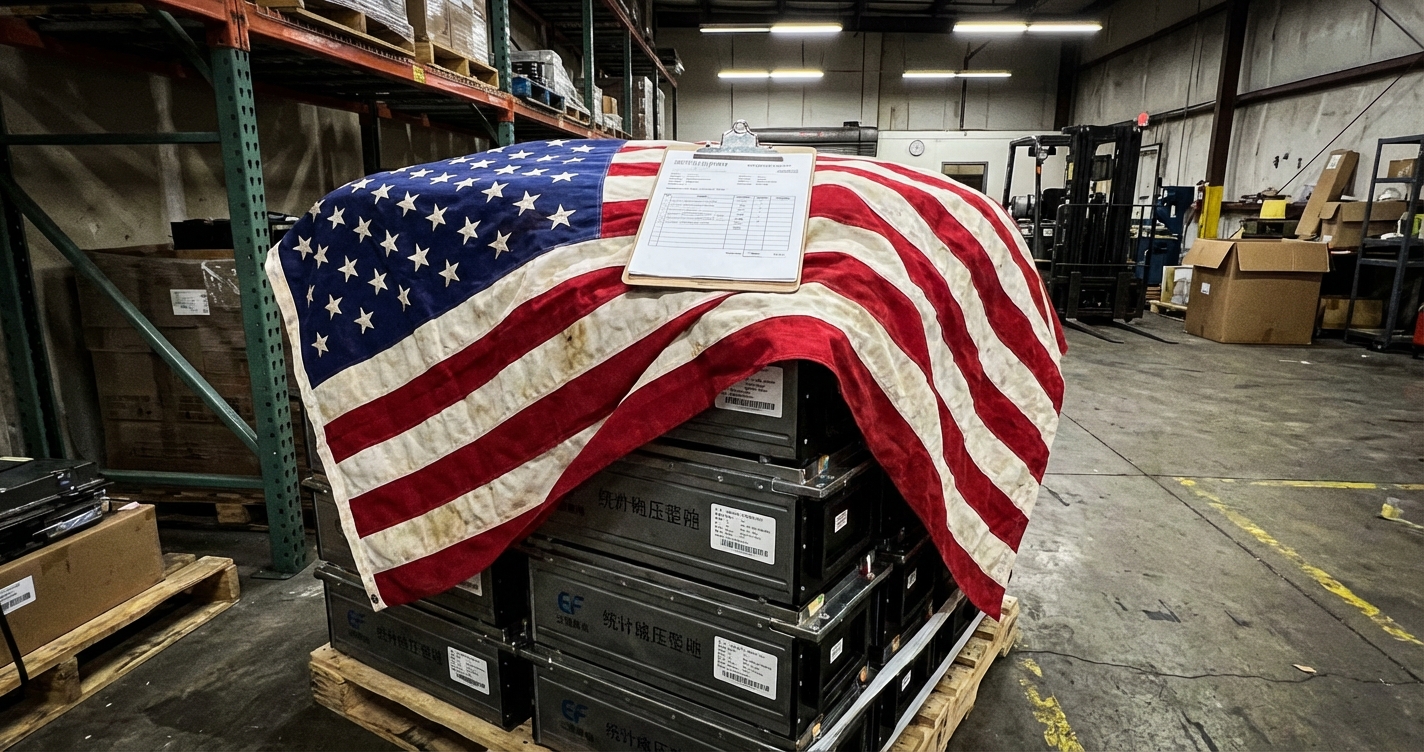
Thacker Pass, the Western Hemisphere’s largest lithium source, expects first production in late 2027 with full commercial-scale output ramping through 2028. At capacity, it produces 40,000 tonnes annually, enough for roughly 800,000 EVs and eight times current U.S. output. That sounds transformative. It still only approaches an estimated 4-5% of global supply. Tesla’s Texas refinery opened January 2026. Its raw material source won’t arrive for another eighteen months. A refinery without feedstock is a very expensive warehouse. Mid-tier battery makers won’t survive that bottleneck.
The New Rule Nobody Announced
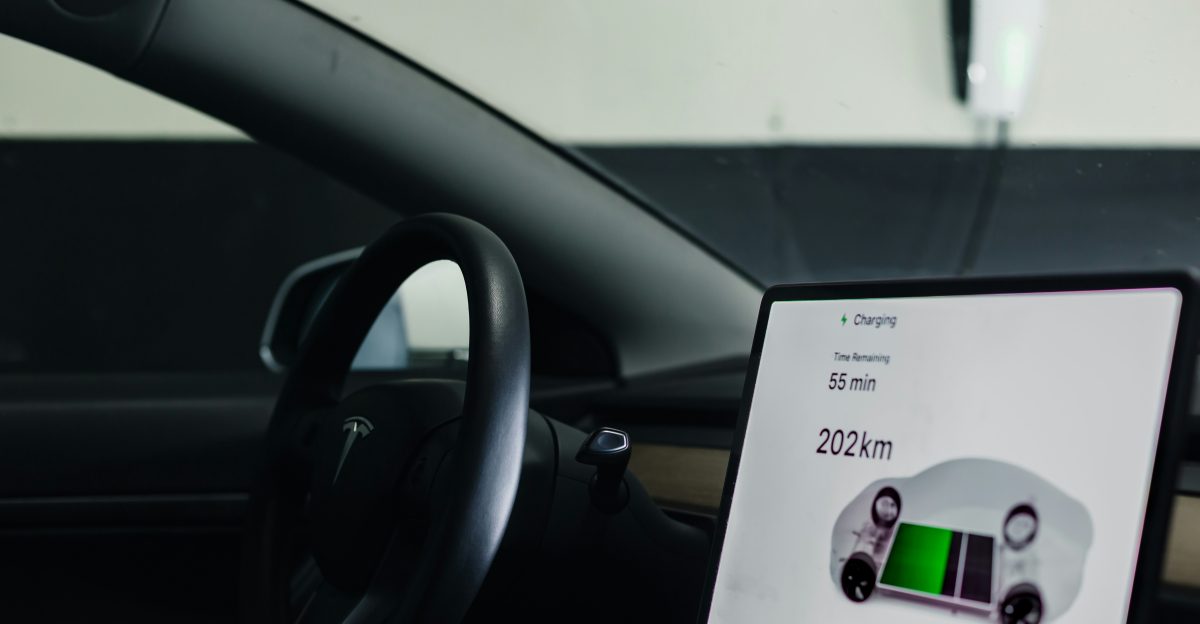
LFP batteries, once dismissed as the budget option, comprised nearly 50% of the EV battery market in 2024, reversing years of high-nickel chemistry dominance. Safety and durability beat raw performance. That chemistry shift increases lithium intensity while reducing cobalt and nickel demand, tightening the very bottleneck Thacker Pass was supposed to relieve. Solid-state batteries target 2029 commercialization, but lithium-ion holds 97.38% market share in 2026. Three years minimum before any alternative dents that dominance. The old chemistry won. The old geography won harder.
The Tax Credit Autopsy
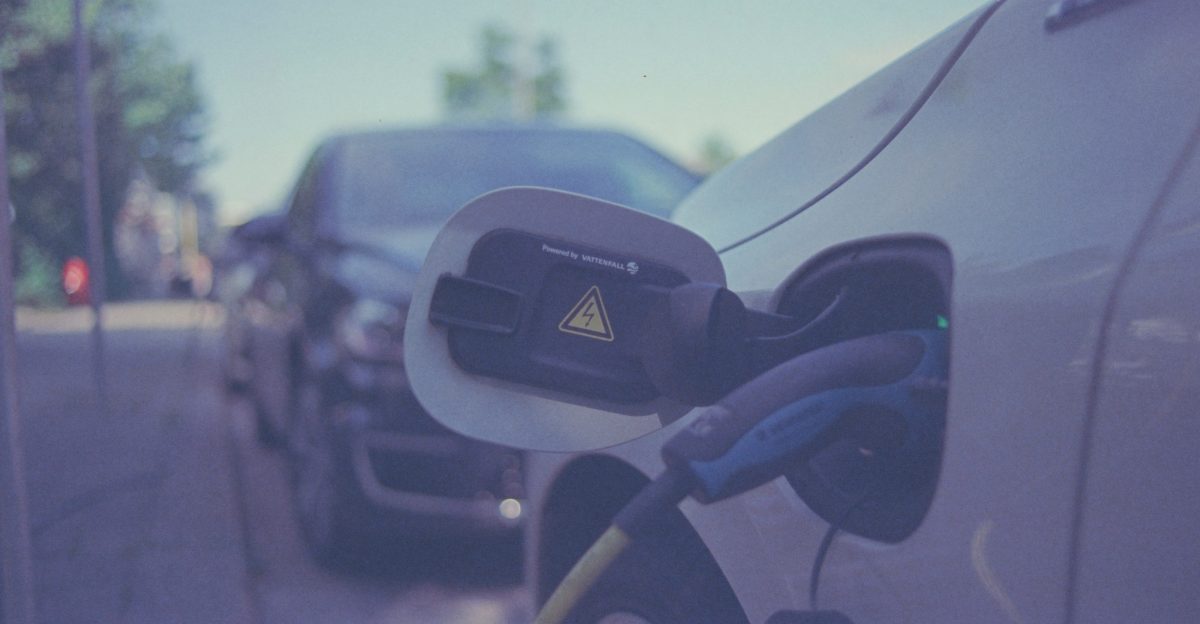
U.S. EV sales dropped from 11.6% to 5.8% between September and October 2025 after federal tax credits expired. Battery costs hit record lows. Adoption crashed anyway. That single data point dismantles the industry narrative that cheaper batteries automatically drive adoption. Price sensitivity overrides technology curves when policy disappears. EV charging networks now risk losing capital priority as grid-scale storage attracts investment dollars away from consumer infrastructure. The $425.3 billion projection assumes demand that a single policy change proved fragile enough to halve overnight.
What You Know That Most People Don’t
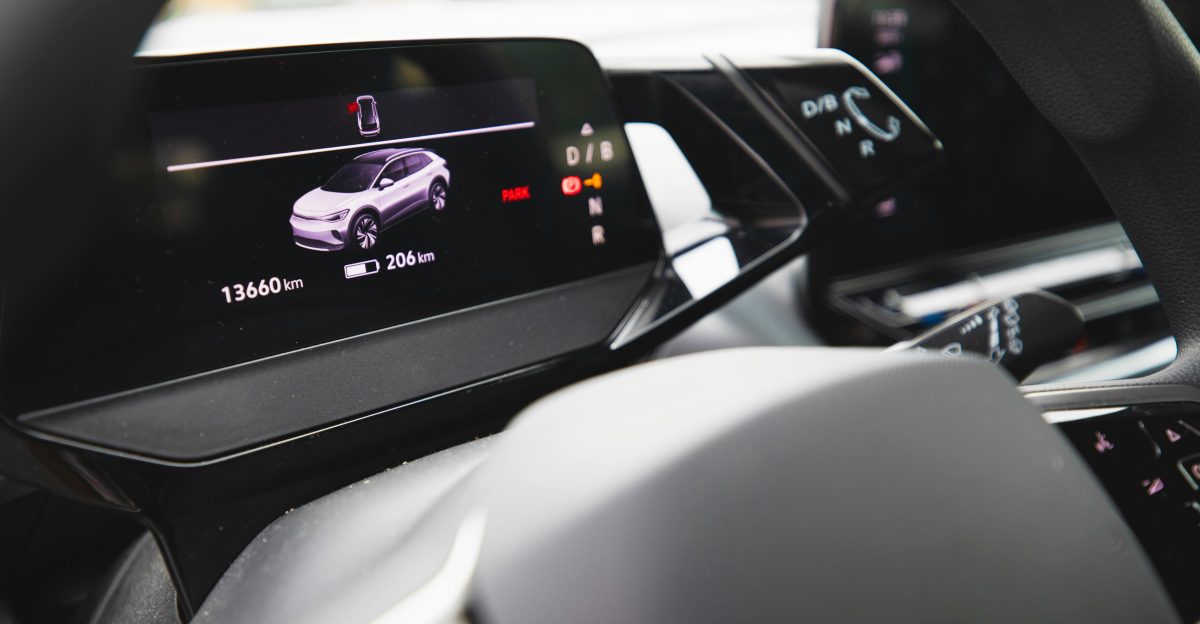
Battery recycling now achieves 58% environmental impact reduction compared to conventional mining, with recovery rates exceeding 90%. NIO completed its 100 millionth battery swap in February 2026, proving battery-as-a-service works at scale. These are counter-moves. Western vertical integration pressures Ford, GM, and Volkswagen to build captive battery capacity or accept permanent dependency. China could respond with lithium export controls, fragmenting the global market into regional silos and extending EV adoption timelines by years. The battery race looks like growth. It’s actually a consolidation dressed in expansion language.
Sources:
“Global EV Battery Market Share in 2025: CATL 39.2%, BYD 16.4%” — CNEVPost / SNE Research, Feb 2026
“Electric Vehicle Battery Market Size, Share & Growth Report ” — Fortune Business Insights, Mar 2026
“Lithium Americas Provides Project Update and 2026 Capex Guidance for Thacker Pass” — Lithium Americas Corp., Feb 2026
“China’s EV Battery Makers Widen Lead to Over 70% Global Share” — Nikkei Asia, Mar 2026
“Building Thacker Pass: January 2026 Construction Update” — Lithium Americas, Jan 2026