Chinese EVs Sell Under $30K in Europe but 100% US Tariffs Force Americans to Pay $50K
The number on the window sticker doesn’t flinch. Fifty thousand dollars, on average, for a new vehicle in America. Across the lot, rows of gleaming SUVs and crossovers sit under fluorescent lights while families do math on their phones, dividing monthly payments across seven years just to drive something off the pavement. In China, a BYD Seagull rolls off the line for under $10,000. In Europe, BYD’s Dolphin starts around $25,000. American buyers never see either option.
Debt Trap
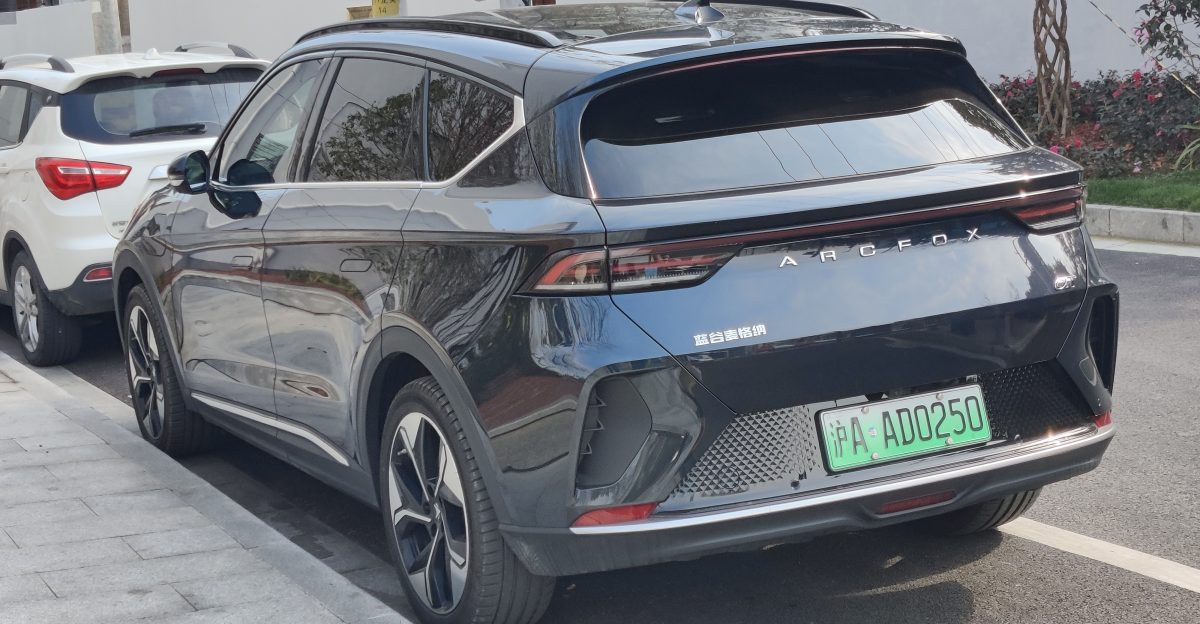
Six years ago, 4.3% of new car borrowers carried monthly payments above $1,000. Today, that number is 19.3%. Over 22% of buyers now sign 84-month loans, locking themselves into 7 years of payments on a depreciating asset averaging $43,218 in financing. The share of new vehicles selling below $30,000 collapsed to 7.5%. Meanwhile, vehicles priced above $50,000 quadrupled from roughly 10% of the market in 2015 to 36% in 2019. The affordable new car didn’t die of natural causes. Something killed it.
The Wall
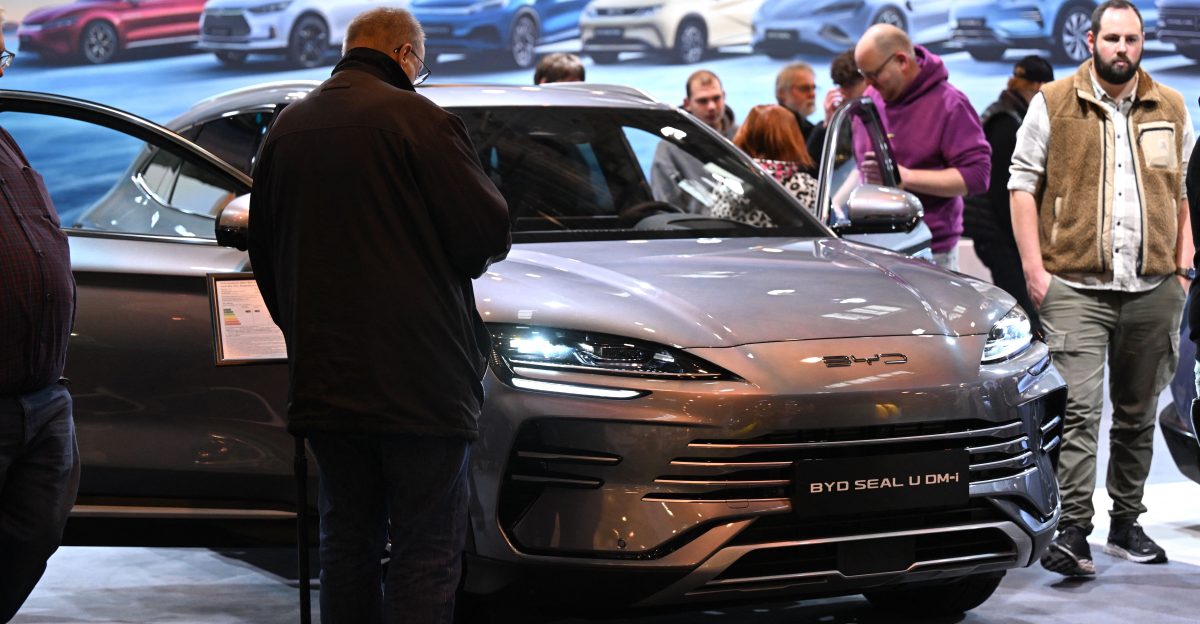
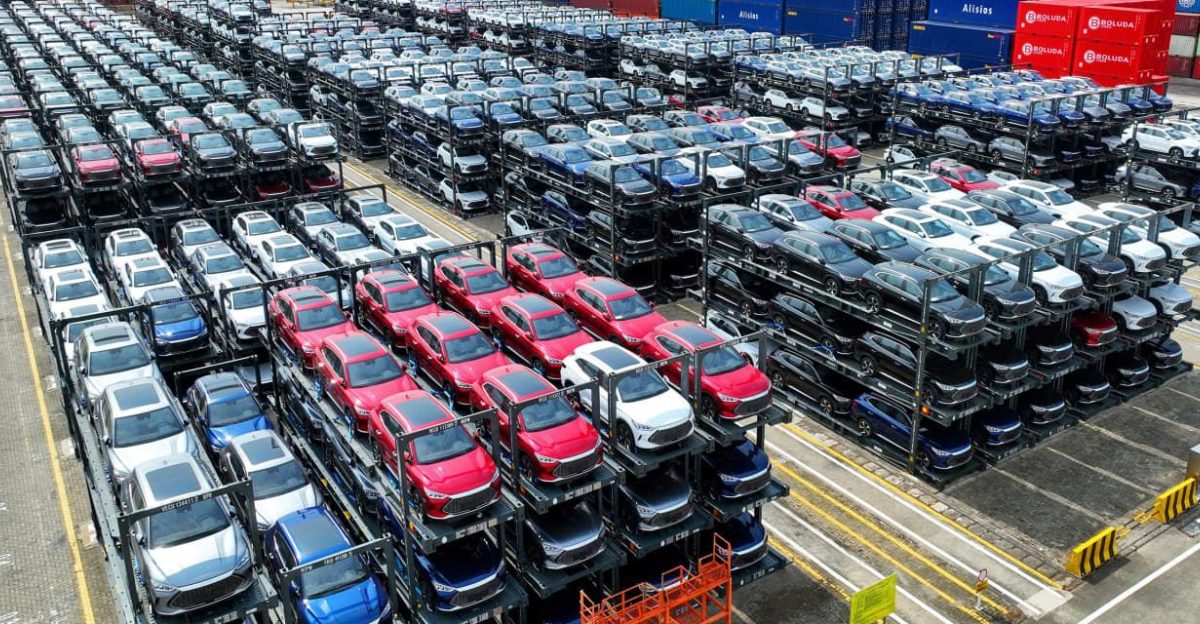
A 100% tariff stands between American driveways and the world’s cheapest electric vehicles. Canada negotiated access to 49,000 Chinese EVs annually at a 6.1% rate. Mexico opened its doors, and Chinese brands captured 25% of the market. The United States charges sixteen times Canada’s rate, effectively turning a tariff into a de facto import ban. The Commerce Department’s connected vehicle rule, effective March 17, 2025, bans Chinese software by model year 2027 and hardware by 2030. Two policies. One result: total exclusion.
The Contradiction
President Trump stood at the Detroit Economic Club in January 2026 and said it plainly: “If they want to come in and build a plant and hire you and hire your friends and your neighbors, that’s great, I love that.” Days passed. The 100% tariff stayed. The connected vehicle rule stayed. Every legal and economic barrier to Chinese entry remained intact. An open invitation with a locked door. The rhetoric says competition. The policy says protection. Both cannot be true at the same time.
Ford’s Confession

Ford CEO Jim Farley drove a Xiaomi SU7 and called it “the most humbling thing I have ever seen.” Then he said what no Detroit executive is supposed to say out loud: Chinese EVs are “far superior” in terms of cost, quality, and technology. His own company supports the tariffs blocking Xiaomi from American showrooms. Chinese batteries cost $84 per kilowatt-hour. North American batteries cost $119. That 44% cost gap isn’t a subsidy trick. It’s vertical integration, scale, and a supply chain ecosystem Detroit hasn’t built.
Who Pays
Tariffs eliminate the low-price competitor, and without that pressure, domestic manufacturers face no reason to build affordable vehicles. The result is a regressive wealth transfer dressed as industrial policy. High-income buyers absorb $50,000 price tags without blinking. Middle-income households, once half of the new-car market, now represent a shrinking share of buyers. Consumer Reports estimates tariffs add roughly $4,000 per vehicle. Multiply that across 16 million annual sales. The people the tariffs claim to protect are the ones who pay them.
The Detour
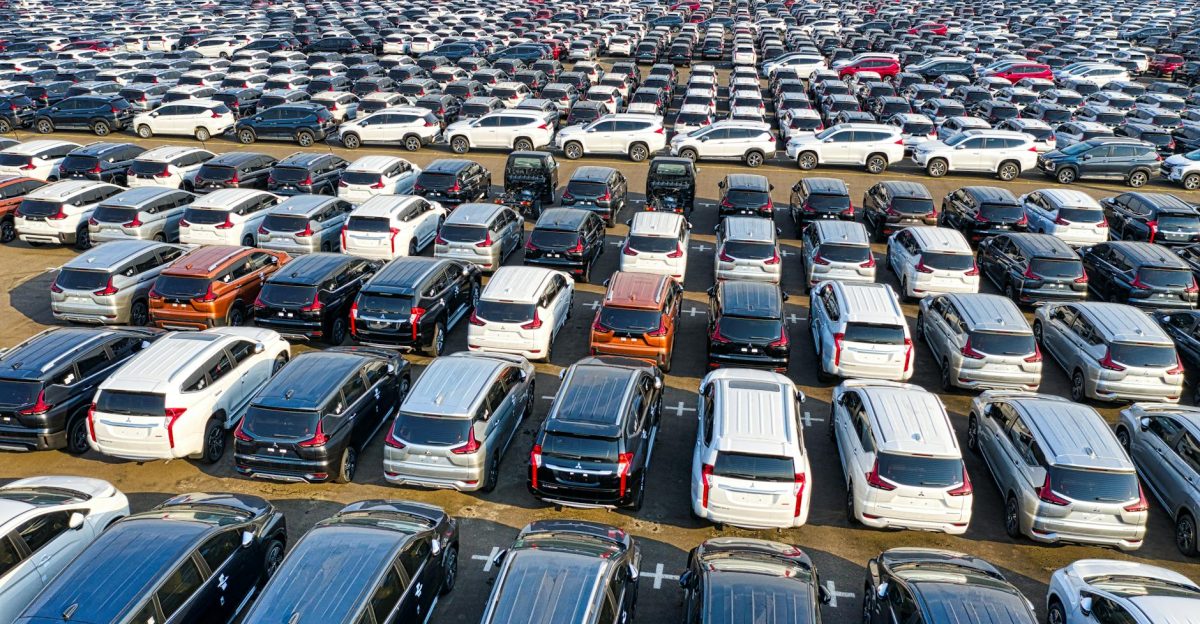
Chinese manufacturers aren’t waiting for Washington. They’re building around it. Geely announced plans to enter the U.S. market within two to three years, potentially through its Volvo subsidiary’s Charleston, South Carolina, plant, which already operates at 150,000 units per year. BYD sold over a million vehicles globally in Q1 2025 alone, up 59.8% year over year. Chinese brands flooding Mexico and Canada are establishing North American supply chains outside U.S. regulatory control. The wall has gaps, and capital flows through every one.
History Reversed
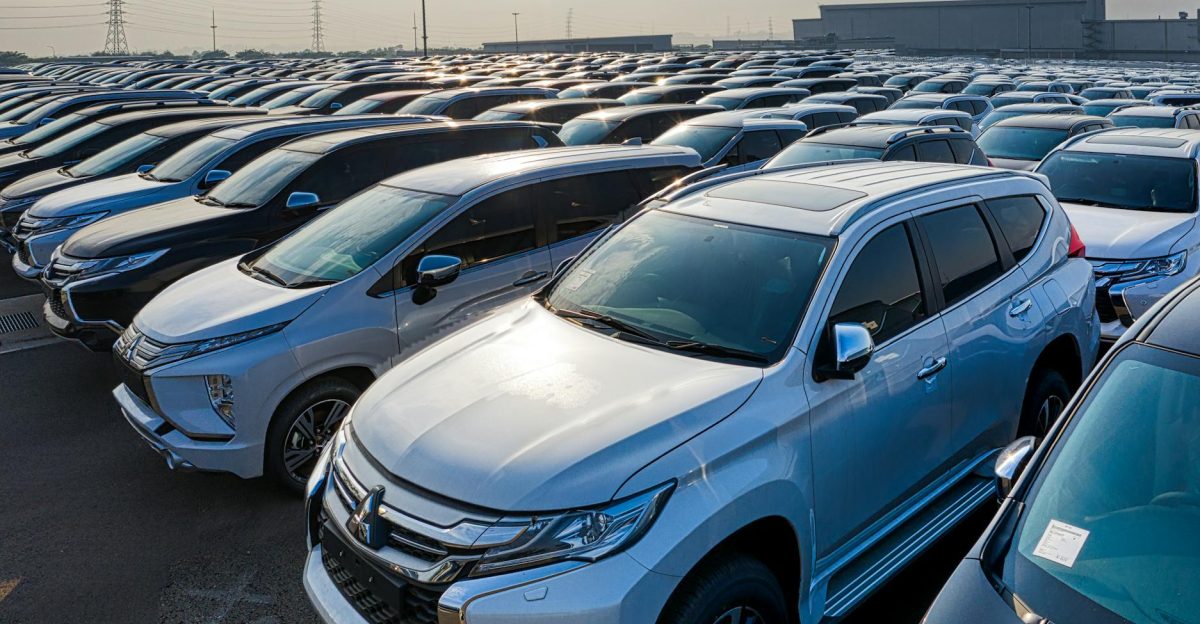
Henry Ford built the Model T so his own workers could afford to buy one. Detroit abandoned that mission voluntarily, chasing SUV margins and luxury trims for two decades. Big Three market share fell from 92% in 1965 to 38% by 2024. Chinese automotive output grew 23-fold since 1995, while American output grew 60%. The tariff wall doesn’t protect a competitive industry. It protects an industry that stopped competing. That distinction matters because the generation inheriting this market knows the difference.
Generational Fracture
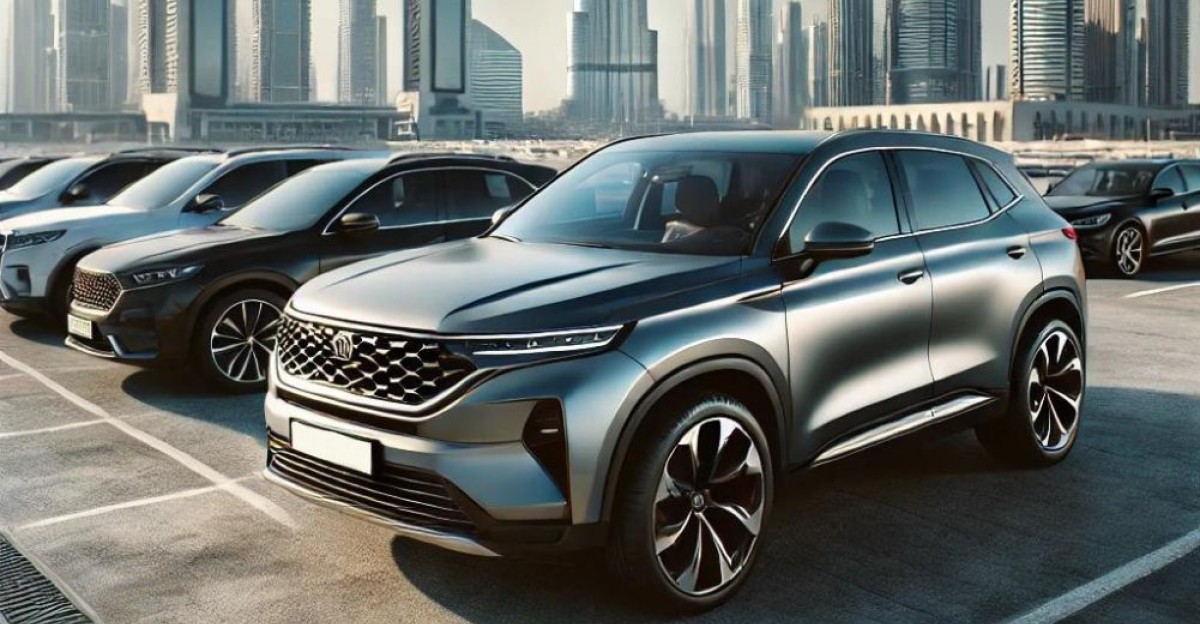
49% of Americans under 45 say they’re open to buying a Chinese-made vehicle. Only 16% of all adults are likely to buy any EV, the lowest interest since 2019, with 59% citing purchase price and 62% citing battery repair costs as barriers. Younger buyers aren’t rejecting electric vehicles. They’re rejecting electric vehicles at American prices. Federal EV tax credits disappeared September 30, 2025, removing the last affordability bridge. The generation that needs cheap cars the most has no path to one.
The Moat Floods
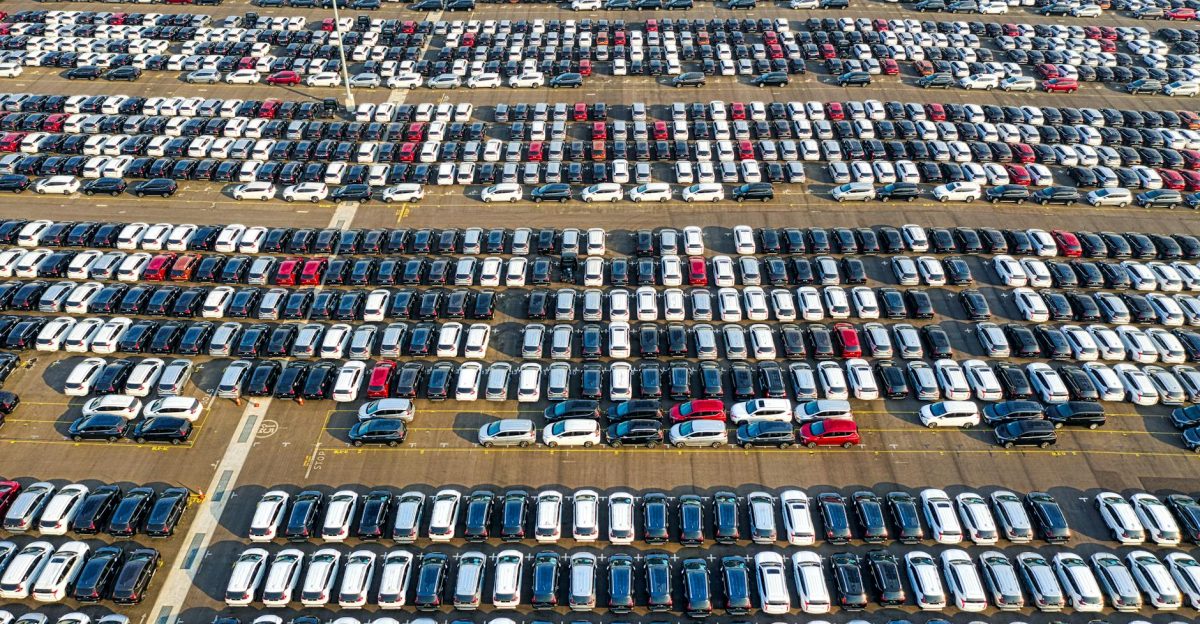
Ford is spending $3 billion on a domestic battery plant. Jim Farley warns: “If we lose this, we do not have a future Ford.” China produces 70% of the world’s EV batteries and 70% of its electric vehicles. The tariff bought Detroit time, not competitiveness. Canada and Mexico are already integrating Chinese supply chains while American consumers subsidize the delay through higher prices. The next president, or this one, will face a choice no tariff can postpone forever: let competition in, or watch affordability leave.
Sources:
Edmunds, “Affordability Report,” 2025
Consumer Reports, vehicle tariff cost estimates, 2025
CarNewsChina, BYD and Geely coverage, March 2026
The Drive, “‘Let China Come In’ to US Auto Industry, Trump Says While in Detroit,” January 2026
Council on Foreign Relations (CFR), Chinese EV tariff and trade policy analysis, 2026
Business Insider, Ford CEO Jim Farley on Chinese EVs, 2025