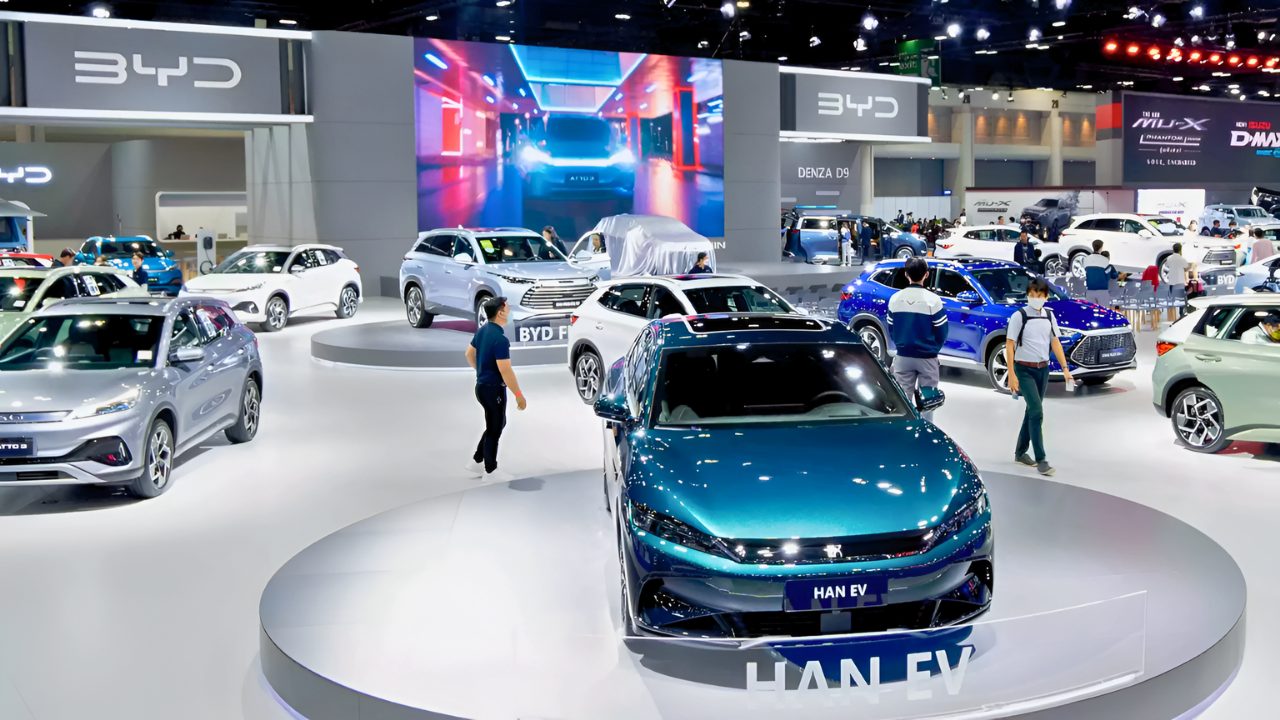
Chinese EV Maker’s 5-Year Blitz Ends Tesla’s 15-Year Reign Across 22 Countries
Five years ago, nobody in Detroit or Stuttgart lost sleep over a Chinese battery company called BYD. Elon Musk famously dismissed them during a 2011 Bloomberg TV interview. That aged poorly. By mid-2025, BYD’s Sealion 7 was consistently outselling the Tesla Model Y in Australia—in July alone, 1,427 units versus Tesla’s 555. The company Musk mocked now sells vehicles across dozens of countries and just dethroned Tesla as the world’s top battery-electric vehicle manufacturer. Something structural broke, and most observers missed it.
Speed Mandate
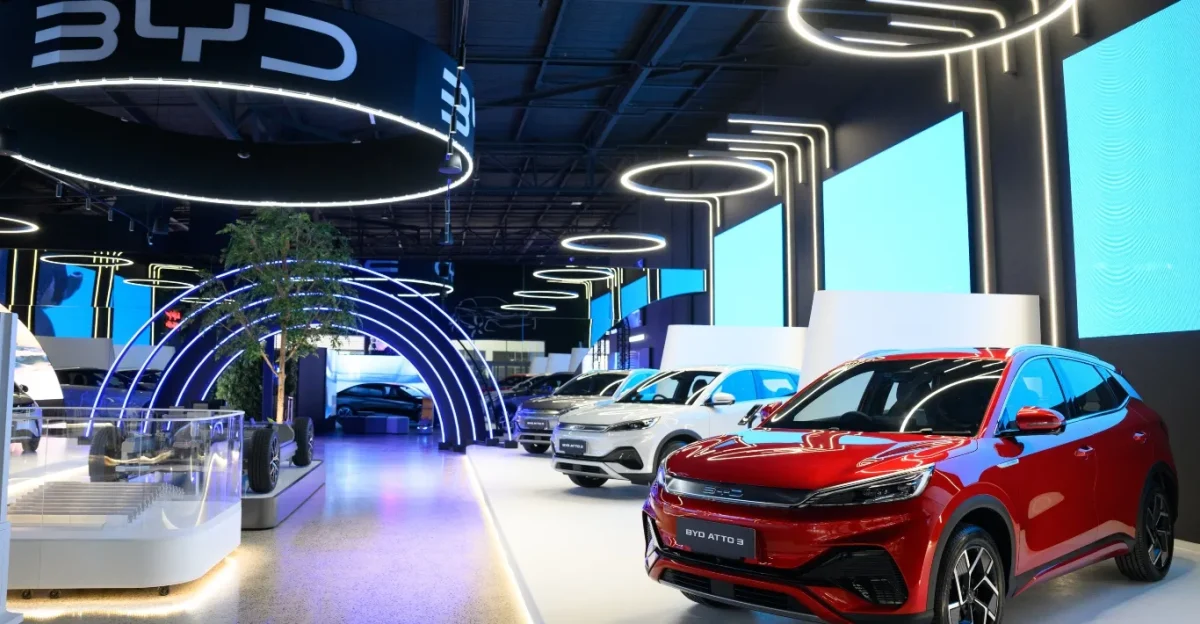
In 2021, BYD founder Wang Chuanfu issued a declaration: “Toyota Motor and Volkswagen are a little slow in electrifying their vehicles, but once they make a leap, the impact will be huge. BYD absolutely has to be faster.” That wasn’t corporate fluff—it was a five-year countdown. BYD aggressively entered markets worldwide. Tesla kept selling essentially the same Model Y introduced in 2020. Wang’s speed thesis wasn’t aspirational—it was an executable strategy.
Subsidy Myth
The comfortable assumption was that Chinese EVs survived on government subsidies. Pull the subsidies, the theory went, and everything collapses. Then, in 2025, Trump eliminated the $7,500 U.S. EV tax credit. BYD didn’t flinch. The company produces approximately 80% of its core components in-house—batteries, motors, control systems—saving roughly $2,369 per vehicle on its Seal sedan compared with Tesla’s Model 3. That delivered a projected 20% gross margin, exceeding Tesla’s 18%. Subsidies were never the engine. Vertical integration was.
Prophecy Fulfilled
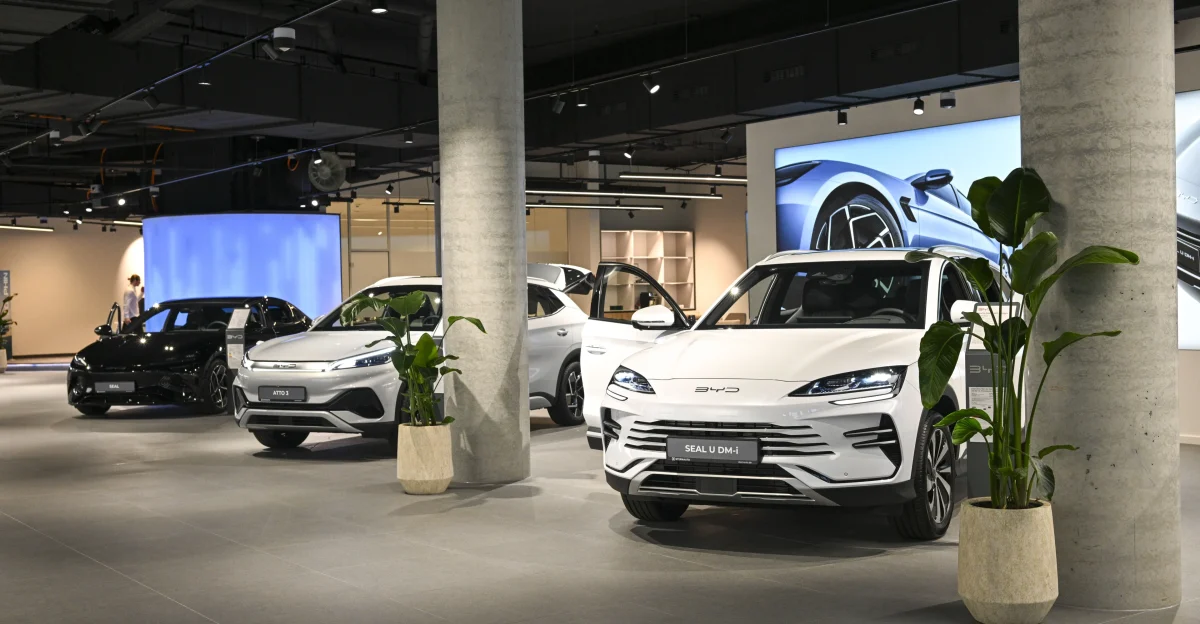
Wang’s 2021 speed thesis became the weapon that dethroned Tesla. In 2025, BYD sold 2,256,714 battery-electric vehicles worldwide. Tesla sold 1,636,129, down 8.56% from 2024. A 620,585-unit gap. First time any Chinese automaker surpassed Tesla on a full calendar year. Fifteen years of dominance ended by a founder’s four-word mandate: “BYD absolutely has to be faster”.
Tariff Dodge
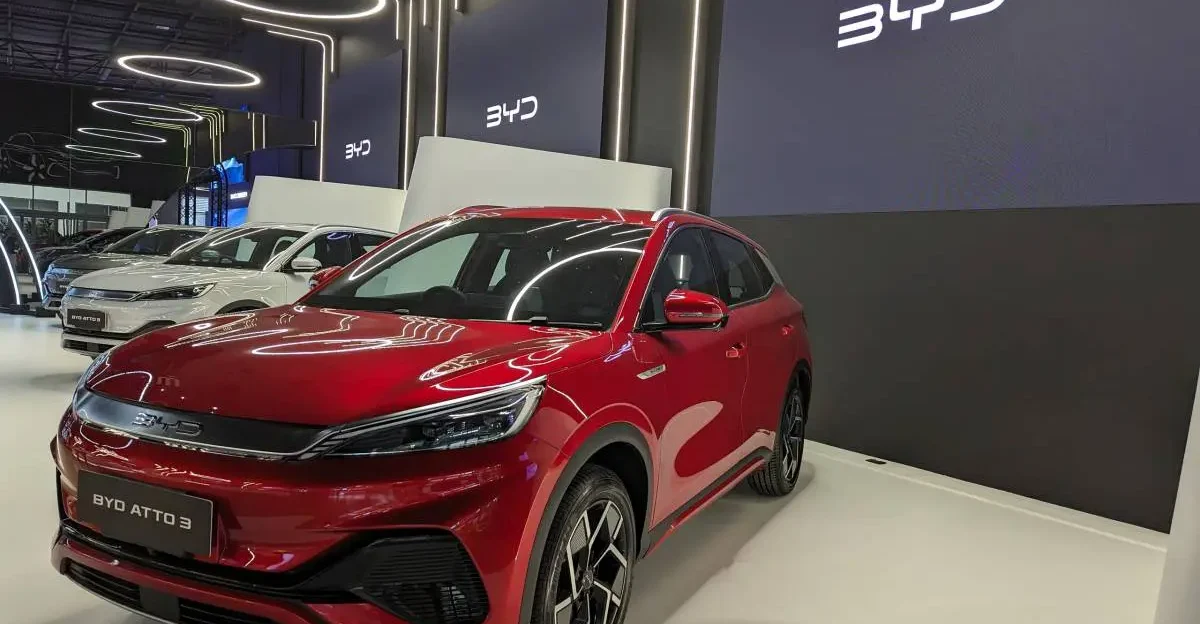
Europe tried to stop it. The EU imposed tariffs of up to 35% on Chinese EVs in 2024. It didn’t work. Chinese manufacturers pivoted into plug-in hybrids—a category the tariffs didn’t adequately cover. European PHEV registrations from Chinese brands surged dramatically. Regulators built a wall. BYD walked around it. The policy targeted price. The real advantage was architectural flexibility. flexibility.
Germany Falls
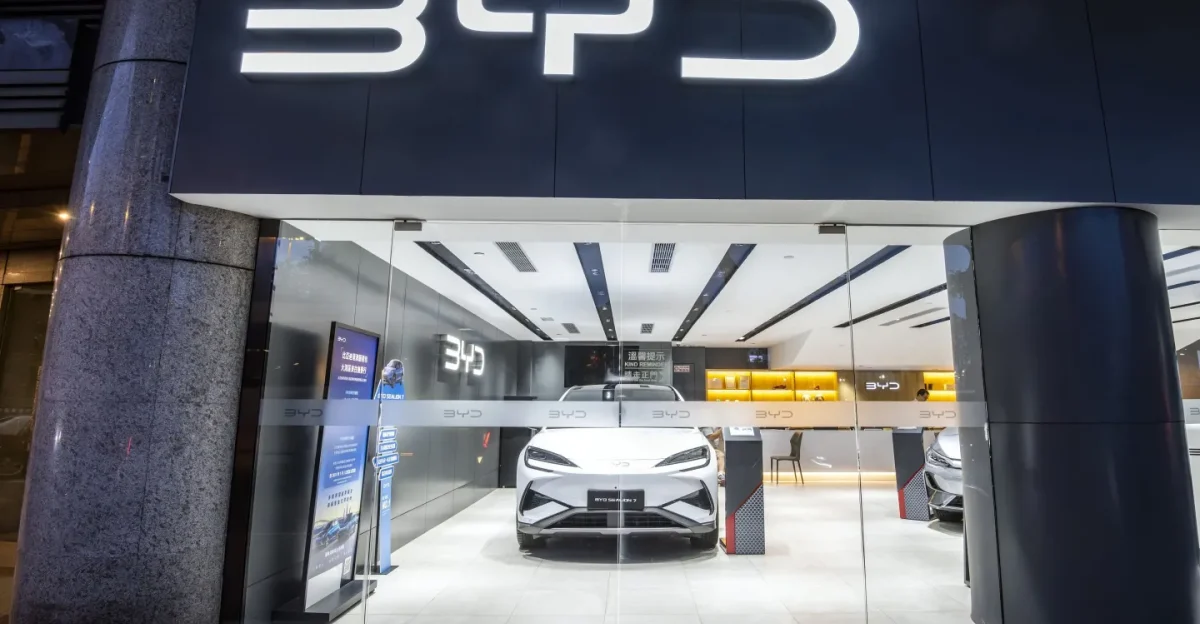
BYD’s European registrations surged 276% year-over-year through the first eleven months of 2025, reaching 159,869 units. Tesla’s registrations across five major European markets fell 28% during the same period, dropping from 282,335 to 203,382 units. One BYD dealer reported customers who bought BMWs and Porsches “now think our cars are even further ahead technologically.” Germany invented the modern automobile. Chinese brands now outcompete them at home.
Ripple Effect
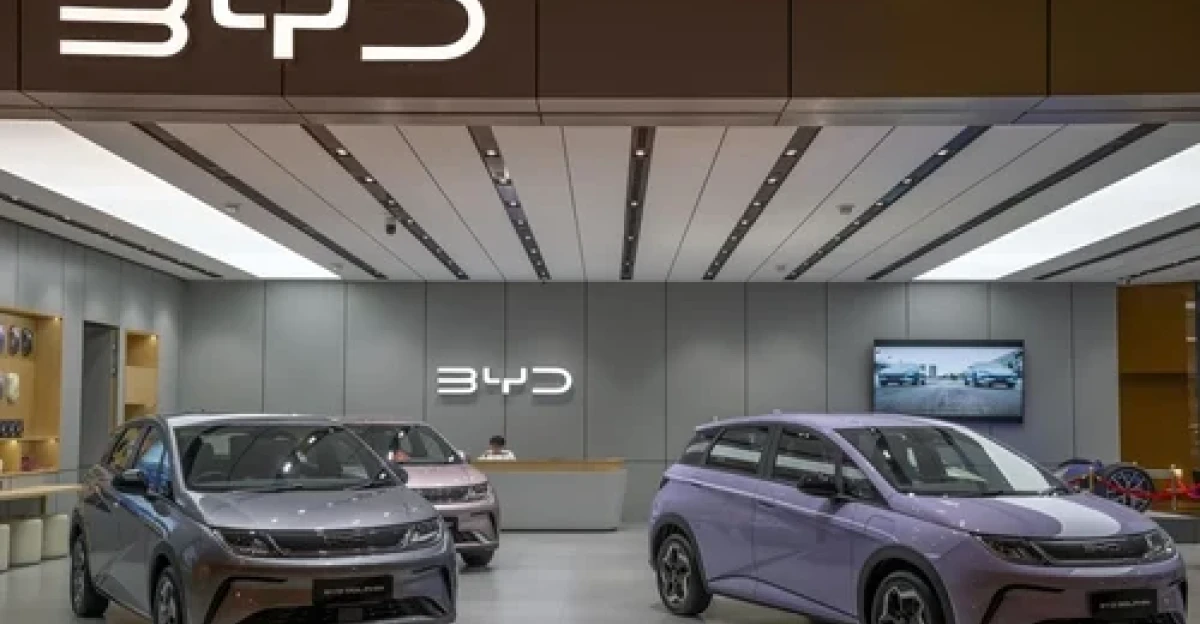
By December 2025, one in every ten cars sold in Europe was Chinese, outselling Audi and Renault. BYD’s overseas sales doubled, representing 23% of total volume in 2025, up from 10% in 2024. The company exported over 1.05 million vehicles outside China for the first time, with targets of 1.3 to 1.6 million in 2026. Even protectionist governments reversed course. The precedent mirrors China’s solar panel takeover: tariffs came, tariffs failed, and the industry never came back.
Lock-In
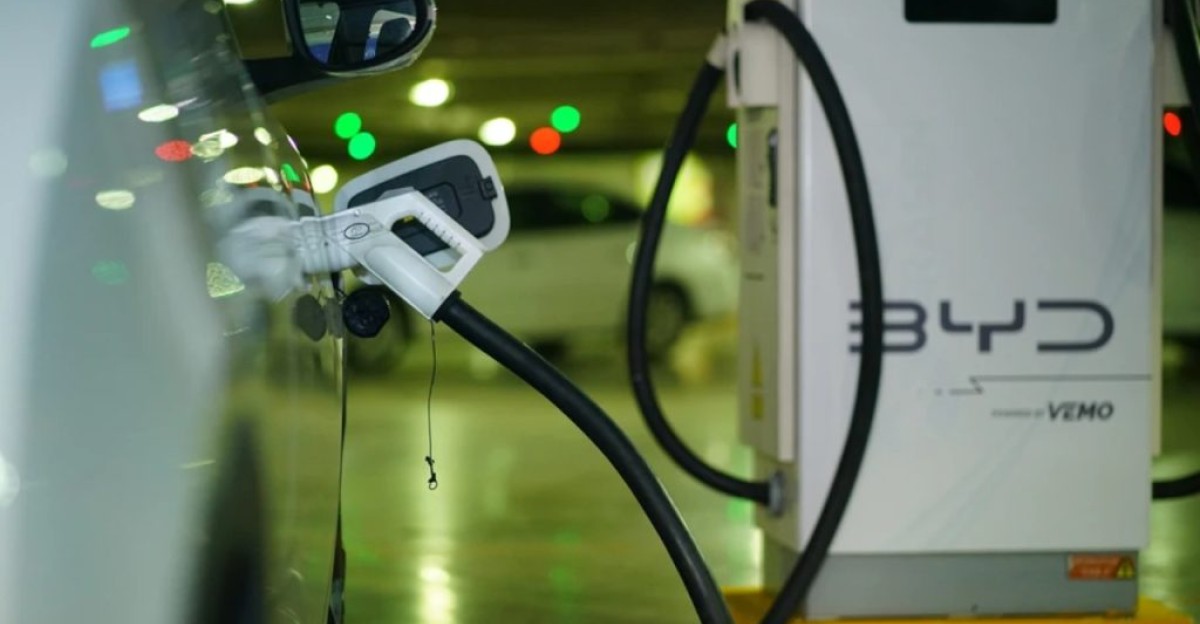
BYD is building infrastructure that makes the shift permanent. The company launched 1,500-kilowatt Flash Charging stations capable of charging from 10% to 70% in five minutes. By March 5, 2026, 4,239 stations were operational, with a target of 20,000 by December. International rollout planned by year-end. That’s ecosystem lock-in. Japanese automakers took fifteen years to match the American market share. BYD conquered dozens of markets in five with an integrated vehicle-and-infrastructure strategy.
Cracks Showing
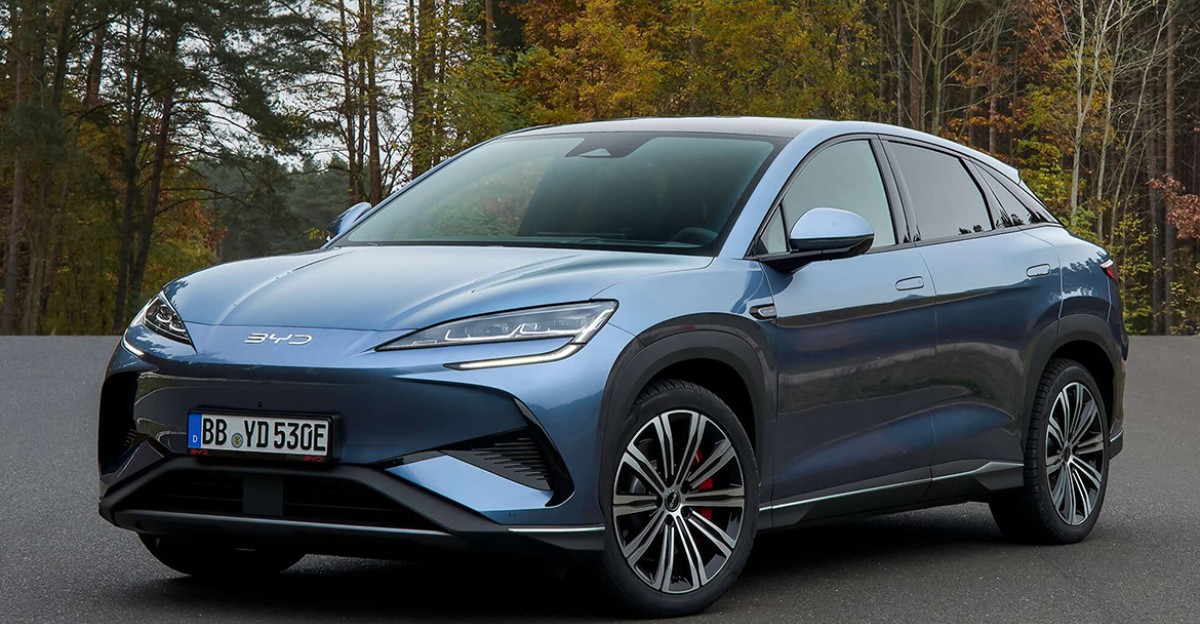
BYD isn’t invincible. January 2026 domestic sales dropped 30.1% year over year to 210,051 units, as competitors gained ground. The Chinese market is leveling. But international numbers tell a different story: February 2026 overseas sales climbed 41.4%, with targets of 1.3 million exports in 2026, up 24% from 2025. Domestic weakness accelerates global expansion. Every month, Tesla’s Model Y ages without replacement, and the gap widens.
New Order
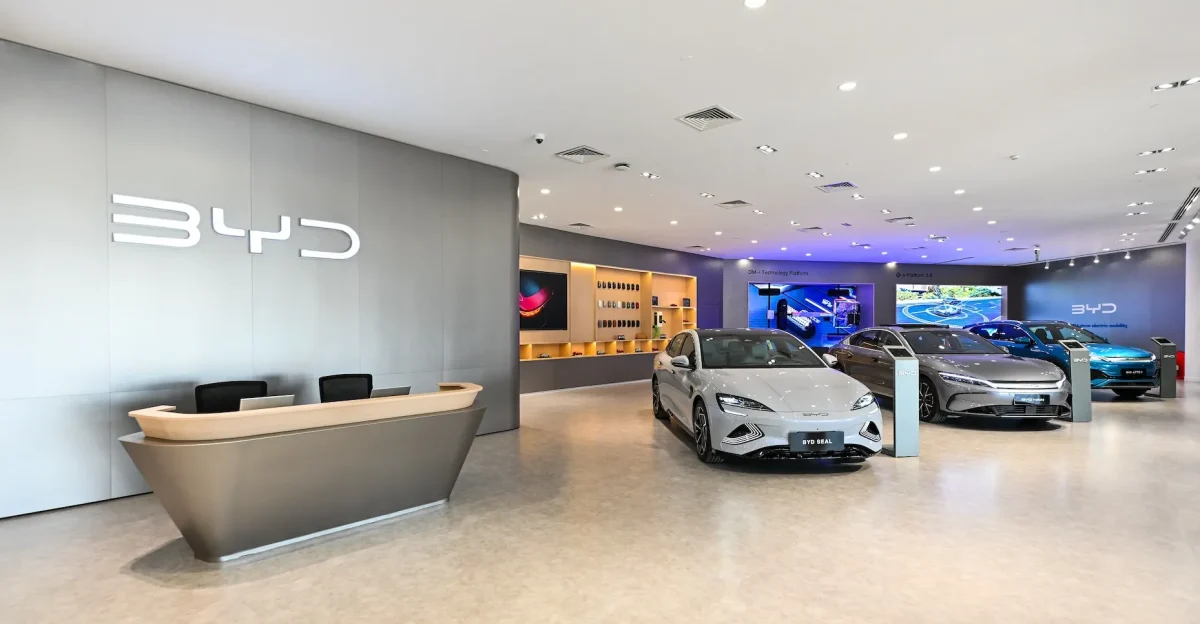
BYD’s cost advantage is architectural, baked into vertically integrated production that Western automakers would need years to replicate. The company saves approximately $2,369 per vehicle versus Tesla through in-house manufacturing, enabling lower pricing and higher margins simultaneously. That structural moat, combined with rapid launches, aggressive expansion, and proprietary charging infrastructure, compounds advantages annually. The observer who understands BYD’s vertical integration and speed execution knows something most won’t grasp for three more years: the global EV landscape fundamentally shifted in 2025, and it’s not shifting back.
Sources:
Nikkei Asia, “BYD redraws global EV map, overtaking Tesla in 20 markets,” March 2, 2026
CEPA, referenced multiple times across Slides 3, 6, 7, and 10 for European market data and pricing comparisons, March 2026
JATO Dynamics, “BYD outsells Tesla in Europe for the first time as registrations surge,” April 2025
Carbon Credits, “BYD Overtakes Tesla as World’s Biggest EV Seller in 2025,” January 6, 2026
Car News China, “BYD’s January sales down 30% to 210,051, exports surpass 100,000,” February 2, 2026
Evrim Ağacı, referenced in Slides 3 and 4 for vertical integration and 2025 sales data, January 2026