China’s $81 Battery Crushes America’s $128 Alternative—And Detroit Has 18 Months To Surrende
BloombergNEF’s 2025 battery price survey landed like a grenade: lithium iron phosphate packs now cost $81 per kilowatt-hour. Nickel-based alternatives sit at $128. That 58% cost gap translates to roughly $2,000 to $4,000 in savings per midsize vehicle, based on McKinsey’s pack-cost estimates. China already hit 50% EV market share in 2025. America stalled at 7.5%. And the price difference explains nearly everything. Most people see a battery chemistry debate. The actual story is a supply chain rout that reaches far beyond any single car company.
Why LFP Became Unstoppable
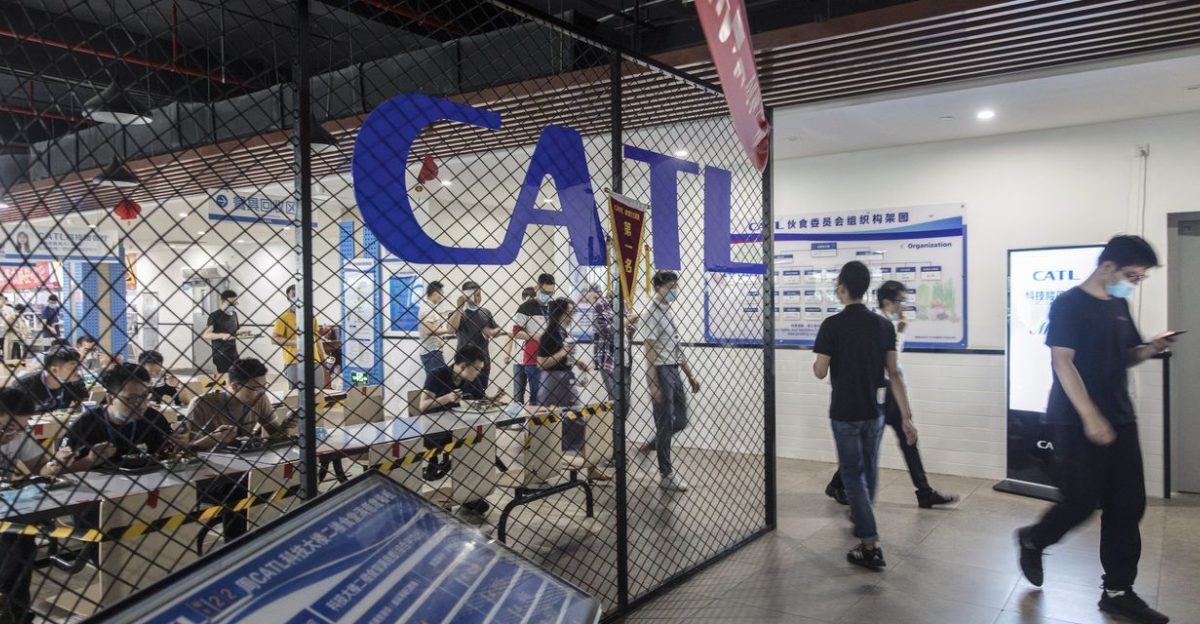
China built a vertically integrated machine over a decade: mining, processing, cell manufacturing, and vehicle assembly under one cost umbrella. That model delivers a 25–40% cost advantage over Western automakers who buy components piecemeal across multiple countries. CATL alone installed 339.3 GWh of battery capacity in 2024, roughly twice its nearest competitor, and has held the number-one position for years. LFP also releases dramatically less heat than nickel chemistries, making it inherently safer. Cost, safety, and scale all point one direction. The regulatory pressure pointing the same way arrives in July.
Your Grocery Bill Has a Battery Problem
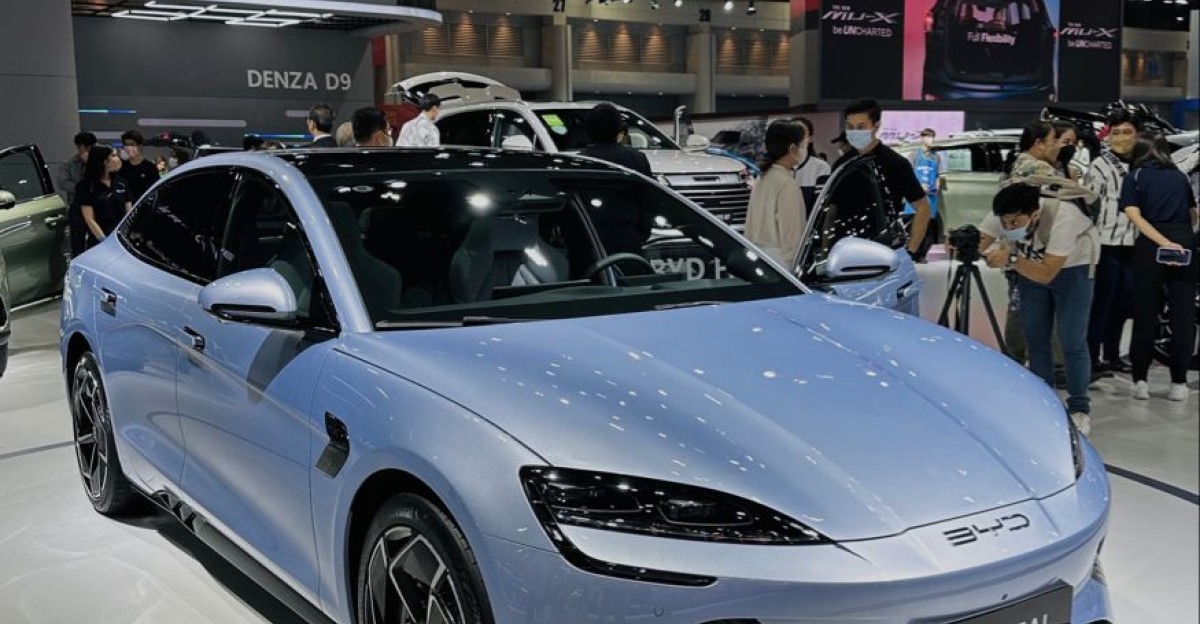
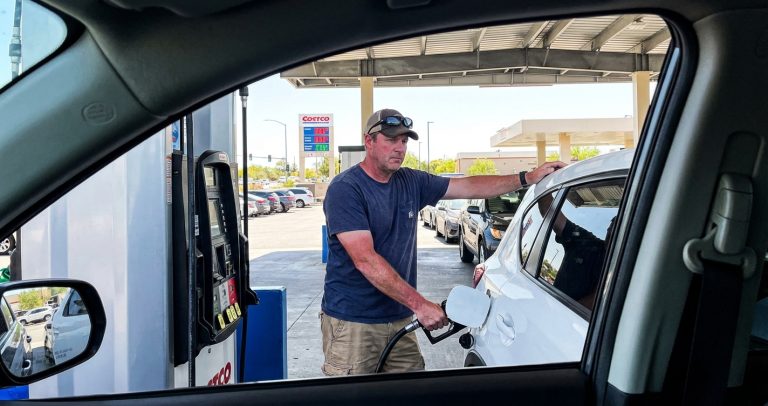
American tariffs on Chinese EVs were supposed to protect domestic automakers. Instead, they helped keep U.S. EV prices significantly higher than Chinese LFP alternatives, as pack prices in North America run about 44% above China. Buyers responded rationally: they bought hybrids or kept their gas cars. U.S. BEV adoption plateaued at 7.5% while China crossed 50%. The consumer math is brutal. LFP’s cycle life hits 2,000-plus charges versus roughly 1,000–1,500 for nickel batteries, meaning cheaper upfront AND longer-lasting. American families paying more for less durable technology is the first ripple most people notice. The corporate scramble behind it is worse.
Detroit’s Billion-Dollar Chemistry Scramble
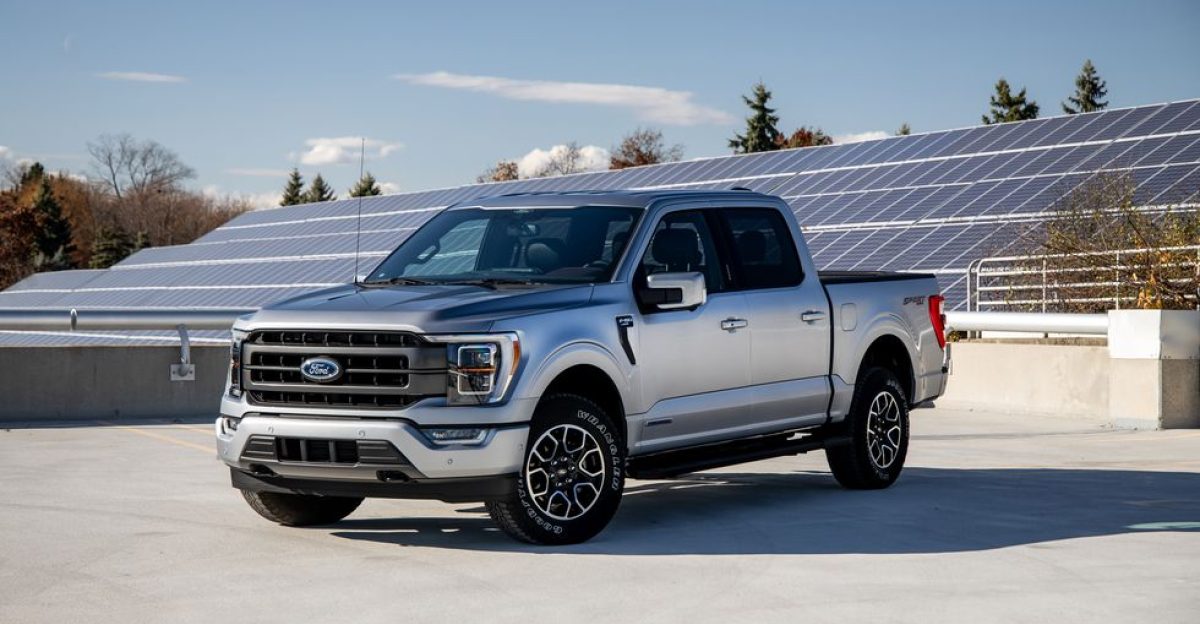
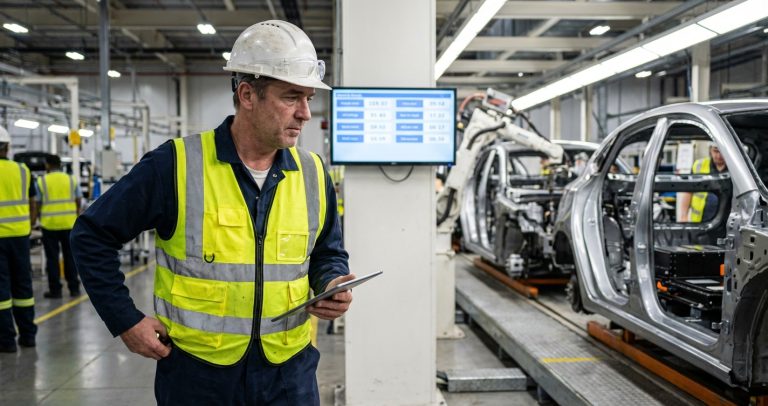
GM now juggles three battery chemistries: NMC, LFP, and lithium manganese rich. Ford adopted LFP for affordability. Tesla quietly standardized LFP on base Model 3 units globally by 2025, moving away from the nickel-cobalt-aluminum chemistry it once called superior for range. Think about that: the company that built its brand on longest-range EVs switched its highest-volume product to a chemistry with about 30% lower energy density. Cost won. Chinese OEMs already produce battery packs at roughly €64 per kilowatt-hour for LFP versus €82 for NMC. The gap forced Tesla’s hand, and GM and Ford face the same math.
The Nickel Market Nobody Saw Coming
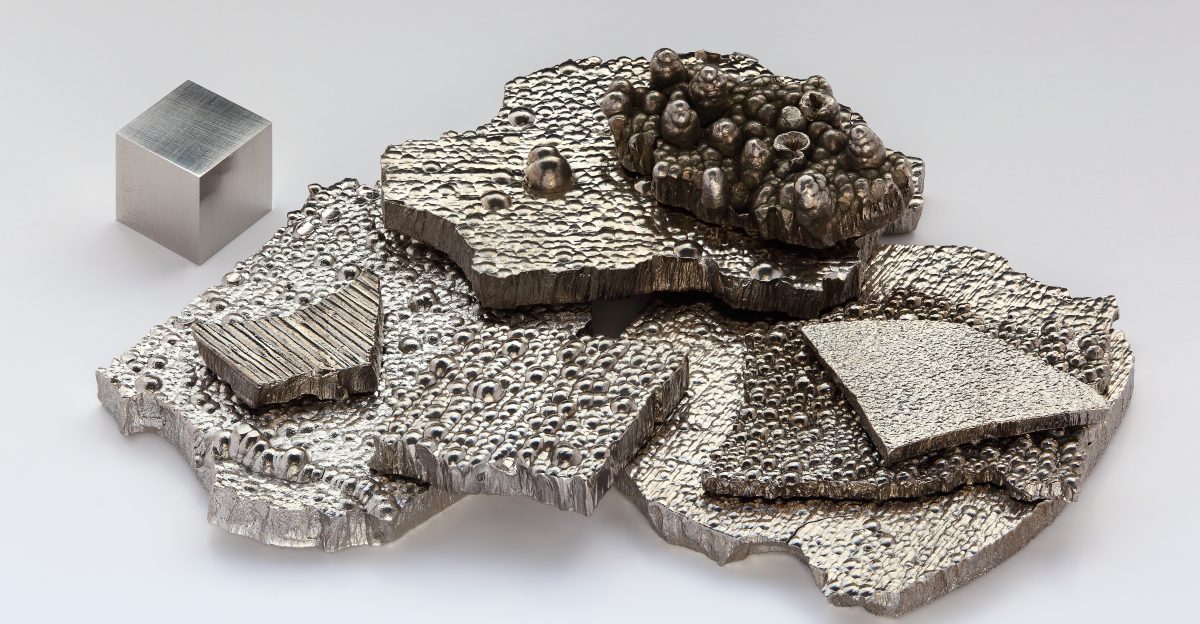
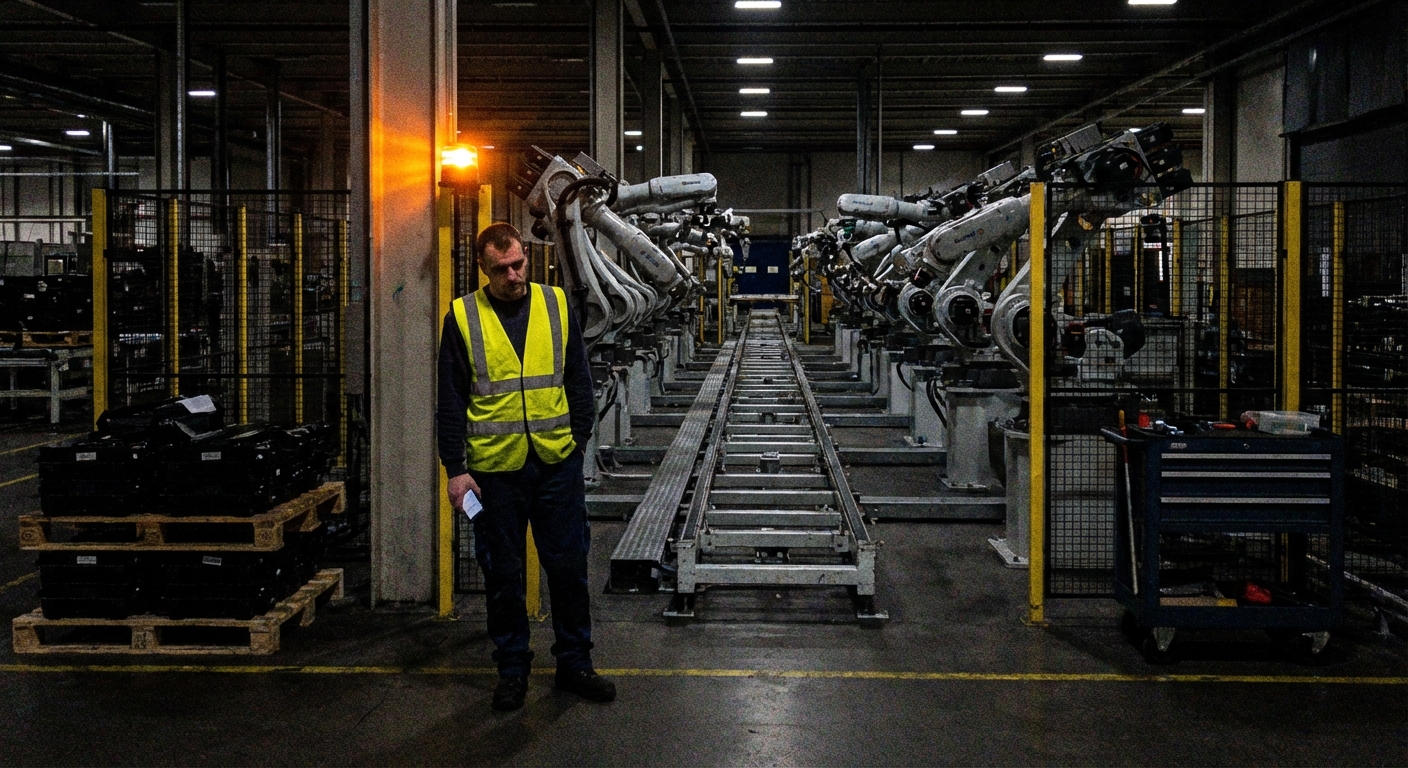
Battery-grade nickel demand is projected to grow around 42% annually through 2030. Cobalt demand from EV batteries is projected to climb roughly 35% yearly. Yet the U.S. consumes less than 5% of global nickel and cobalt supply. China processes the majority of the world’s rare earth refining capacity, commonly estimated at 60–70% or more. Every EV requires on the order of 210 kilograms of critical minerals versus about 32 kilograms for a combustion vehicle. Western automakers betting on nickel chemistries are betting on minerals they don’t control, refined in facilities they don’t own, allocated by competitors who set the price. One chemistry choice. Two commodity markets. An entire mineral supply chain tilting toward Beijing.
The Regulation That Connects Every Ripple
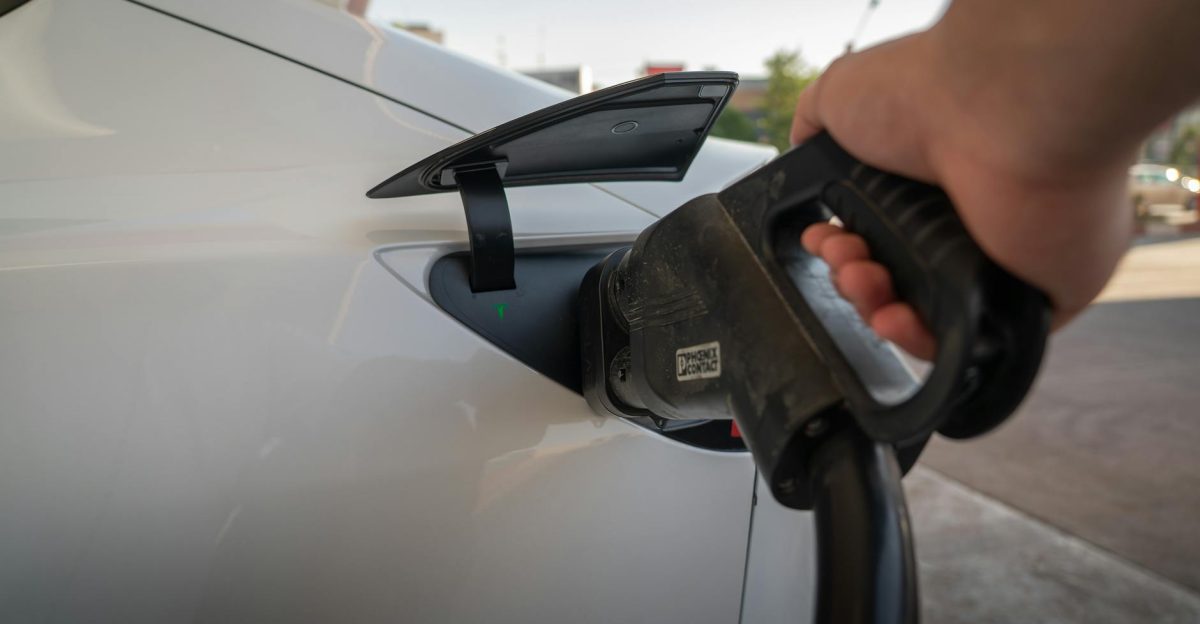
China’s GB38031-2025 thermal safety standard takes effect July 1, 2026, for new EV type approvals. It mandates zero fire or explosion during thermal propagation testing for two hours. LFP batteries pass inherently: their thermal runaway onset sits around 220–260°C versus roughly 170–210°C for nickel chemistries, with far fewer thermal events per million miles. NMC packs need redesigned thermal shielding and battery management systems, adding potentially hundreds of dollars per pack. Same standard. Same test. One chemistry walks through. The other pays to survive. That regulatory asymmetry reaches your driveway, your dealership, your retirement portfolio.
The Voice Inside the Factory
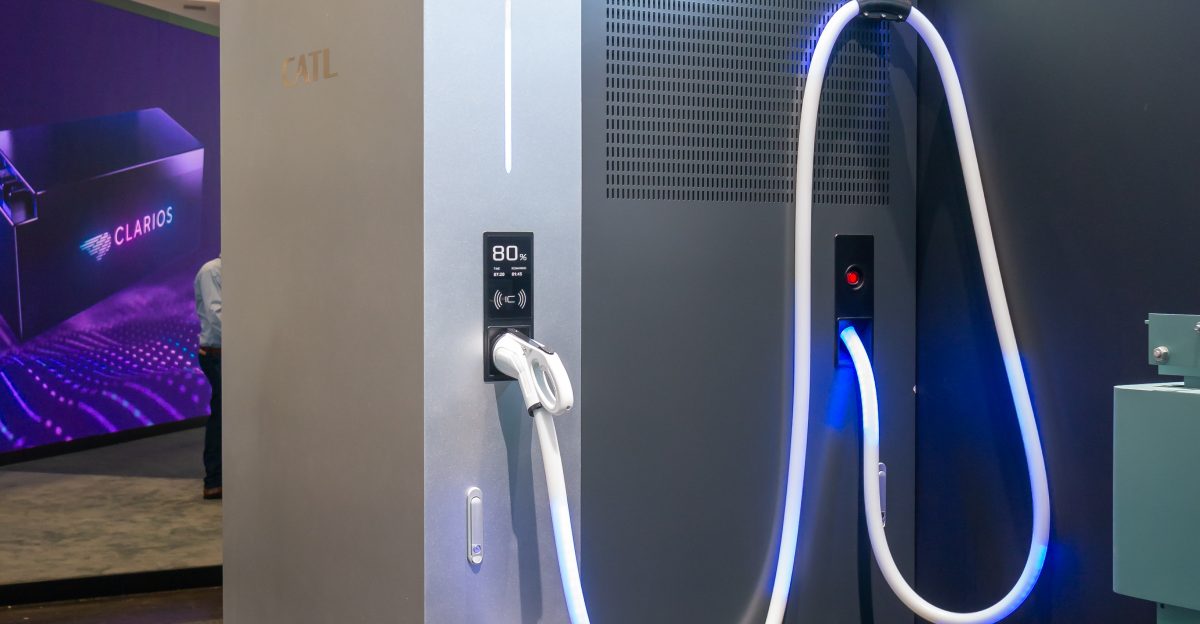
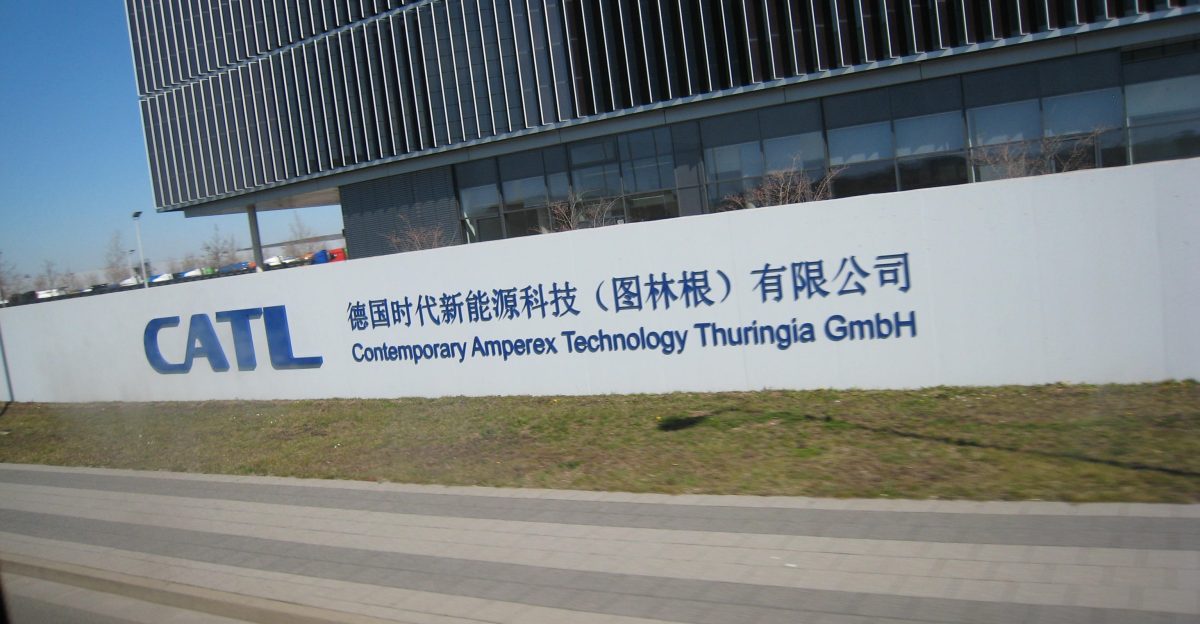
BloombergNEF’s 2025 survey put it plainly: “The industry absorbed these shocks through greater LFP adoption.” That single sentence confirms the shift already happened. Automakers stopped debating and started ordering. The Nickel Institute still calls LFP “the dependable workhorse,” a description that sounds like faint praise until you realize workhorse chemistry now powers the world’s largest EV market. CATL commands a dominant share of China’s domestic LFP segment. Western automakers aren’t negotiating with suppliers anymore. They’re requesting allocation from a company that doubled its nearest rival’s output.
A New Global Safety Standard Takes Shape
GB38031-2025 represents a new benchmark thermal propagation standard mandating a zero fire outcome. Prior standards only required early warning systems. The precedent changes everything: the EU and U.S. will likely adopt similar safety frameworks, and each one will mechanically favor LFP’s inherent thermal stability. China achieved EV price parity with combustion vehicles in 2025, a milestone Western markets remain several years from reaching. The country that sets the safety standard also sets the chemistry default. That pattern has repeated across industries from telecommunications to semiconductors. Battery regulation just joined the list.
Who Wins, Who Loses, What To Watch
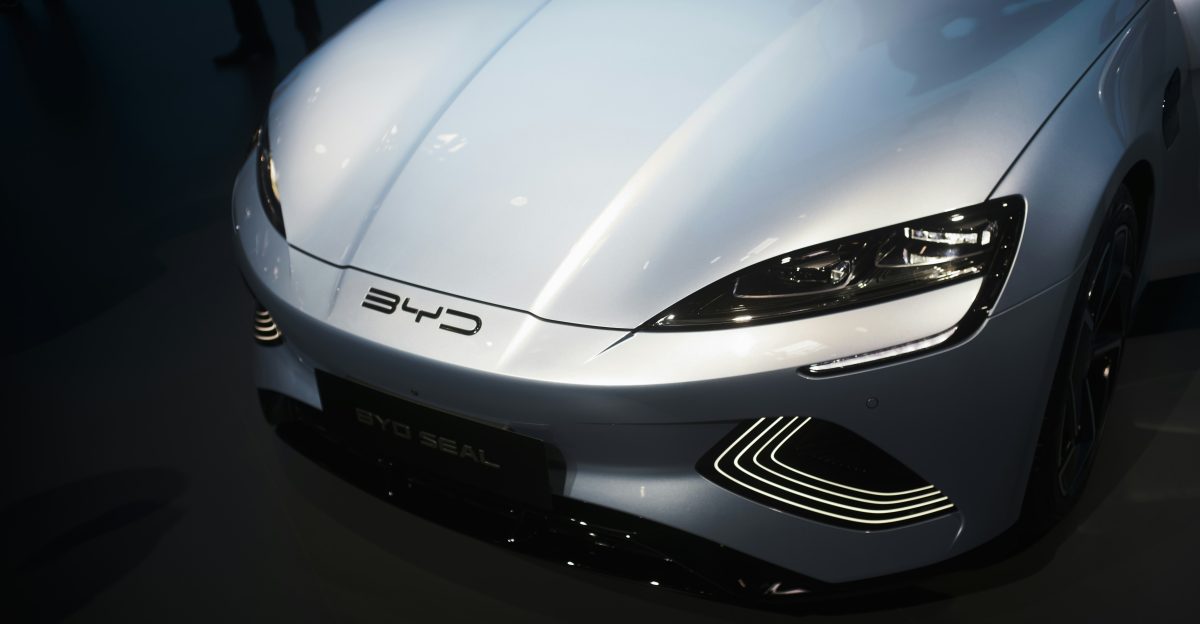
Winners: CATL and BYD, together commanding a large share of global battery capacity. Stationary storage buyers, whose battery prices dropped 45% in a single year to about $70 per kilowatt-hour. Losers: secondary battery makers like LG and SK On, facing margin erosion as NMC specialization becomes less profitable at scale. Premium automakers watching gross margins compress from 35–50% toward 20–25%. Used NMC EV owners, whose resale values weaken against LFP’s superior 2,000-cycle durability. U.S. tariff architects, whose protections raised prices instead of competitiveness. The irony stings: policy designed to shield Detroit accelerated the very dependency it tried to prevent.
The Cascade Keeps Breaking
Western governments are scrambling to build domestic LFP capacity and alternative mineral processing hubs. QuantumScape and Toyota race toward solid-state batteries targeting higher energy densities, hoping to leapfrog LFP’s cost advantage by around 2030. Sodium-ion batteries, already in CATL production, are on track to undercut LFP itself in some mass-market segments later this decade. None of these countermoves arrives before July 2026. The cascade runs: cost dominance feeds market share, market share feeds regulatory leverage, regulatory leverage feeds supply chain control. Same mechanism, every ripple. Anyone who still thinks this is a battery chemistry debate now understands the system underneath it.
Sources:
“Lithium-Ion Battery Pack Prices Fall to $108 Per Kilowatt-Hour Despite Rising Metal Prices.” BloombergNEF, 8 Dec 2025.
“The Future of Affordable EVs: Breakthroughs in Battery Pack Costs.” McKinsey & Company, 18 Dec 2025.
“EV Adoption Rates: How the US and Other Markets Compare in 2025.” S&P Global Mobility, 13 Oct 2025.
“China’s New EV Battery Safety Standard to Take Effect in July 2026.” Ministry of Industry and Information Technology (GB38031-2025 announcement), April 2025.