China Controls 95% Of EV Battery Minerals As German Automakers Post Largest Profit Collapse Since 2009
Volkswagen shuttered a German factory for the first time in 88 years. The closure is permanent. Across the country, Mercedes-Benz and BMW reported numbers that left boardrooms silent. For a century, these three companies defined automotive excellence.
Now, their combined operating profits cratered in a single quarter. This collapse did not come from a recession, pandemic, or parts shortage. It traced back to a decision made by the industry three decades ago.
The Collapse
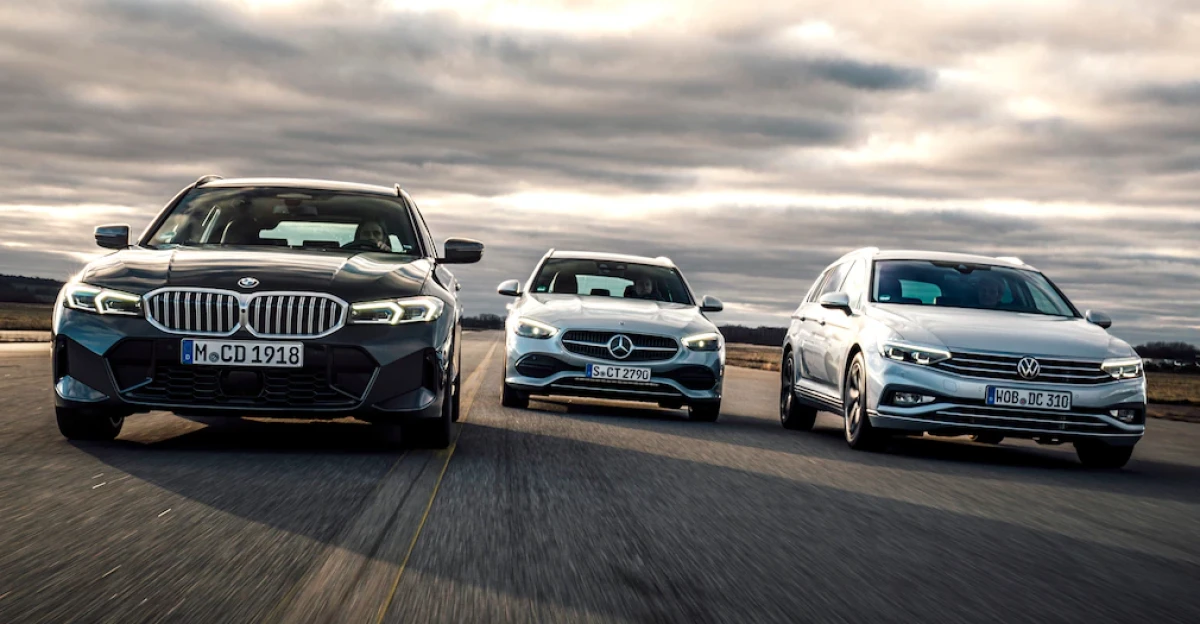
Those Q3 2025 numbers stunned the industry. Volkswagen, Mercedes-Benz, and BMW posted a combined 76% year-over-year operating profit decline, their worst quarterly performance since the 2009 financial crisis. Stellantis reported an even deeper loss, hemorrhaging €22.3 billion for the full year.
Western automakers invested tens of billions in the EV transition, hired thousands of engineers, and launched new platforms. The money kept flowing in, but market share eroded steadily after 2023 as Chinese companies captured a growing share of global EV sales.
The Outsourcing Bet
For decades, Western automakers treated outsourcing as standard practice. They farmed out batteries to suppliers and let others handle lithium refining. Focus remained on brand, design, and distribution. This approach saved billions during the combustion-engine era.
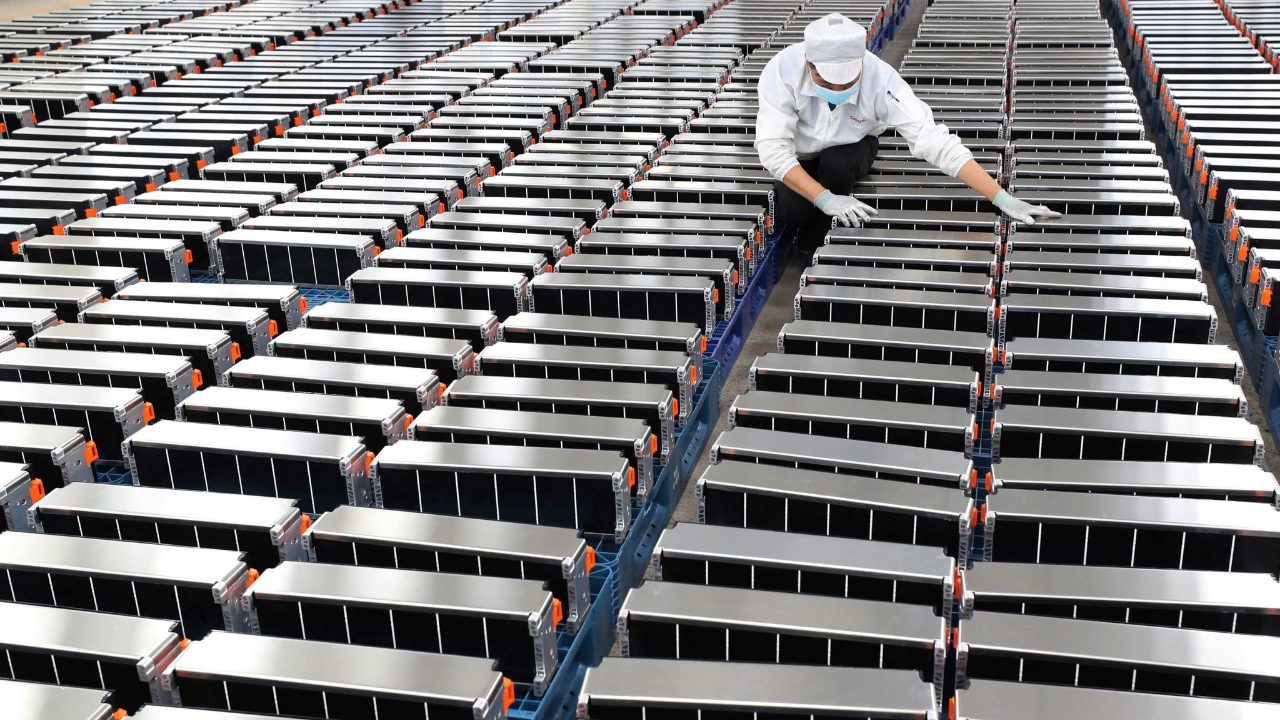
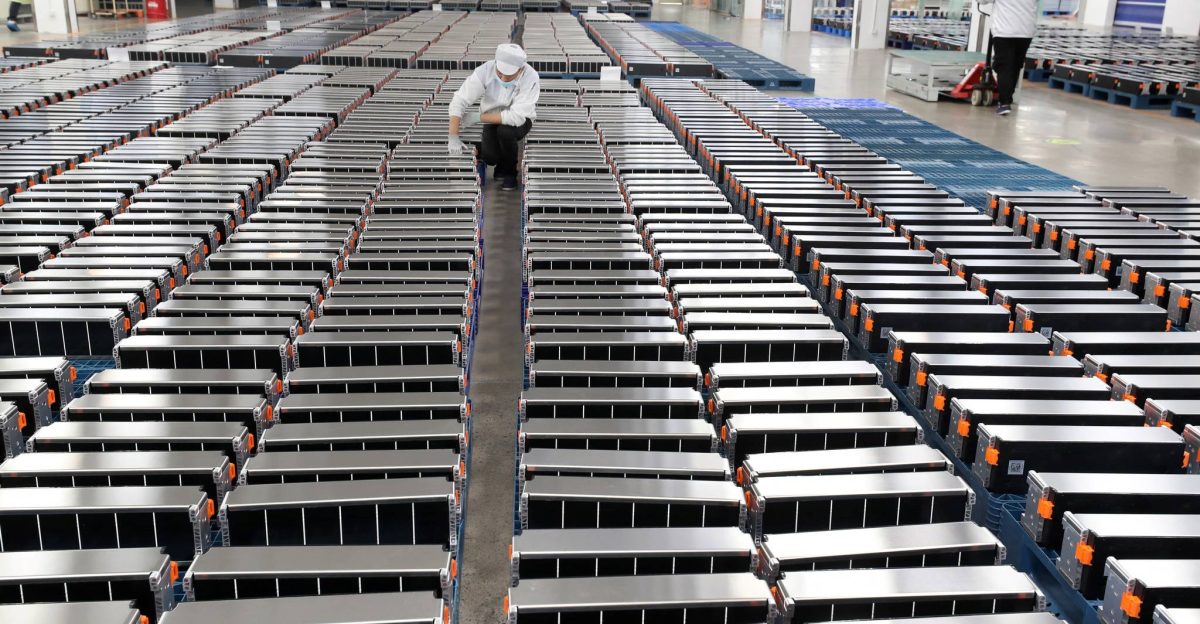
The EV transition changed the equation. The outsourced components became the core of the product. Batteries alone account for 30–40% of an EV’s cost. Western manufacturers now pay steep premiums to source those parts from non-Chinese suppliers. The cost-cutting strategies of the past have turned into cost traps.
The $2,369 Gap
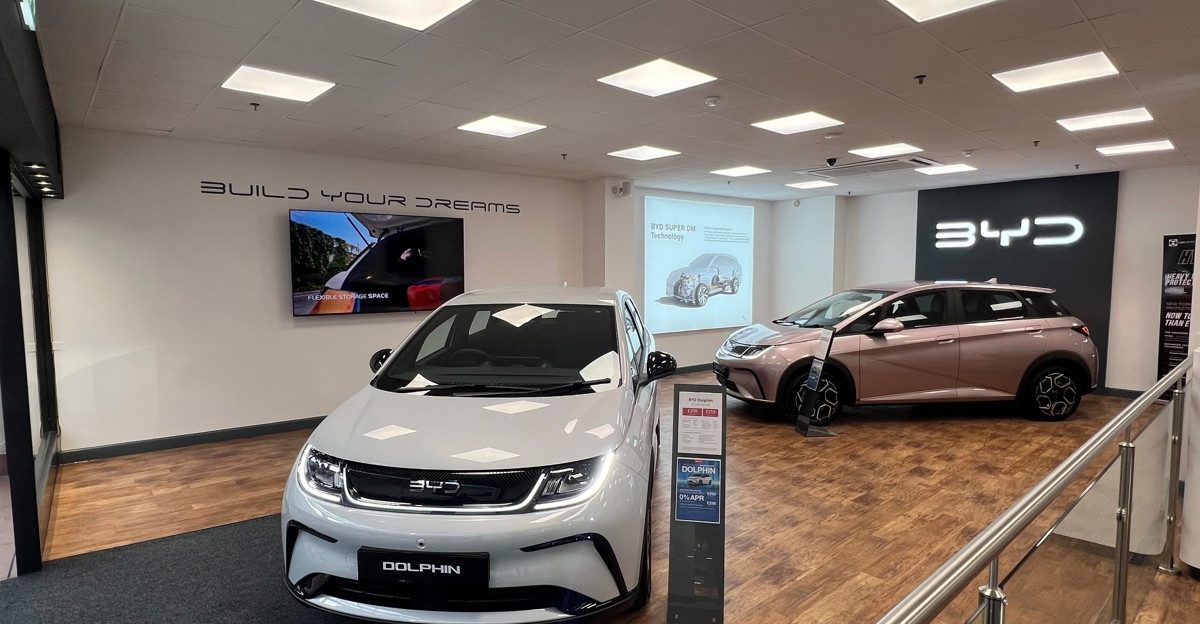
BYD builds nearly 80% of its core components in-house. Research from Rhodium Group estimates that vertical integration saves about $2,369 in supplier markups per Seal sedan compared with Tesla’s Model 3. This contributed to a 20% gross margin for BYD in 2025, surpassing Tesla’s 18%. Multiply that across 2.26 million battery-electric vehicles sold last year.
Every car BYD ships carries a structural profit advantage that Western competitors cannot reach, having sold off the supply chains that generate it. That gap grows with every model cycle.
Mineral Monopoly
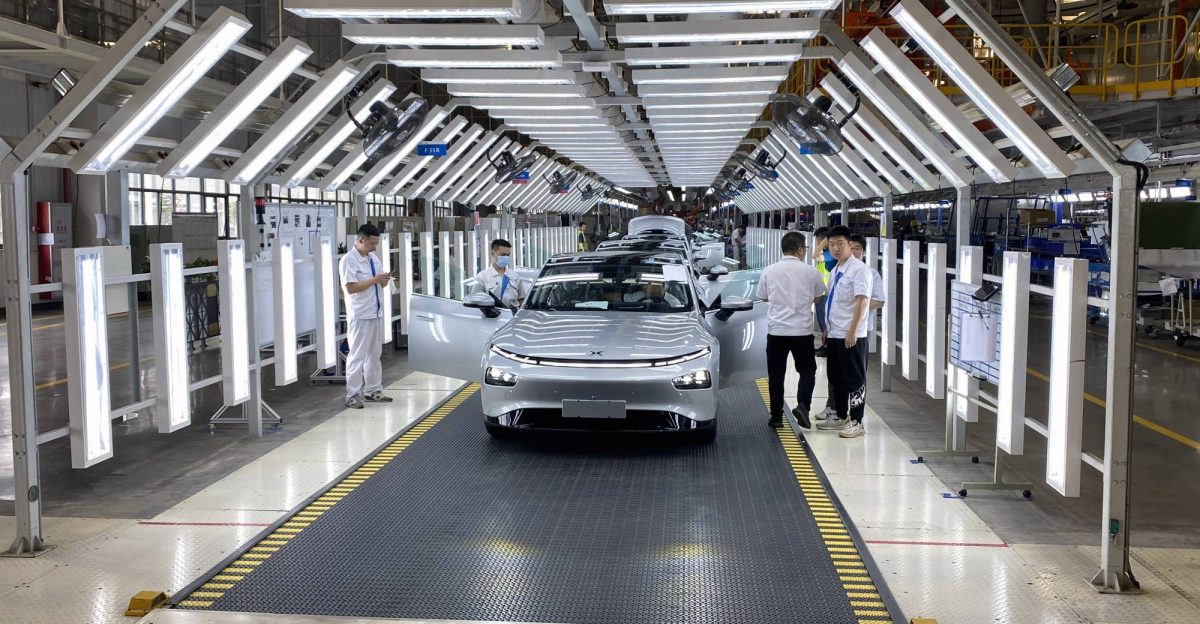
The Foundation for Defense of Democracies mapped the damage. China controls about 89% of global rare earth refining, 95% of battery-grade graphite, 85% of lithium anode production, and 70% of cathode output. Chinese graphite is essential for battery anodes, and Chinese rare earths make EV motors possible.
Western automakers compete at the product level. Chinese firms dominate at the input level. One side debates features and financing. The other side controls whether the car can be built at all.
Speed Kills
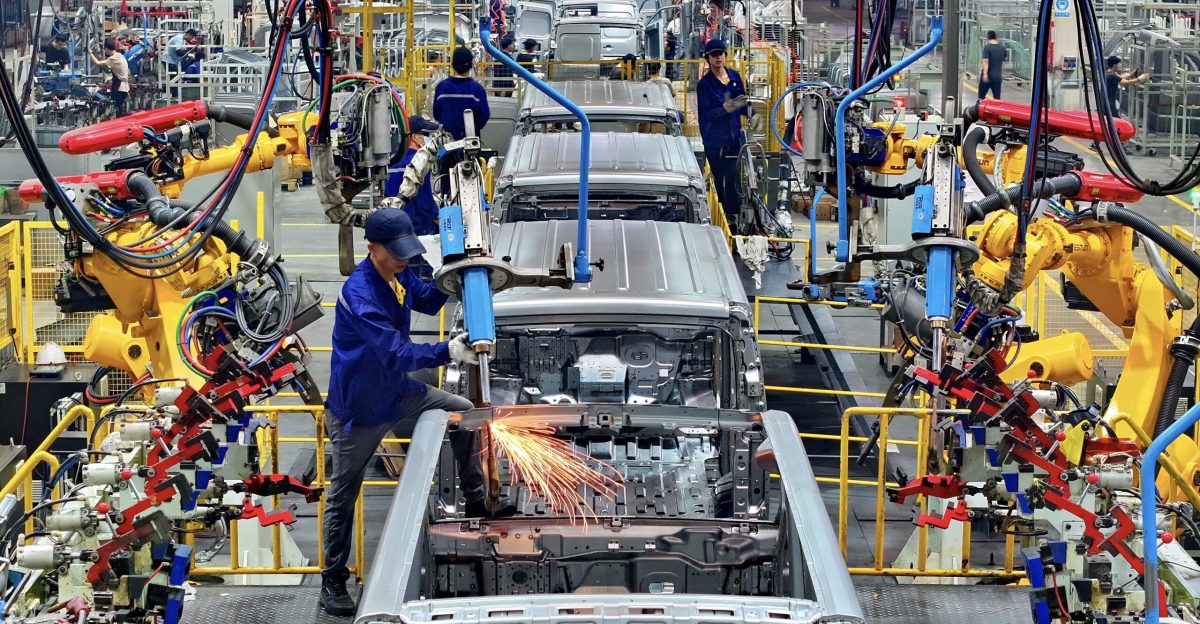
Chinese automakers develop new platforms in 18 to 20 months. Western manufacturers often need more than 40. Xpeng launched five platforms in nine years. Volkswagen managed three: MEB in 2019, PPE in 2023, SSP scheduled for 2028–2029. BYD files 45 patent applications every day, holding about 15 times Tesla’s cumulative EV patent total.
Chinese gigacasting presses reach 17,600 tons, while Tesla’s maximum is 9,000 tons. By the time a Western company completes one platform redesign, Chinese rivals have cycled through nearly five product generations.
Tariff Theater
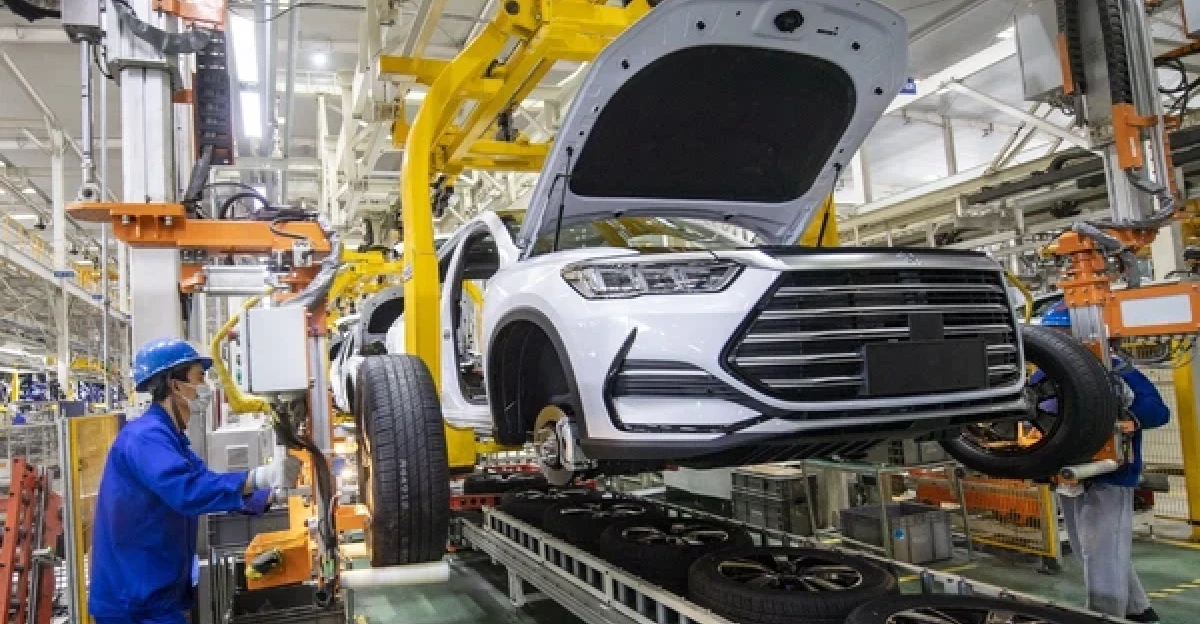
Western governments raised trade barriers. The U.S. imposed 100% tariffs on Chinese EVs. The EU set rates between 17% and 35%. These actions did not affect the structural cost advantage. Canada shifted course: 49,000 Chinese EVs approved annually at just 6.1%, set to rise to 70,000 per year. BYD is building a factory in Szeged, Hungary.
CATL is constructing a $7.8 billion battery plant in Debrecen. Chinese manufacturers are localizing production inside tariff zones, turning trade barriers into incentives to relocate.
The Irreversible Window
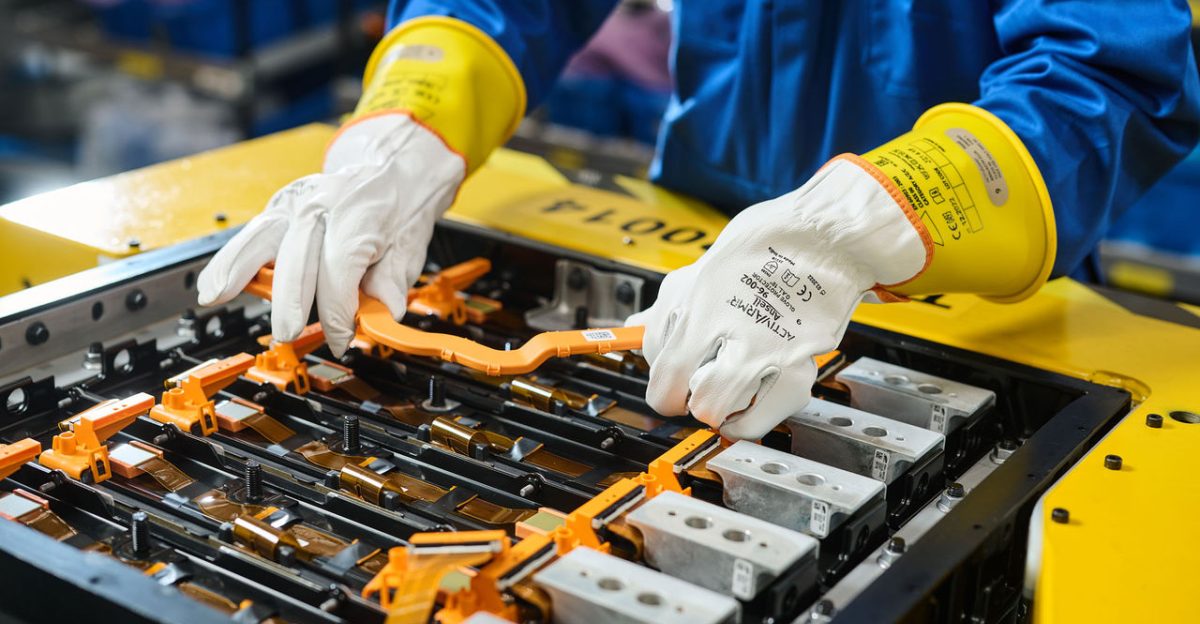
This pattern predates the auto industry. When one competitor controls raw inputs, tariffs on finished goods become empty gestures. From 2009 to 2023, China’s $230 billion in government support created monopolies in critical minerals and battery manufacturing that operate beyond the reach of trade policy.
Reshoring those supply chains would take an estimated 5 to 7 years and hundreds of billions in investment. Western automakers are bleeding cash now. The window to rebuild closes as the losses mount.
Price Collision
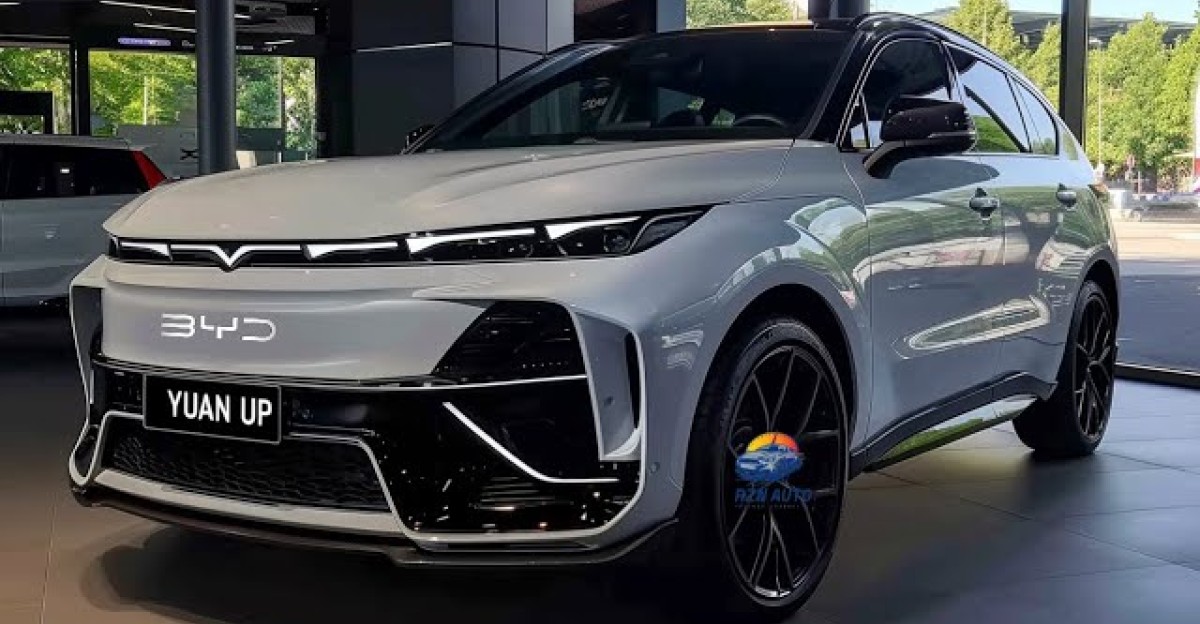
BYD unveiled a fully electric crossover SUV for about $15,000. The Chevrolet Equinox EV starts at $34,995. That 2.3x price gap reveals the underlying divide: vertical integration versus supplier dependency, state-backed mineral control versus open-market purchasing.
Western battery manufacturers such as Northvolt, LG Energy Solution, and Panasonic face shrinking margins as Chinese overcapacity continues. The USMCA renegotiation arrives this summer, and its outcome will shape whether Chinese production inside North America becomes permanent.
Structural Checkmate
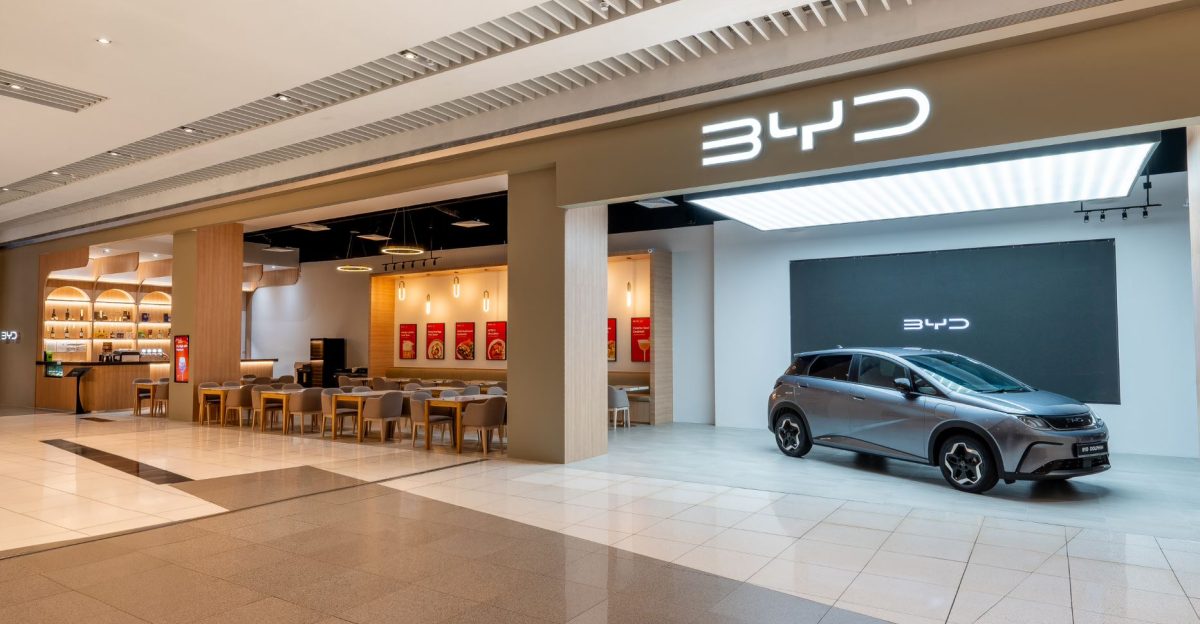
Most reporting treats this as a competition: BYD versus Tesla, China versus Germany. That perspective misses the underlying structure. Western automakers gave up supply chain ownership when it seemed like a smart trade.
Chinese industrial policy turned that decision into monopoly control of the minerals, batteries, and components that the entire EV transition depends on. Tariffs shield prices, but not the structure. Understanding that difference reveals the industry’s trajectory.
Sources:
Rhodium Group — Why Are Chinese EVs So Cheap? — February 18, 2026
Foundation for Defense of Democracies — China Is Overplaying Its Hand on Rare Earth Materials — December 5, 2025
MarketScreener — Deep Crisis Hits German Carmakers After 76 Percent Profit Slump — December 16, 2025
Stellantis Media — Stellantis Reports Full Year 2025 Financial Results — February 25, 2026
Anadolu Agency — Volkswagen to Close Production Plant in Germany for 1st Time in Its 88-Year History — December 14, 2025
CarNewsChina — BYD Applies to Export Electric Vehicles to Canada Under the New 6.1% Tariff Rate — March 5, 2026