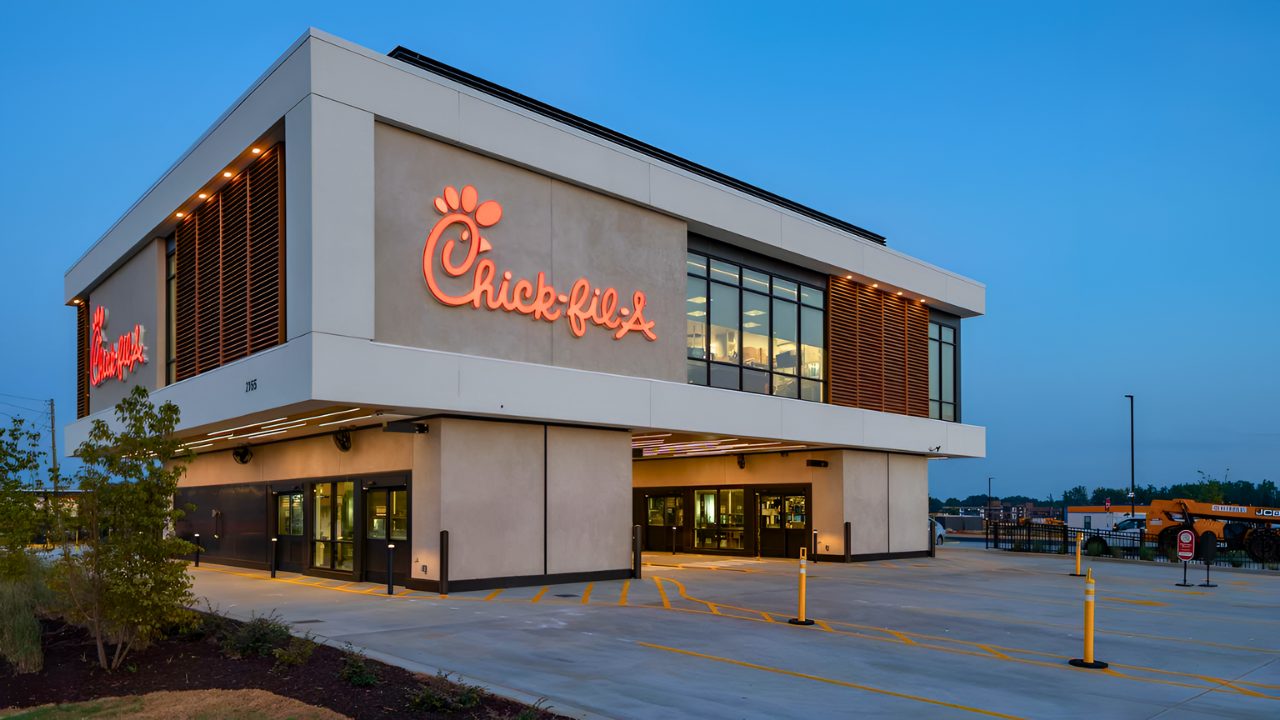
Chick-fil-A Launches $50M Texas Distribution Push as Network Serves 300 Restaurants
Chick-fil-A is investing $50 million in a new distribution center near Lubbock, Texas, but the move signals more than regional growth. Announced on March 14, 2026, the 86,044 square foot facility will support over 40 restaurants and anchor a supply network now serving hundreds nationwide. The company, which generated $22.7 billion in U.S. sales in 2024, is shifting focus as growth slows and same store sales stall. Instead of adding locations, it is tightening control over how food moves across its system. That quiet pivot reveals a strategy reshaping the entire business from the inside.
When Growth Suddenly Slowed Down
Chick-fil-A generated $22.7 billion in U.S. system sales in 2024, but growth slowed to 5.4%, the weakest rate in at least 19 years. Between 2020 and 2023, annual growth averaged 15.5% and never dropped below 12.7%. That pace ended abruptly. Same store sales contributed 0% to 2024 gains, meaning every dollar came from new locations. The company also closed 19 units, including 3 mall sites and 16 traditional restaurants. These numbers reveal a shift in momentum that corporate messaging did not fully explain.
Why This Facility Is Different
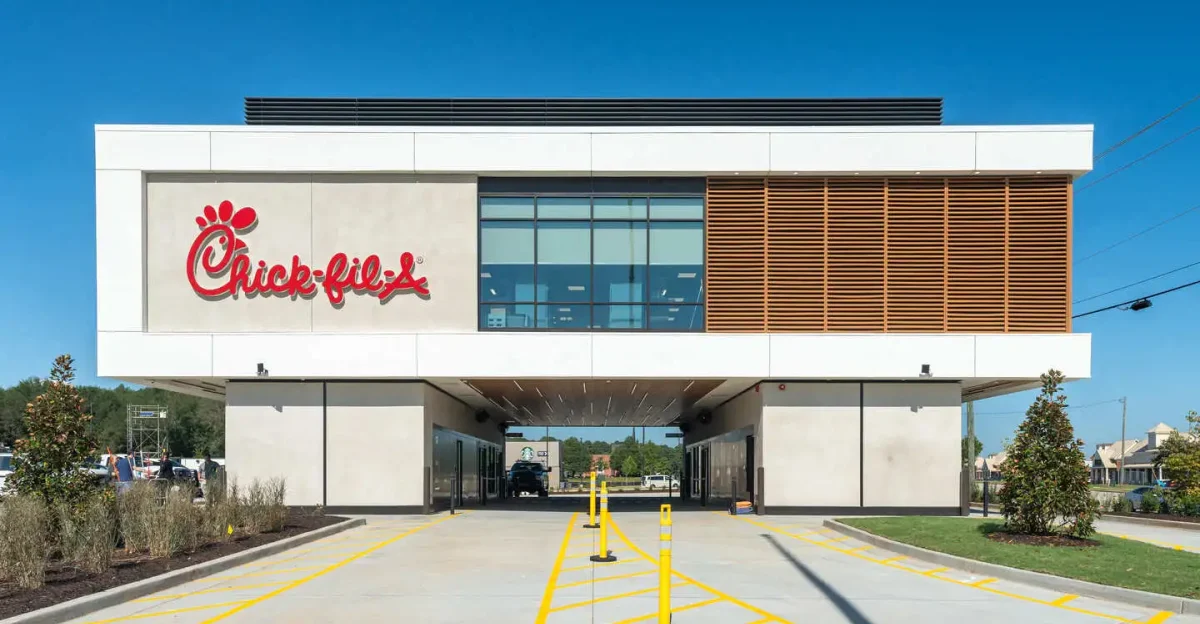
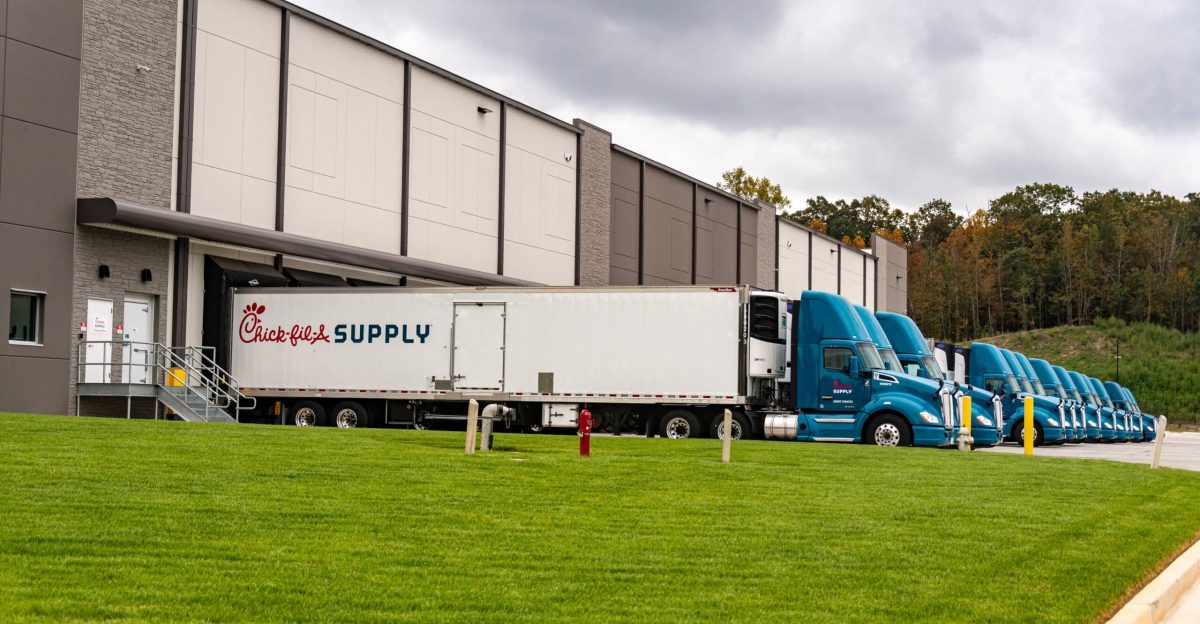
Most Chick-fil-A investments typically signal new drive thru openings. The Lubbock project centers on logistics, including tri temperature storage, cold chain systems, and loading infrastructure. It will serve more than 40 restaurants across West Texas, from Amarillo to Midland. This facility is part of a broader supply network launched in 2020, when Chick-fil-A opened its first distribution center. Since then, the company has expanded to 15 locations nationwide. A $150 million hub in Winter Haven, Florida, is scheduled for 2027, hinting at a much larger plan.
The Expansion No One Talks About
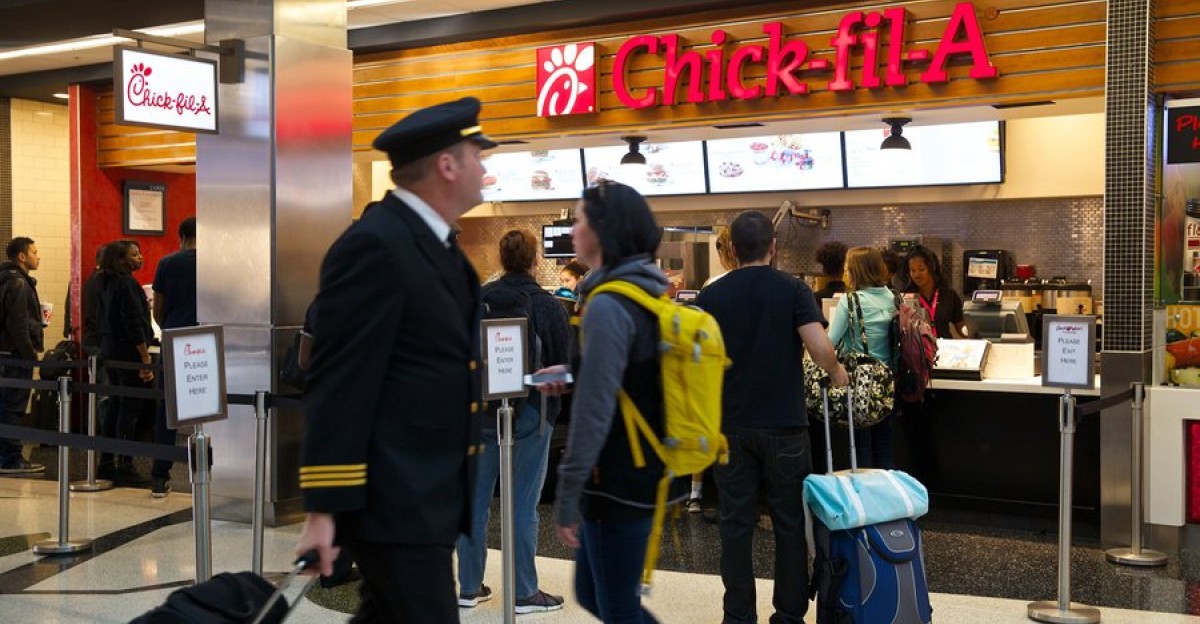
Chick-fil-A operates 3,109 U.S. restaurants along with 425 licensed locations, including 312 on college campuses and 97 in airports and hospitals. These licensed units run under institutional partners rather than independent operators. Over the next several years, the company plans to convert them into its owner operator franchise model. Each distribution hub is designed to support up to 300 restaurants, creating a centralized supply backbone. Investments now exceed $300 million. This shift suggests the company is restructuring its own network from the inside.
Inside The Supply Chain Shift
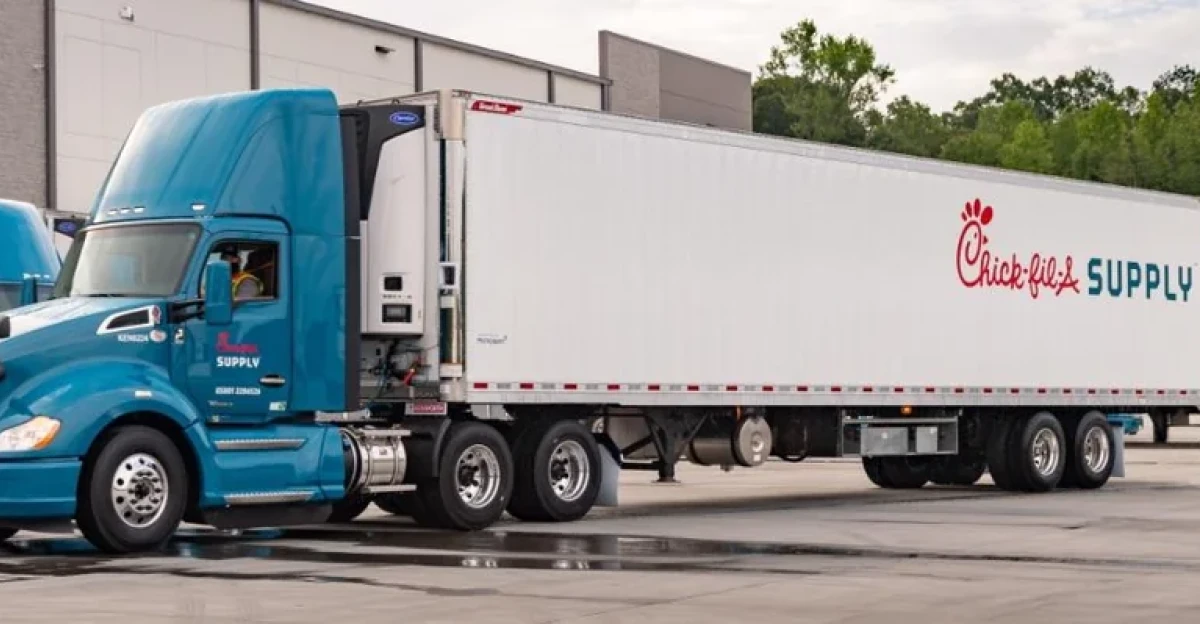
Vertical integration becomes clear when examining how Chick-fil-A Supply functions. By controlling procurement, delivery schedules, and pricing, the company reduces reliance on third party logistics providers. Institutional operators lose supplier flexibility, while franchise operators depend more heavily on centralized systems. This approach mirrors strategies used by major consumer goods firms seeking margin stability. Standardization replaces fragmentation across the network. Operations move closer to a single controlled system that stretches from warehouse to restaurant. That level of coordination begins to reshape how the entire business runs.
The Revenue Gap Driving Change
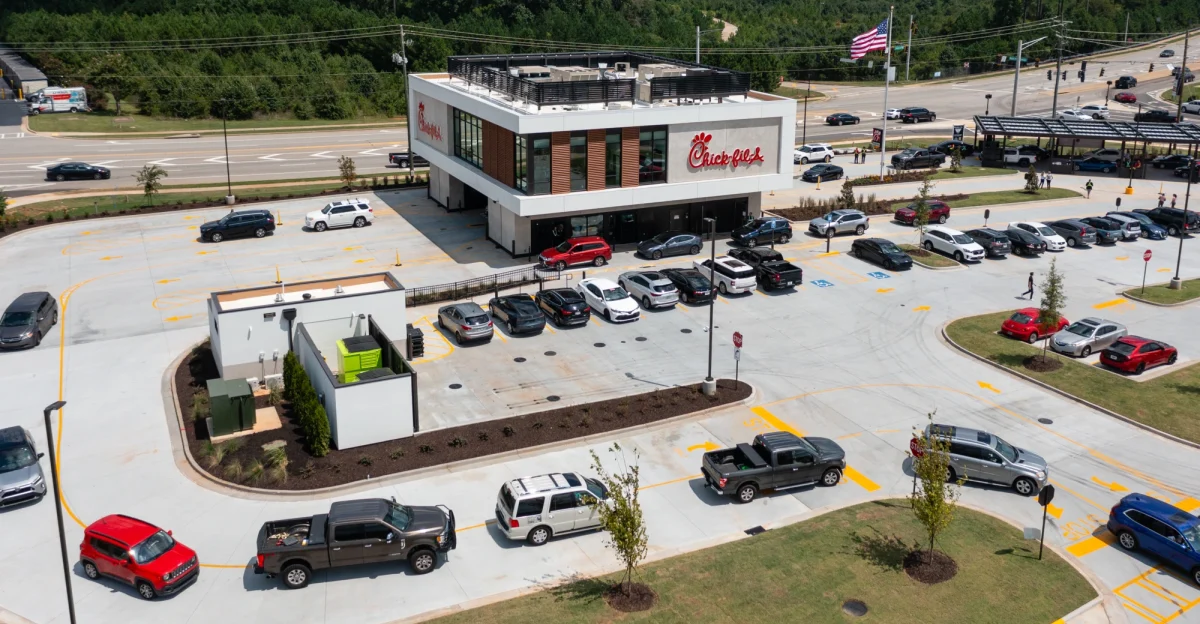
Freestanding Chick-fil-A restaurants averaged $9.227 million in annual sales during 2024, slightly down from $9.275 million in 2023. Licensed locations generated about $1.4 million each, creating an 85% revenue gap between formats. Converting 425 licensed units closer to traditional performance could unlock more than $1 billion in additional system revenue. Meanwhile, the Lubbock project received $3.55 million in incentives, including land valued at $1.95 million, reducing the net investment to roughly $46 million. The financial math behind this shift becomes hard to ignore.
The Ripple Effect Across Partners
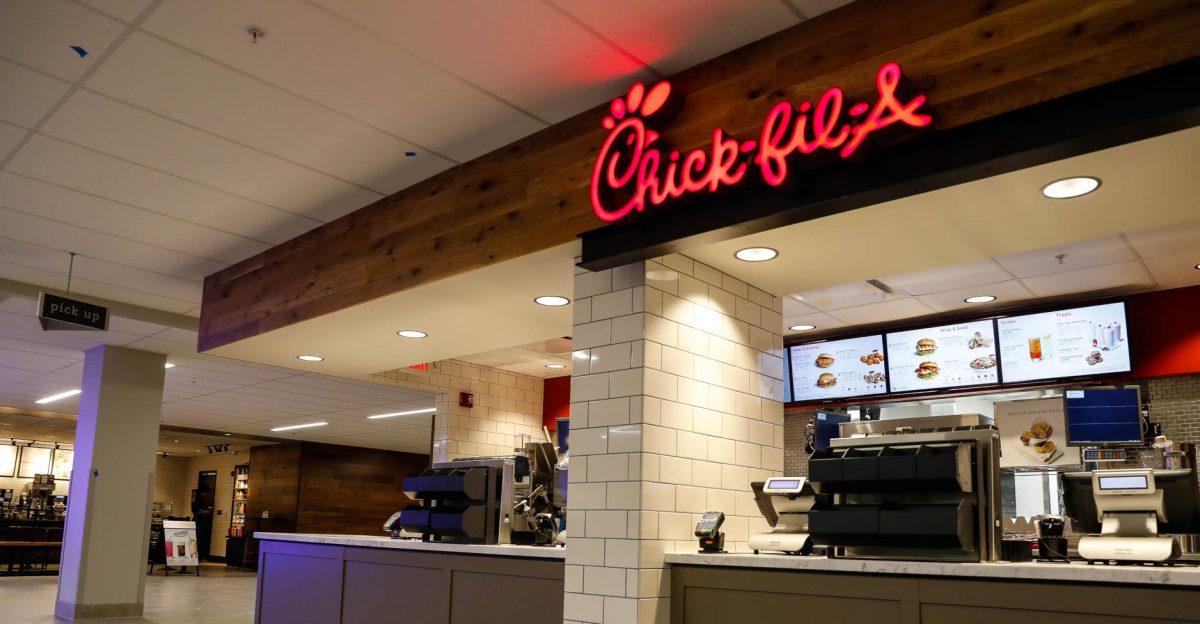
The transition affects more than Chick-fil-A itself. Colleges and hospitals that previously operated licensed locations will lose direct control over those businesses. Third party logistics firms face reduced demand as distribution moves in house. Competitors such as Popeyes, Raising Cane’s, and Wingstop must consider whether to invest heavily to match this model. The Lubbock facility alone is projected to generate $89.6 million in payroll impact over 10 years. That economic benefit exists alongside a quiet displacement of existing partnerships across the supply chain.
Customer Loyalty Buys Time
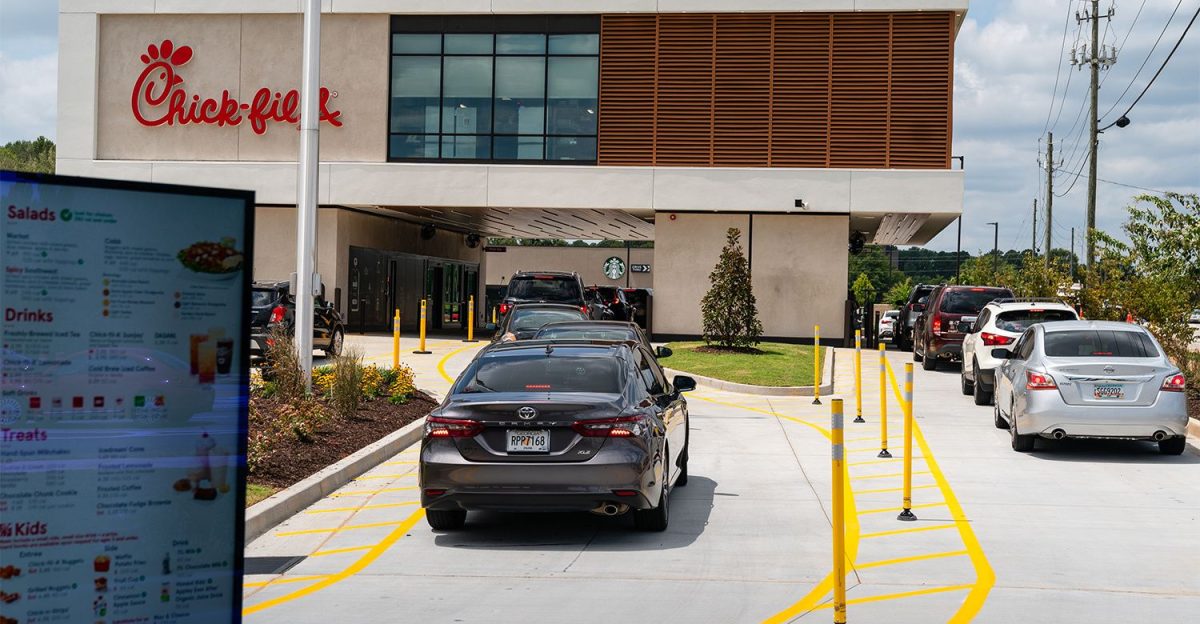
Chick-fil-A has ranked first in the American Customer Satisfaction Index for 11 consecutive years, scoring 83 out of 100. Strong brand loyalty allows operational changes to unfold without major consumer disruption. Behind the scenes, the company is also investing internationally, committing $100 million to the United Kingdom and $75 million to Singapore. These moves align with a broader realization that domestic growth has slowed. Expansion strategies now extend beyond new locations, raising the question of how far this transformation will reach.
A Timeline That Reveals Intent
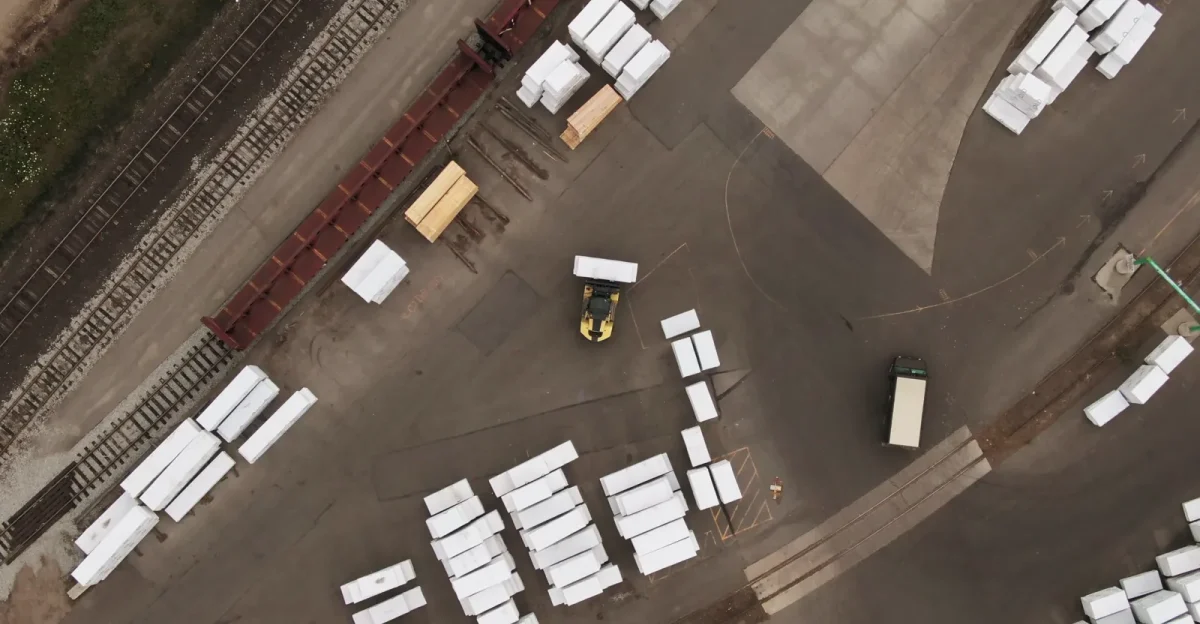
The Lubbock facility is scheduled to open in May 2027, while the first wave of licensed location conversions is expected to begin in 2026. These timelines align closely, suggesting long term planning rather than a reactive decision. If converted locations approach $5 million in average annual sales, system revenue could increase by roughly $1.5 billion. If performance falls short, more than $300 million in infrastructure investments face uncertain returns. The outcome depends on execution across both supply chain and franchise operations.
From Expansion To Control Strategy
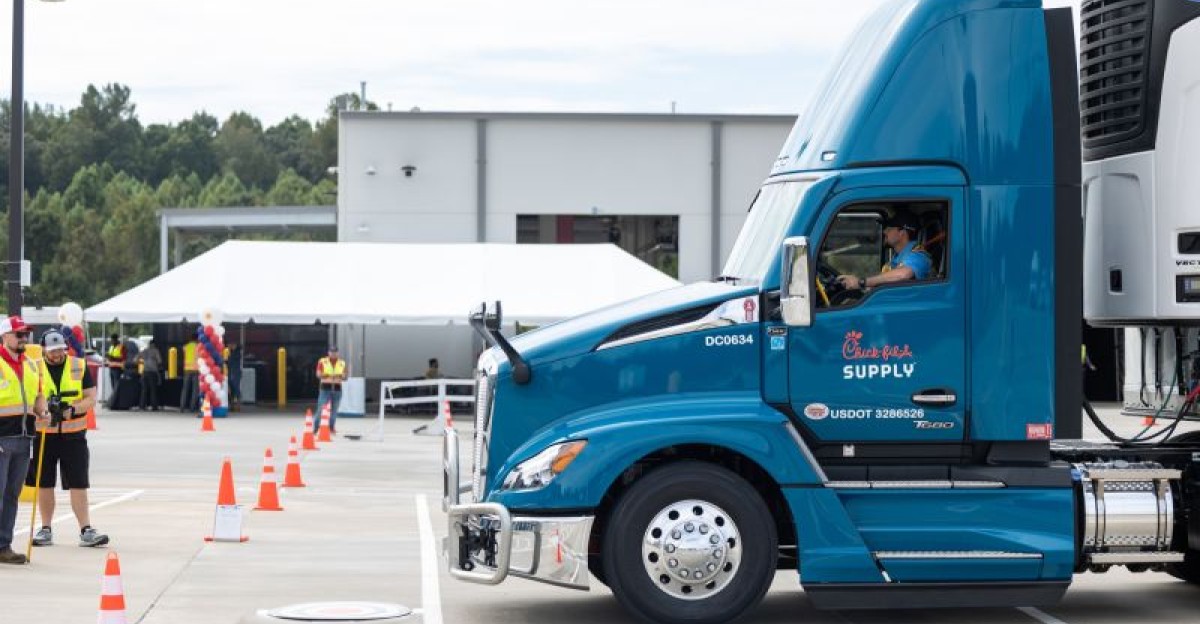
TheStreet described the shift clearly, stating Chick-fil-A’s supply chain investment “signals a strategic shift from rapid expansion to operational optimization at scale.” The company that once relied on steady restaurant growth is now focusing on control, efficiency, and system wide consistency. Distribution hubs, franchise conversions, and international investments all connect to the same structural change. Domestic saturation forced a new direction. What appears as a $50 million local investment actually reflects a company redefining how it grows, and why that growth now looks very different.
Sources:
Chick-fil-A to build $50M distribution hub in West Texas. FreightWaves, March 26, 2026
Chick-fil-A’s Sales Surpassed $22 Billion in 2024. QSR Magazine, May 15, 2025
Why Chick-fil-A is spending millions to build its own distribution network. Restaurant Dive, March 24, 2026
Chick-fil-A is making a $50 million move in key market. TheStreet, March 24, 2026
Chick-fil-A Tops Quick-Service Restaurants for 11th Straight Year. Restaurant Magazine, June 22, 2025
Chick-fil-A to open Florida distribution center. Supply Chain Dive, December 1, 2025
Chick-fil-A building $46 million distribution, warehouse site near airport. LubbockLights, March 17, 2026