Chevron Says $500M in New California Rules Could Kill All Its Refineries
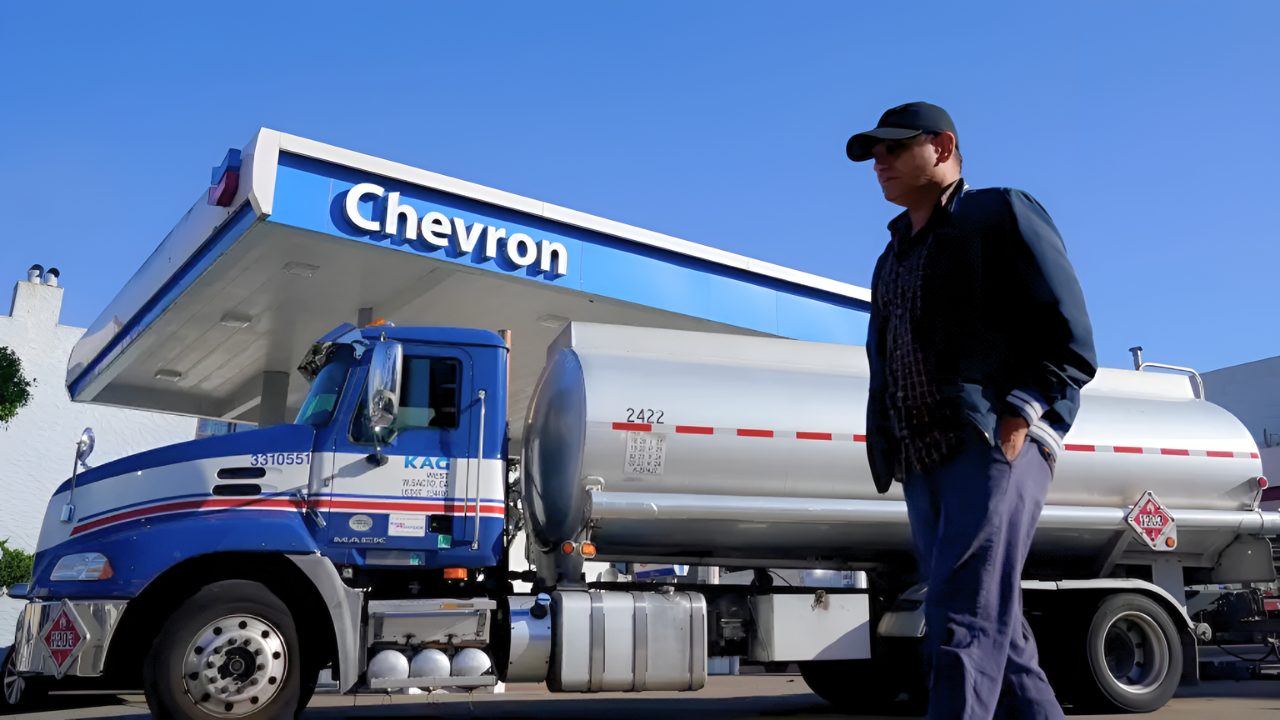
Chevron President Andy Walz didn’t hedge. He didn’t qualify. Speaking at the CERAWeek energy conference in Houston and writing directly to Governor Newsom, he named California by name, warned that its regulatory path would “cripple the survivability” of the state’s remaining refineries, and cautioned that jet fuel shortages could ground flights out of San Francisco. Diesel had already hit a record $7.12 a gallon, the highest price ever recorded in the AAA’s database. The Strait of Hormuz remained under blockade, amid U.S. diplomatic overtures that Iran has publicly rejected.
The War That Closed the Chokepoint

Operation Epic Fury launched February 28, 2026. U.S.-Israeli strikes hit Iran across multiple waves, killing Supreme Leader Ali Khamenei. Iran retaliated by blockading the Strait of Hormuz, choking off roughly 20% of global oil supply. By mid-March, the Strait was effectively sealed. An estimated 11 million barrels per day of crude and refined products sat stranded.
West Texas Intermediate crude briefly topped $100 per barrel for the first time since the Ukraine war, reaching a multi-year high in the days immediately following the strikes. California’s statewide gas average stands at $5.84 per gallon, and the blockade is barely two weeks old.
A State Already Running on Fumes
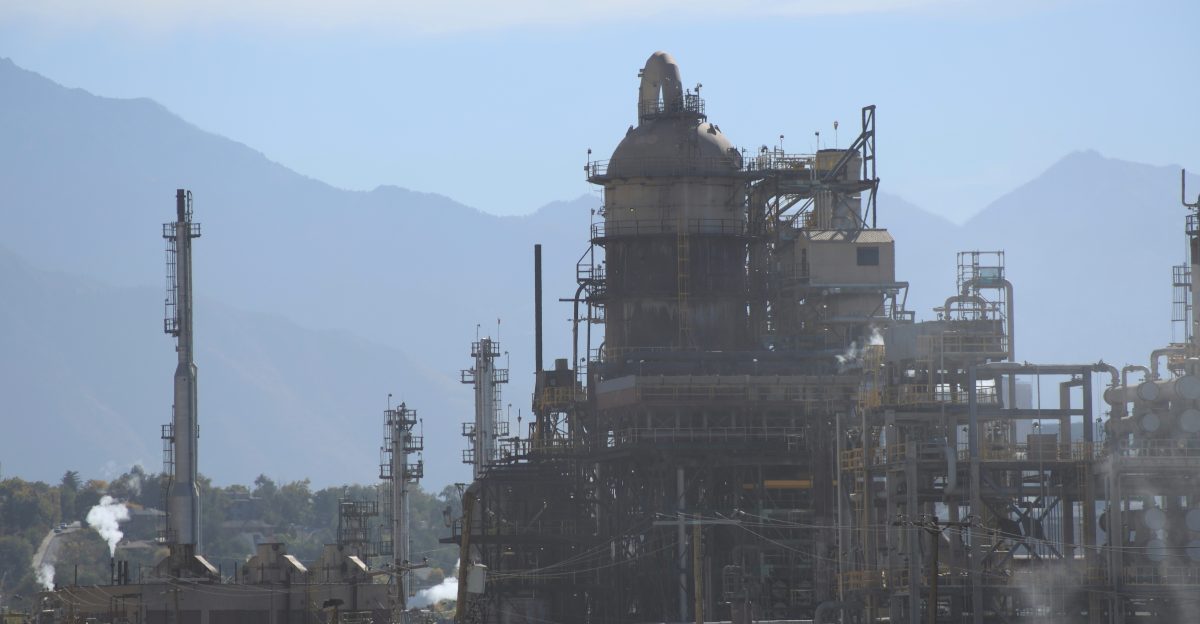
The blockade didn’t create California’s vulnerability. It exposed it. Six refineries have closed since 2008. Phillips 66 shut its Los Angeles plant in October 2025, removing 139,000 barrels per day of production. Valero’s Benicia refinery closes in April, taking another 145,000 barrels per day and more than 400 jobs with it. Together, those two closures eliminate 284,000 barrels per day, roughly 17% of the state’s total refining capacity.
California explored options to keep the Benicia refinery operating, including investigating potential new buyers and operators, but those discussions did not result in an agreement. Valero booked a $1.1 billion impairment covering both its Benicia and Wilmington facilities and proceeded with closure.
The Regulation Driving the Exit Threat
Walz wrote in a letter to Governor Newsom, obtained and published by Fox Business: “The proposed regulation will cripple the survivability of the state’s remaining refineries, which will result in California losing the entire industry to this misguided program.” Assembly Bill 1207, signed by the governor in September 2025, extended the state’s cap-and-invest program through 2045.
Proposed CARB cap-and-invest amendments now under development could impose $500 million in additional costs on California’s remaining refineries within five years. Chevron is now operating without policy certainty, during a war, in a state that has lost roughly 17% of its refining capacity since October 2025.
The Hidden Trap in California’s Fuel Blend
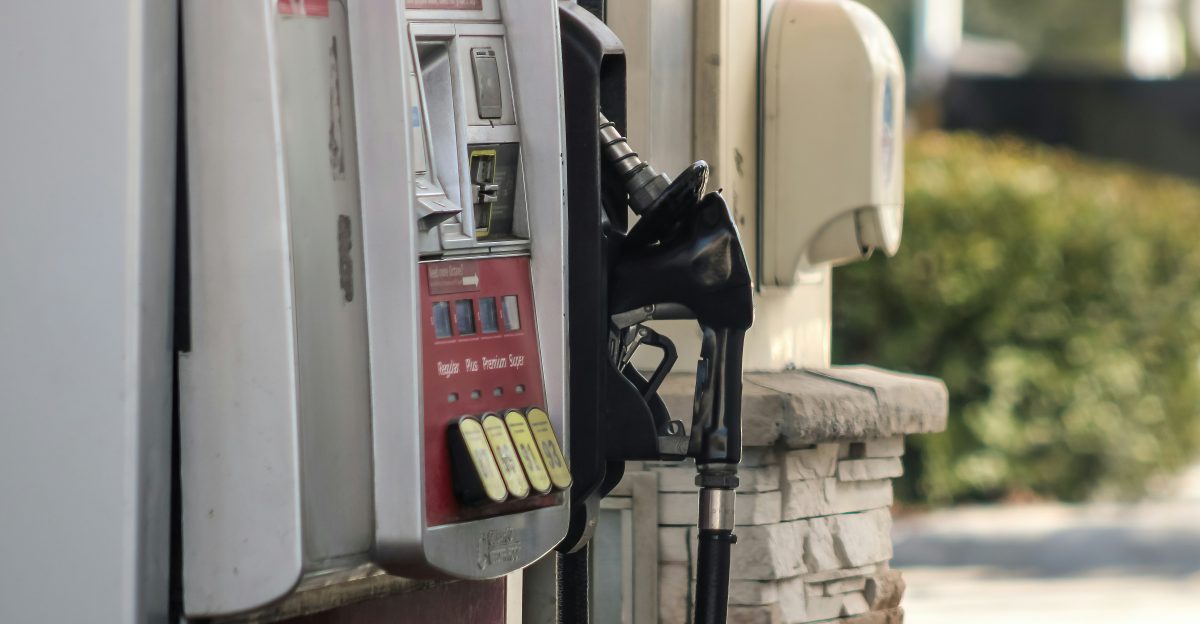
California mandates a proprietary fuel specification. No other state uses it. That means no interstate pipeline can deliver compliant gasoline from Texas or Louisiana refineries. The state must refine its own fuel or import specialized product by tanker. Only 55 Jones Act-compliant tankers exist globally, versus more than 7,000 international vessels.
To reduce domestic shipping costs, California has increasingly routed gasoline imports through foreign ports such as the Bahamas, a workaround that has grown substantially since the 2025 refinery closures began. The system functioned during peacetime abundance. During a Strait blockade with refineries closing, it functions like a tourniquet on a bleeding limb.
The Numbers Behind the Pain

California gas averages $5.84 statewide. The national average sits at $3.98. That $1.86 gap includes 61 cents in state gas tax, the highest in the nation, plus cap-and-trade compliance costs. Stanford economists project households could spend $857 extra on gasoline through December 2026 if the blockade persists.
Oxford Economics maintained its 2.8% U.S. GDP growth projection even as the conflict escalated, though analysts warn sustained disruption could drag that figure significantly lower. If the blockade stretches 60 days, Stanford warns San Francisco Bay Area gas prices could hit $10 per gallon.
Who Gets Hurt After the Refineries
Valero’s April closure forces California to import an additional 145,000 barrels per day. With the Strait under active blockade and alternative routes constrained, those barrels face significant delays arriving from Asia, where China has already imposed a fuel export ban as Gulf shipments dwindle and other Asian refineries face pressure to prioritize domestic supply. California has no reliable backup supplier of Jones Act-exempt refined product. Walz warned directly in his letter: “Refinery closures in California reduce fuel supply resilience on the West Coast, increasing risks to military readiness and national security, a matter of broader energy security and national defense.”
California’s more than 30 military bases, including Travis Air Force Base, which Chevron supplies directly from its Richmond refinery, could face jet fuel shortages. The supply crisis that started at the pump is now a national security problem.
Forty Years of Success Built This Fragility
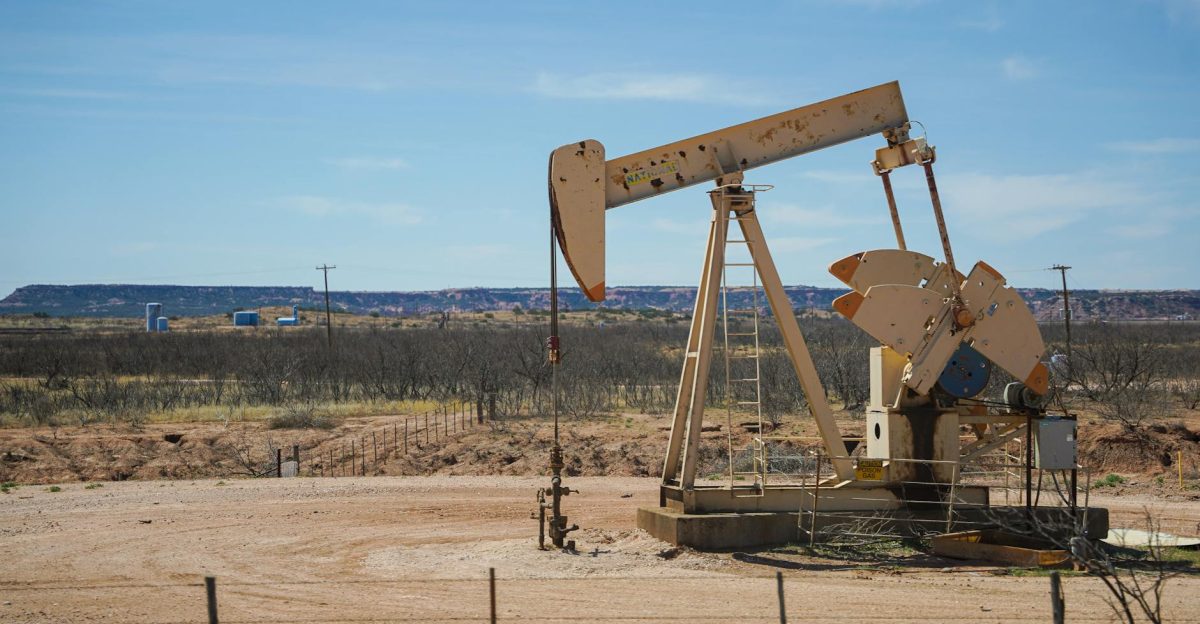
In 1982, California imported roughly 6% of its crude oil from foreign sources. Today that figure exceeds 60% and is approaching 70% according to Chevron’s own data. The state’s environmental regulations worked exactly as designed: they squeezed domestic production, shut marginal refineries, and cut per-capita emissions. But they also eliminated every redundancy. No strategic fuel reserves for refined products.
No excess refinery capacity. No pipeline alternatives. California optimized for climate success in peacetime and built maximum vulnerability for wartime. Once you see it, the pattern is unmistakable: every refinery closure was rational, every regulation defensible, and the cumulative result is a supply chain with zero margin for crisis.
The Dominoes That Haven’t Fallen
If the Strait stays closed past Q2 2026, oil holds in the $90 to $110 per barrel range based on current market trajectory. At those prices, additional California refineries become unprofitable. Smaller operators close next. By late 2026, the state could drop from eight functional refineries to as few as five or six, according to energy industry analysts tracking California’s remaining operator margins. Gasoline could stabilize above $7 per gallon, a threshold Stanford economists warn is reachable within weeks under sustained blockade conditions.
The federal government faces growing pressure to declare a national energy emergency, a step that would trigger strategic reserve drawdowns and potentially mandatory allocation programs not seen since the 1970s oil embargo. Governor Newsom’s spokesman said oil companies are “cashing in” on the war in Iran and running a “coordinated campaign” to attack California. But the refinery closures keep coming regardless of who gets blamed.
The Choice Nobody Voted For

Assembly Bill 1207 extended California’s cap-and-invest program through 2045. The legislature is actively considering refinery incentive packages and CARB amendment revisions that could affect remaining operators. Some Democratic gubernatorial candidates have called for suspending the state gas tax.
As the Strait disruption persists, other nations are seeking alternative supply arrangements. The trade-off between environmental protection and supply resilience was never put to voters. They approved climate regulations without understanding they were accepting supply vulnerability. Now that vulnerability has a price tag: $5.84 a gallon and climbing, with Chevron’s exit threat on record.
Editor’s Note (March 27, 2026): On March 25 to 26, President Trump extended his deadline for Iran to open the Strait of Hormuz to April 6, 2026. Iran and the United States remain at an impasse: while Washington says negotiations are ongoing, Iran’s Foreign Minister has publicly stated his government is not participating in any talks to end the conflict. The Strait remains significantly disrupted and Iran has continued to assert authority over it. Price figures in this article reflect AAA data as of March 26, 2026.
Sources
“Chevron Warns Newsom: California Regulations Risk 500K Jobs and Higher Gas Prices.” Fox Business, March 4, 2026.
“Valero Books $1.1 Billion Impairment, May Idle California Refinery.” Reuters, April 16, 2025.
“Refinery Closures Present Risk for Higher Gasoline Prices on the West Coast.” U.S. Energy Information Administration, March 23, 2026.
“California Average Gas Prices.” AAA Fuel Gauge Report, March 26, 2026.
“Why San Francisco Gas Prices Could Soar as High as $10 a Gallon.” Axios, March 25, 2026.
“Iran and US Appear at an Impasse as Each Side Hardens Its Position.” AP News, March 26, 2026.