Chevron Abandons $6 Gas California After 140 Years And 536,000 Jobs—’We Won’t Make It’
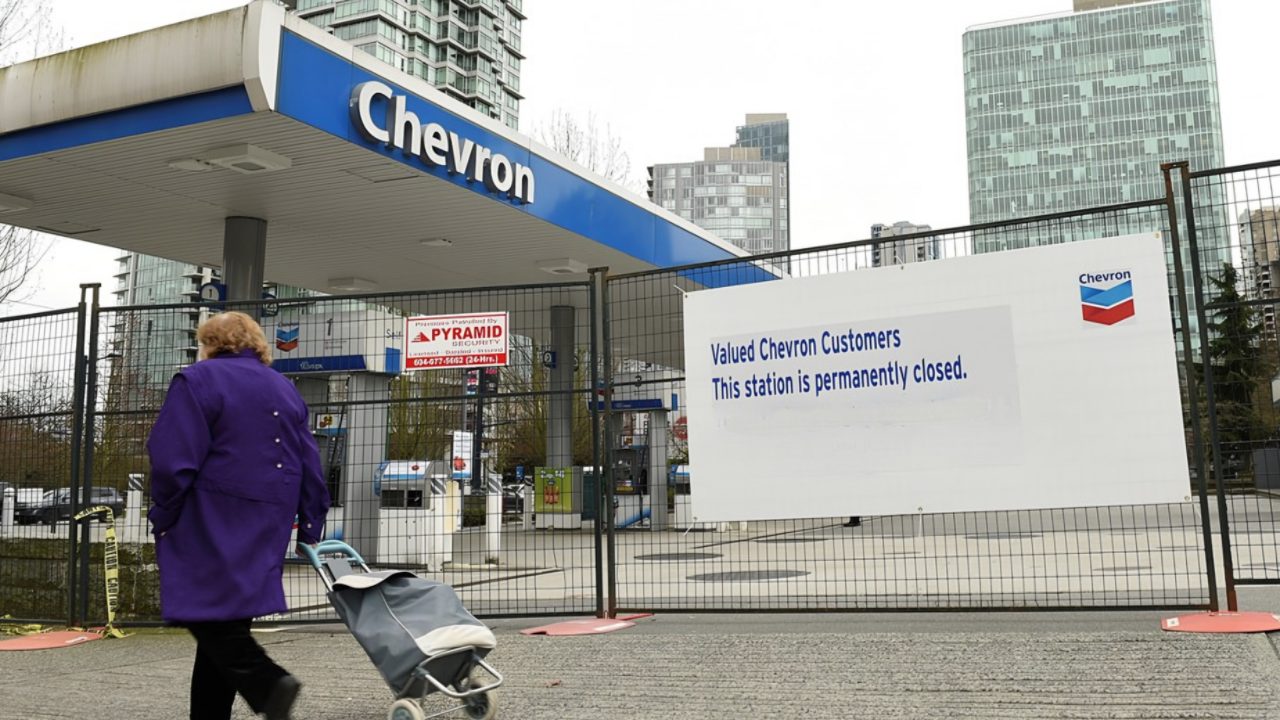
After 140 years of operating in California, Chevron is abandoning its strategy of absorbing the state’s regulatory costs. Andy Walz, Chevron’s president of downstream, midstream, and chemicals, warned in March 2026 that if proposed cap-and-invest rules proceed unchanged, “Chevron will be gone in 10 years for sure. We won’t be able to make it.” The company estimates $500 million in new compliance costs within five years. Gas in Los Angeles already hit $6 per gallon on March 31. Two other refineries are closing by April, eliminating 17% of state capacity. That’s the part everyone knows. The part about Nevada, the military, and global fuel markets is where this gets ugly.
Why the Math Broke
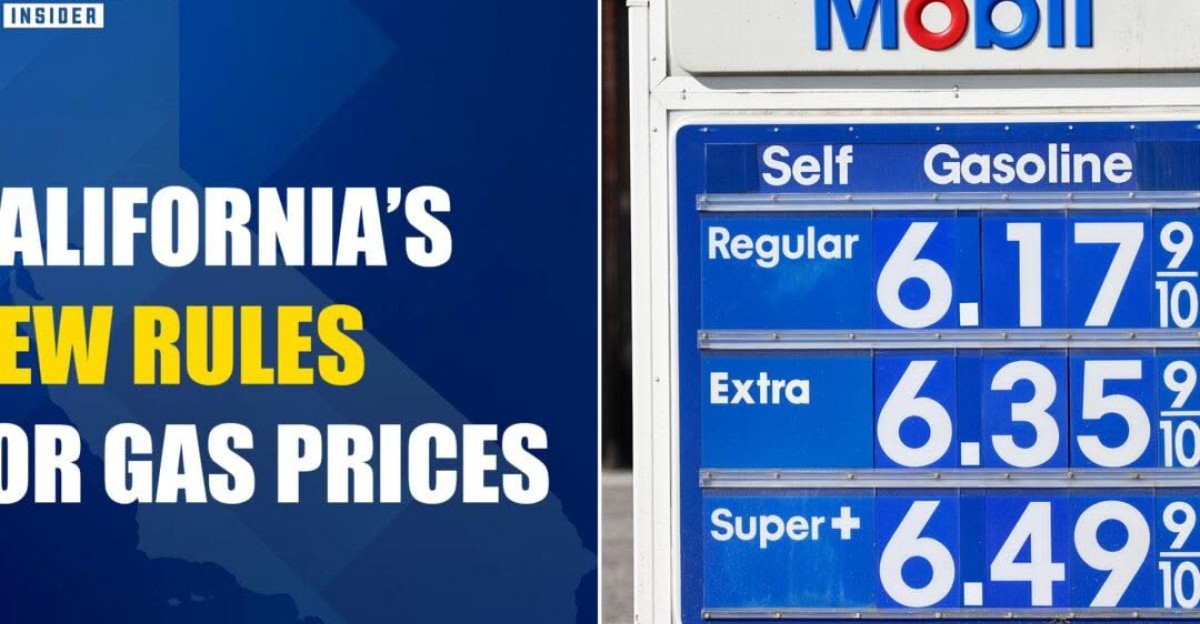
California’s Air Resources Board proposed removing 118.3 million emissions allowances from cap-and-invest budgets between 2027 and 2030. The schedule is back-loaded: 15 million in 2027, then 26.5 million, then 35.1 million, then 41.7 million. If allowance prices hit the $135 ceiling, that adds roughly $1.21 per gallon to gas by 2030. Currently, the program adds 24 cents. A fivefold increase in regulatory cost on top of a refining sector already hemorrhaging capacity. Marathon Petroleum projects its own compliance costs climbing 400% to $309 million annually by 2035. The CARB board votes on May 28. What happens at the pump before that vote is already unfolding.
The Grocery Run Gets Expensive
Phillips 66 closed its Wilmington/Carson refinery in December 2025. Valero’s Benicia facility ceases operations by the end of April 2026. Together: 284,000 barrels per day gone. Gas prices have jumped more than a dollar per gallon since the Iran conflict began on February 28. The national average crossed $4 for the first time in nearly four years. In LA, $6 is the new floor. The petroleum industry supports 536,770 California jobs and generates $53 billion in annual labor income. Every dollar added at the pump ripples through trucking costs, food prices, and delivery fees. The businesses absorbing those costs are doing math of their own.
Refiners Run the Numbers
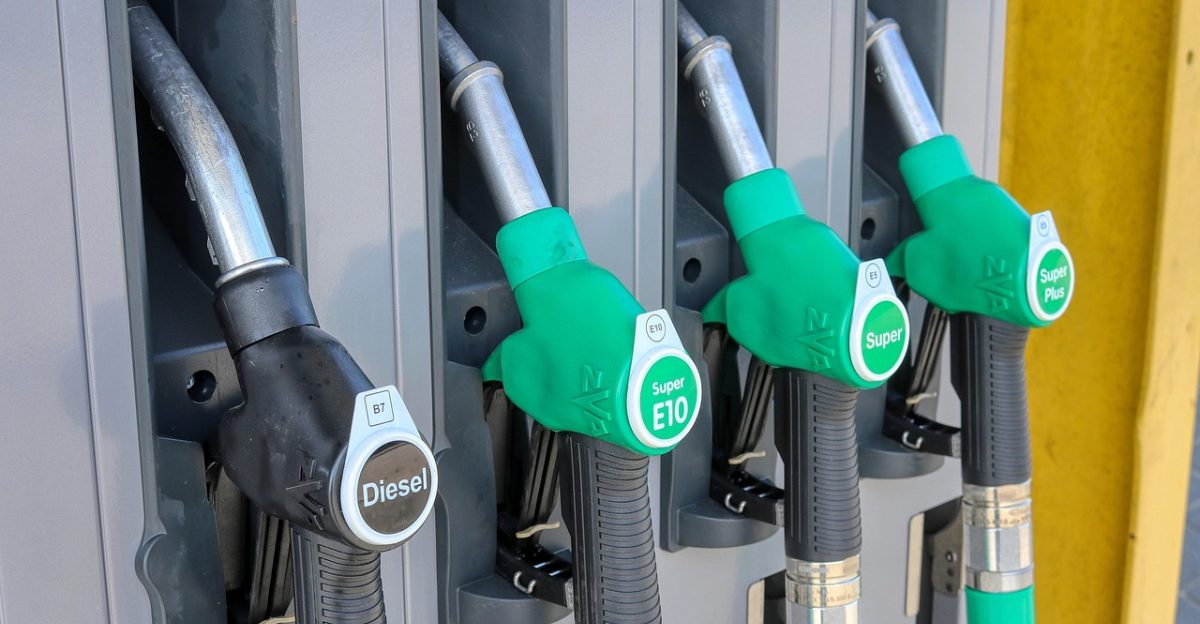
Here is the detail that should alarm anyone tracking this: CARB’s cap-and-invest rules penalize domestic refiners while foreign importers bringing finished fuel into California pay zero compliance fees. Chevron absorbs $500 million in new costs. A tanker of gasoline from India absorbs nothing. The regulatory structure economically rewards outsourcing refining to less-regulated countries. Since 2018, 360 energy companies have left California. New drilling permits dropped 95% since 2019. Production fell 128,000 barrels per day over five years, despite California holding the fifth-largest petroleum reserves in the country. The remaining refiners are watching Chevron’s signal closely.
Nevada Didn’t See This Coming
Governor Joe Lombardo sent a letter to California’s governor with a number that should stop people cold: 88% of Nevada’s gasoline, diesel, and jet fuel comes from California refineries. Nevada gas prices climbed 14% as California’s supply contracted. One state’s regulatory decision is dictating fuel costs in a neighboring state that had zero say in the policy. And Nevada is just the most exposed. Oregon and Washington draw from the same West Coast refining base, which cannot pull fuel from Gulf Coast pipelines due to geography. California’s refinery collapse is becoming a regional energy crisis dressed up as a state policy debate.
The System Behind the Cascade
Every one of these ripples traces back to the same structural failure. California’s energy policy rests on two assumptions: that reducing domestic production reduces global emissions, and that global energy markets are stable enough to supply the gap. Both assumptions collapsed in 2026. Domestic production drops. Imports rise. California went from 6% crude imports in 1982 to 60% today. Brazil supplies 20%. Iraq supplies 21%. Then Iran blocks the Strait of Hormuz. Eleven million barrels per day vanish from global markets. The largest supply shock since 1973. The state eliminated its furnace, and now the heating oil isn’t arriving.
‘My Worst Fear’
Andy Walz told reporters, “The potential for fuel shortages in California is my worst fear.” Same interview, same breath: if regulations hold, Chevron exits. His worst fear is the exact outcome his company’s departure guarantees. That contradiction reveals the stakes. Meanwhile, the San Pablo Bay Pipeline reported zero nominations in December 2025. Crude that once flowed north now moves by truck: 35,000 barrels per day, 100 truck trips daily, 50 miles each way to Pentland Station. Pipeline infrastructure is going dark. Tanker trucks are replacing it. The system is being jury-rigged in real time, and the temporary fix has no expiration date.
The Pentagon’s California Problem
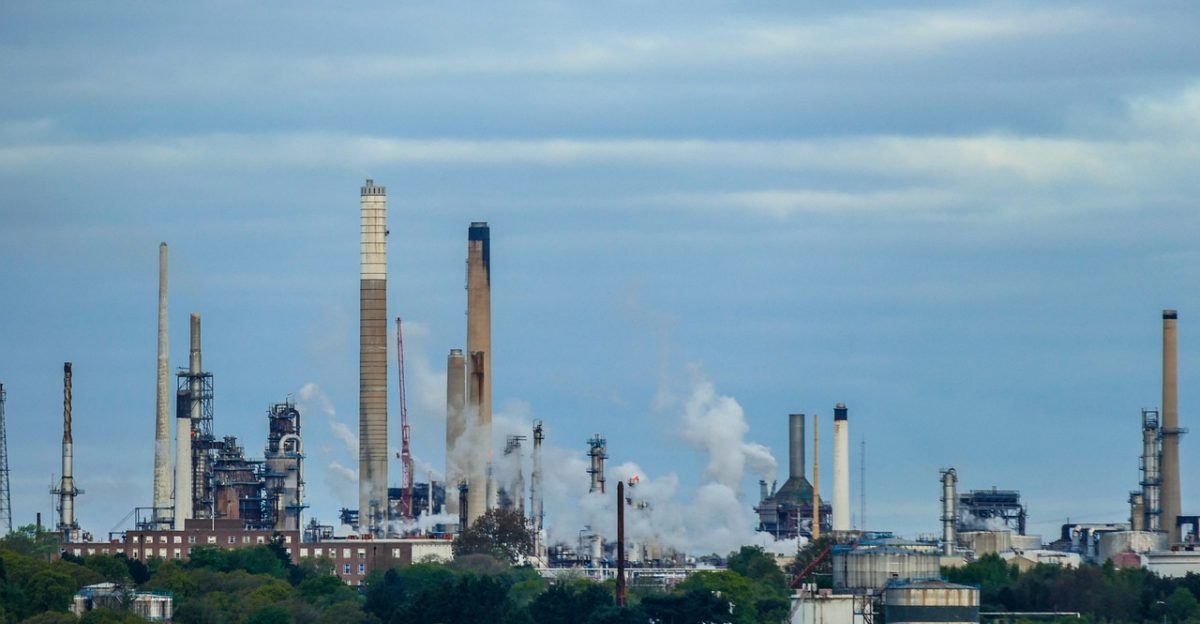
California refineries produce military-grade jet fuel for more than 30 defense installations. The two recent closures cut jet fuel production by 600,000 gallons per day. Defense Fuel Support Points in the state maintain only 72 hours of peacetime working stock. Seventy-two hours. Pacific contingency planning requires 86 tankers; the current fleet capacity falls well short. The state is pursuing climate goals, and the military needs fuel from the same refineries that are shutting down. That is the trade-off nobody in Sacramento wants to name. Once you see it, every ripple connects: climate regulation, refinery exits, import dependence, military vulnerability. Same mechanism. Same consequences.
Winners, Losers, and the Bill
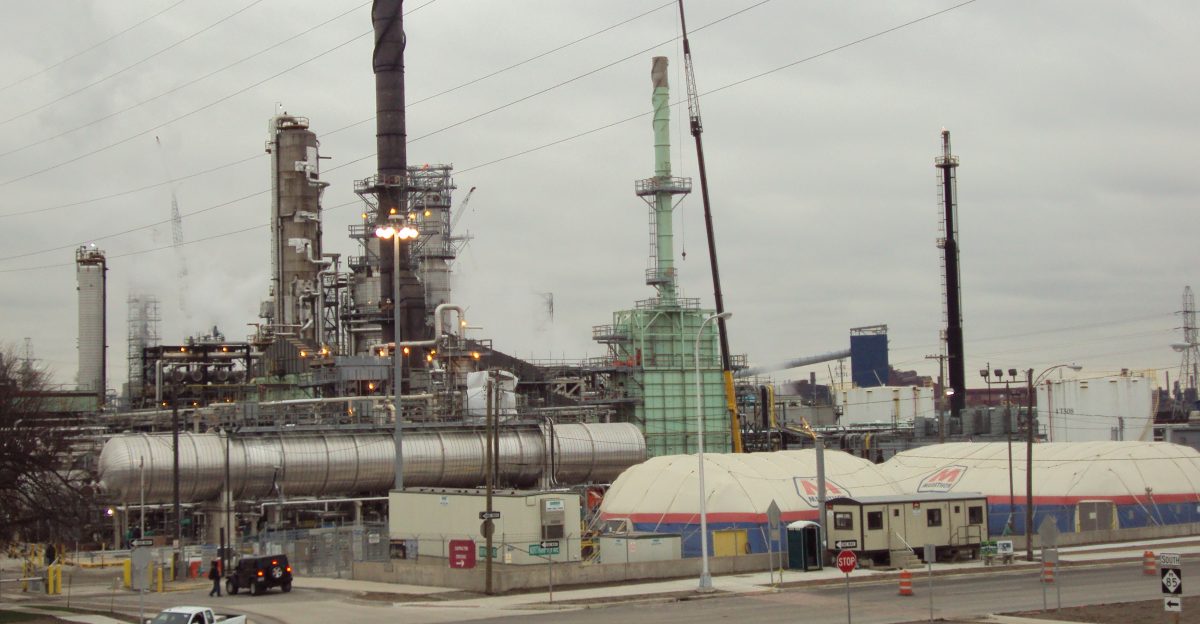
The petroleum industry generates over $166 billion in value-added economic activity and roughly $64 billion in annual tax revenues across state, local, and federal levels. Every percentage point of capacity lost shrinks that base. Texas and Louisiana refiners benefit from California’s premium pricing and lost market share. Foreign refineries in India and Saudi Arabia capture the volume California used to produce domestically. The irony: CARB’s emissions rules, designed to cut carbon, push production to countries with weaker environmental standards. Global emissions may not drop at all. They just move. The people paying the price are Californians spending $6 at the pump while the state collects less tax revenue to fix the roads they’re driving on.
The Cascade Isn’t Finished
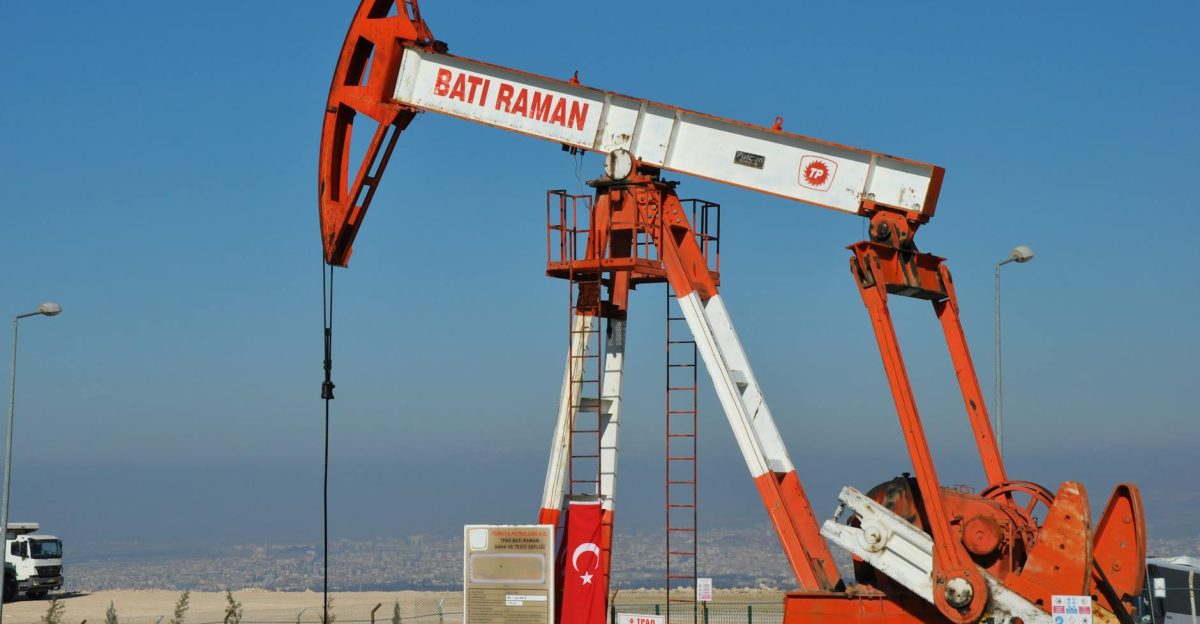
If CARB passes its amendments on May 28, Chevron’s exit timeline accelerates. If Chevron signals closure, remaining refiners follow. By 2027, California could lose 30% to 40% of refining capacity. The Iran blockade has already created a supply shock larger than the 1973 and 1979 crises combined, with Qatar LNG damage taking 3.5% of global capacity offline for years. The federal government may invoke the Defense Production Act to override state regulations on military fuel grounds. That fight, state climate authority versus federal defense power, is the next battle. The cascade that started with one company’s warning now reaches the Constitution. And gas prices haven’t peaked.
Sources:
“Chevron Warns California Risks Fuel Crisis Unless War Eases.” TT News, 25 Mar. 2026.
“Gas Just Hit $6 in Los Angeles. Here’s Where You Can Still Find It for $5.” Los Angeles Times, 31 Mar. 2026.
“The Writing on the Wall: Why California Refineries Are Closing.” Stanford Center for Environmental Policy and Planning, 11 Feb. 2026.
“The Iran Conflict’s Energy Shocks Are Not Yet Fully Realized.” Brookings Institution, 1 Apr. 2026.