Caterpillar Spent 16 Years To Build A Pickup With Ford Engine Under The Hood—$500M Program Abandoned
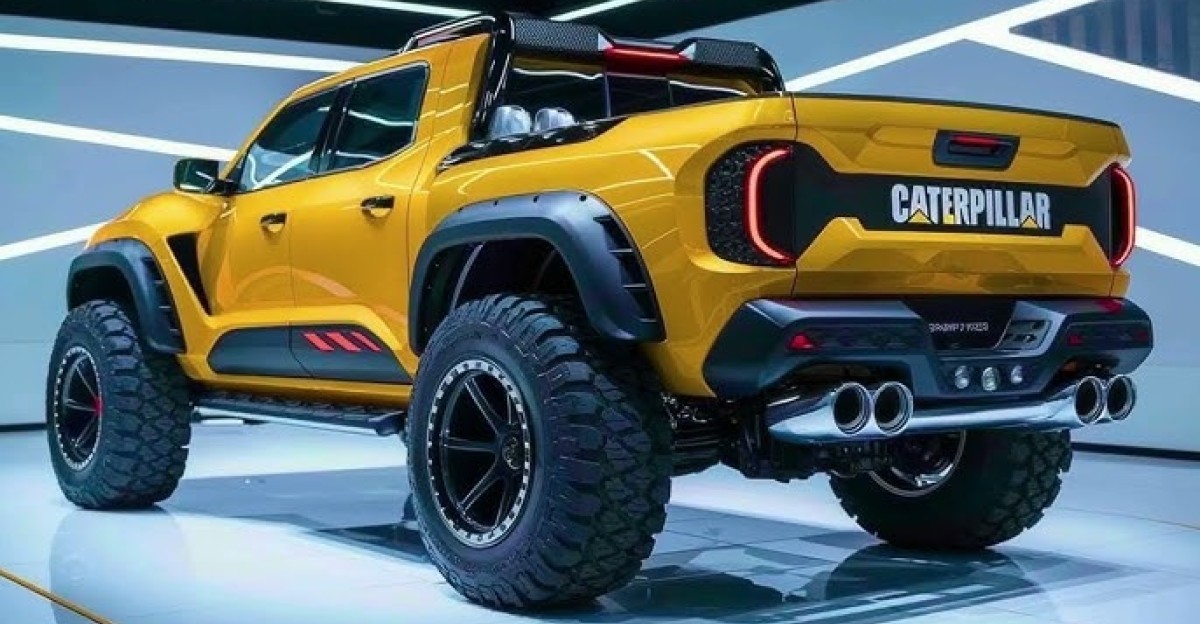
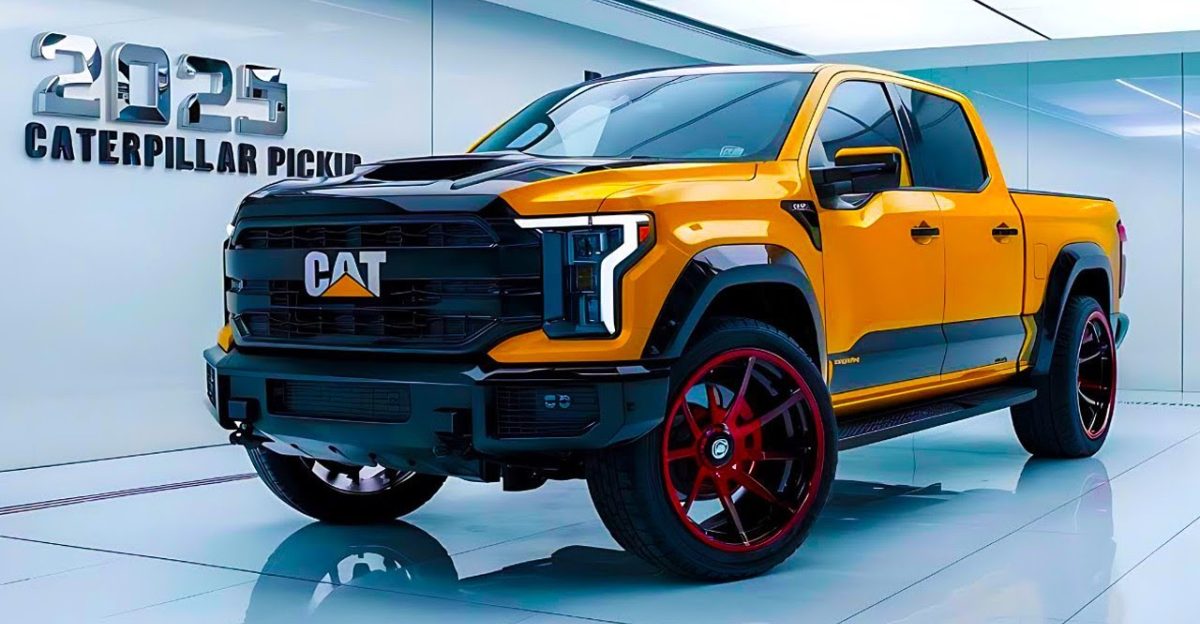
The tarp came off at CONEXPO-CON/AGG 2026 in Las Vegas, North America’s largest construction show, and there it sat: a CAT-branded pickup truck, yellow paint gleaming under trade-show lights. CAT badges on the grille, the steering wheel, the tailgate. Sixteen years since Caterpillar last competed in the on-highway vehicle market. Thousands of contractors had flooded the company with inquiries after AI-generated images of a CAT truck went viral in 2024. Now the real thing existed. What sat under that hood, though, told a different story.
Ghost Engine
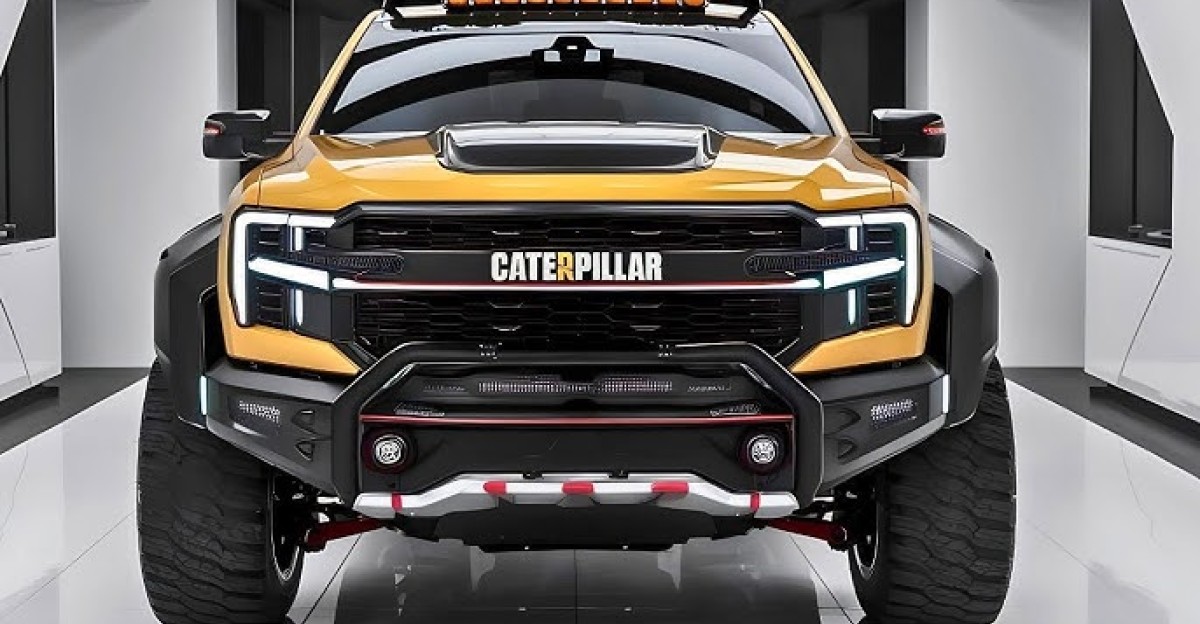
In 2024, an anonymous Caterpillar employee told The Drive the company was developing engine liners for CAT-branded V6 and V8 powertrains, with projected pricing of $59,000 to $69,000 for the V6 and $89,000 for the V8. That leak fed a specific expectation: Caterpillar, the company whose 3406 and 3408 engines once dominated truck-stop debates and fuel-efficiency competitions, was coming back to build its own motor. The brand still carried that mechanical credibility with contractors old enough to remember. Those engine liners never made it to Las Vegas.
Ford’s Fingerprints
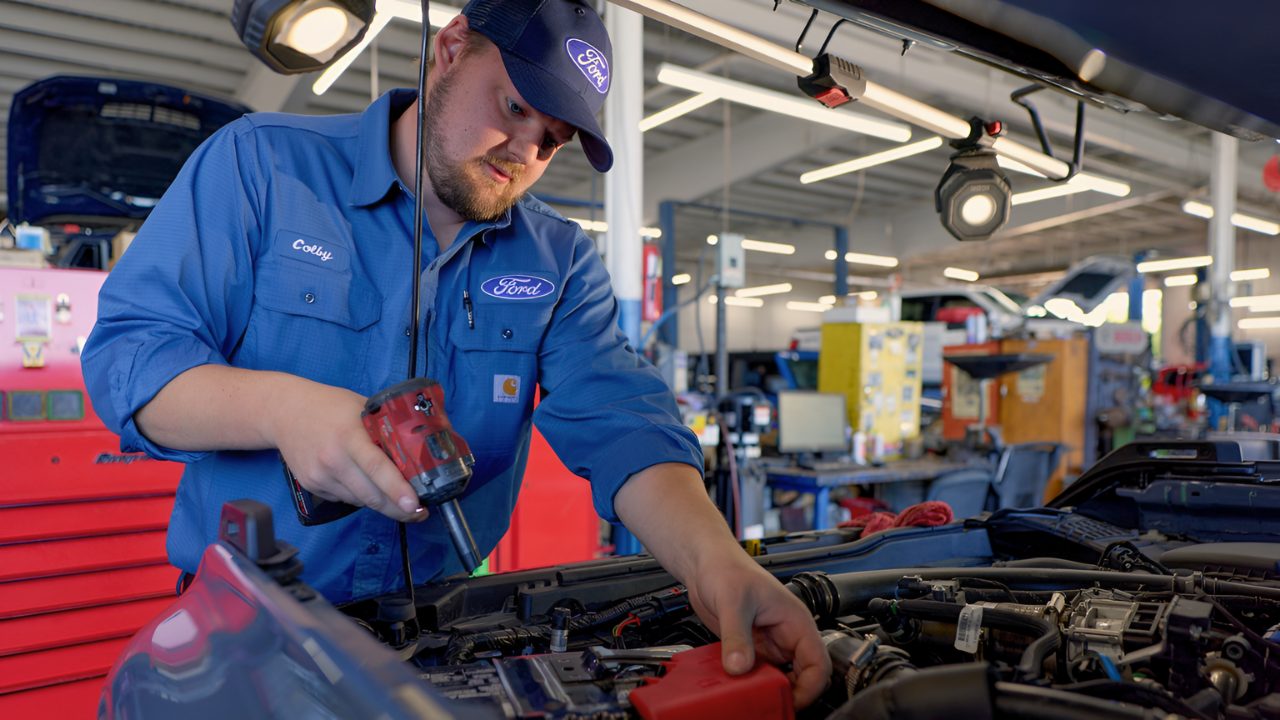
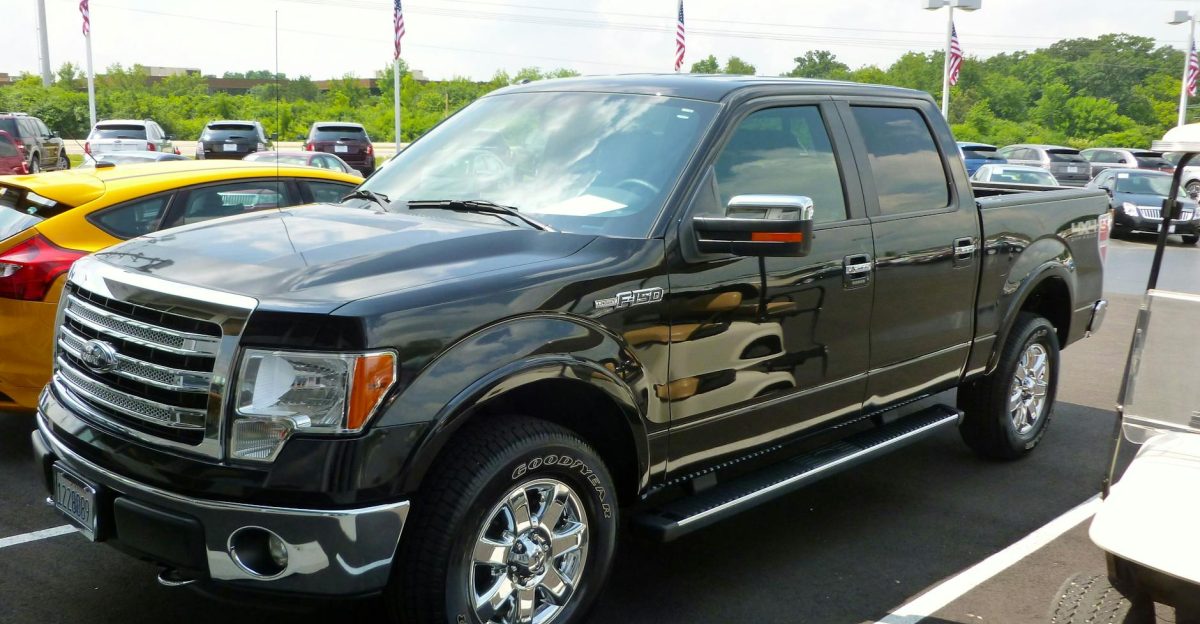
The truck unveiled at CONEXPO is a rebadged Ford Super Duty. Ford’s 6.7-liter Power Stroke High-Output V8 diesel sits in the engine bay, producing 1,200 lb-ft of torque and 40,000 pounds of towing capacity. CAT’s press release never mentions Ford by name. It repeats “We built it” four times across 464 words. But the Ford logo remains visible on the truck’s infotainment screen. Four claims of ownership, one screen that contradicts all of them. That repetition reads less like confidence and more like a company arguing with its own dashboard.
Half-Billion Scar
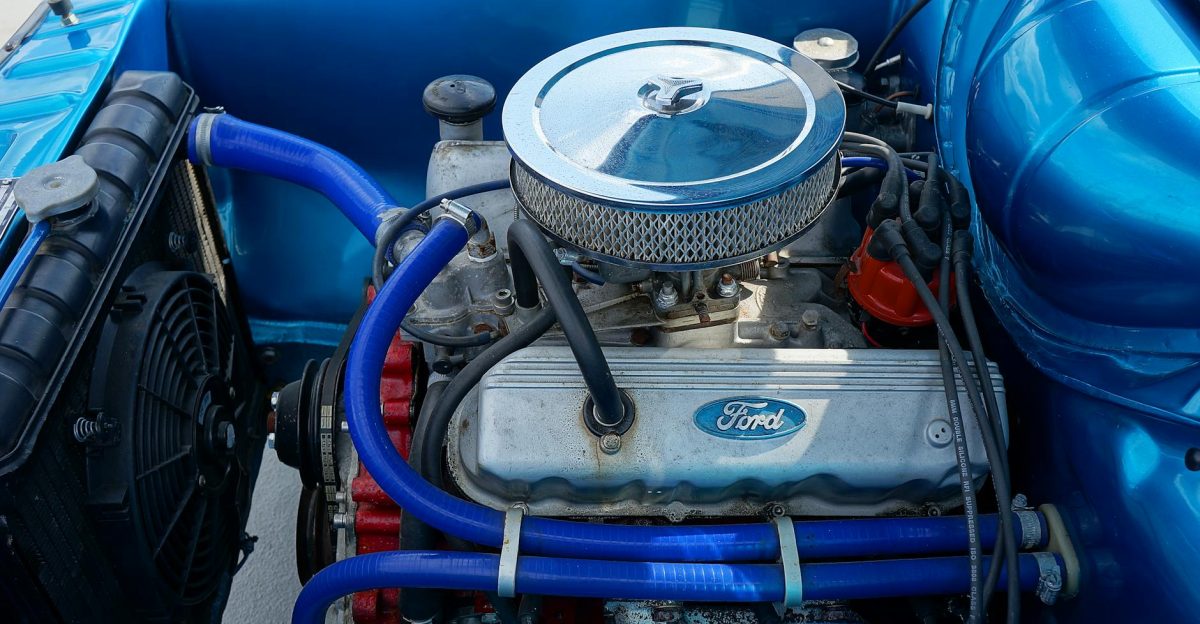
The Ford engine under that hood is a confession. Caterpillar sank over $500 million into ACERT emissions technology through the 2000s, the most expensive development program in company history, larger than the entire tractors division budget. The 2007-model engines broke down. Caterpillar paid a $2.55 million EPA penalty in 2011 for shipping engines without correct emissions controls, and separately settled a $60 million class-action lawsuit with ACERT truck owners in 2016. By 2008, on-highway engines represented roughly 10% of CAT’s revenues. In 2010, Caterpillar walked away from the on-highway engine business entirely. Half a billion dollars, written off. The capability was never rebuilt.
Software Shell
Strip away the yellow paint and the real product emerges. The truck carries a drone-launching station, driver-fatigue monitoring, personnel detection cameras, a CAT AI assistant, and VisionLink fleet-management software. Every one of those features generates data that flows back to Caterpillar. The Ford Super Duty is the container. CAT’s software platform is the cargo. Think of it like a phone maker who stopped designing chips and started licensing the operating system instead. The margins live in the subscription, not the steel.
Connected Empire
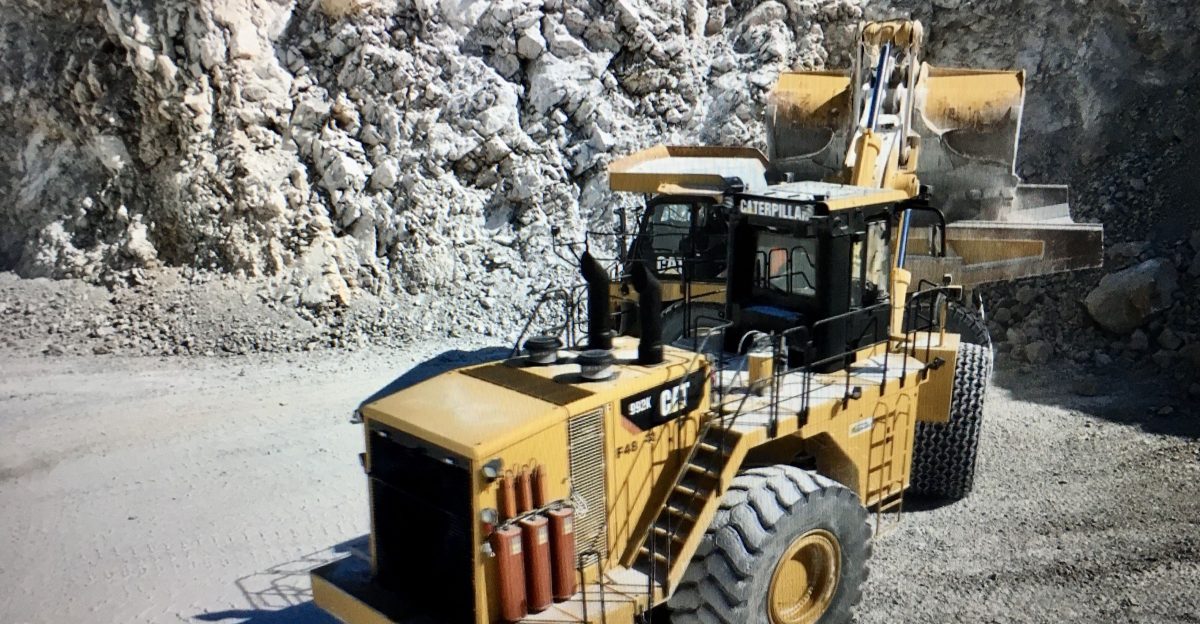
The numbers behind CAT’s pivot dwarf the truck itself. Caterpillar operates 1.6 million connected assets globally, targeting 2 million by 2030. Its autonomous mining fleet includes nearly 700 trucks that have hauled over 11 billion tonnes across 380 million-plus kilometers. The company posted record Q3 2025 sales of $17.6 billion, up 10% year-over-year, with an all-time backlog of $39.8 billion. A company sitting on that kind of data infrastructure doesn’t need to manufacture engines. It needs devices to run its software on.
Ripple Effect
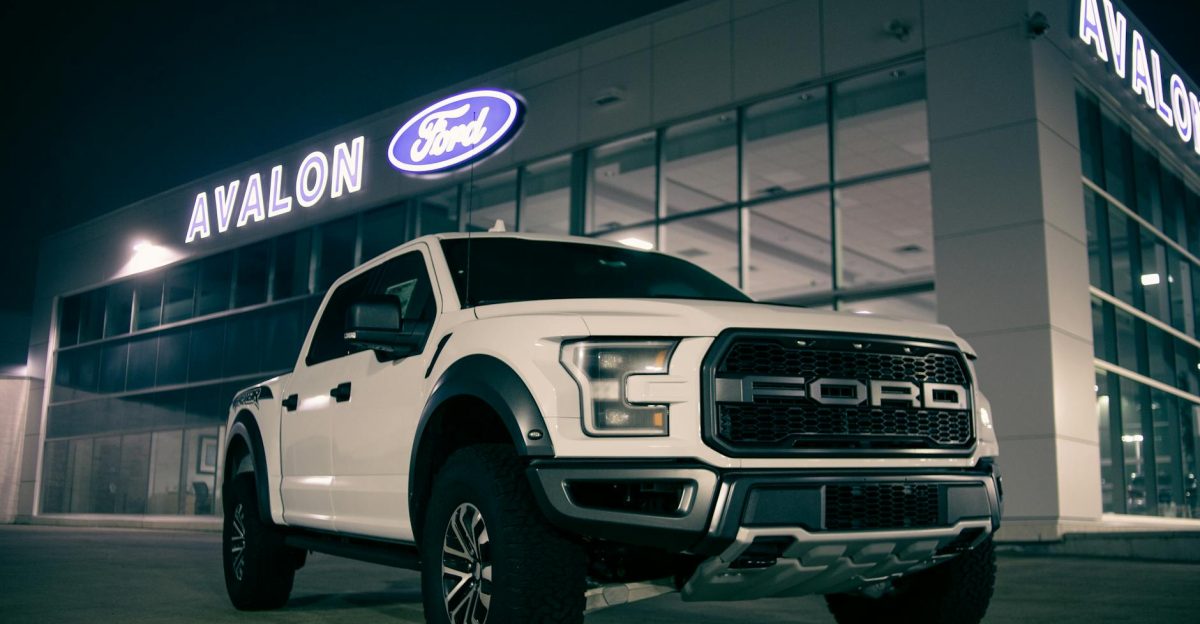
If CAT succeeds with this model, every legacy equipment manufacturer watches closely. Komatsu, Volvo, Liebherr could all source commodity chassis from Ford, GM, or RAM and layer proprietary software on top. Independent engine suppliers like Cummins face a brutal question: if the value migrates to AI and fleet data, what’s a standalone diesel motor worth? Ford’s Power Stroke division gains visibility from the partnership, but Ford also faces a new competitor bundling premium software onto Ford’s own hardware at a markup. The pickup market could split: commodity iron below, premium software above.
New Rule
This truck isn’t an exception. It’s a precedent. Modern integrated powertrains favor vertical manufacturers like Ford and GM, who control engine, transmission, software, and diagnostics as a single system. Standalone engine suppliers structurally cannot own the customer relationship or the data ecosystem. CAT learned that lesson at a cost of $500 million and 16 years. The pickup proves the company internalized it. Century-old manufacturers can pivot from hardware to software mid-stream, using OEM partnerships for delivery. Once you see that pattern, every “new vehicle launch” looks different.
Open Questions
Nobody knows yet whether this truck reaches production or stays a one-off concept. CAT announced no pricing, no timeline, no dealer availability. Contractors querying their local CAT dealer will get silence. And the partnership itself carries risk: if CAT’s software doesn’t integrate seamlessly with Ford’s hardware, there’s no single point of accountability. If the partnership dissolves, owners could be stranded between two incompatible platforms. Ford, meanwhile, could respond by launching its own fleet-management software and undercutting CAT’s premium positioning on Ford’s own truck.
Truck Stop Debate
Alan Kitzhaber, a longtime 3406E owner, once put it simply: “When you stood around at truck stops and debated which engine to buy, you didn’t have too many people argue when you said that Caterpillar pulls better.” That era is gone. The truck-stop debate now isn’t about who pulls harder. It’s about who owns the data coming off your fleet. CAT is betting its future on being that company, and the Ford engine under the hood is the price of admission nobody at those truck stops saw coming.
Sources:
“This Caterpillar Pickup Truck Is Real, But It’s Just a Rebadged Ford F-350 Dually.” TFLtruck, 2 Mar 2026.
“Caterpillar Finally Made a Diesel Pickup Truck, and It’s a Weird Rebadged Ford Super Duty with a Built-In Drone Launch Pad.” The Autopian, early Mar 2026.
“Caterpillar Used To Build Legendary Truck Engines. Here’s Why It Quit.” Jalopnik, 1 Nov 2025.
“Proven Results with VisionLink Fleets.” Caterpillar, 4 Jun 2025.