Car Expert Names 11 SUVs He’d Never Buy—Here’s Why They Fail The ‘Worth It’ Test
A car expert has identified 11 SUV models that fail a three-part “worth it” evaluation combining reliability, safety ratings, and total ownership cost. Many buyers rely on viral expert lists without independently verifying claims against public databases. The real power lies not in blindly following recommendations, but in treating them as leads to run your own verification using government tools like NHTSA recalls, IIHS safety ratings, and EPA fuel economy data before deciding.
The Verification Stack Most Buyers Ignore
Shoppers can audit each model in minutes using frameworks from Consumer Reports, Edmunds, and J.D. Power that measure dependability, crash protection, and long-term expenses. NHTSA provides an official U.S. tool for checking vehicle recalls by VIN. IIHS publishes safety ratings including crashworthiness and crash avoidance evaluations. The U.S. EPA’s fueleconomy.gov offers official fuel economy estimates and cost-to-drive calculations that reveal whether “never buy” claims hold up to verifiable evidence.
Sticker Price Tells Only Half the Story
Edmunds describes “True Cost to Own” as a framework including depreciation, maintenance, repairs, fuel, and insurance beyond purchase price. Kelley Blue Book explains depreciation as a key factor affecting vehicle value over time. Consumer Reports publishes used-car reliability information based on survey data and scoring methods. Buyers who anchor on initial price often miss how total ownership cost can dominate the value equation, turning apparent deals into money pits over five years.
Understanding the Three-Bucket Test
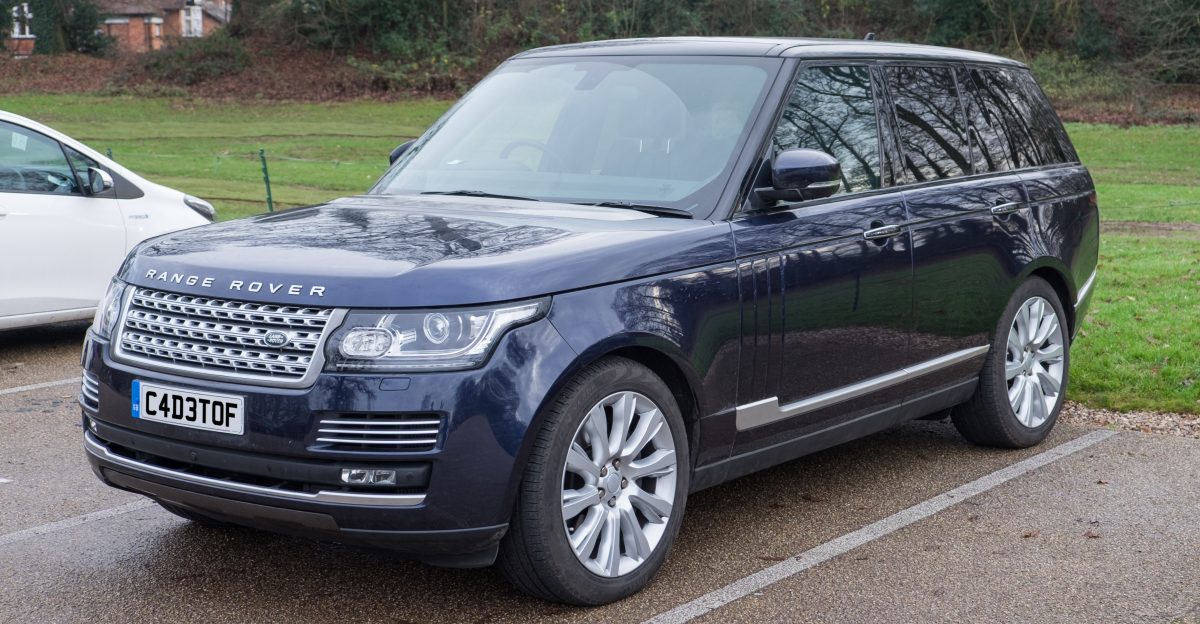
The “worth it” evaluation breaks into three measurable buckets: reliability data from Consumer Reports and J.D. Power, safety ratings from IIHS, and ownership-cost math from Edmunds and KBB. J.D. Power’s U.S. Vehicle Dependability Study measures problems per 100 vehicles after three years of ownership. Modern car shopping is unusually verifiable with recalls, MPG, and crash tests all publicly available. Skipping these checks can leave buyers with unresolved safety actions and higher operating costs.
Open Recalls Create Hidden Liabilities
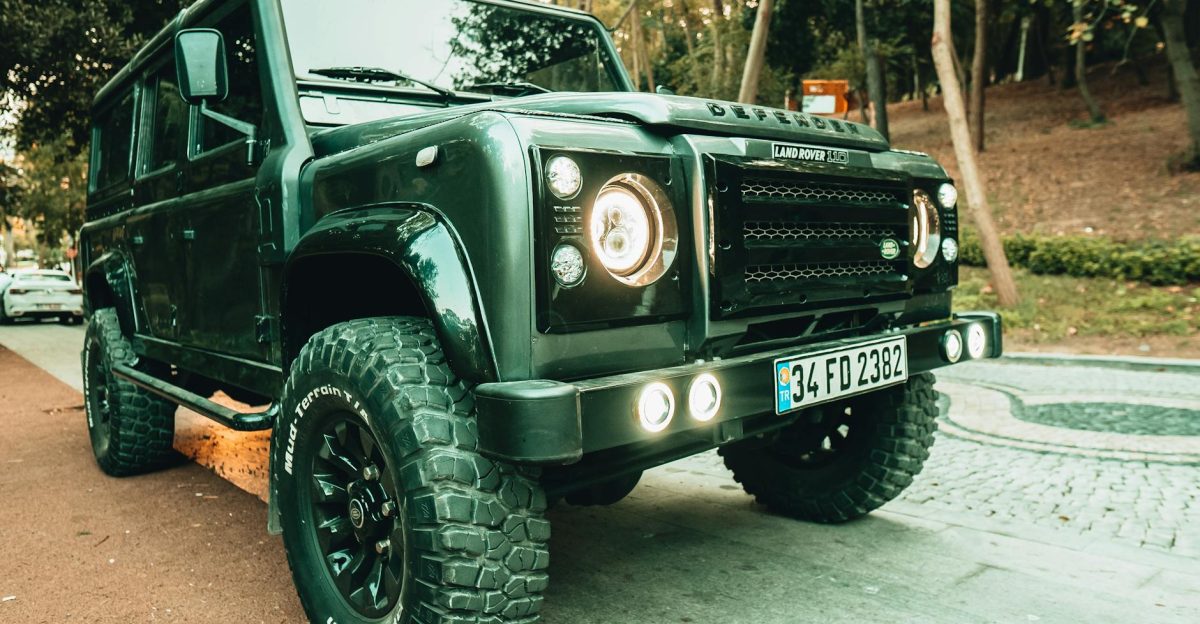
NHTSA’s recall lookup tool allows consumers to check open recalls by entering a vehicle identification number. Unresolved recall actions can translate into safety and repair exposure that dramatically affects ownership experience. The FTC provides consumer guidance for buying used cars from dealers, including practical steps and protections. Ignoring recall checks is like buying a house without a title search—you’re betting blind on hidden liabilities that could surface months after purchase.
Crash Test Results Matter More Than You Think
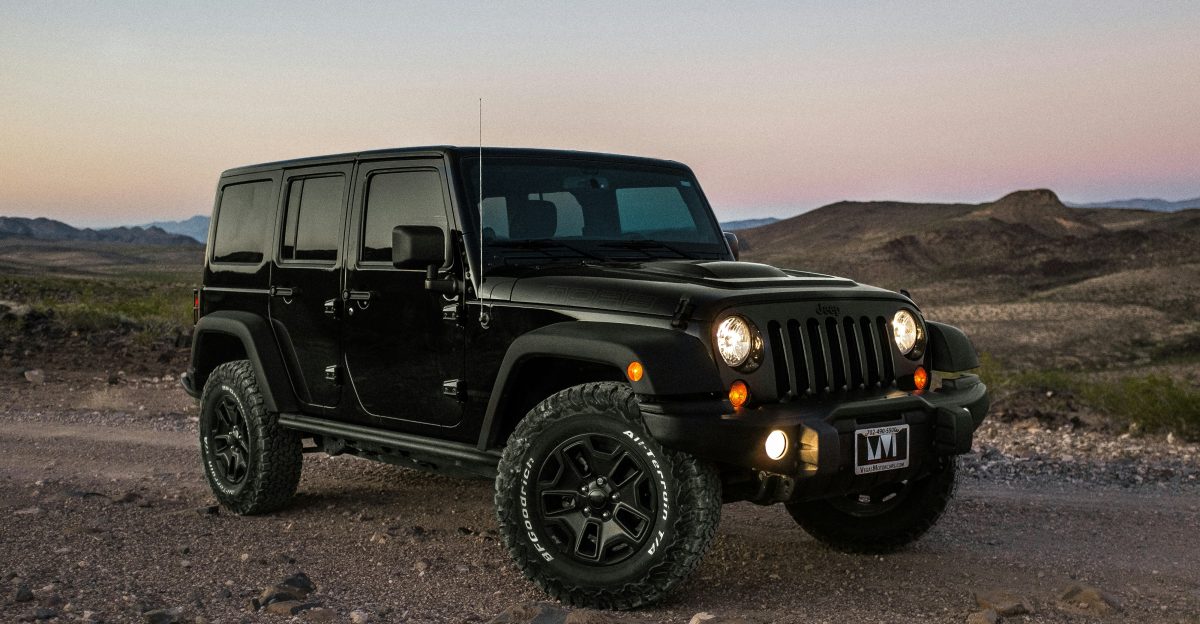
IIHS safety ratings evaluate both crashworthiness and crash avoidance features across specific SUV trims and model years. Weaker safety performance increases injury-risk exposure in collisions, a consequence many buyers overlook when comparing SUVs. Government and independent databases act as a counterweight to viral expert authority, offering objective measures anyone can access. Shoppers who skip safety verification may unknowingly choose models with subpar crash protection for their families.
The Fuel Economy Trap
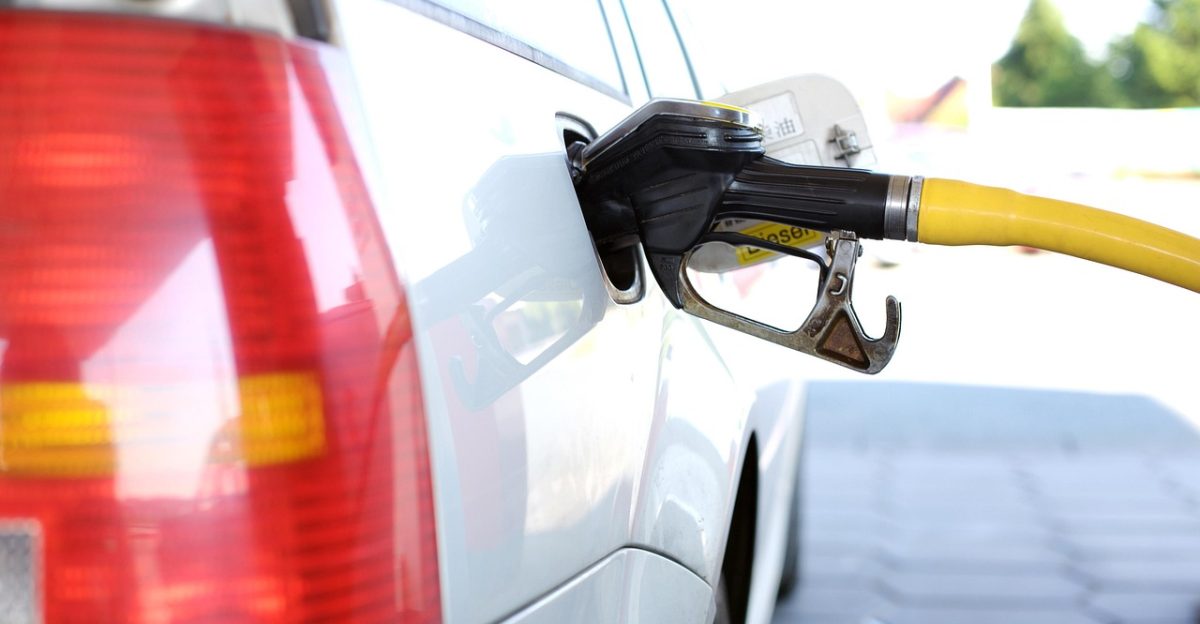
The EPA provides official MPG and MPGe estimates along with cost-to-drive calculations for all vehicle models. Poor fuel economy locks buyers into higher operating costs that compound over years of ownership. Models that appear affordable initially can bleed money through fuel expenses, especially as gas prices fluctuate. Greater total-cost-of-ownership awareness is shifting demand toward lower-cost-to-own vehicles as shoppers learn to calculate beyond the dealer lot.
Reliability Ratings Use Different Measuring Sticks
Consumer Reports explains that reliability findings are based on survey data and scoring methods that track owner-reported problems. J.D. Power’s dependability measure captures problems per 100 vehicles at three years, offering a different lens than Consumer Reports’ approach. Reliable and dependable are measured differently across sources, so smart shoppers triangulate data rather than trusting a single rating. Used-car buying has consumer-protection guidance and checklists that reduce regret.
Why Expert Lists Need Your Own Research
The strongest “never buy” language often appears where the easiest verification tools exist, creating an irony most buyers miss. Treating one expert list as truth is like betting on one sports tipster without checking stats. More shoppers using public ratings can pressure automakers on safety and performance over time. The real shift comes when buyers adopt a verification-first shopping norm using government and independent datasets instead of impulse decisions.
Your Two-Minute Audit Before Buying
Before buying any SUV, run a quick verification: check NHTSA for open recalls by VIN, cross-reference IIHS safety ratings for your specific trim and year, review EPA fuel economy and cost-to-drive, and calculate total cost of ownership using Edmunds’ framework. This approach transforms anxiety into control, turning “never buy” warnings into actionable intelligence. Smart buyers treat expert lists as leads, not verdicts, and let verifiable data make the final call on whether any SUV passes their personal worth-it test.
Sources:
“Consumer Reports’ 26 Most Reliable SUVs for 2026.” Consumer Reports, Feb 2026.
“I’m a Car Expert: 11 SUVs I Would Never Buy and the Real Reasons Why.” Bama Cooley Law Firm, 15 Feb 2026.
“NHTSA Issues Multiple Vehicle Recalls Across Several Manufacturers Including Hyundai.” FC Free Press PA, 30 Nov 2025.
“IIHS Introduces New Small SUV Whiplash Test.” MotorTrend, 30 Jan 2026.