California’s Always-On Speed Tax Hits Oakland Drivers—Up to $500 Fines Arrive By Mail With No Traffic Stop
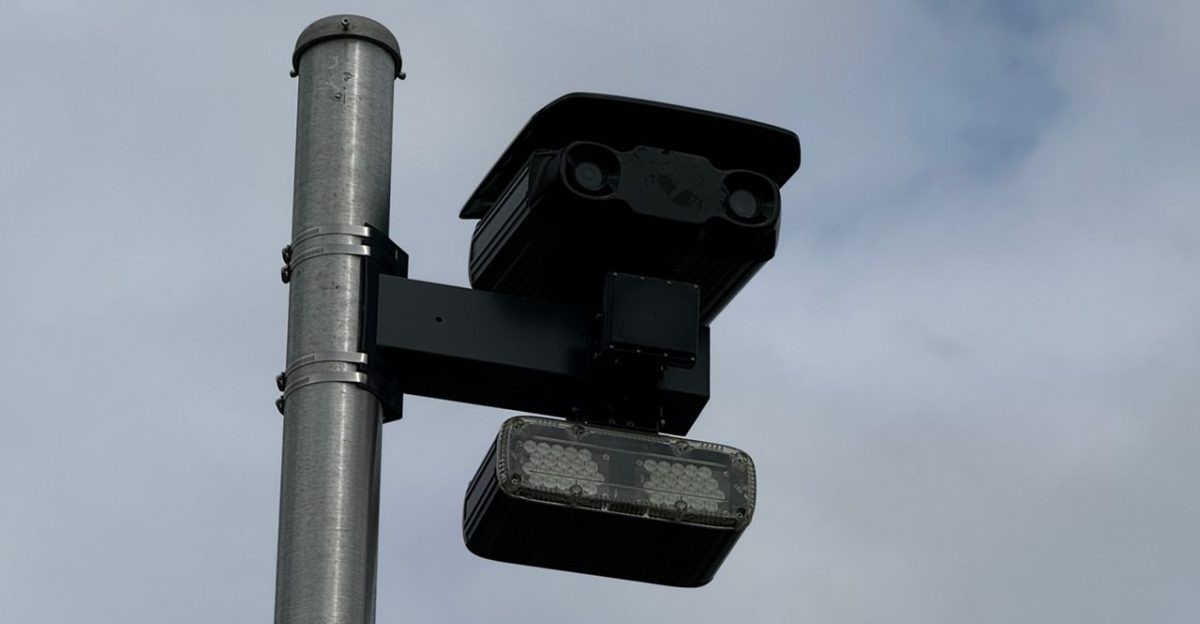
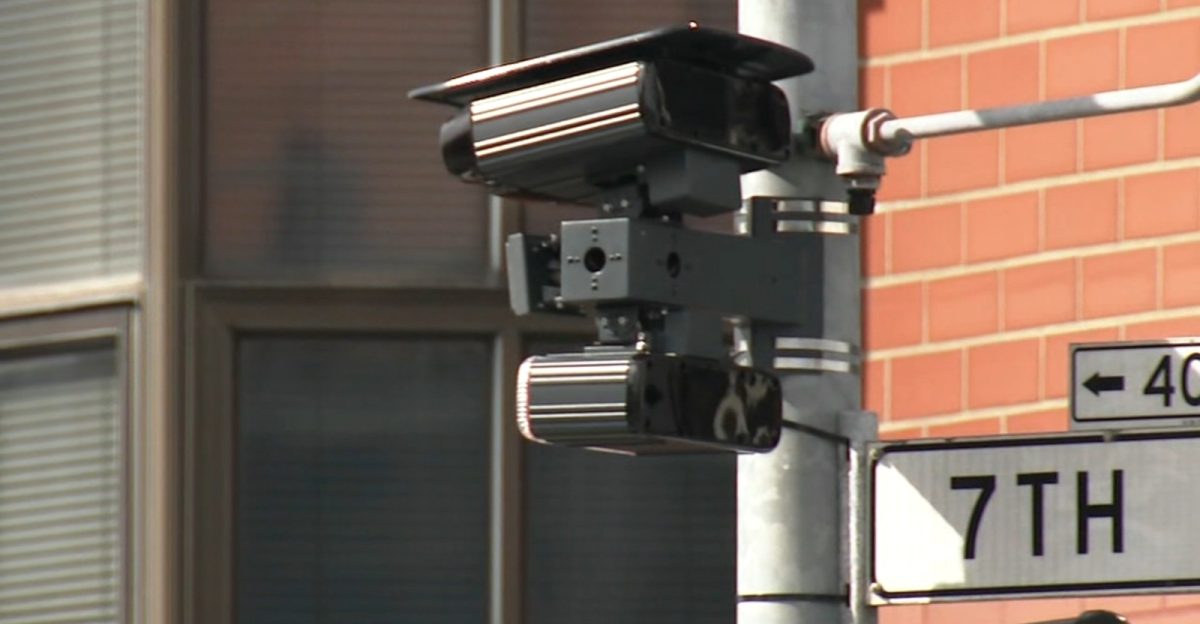
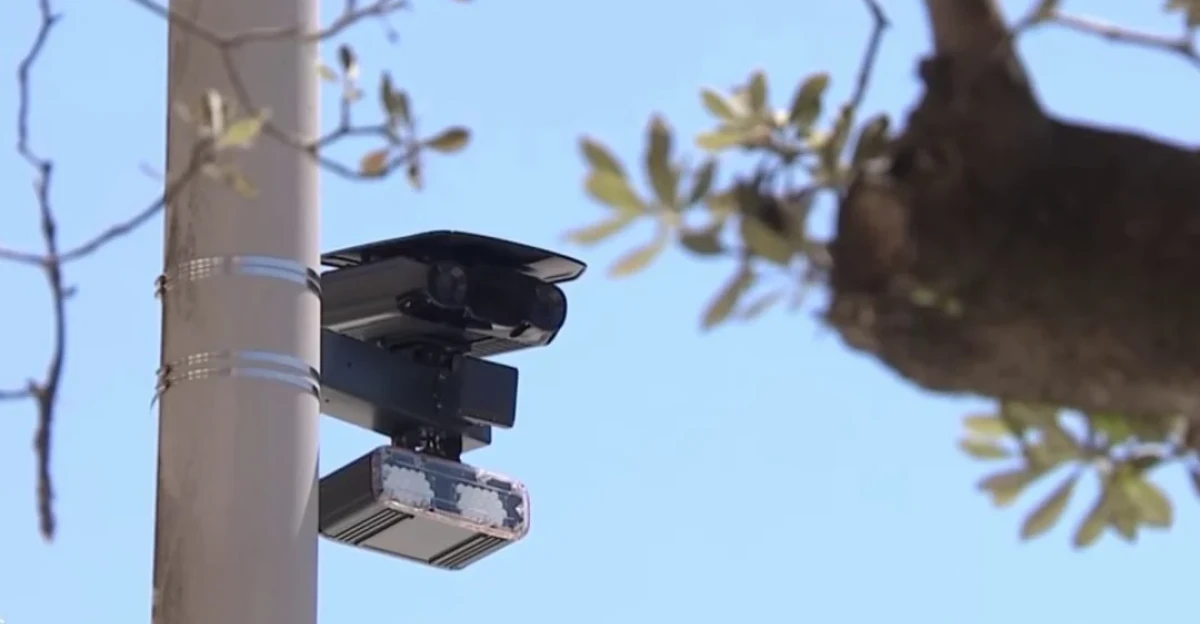
A camera mounted on an Oakland street pole catches a car doing 40 in a 25. No siren, no flashing lights in the rearview, and no officer stepping out with a clipboard. The driver keeps going, radio up, coffee in hand, completely unaware that a citation is already being generated. Somewhere in a city system, a clock starts ticking toward an envelope. The old assumption that speed enforcement requires a cop who happens to see you is about to cost Oakland drivers real money.
Warnings Over
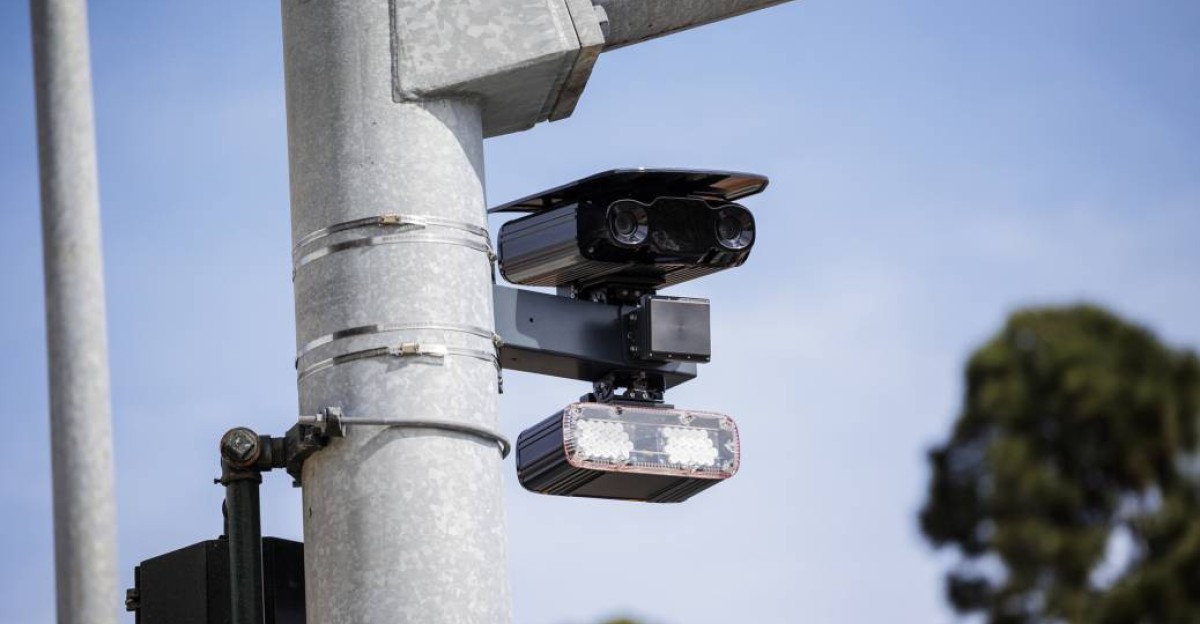
Oakland’s speed camera program spent months in education mode, flashing warnings rather than issuing fines. That grace period ended March 15. The city has shifted from advisories to actual citations, with fines set by state law: $50 for going 11–15 mph over the limit, $100 for 16–25 mph over, $200 for 26-plus mph over, and up to $500 for speeds exceeding 100 mph. For context, even a $200 ticket stings. One stretch of road, one moment of inattention, one envelope in the mailbox. The cameras don’t negotiate.
State Blueprint
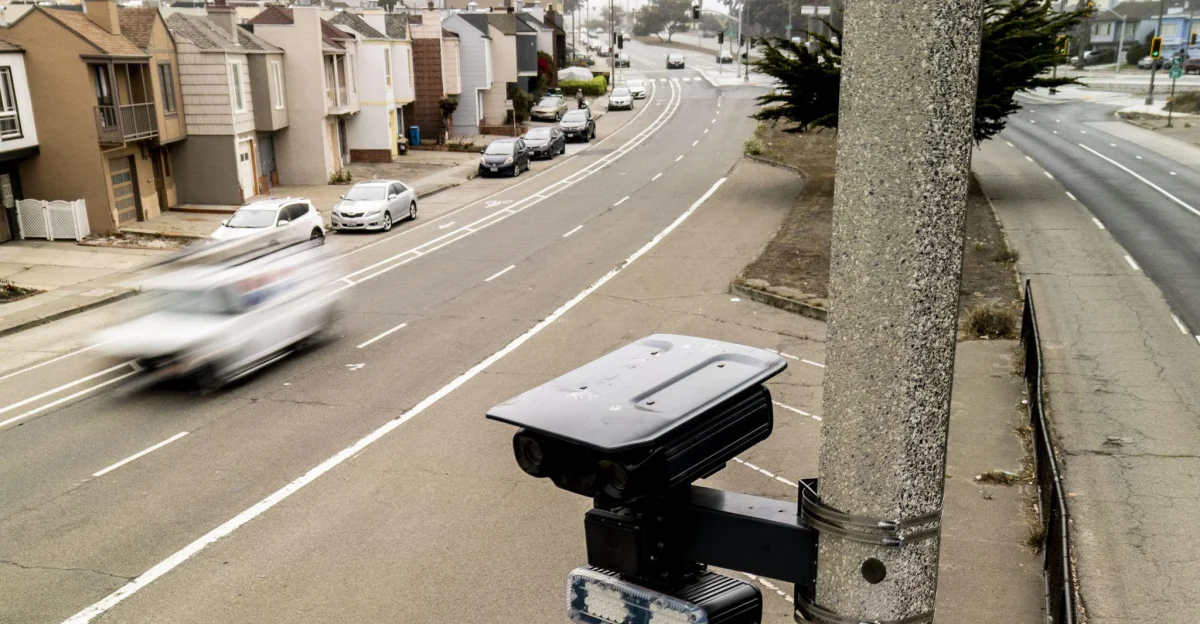
This program didn’t originate at Oakland City Hall. California’s legislature wrote the playbook through AB 645, a pilot law authorizing automated speed enforcement in six cities: Oakland, San Francisco, San Jose, Los Angeles, Long Beach, and Glendale. Oakland follows the state’s rules, and so do the others. Six cities running parallel programs under one statute create something bigger than a local traffic experiment. California designed a framework, handed it to cities, and told them to prove it works. The myth that speed laws only matter when a patrol car is nearby just cracked wide open.
Software Cop
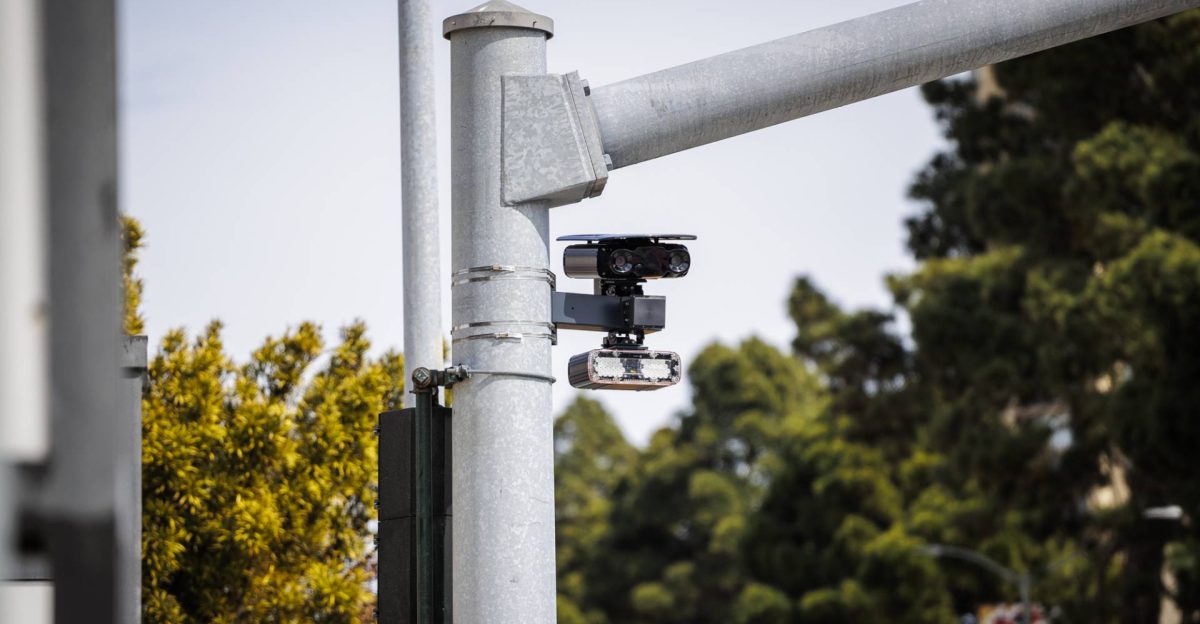
The fine isn’t the real shift. Enforcement certainty is becoming software. A patrol officer covers one road at a time, works a shift, and exercises discretion. A camera covers its corridor every hour of every day and bills every violation the same way. No warning, no conversation, and no talking your way out of it! Automated. Repeatable. Purely financial. For drivers, it functions less like policing and more like billing, a government charge triggered the moment the camera clocks your speed.
The Mechanism
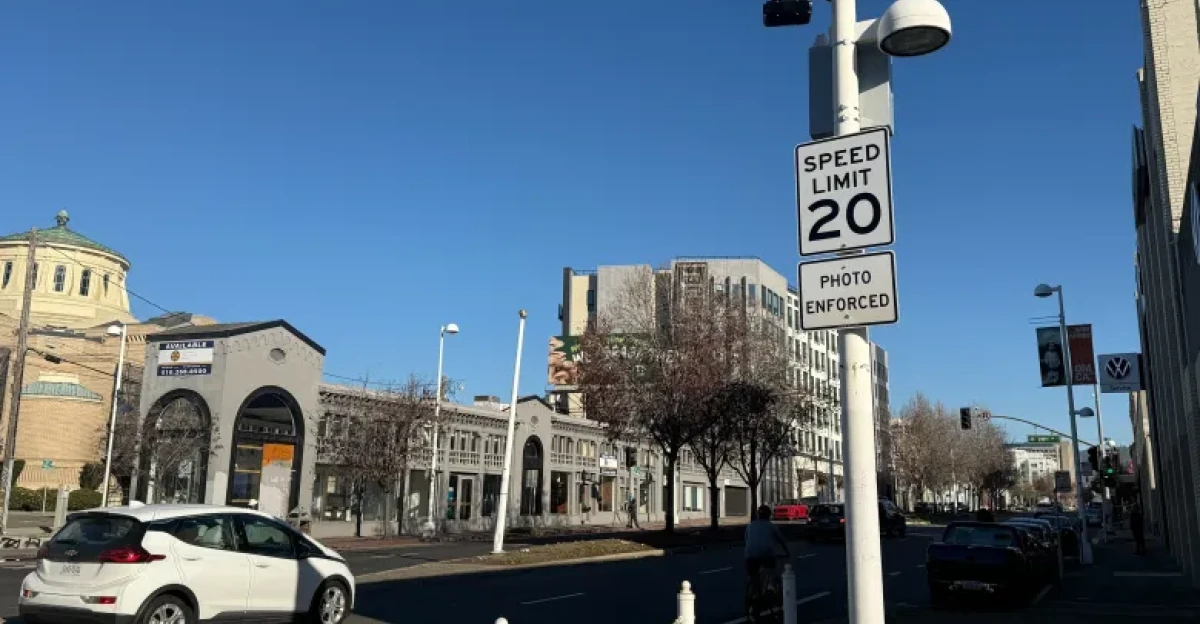
AB 645 doesn’t just allow cameras; it also requires them. It structures how they operate, setting program requirements that every pilot city must follow. Oakland publishes its camera locations and process details on the city’s transportation website. That transparency is baked into the statute. The system runs on a simple loop: the camera detects speed, the system generates a citation, and the envelope arrives at the registered address. No officer interaction at any point. Like switching from a few cops with radar to an automated speed thermostat that bills you.
Wallet Math
NHTSA identifies speeding as a major risky driving behavior tied to fatal crashes. IIHS research links higher speeds to more severe injuries and higher fatality risk. That safety evidence supplies the justification for every camera placement. But the financial reality hits household budgets in a different register. A daily commuter on a camera corridor who gets tagged at 26-plus over twice in a month faces $400 in fines. At the most common tier—11 to 15 mph over—two citations cost $100. Either way, it adds up. That’s not a safety lesson. That’s a line item arriving by mail.
Ripple Effect
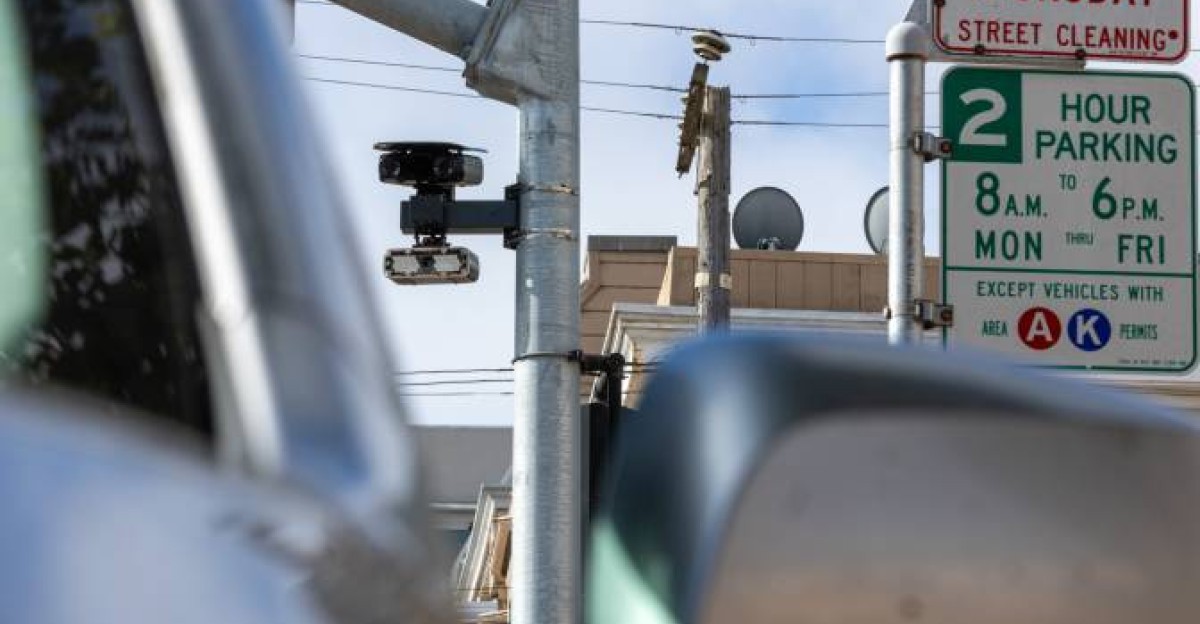
Camera placement decisions concentrate enforcement in specific corridors, resulting in some neighborhoods receiving more citations than others. Frequent commuters on those streets lose the most. Drivers who learn the camera locations may reroute, pushing speeding onto adjacent roads that the cameras don’t cover. Demand for mapping alerts and driver-assist speed warnings will climb. The program reshapes driving patterns across Oakland, not just on the blocks where cameras sit. One enforcement tool, and the entire commute calculus changes for thousands of drivers.
The Precedent
California chose a pilot model deliberately. Not blanket statewide legalization, but a controlled experiment across six selected cities. San Francisco already began issuing citations in August 2025 and logged 16,500 tickets in its first month. Oakland’s program launched in January 2026. If compliance improves and crash metrics drop, the data becomes ammunition for expansion and permanence. That’s the precedent hiding inside the pilot label. This program isn’t an exception to how California enforces speed. It’s an audition for the new rule.
Pushback Brewing
The counter-argument is already forming: privacy concerns, equity questions, and the “revenue trap” accusation that a safety program is really a money machine. Political and legal pushback framed around those issues could slow expansion or force program modifications. Meanwhile, if the pilot’s safety metrics look strong, expect more cameras and expanded zones. The escalation path runs in both directions. More compliance could mean more cameras. More backlash could mean legislative fights. Oakland drivers are living inside the experiment that decides which direction California goes.
New Normal
The person who understands this story walks away knowing something most drivers haven’t yet figured out: the era of sporadic, luck-based speed enforcement is ending in California’s pilot cities. Automated enforcement punishes consistency, not just recklessness. Drive 10 over a camera corridor every morning, and the system will find you. No discretion. No warning. Just math. The open question isn’t whether these cameras change behavior. It’s whether drivers adapt before the envelopes start stacking up.
Sources:
ABC7 News (KGO-TV), “Oakland speed cameras will begin citing drivers; average cost $50 to $500 per citation,” March 13, 2026
City of Oakland, “Speed Safety Cameras Pilot Program,” July 4, 2025
California Legislature, “AB 645: Vehicles: speed safety system pilot program,” October 12, 2023
KTVU, “Oakland speed cameras to start issuing fines: See the hotspots,” March 12, 2026
CBS News Bay Area, “Oakland speed cameras issue 140,000 warnings in first five weeks, officials say,” March 12, 2026
SFMTA, “Why We’re Introducing Speed Safety Cameras – a First for California,” October 16, 2024