California’s ‘Green’ Regulations Killed 31 Refineries—Now Imports Gas To Fuel 30+ Million Drivers
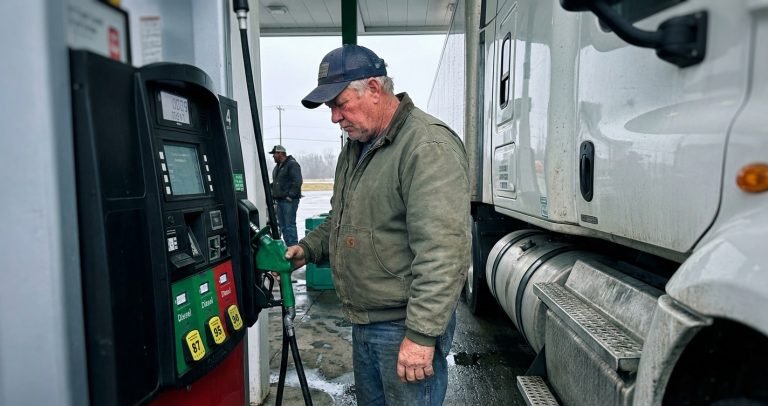
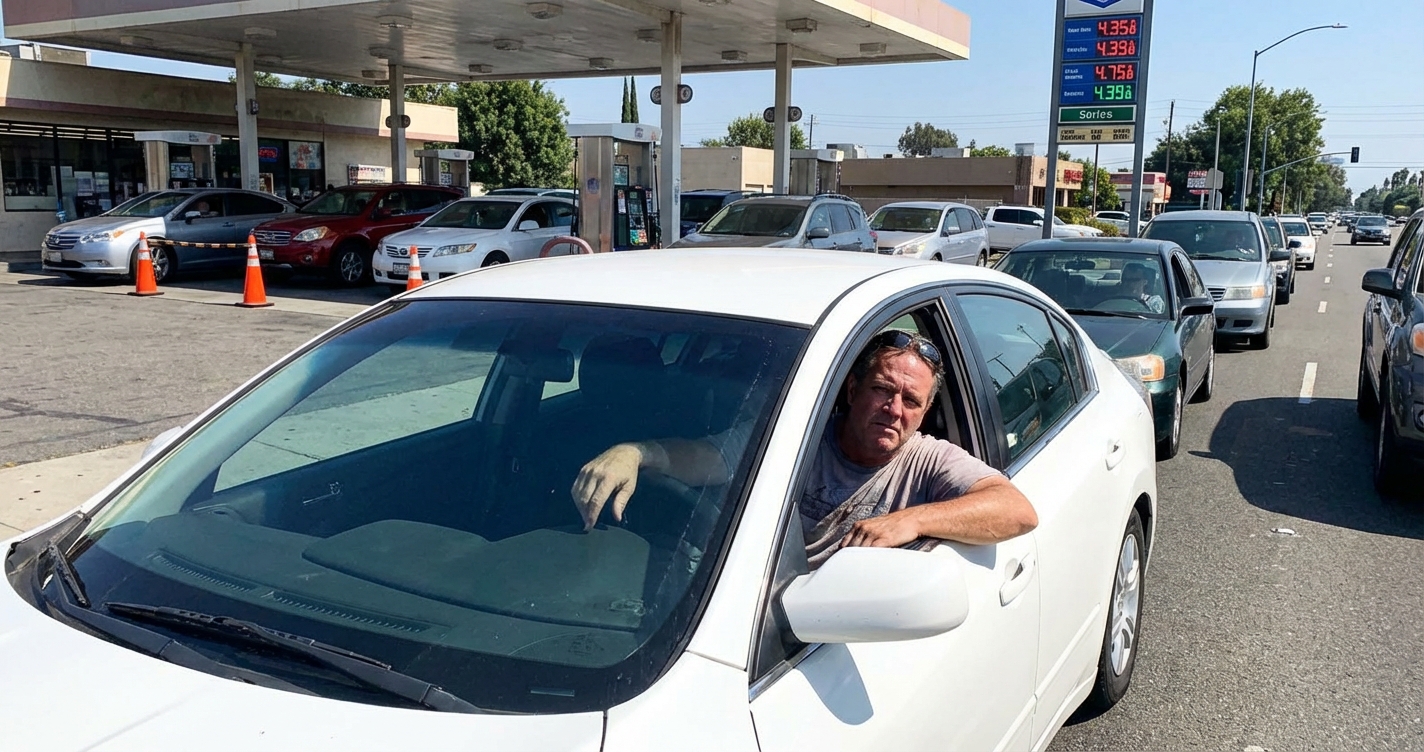
The pump reads $5.84. Not at some boutique station in Malibu. That’s the California state average as of March 26, 2026. Across the rest of America, drivers fill up for $3.98. Same fuel. Same octane. Nearly two dollars more per gallon for the privilege of living in a state that once refined its own supply. California had 42 refineries. Eleven remain. Four companies now control 98% of what’s left, and the next closure is weeks away. The math behind that price gap tells a story nobody in Sacramento wants to explain.
The $1.86 Tax Nobody Voted For
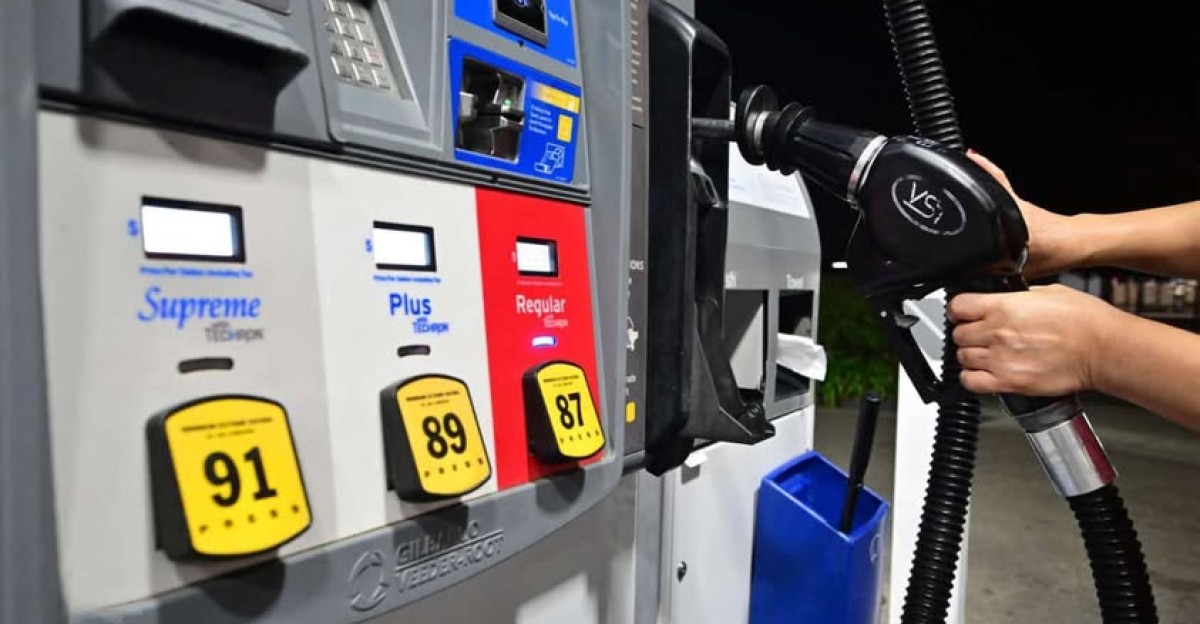
California’s gas tax is the highest in the nation: 70.9 cents per gallon in state taxes and fees, more than double the national average. Environmental compliance programs pile on roughly 37 cents through cap-and-trade and the Low Carbon Fuel Standard. Then there’s a mandatory boutique fuel blend no other state requires. Those are the costs you can see. Between 2015 and 2024, UC Berkeley economist Severin Borenstein identified what he called “the extra amount we pay for gas that can’t be explained by higher taxes and producer costs.” That mystery surcharge totaled $59 billion over a decade.
A Refining Empire Gutted
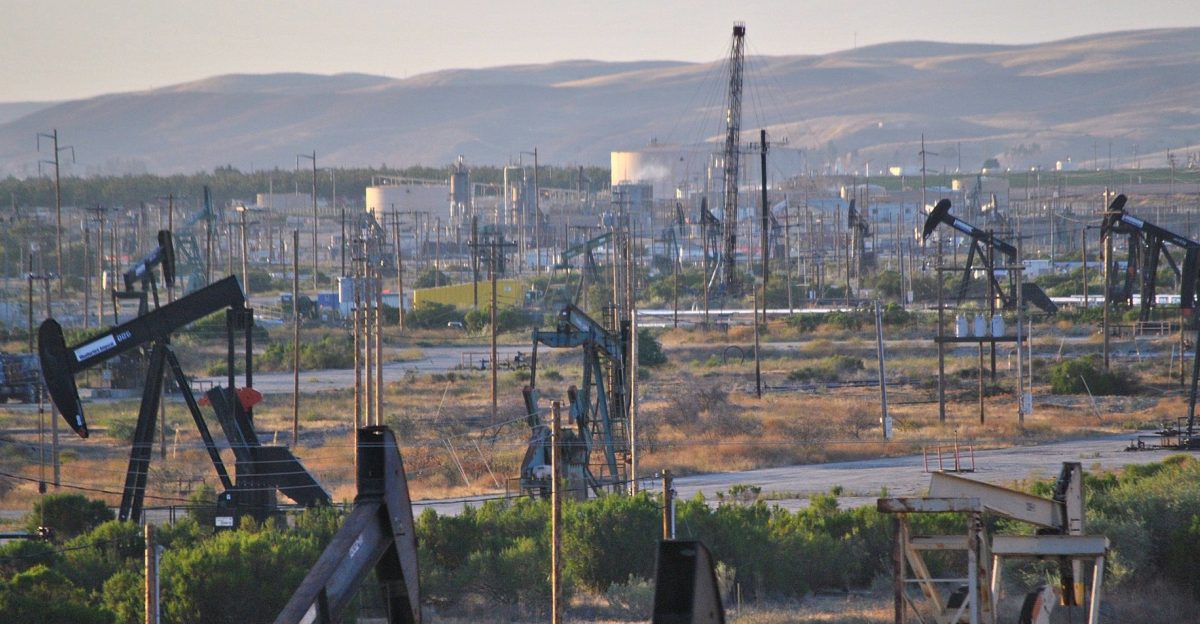
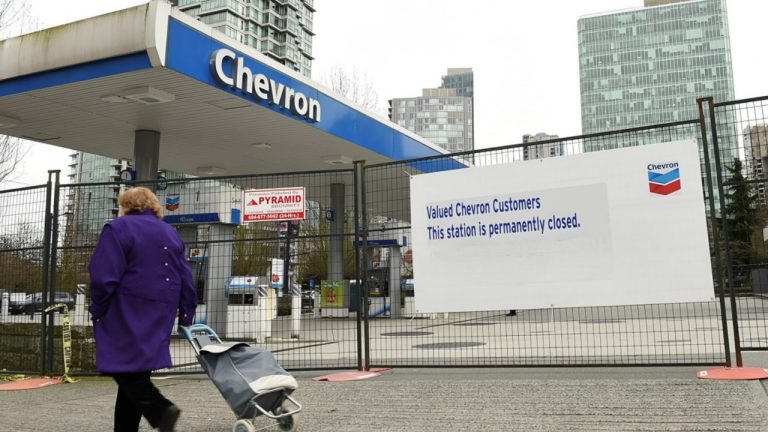
Most people assume oil companies are simply gouging California. A two-year regulatory investigation found no evidence of illegal conduct. The real engine is structural. California’s crude oil production collapsed 75% since the 1980s. Well productivity has declined sharply in recent years. Environmental regulations added roughly 50 cents per gallon in compliance costs on top of depleting geology. Together, those pressures made refining unprofitable. Companies didn’t gouge. They left. Thirty-one refineries closed, and the survivors consolidated into the most concentrated refining market in America.
Victory Declared, Weapon Shelved
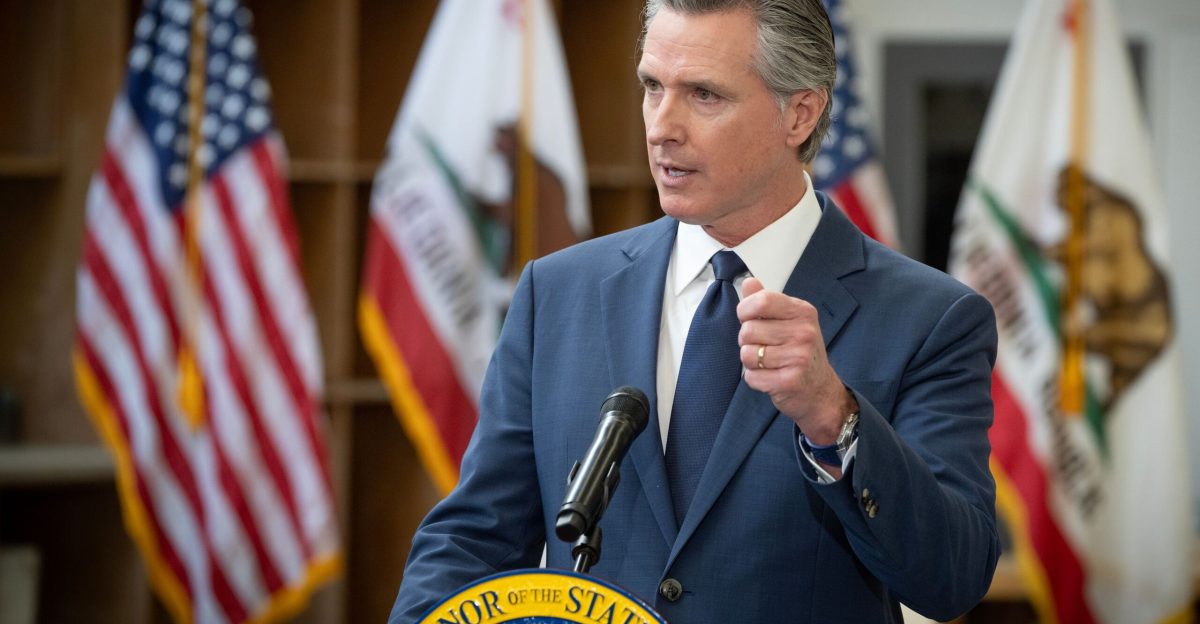
In 2023, Governor Newsom signed a refinery profit-cap law and proclaimed, “California took on Big Oil and won.” By August 2025, regulators delayed implementation for five years. The weapon built to fight price spikes sat dormant. Then the Strait of Hormuz closed on February 28, 2026, removing 20% of global oil supply. Oil jumped to $104.86 a barrel. California stations started posting $7 and $8 per gallon. The profit cap never deployed. The state declared victory, then unloaded the gun during the firefight.
The Sealed System
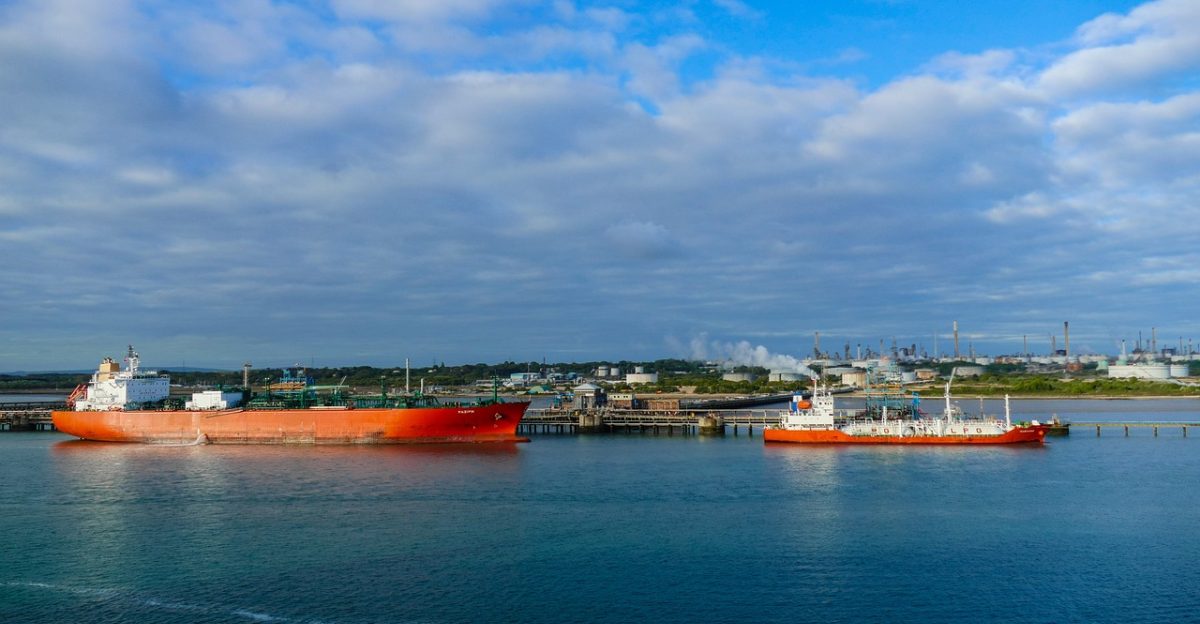
California has no pipeline connection to Gulf Coast refineries. None. Every gallon that doesn’t come from those 11 remaining refineries arrives by tanker. The Jones Act, a 106-year-old maritime law, restricts coastal shipping to American-flagged vessels. Only 55 such tankers exist worldwide, compared to over 7,000 globally. So California routes fuel through the Bahamas to dodge the restriction, adding weeks and cost to every shipment. One energy professor put it bluntly: California’s gasoline market “looks more like OPEC than like Adam Smith’s vision of competition.”
The Numbers That Prove the Trap
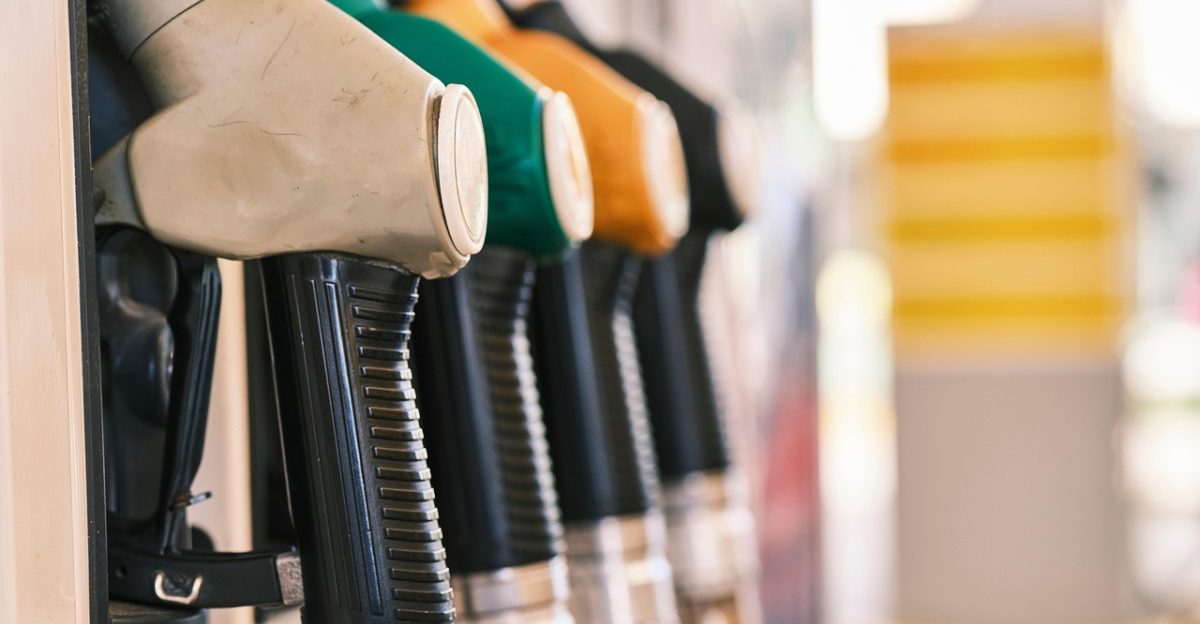
Four companies control 98% of California’s refining capacity. Nationally, the top four control 48%. That concentration gap is staggering. Branded California stations charge 31 cents more per gallon than unbranded ones selling identical fuel. Across the rest of the country, that gap is 7 to 8 cents. During the fall 2022 price spike, branded refining margins hit $2.44 per gallon while unbranded stations operated at 41 cents. Same crude. Same state. Six times the margin. That spread requires no conspiracy. Just four companies and no competition.
Importing Pollution to Fight Pollution
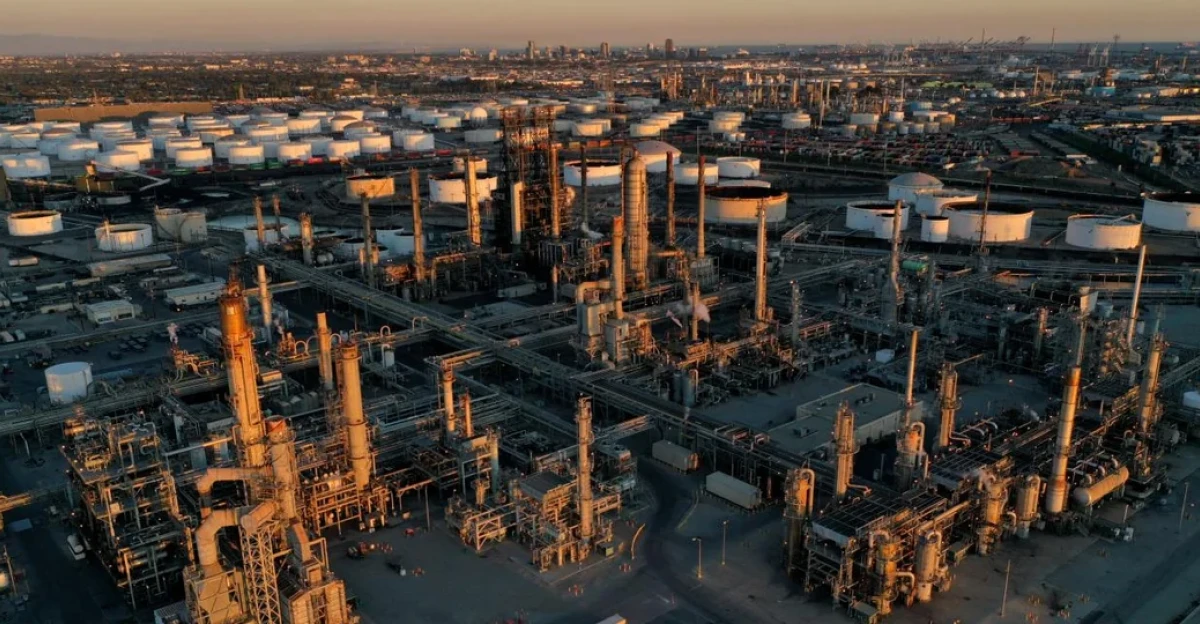
Here’s the part that should make environmental advocates flinch. California shut refineries partly to reduce emissions. Those refineries operated under the strictest environmental standards in the nation. Now the state imports over 40% of its gasoline from the Bahamas, refined in facilities with weaker environmental controls, shipped across thousands of miles of ocean on diesel-burning tankers. Phillips 66 shuttered its Los Angeles refinery in October 2025. Gasoline imports hit record levels the following month. California exported its refining capacity and imported dirtier fuel at higher cost.
The New Rule, Not the Exception
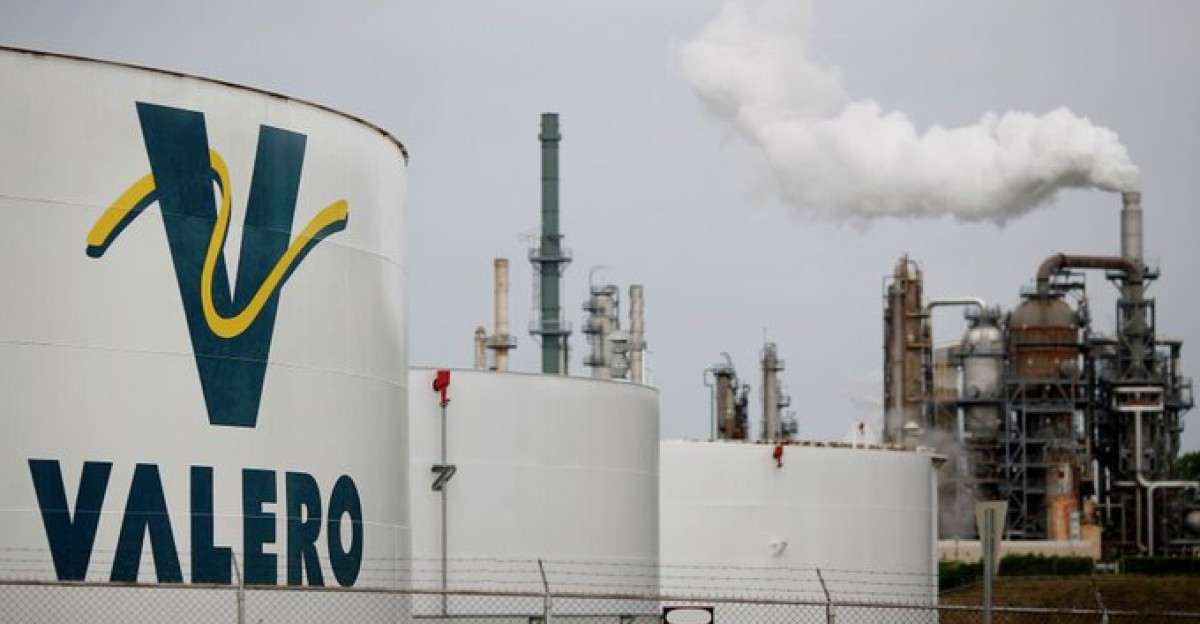
This isn’t a temporary crisis. Valero plans to close its Benicia refinery by end of April 2026, removing 145,000 barrels per day, roughly 10% of state supply. After that, Chevron and Marathon alone will control 61% of remaining capacity. The Strait of Hormuz closure represents the largest global oil supply disruption in history, exceeding the 1973 and 1979 oil crises combined. California’s profit-cap delay proved something broader: regulation alone cannot break oligopoly pricing when the state’s own policies keep eliminating the supply that would create competition.
Who Gets Crushed Next
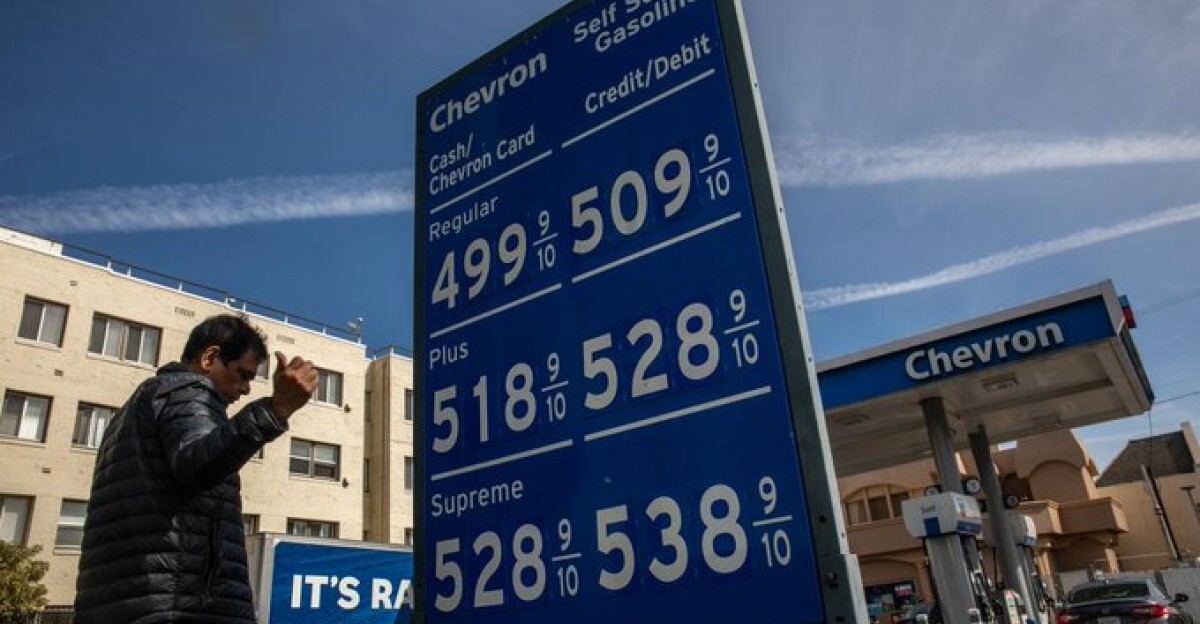
Remaining refineries now operate with zero supply buffer. One unplanned outage, one maintenance shutdown, and the state faces weeks of shortage because replacement fuel takes 10 to 34 days to arrive by tanker. Agricultural workers, long-haul truckers, and rural commuters who can’t switch to electric vehicles absorb every penny. If the Iran conflict extends beyond mid-2026, California prices could push toward $7 to $8 per gallon. The families already paying an estimated $1,500 more per year than the national average have nowhere cheaper to fill up.
The Game Everyone Else Missed
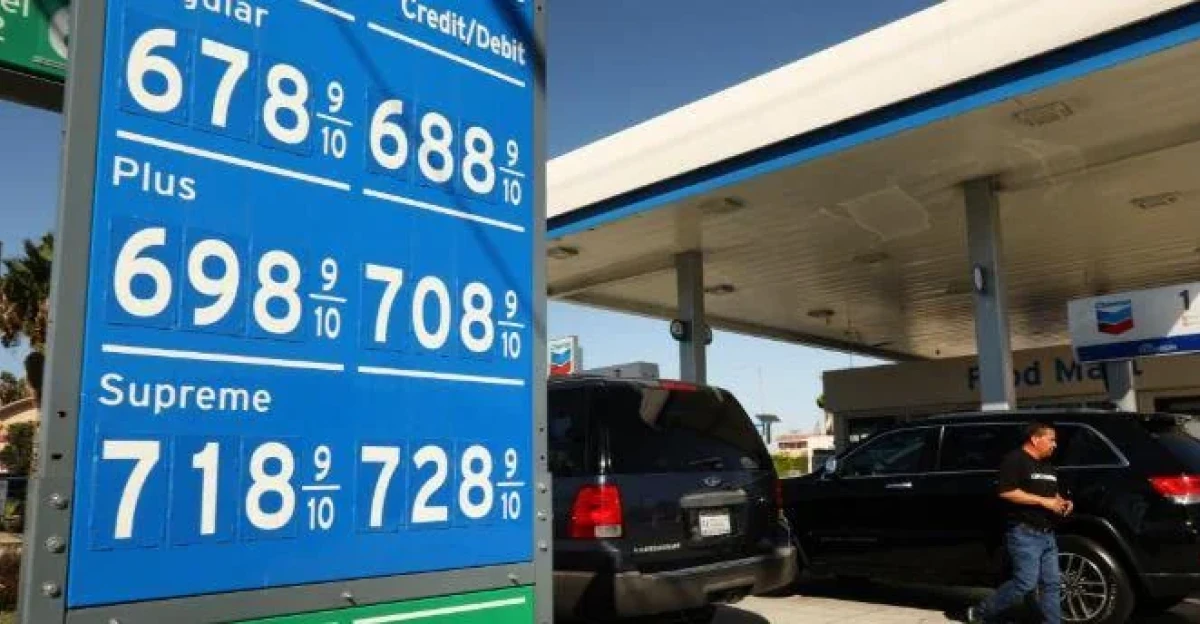
Proposed pipelines from the Midwest could provide relief by the end of the decade, if approved. Emergency fuel waivers could temporarily expand supply. Sacramento could reverse the profit-cap delay and deploy it tomorrow. Every countermove takes months or years. Meanwhile, the cycle keeps spinning: regulations raise costs, refineries close, survivors gain pricing power, consumers pay more, and the state imports fuel from nations with lower environmental standards than the refineries it shuttered. The same four companies charge normal prices in every other state where they face competition. California built the cage itself.
Sources:
U.S. Energy Information Administration, “Many States Slightly Increased Their Taxes and Fees on Gasoline,” April 1, 2026.
U.S. Energy Information Administration, “Why California Usually Pays More at the Pump for Gasoline,” March 25, 2026.
U.S. Energy Information Administration, “Refinery Closures Present Risk for Higher Gasoline Prices on the West Coast,” March 23, 2026.
California Energy Commission, Division of Petroleum Market Oversight, Estimated Gasoline Price Breakdown and Margins, March 2026.
Bloomberg News, “Profit Cap on California Refineries Placed on Hold for Now,” Aug. 29, 2025.
CBS News, “California Gas Prices Are the Highest in the U.S., but There’s No Proof of Price Gouging,” April 1, 2026.