
California’s $180M Tax Threat Drives Uber Founder To Texas In State Billionaire Exodus
California’s proposed wealth tax is already reshaping where billionaires live and invest. At the center is Travis Kalanick, the 49 year old co founder of Uber, whose estimated $3.6 billion fortune put him squarely in the policy’s crosshairs. By December 18, 2025, he had relocated to Austin, Texas, just 14 days before a critical tax cutoff date. The timing was precise and legally calculated. The move reflects a broader shift among elite founders reacting to potential tax exposure, setting the stage for a deeper look at what triggered this rush.
The $180 Million Tax Calculation Explained

The headline figure of $180 million stems from the proposed California Billionaire Tax Act. The measure would impose a one time 5% tax on net worth exceeding $1 billion for residents as of January 1, 2026. Based on Kalanick’s $3.6 billion net worth, estimates suggest a liability of roughly $180 million, according to Fox Business reporting on March 15, 2026. That number alone represents a powerful financial incentive to relocate. Yet the structure of the tax and its broader reach reveal why this proposal has sparked such intense reactions.
The Policy Behind The Panic

The Billionaire Tax Act is still gathering signatures as of March 2026 and has not yet qualified for the November 2026 ballot. If approved, the tax would be due in 2027, with payments spread over five years plus fees. Supporters, including SEIU UHW, argue it addresses a projected $190 billion Medi Cal funding gap over the next decade. Opponents warn it could reshape residency decisions long before implementation. Even without passage, behavioral shifts are already visible, raising the question of who else has made similar moves.
Billionaires Quietly Heading For Exits

Kalanick’s relocation reflects a wider pattern among wealthy founders and investors. Elon Musk, Joe Lonsdale, and David Sacks have all shifted operations or residency toward Texas, according to a March 15, 2026 Fox Business report. Wealth manager Divesh Makan stated that at least five billionaire families had already left California by early 2026. He also predicted another 15 to 20 families could follow if the tax passes. These early exits highlight a trend gaining momentum, but what makes Texas such a compelling destination?
Why Texas Keeps Winning Billionaires
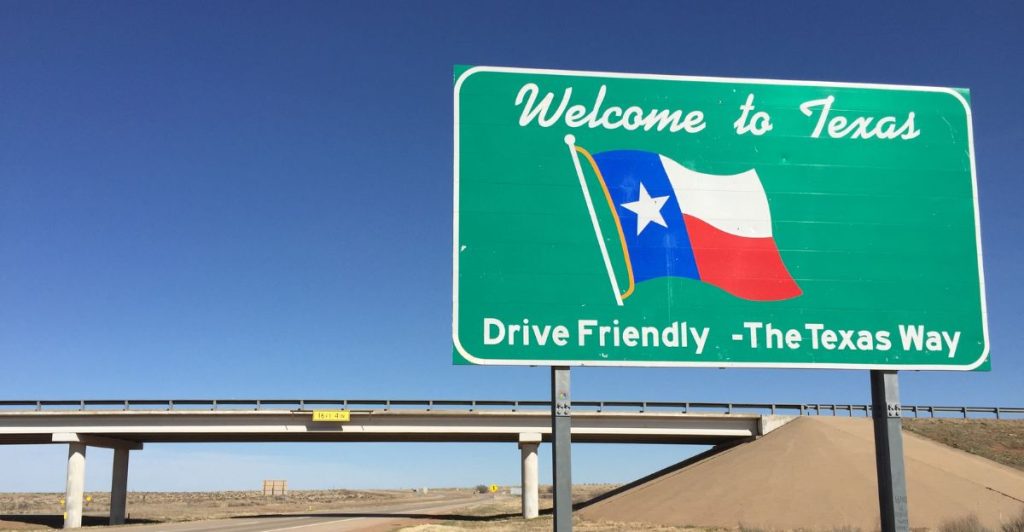
The appeal of Texas comes down to clear financial advantages. California’s top state income tax rate stands at 13.3%, the highest in the United States, while Texas imposes no state income tax at all. Combined with the absence of a wealth tax, the savings for billionaires can reach eight or nine figures annually depending on investment returns. Austin has also developed into a growing tech hub attracting startups and venture capital. These advantages explain the shift, but they also reveal deeper economic consequences for California itself.
The Revenue Risk California Faces

California relies heavily on its highest earners, with nearly 40% of income tax revenue coming from the top 1% of taxpayers. If even a fraction of billionaires relocate, the state risks losing both immediate and long term revenue streams. The California Budget Office has warned that a one time wealth tax could reduce the general fund if it accelerates departures. That creates a complex dilemma for policymakers trying to fund public services. How does this tension play out when enforcement enters the picture?
Inside California’s Strict Residency Rules
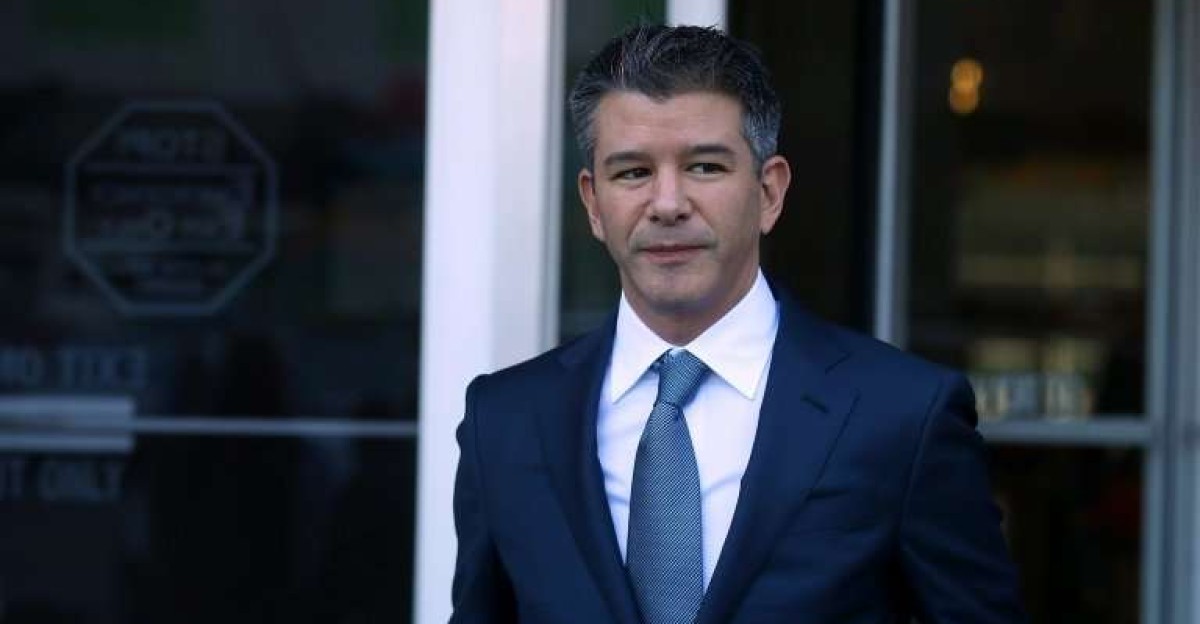
Leaving California is not as simple as changing an address. The Franchise Tax Board uses a “facts and circumstances” test to determine residency, examining details such as bank accounts, voter registration, doctors, and family ties. Legal experts state that “FTB’s determinations of residency are presumptively correct, and the taxpayer bears the burden of showing error in those determinations”. This means individuals must prove they fully severed ties. Kalanick’s carefully timed move hints at how seriously this process is taken, especially given rising audit activity.
Audits Surge As Wealth Leaves The State

California has increased scrutiny of high net worth individuals leaving the state. In 2023, the Franchise Tax Board conducted 520 residency audits on out of state individuals, more than double the 230 audits recorded in 2019. The statute of limitations allows audits up to four years after filing, meaning Kalanick’s December 18, 2025 move could face review into 2030 or beyond. This growing enforcement effort suggests authorities expect more departures. But what exactly did Kalanick do to prepare for this level of scrutiny?
The Strategy Behind A Perfectly Timed Exit
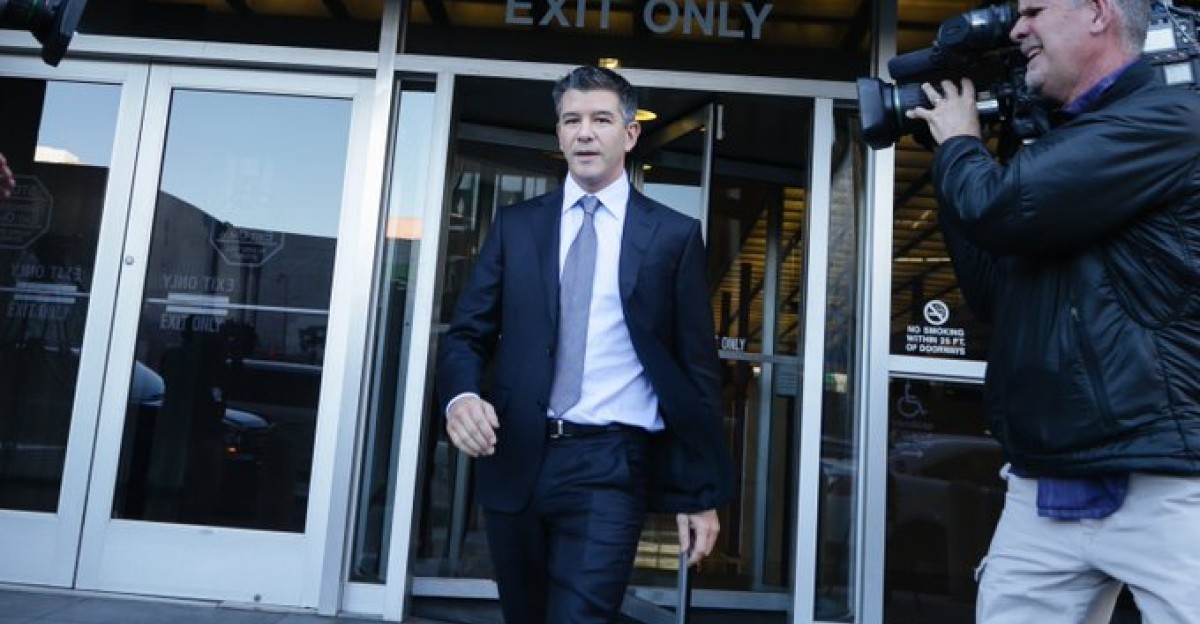
Kalanick’s relocation required a coordinated legal and financial strategy. Advisors typically recommend building a “residency file” documenting changes such as new primary homes, financial relationships, and daily life patterns. Legal experts warn that “more than a few residency audits involving millions of dollars in taxes, interest, and penalties run aground because taxpayers fail to retain a residency file”. His public statement that he moved “prior to January” reflected deliberate wording aligned with legal thresholds. That precision signals how much is at stake, but the broader impact reaches beyond one founder.
A Shift That Could Reshape Tech Power

The migration of billionaires is beginning to influence where capital, startups, and talent concentrate. Austin’s tech ecosystem continues expanding, while Florida is attracting attention from figures like Jeff Bezos and Mark Zuckerberg. At the same time, California faces the possibility of reduced investment activity and shifting economic gravity. At least six billionaires had already changed residency before January 1, 2026, showing the effect of a policy not yet passed. The final outcome now hinges on voters in November 2026, where the future direction will become clear.
Sources:
Billionaire Uber Co-Founder Travis Kalanick Reveals He Left California And Moved To Texas. Yahoo Finance, March 22, 2026
Billionaire Uber co-founder Travis Kalanick admits strategically moving to Texas before California billionaire tax. Fox Business, March 15, 2026
5% wealth tax in California drives tech billionaires to flee. Nation Thailand, February 13, 2026
California’s Billionaire Tax Act: The Challenge of Changing Residency on Short Notice. Palm Springs Tax and Trust Lawyers, January 5, 2026
Does California Have an Exit Tax? What to Know Before You Move. Greenback Tax Services, March 19, 2026
Uber Co-Founder Kalanick Moves to Texas Ahead of Proposed California Wealth Tax. National Today, March 16, 2026