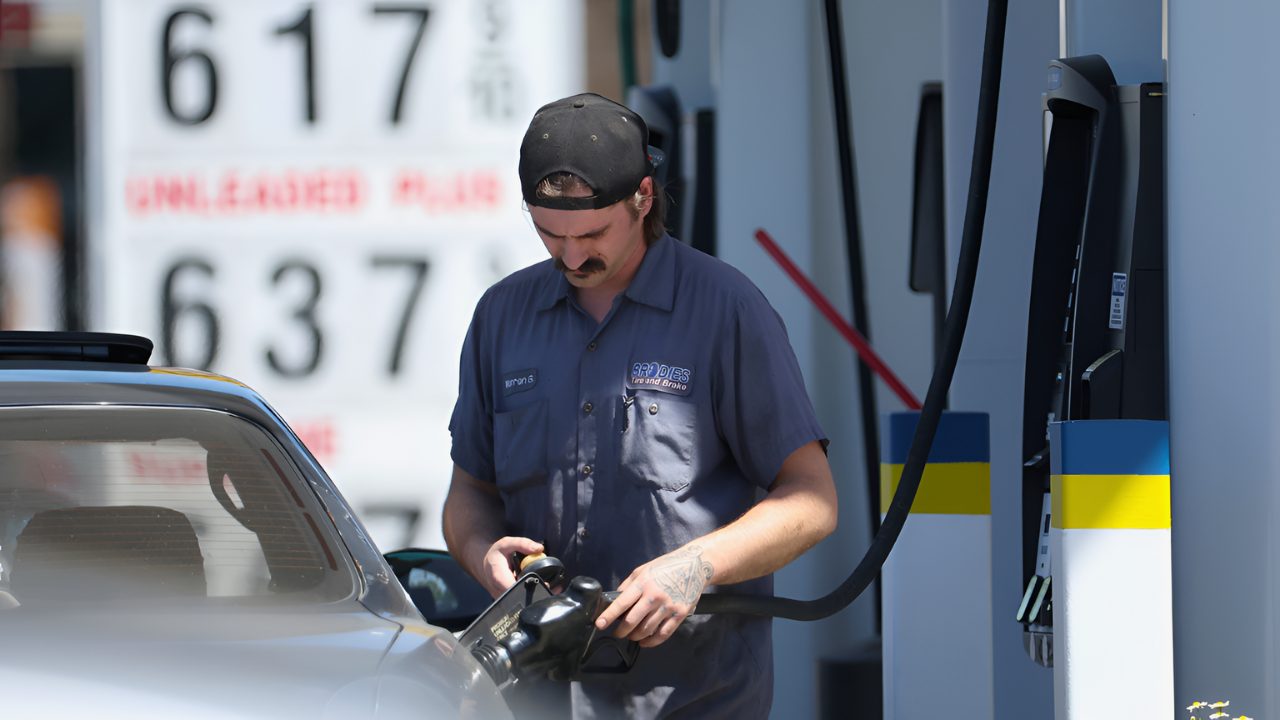
California Gas Hits $9 A Gallon After Newsom Said California ‘Took On Big Oil And Won’
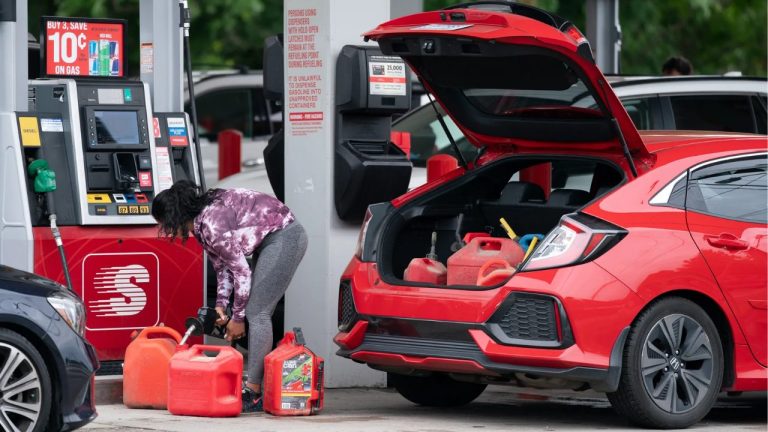
On March 26, 2026, a Chevron station in Fenner, California posted $9.69 per gallon. In LA’s Chinatown, drivers faced $8.71. Just a month earlier, the statewide average was four dollars. For 40 million Californians, every new day brought higher prices at the pump, with no relief in sight.
The governor had once promised a solution for moments like this. That solution exists. It has never been used.
The Strait That Broke the Market
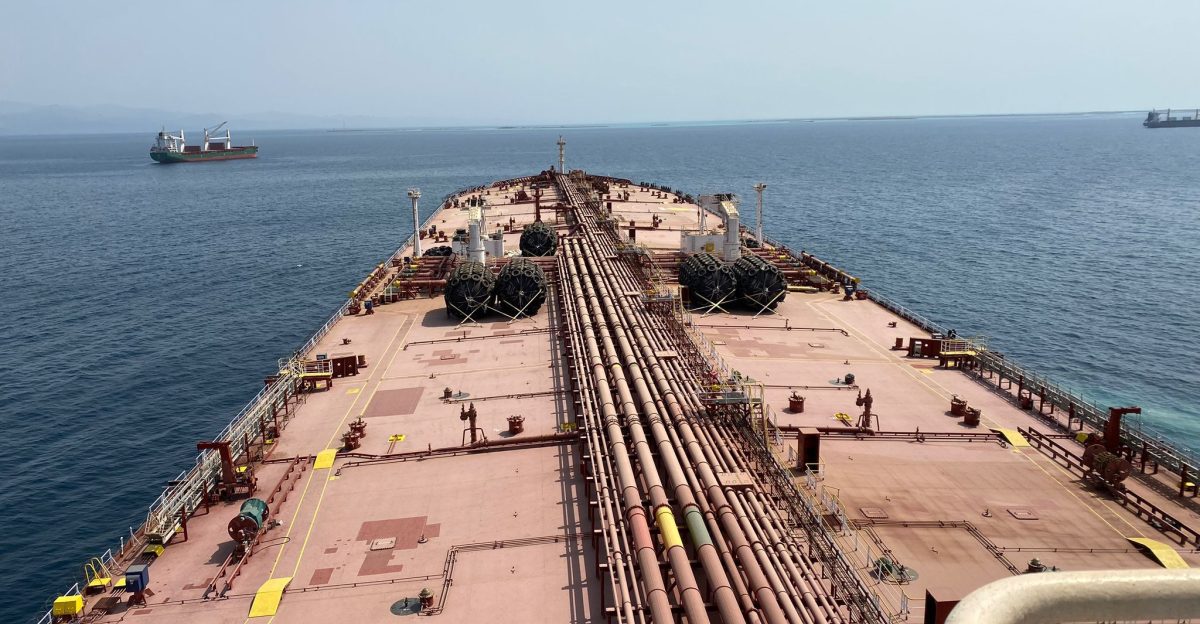
On February 28, 2026, everything changed: after Iranian attacks and threats against shipping, tanker traffic through the Strait of Hormuz, just 21 miles wide and vital to global oil, was effectively halted. Crude prices spiked. Brent crude jumped from about $67 to over $105 per barrel in less than a month. This marked a $32 jump over the prior year. West Texas Intermediate rose in one of the sharpest weekly climbs in recent memory.
The International Energy Agency’s 32 member countries agreed to release 400 million barrels of oil from emergency reserves, the largest emergency release in the agency’s history. California, already struggling with closed refineries, took the hit without any buffer.
Two Refineries Down, 20 Percent Gone
By December 2025, Phillips 66 had shut down its Los Angeles refinery. That was 130,000 barrels a day, gone. Valero announced its Benicia plant, handling 145,000 barrels daily, would close by April 2026. Together, those closures eliminated about 20 percent of California’s gasoline supply. The fallout was immediate: 1,300 people out of work, and thousands more affected through lost business and jobs statewide. Many blamed state regulations, which seemed like the logical culprit.
Valero mentioned $82 million in environmental fines and a $1.1 billion write-down. However, regulation was not the only issue. There was a deeper problem at work.
The Victory That Never Was
In 2023, Governor Newsom signed a law to cap refinery profit margins during price spikes. He declared, “California took on Big Oil and won.”
The California Energy Commission then delayed enforcement for about five years to preserve oil company investor confidence. The law exists, but it has never been used. Gas reached $9. The emergency tool designed for a crisis like this remained unused, and refineries still closed. California lost its leverage. The state got nothing in return.
The Energy Island Trap

California is an energy island. No pipeline connects it to the cheaper refineries east of the Rockies. Much of its crude arrives by tanker, and it relies heavily on in‑state refining and marine imports. About a quarter of that oil comes from the Middle East, passing through the Strait of Hormuz.
After the Strait closed, California had no backup supply, no extra local production, and no emergency price cap. Global traders set oil prices based on replacement costs, not local output. The U.S. produces more oil than any other nation, but drivers here still feel the impact of a crisis 7,000 miles away.
The Numbers Behind the Pain
By March 26, the national average for gas was $3.98 a gallon. In California, prices ranged from $5.37 to $5.84, more than a dollar above the national average. This does not include the ‘mystery surcharge’ that state officials say has quietly added about 41 cents per gallon for Californians since 2015, costing drivers tens of billions over nine years.
When a global oil shock is added to years of these hidden charges, the result is severe. American drivers, especially in California, now face billions in added monthly fuel costs.
The Ripple Hits Everything
Goldman Sachs now puts the odds of a U.S. recession at 30 percent, citing higher inflation and slower growth as oil prices surge. Analysts warn that the Hormuz disruption, which affects roughly 20 percent of global oil flows, could have a larger impact than the oil shocks of 1973 and 1990 and may be the biggest in modern history. Countries across the globe are warning about aviation fuel shortages and empty pumps.
IEA chief Fatih Birol called it ‘the largest‑ever release of emergency oil reserves in our agency’s history’ and warned that the conflict is profoundly affecting global oil and gas markets. In the Southern U.S., families are feeling the squeeze, with monthly fuel bills rising quickly. Many are already cutting back on non-essentials to keep up.
The Precedent Nobody Wants
Other states are watching California closely, recalculating their own risks. Texas and Oklahoma are considering increasing their refining capacity to attract suppliers leaving California. Some states will relax environmental rules before trouble hits, triggering a regulatory race to the bottom. The disruption underway is being described by energy analysts as on par with, or larger than, the great oil shocks of the late 20th century.
California tried to have strict environmental rules, steady fuel supply, and affordable prices at the same time. The state achieved none of these goals. Now, every governor in America can see the result of trying to balance all three and failing.
Chevron’s Ultimatum
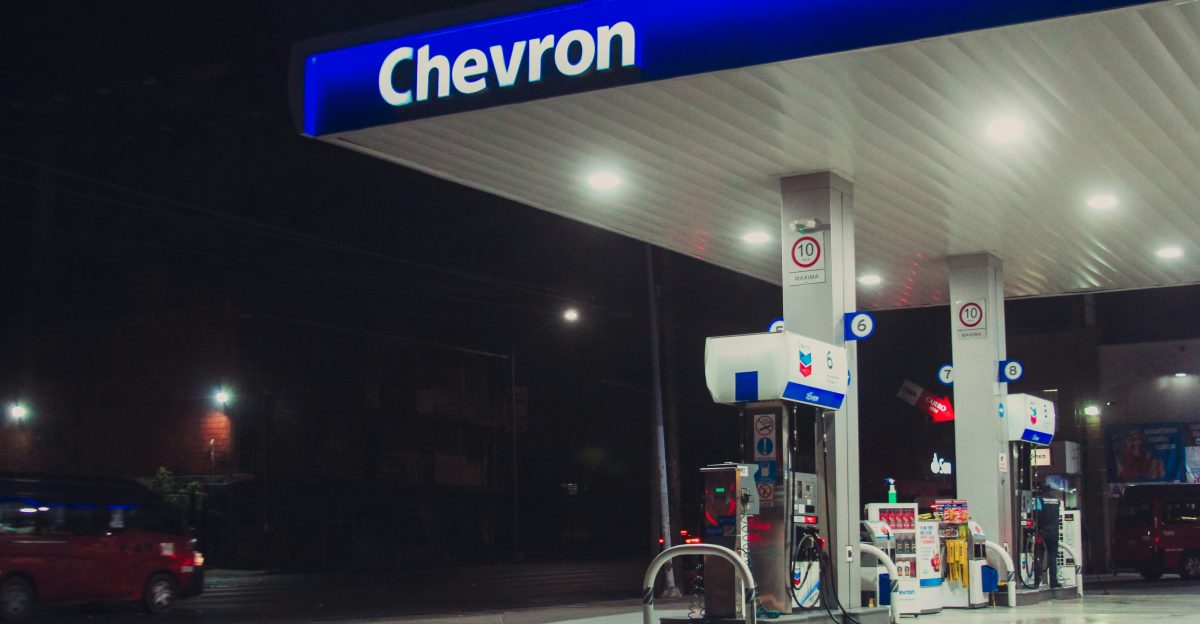
Chevron’s refining chief Andy Walz has warned that California’s refinery tax and new regulations will drive operators out of the state over time, saying Chevron cannot justify long‑term refining investments under the current policy mix. Chevron has warned of significant additional regulatory costs.
Some analysts say an extended war could push oil toward $200 per barrel and send national gas prices toward $7, though they still see that as a worst‑case scenario. If that hits, California could breach $10 per gallon while its last major refiner heads for the exit.
The Tool in the Garage
In Washington, the administration has authorized large releases from federal oil reserves and discussed easing shipping rules to move fuel more quickly among U.S. ports. Federal help is arriving. California’s emergency measure remains unused.
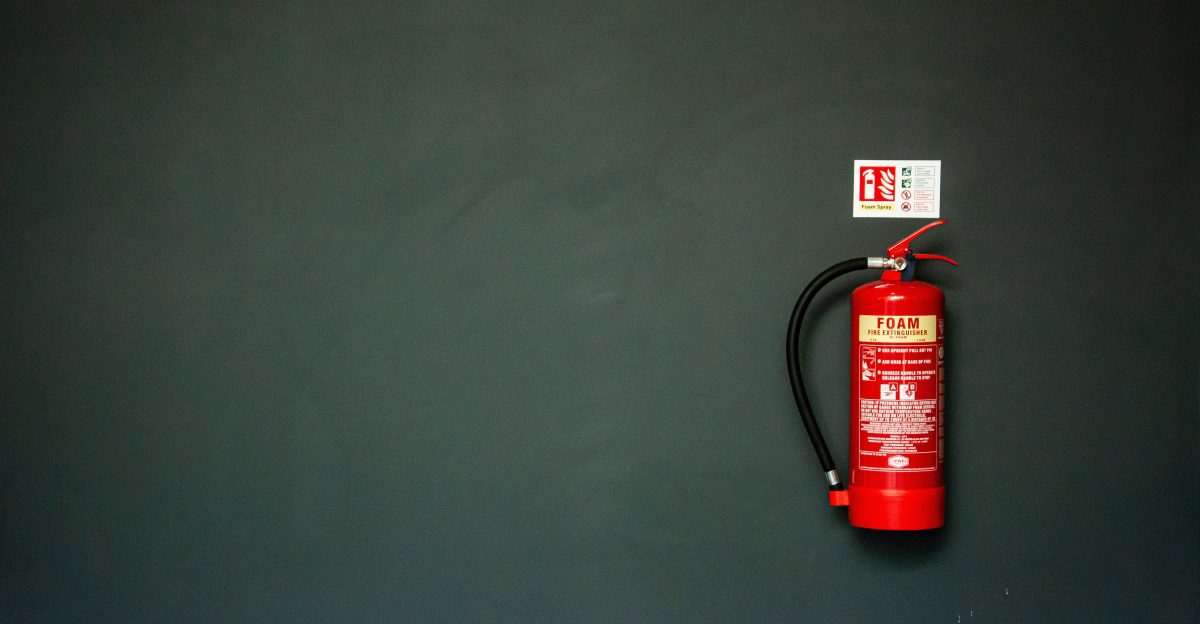
The state built a fire extinguisher in 2023, stored it in the basement to satisfy the insurance company, and the insurance company left town anyway. Now, the house is burning, and the extinguisher will not be activated for years. Every extra dollar Californians pay at the pump, above the national average, is the cost of that decision.
Sources:
Fortune — “Current price of oil as of March 26, 2026” — March 26, 2026
CalMatters — “Iran war exposes California’s unused gas price tools” — March 12, 2026
LA Times — “$8.71 a gallon? Welcome to L.A.’s most infamous gas station” — March 25, 2026
Bloomberg — “Chevron Warns California Risks Fuel Crisis Unless Iran War Eases” — March 24, 2026
Politico — “US to release 172 million barrels of oil from strategic reserve to combat energy prices” — March 11, 2026
Fortune — “Goldman raises recession odds to 30% on higher inflation and oil shock” — March 25, 2026