California Gas Hits $6 as 21% Refinery Capacity Vanishes Overnight—Drivers Face $8 Projection
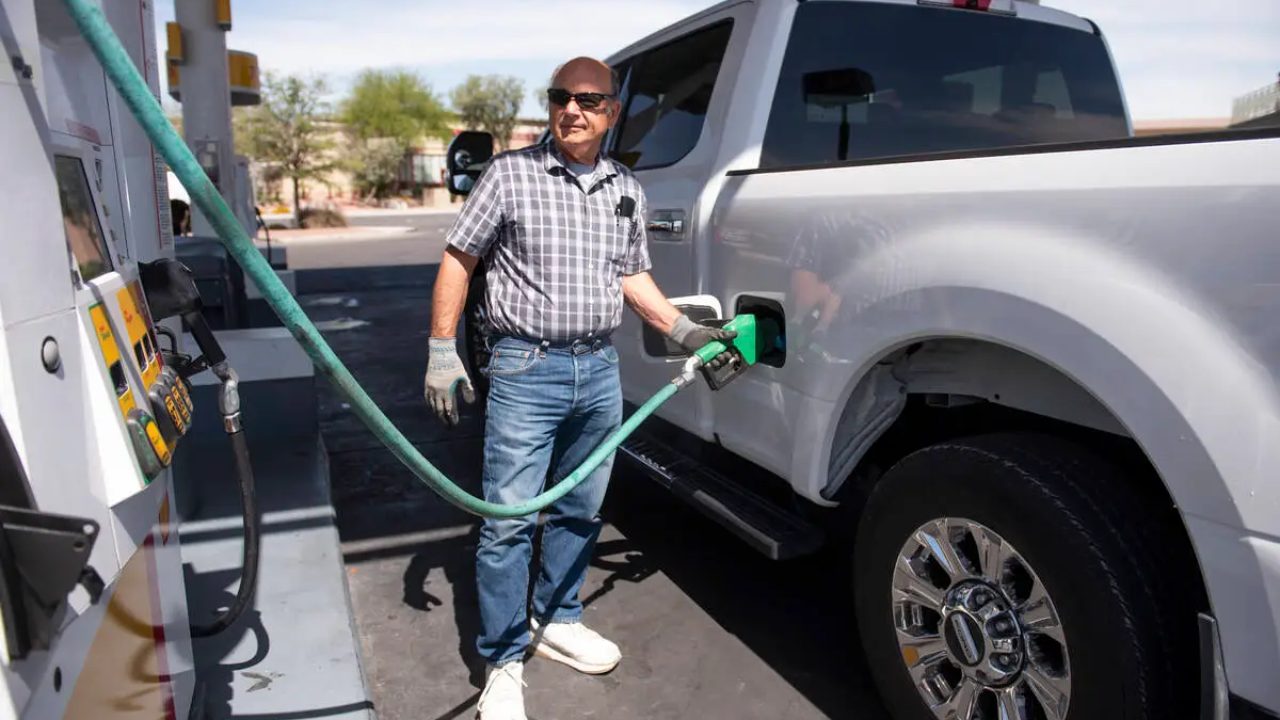
Spencer Shearer stood at a Chevron station in Los Angeles, watching the numbers climb. Five dollars. Forty dollars. The pump kept spinning. Across California, drivers stared at price signs the way you’d stare at a doctor delivering bad news. The statewide average had just crossed about $5 per gallon, roughly 50% above the national average. Shearer’s final total: $50. His review: “It sucks.” California gas has now effectively hit $6 at the station level while the statewide average hovers near $5.
The War Premium Changed Everything
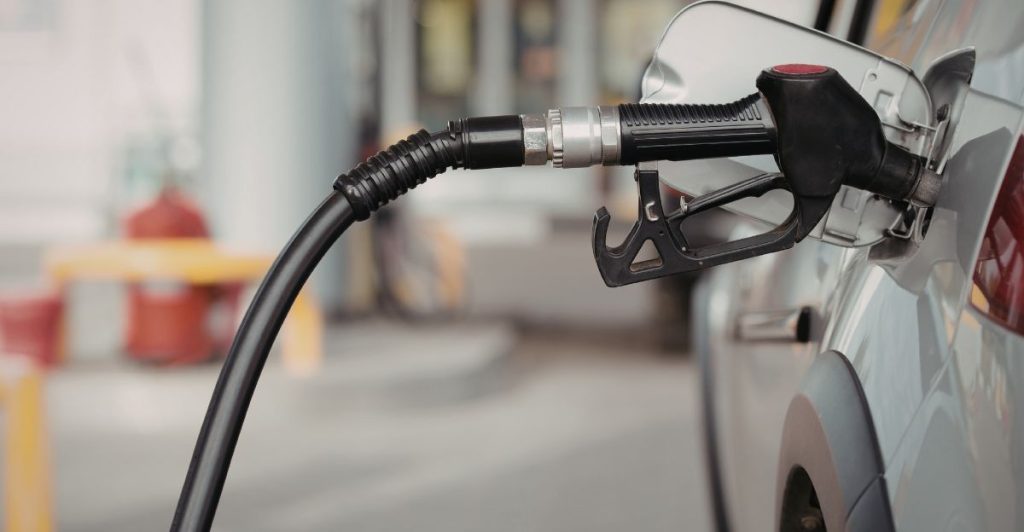
That $50 fill-up didn’t come from nowhere. On February 28, a joint U.S.-Israel operation against Iran sent crude oil from the low-$70s past $100 per barrel in a matter of days. Brent crude blew past $100 for the first time since 2022. The Strait of Hormuz, which carries roughly 20% of the world’s daily oil supply, saw traffic collapse to near a standstill. California imports a large share of its crude from overseas suppliers, and the key shipping lane just closed.
A State Trapped by Its Own Rules
Most Americans felt the price spike. Californians felt it twice. The state requires a special fuel blend called CARBOB that only local refineries or overseas imports can supply. No pipelines connect California to Rocky Mountain refineries. State gas taxes and fees run close to $0.70 per gallon, highest in the nation, with additional environmental compliance costs baked into every fill-up. That regulatory isolation was manageable when refineries hummed and tankers moved freely. Both conditions just evaporated.
Two Refineries Gone in Six Months
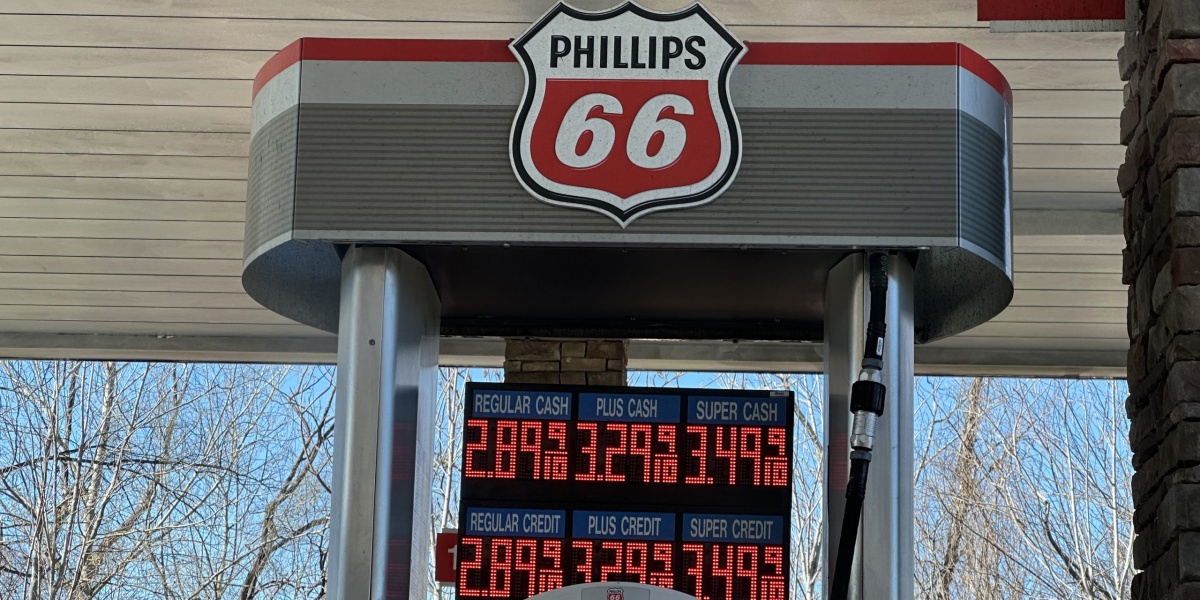
Phillips 66 shut its Los Angeles refinery in late 2025, eliminating about 139,000 barrels per day of processing capacity. Valero’s Benicia facility closes April 2026, following a combined $1.1 billion impairment charge recorded across Valero’s California operations. Two closures, roughly six months apart, now mean both refineries are off the grid at the exact moment the oil shock hit. Together they erase roughly 17 to 20% of California’s gasoline refining capacity. No replacement exists until at least 2029, when the proposed Western Gateway Pipeline might deliver up to 200,000 barrels daily from the Midcontinent.
Every Barrel Now Comes With a Risk Premium
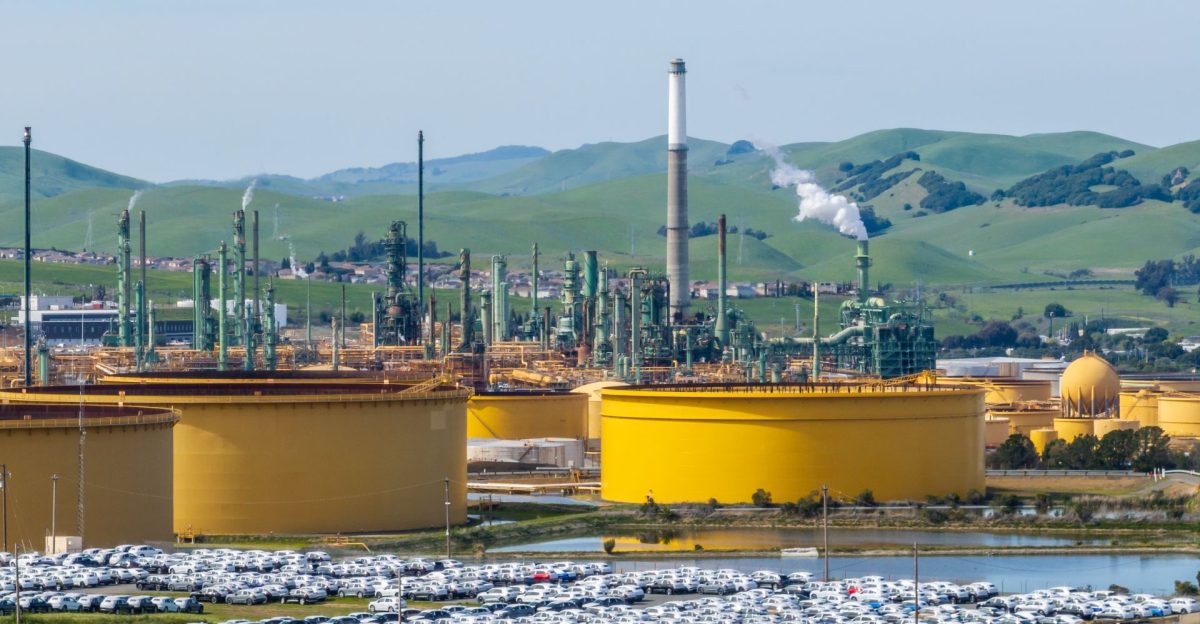
Here is the system California built: constrain local drilling, mandate a fuel blend nobody else makes, block pipeline access from neighboring states, then watch refineries shut down. The result is a state that produces less than a quarter of its own crude and relies heavily on foreign sources. Every barrel now arrives by tanker through waters where war risk insurance has reportedly jumped by an order of magnitude. That cost lands at the pump. California’s environmental policy made every gas station a live feed of Middle East instability.
Same Planet, Different Price
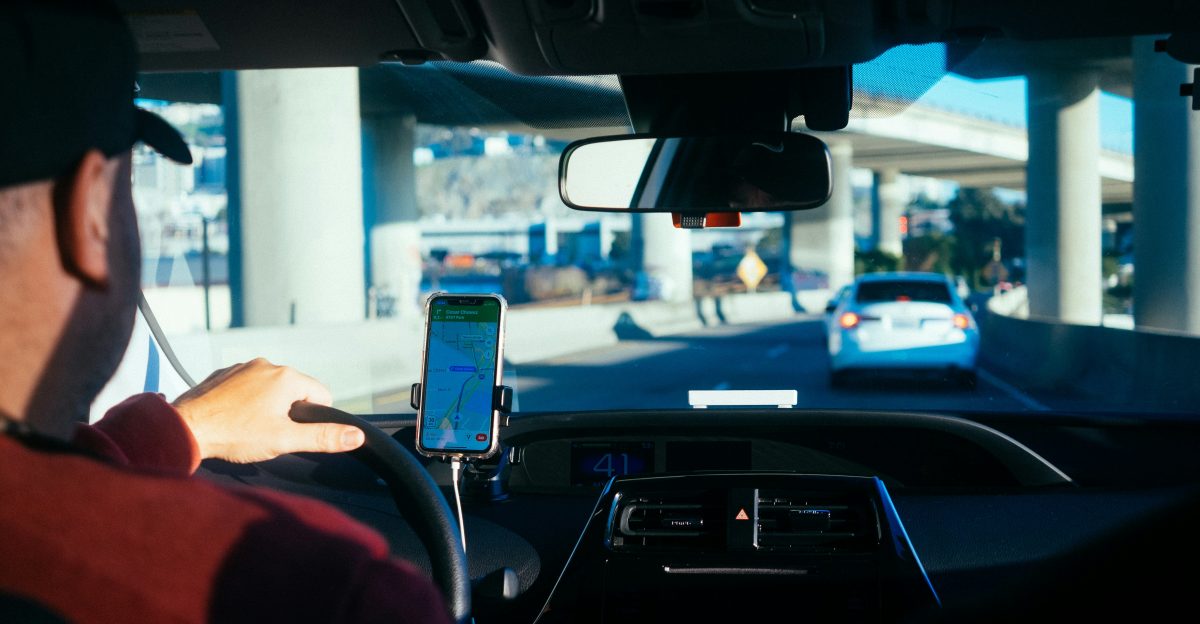
At some Los Angeles stations, drivers are already paying $6 per gallon, with the LA County average around the low-$5 range and climbing through a streak of daily increases. The national average sits above $3.30. Kansas drivers, among the lowest in the nation, are paying around $3 per gallon. Same planet, same oil, same week. The difference is nearly $0.70 in taxes, significant compliance costs, and a regulatory structure that locked California into the most expensive supply chain available. Gig workers are now calculating whether a shift earns money or burns it.
The Pain Spreads Outward
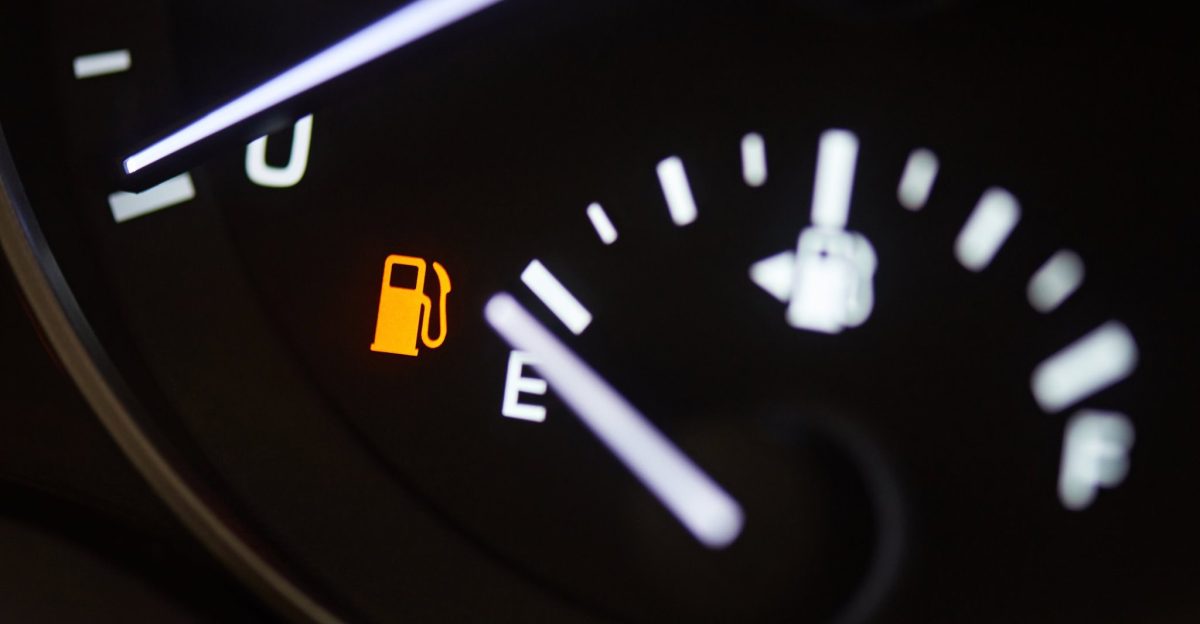
The pain radiates outward. Latino workers, who make up a large share of California’s gig and delivery workforce, face margin erosion that turns profitable shifts into losses. Small businesses running fleet vehicles absorb costs they can’t pass along. Consumer sentiment surveys are sliding toward levels not seen since the late-2000s downturn. Families are choosing between fuel and groceries. Major economies are reportedly discussing releasing strategic reserves, a move that might temporarily ease crude prices but does nothing about California’s permanent refining gap.
The Governor’s Quiet Confession
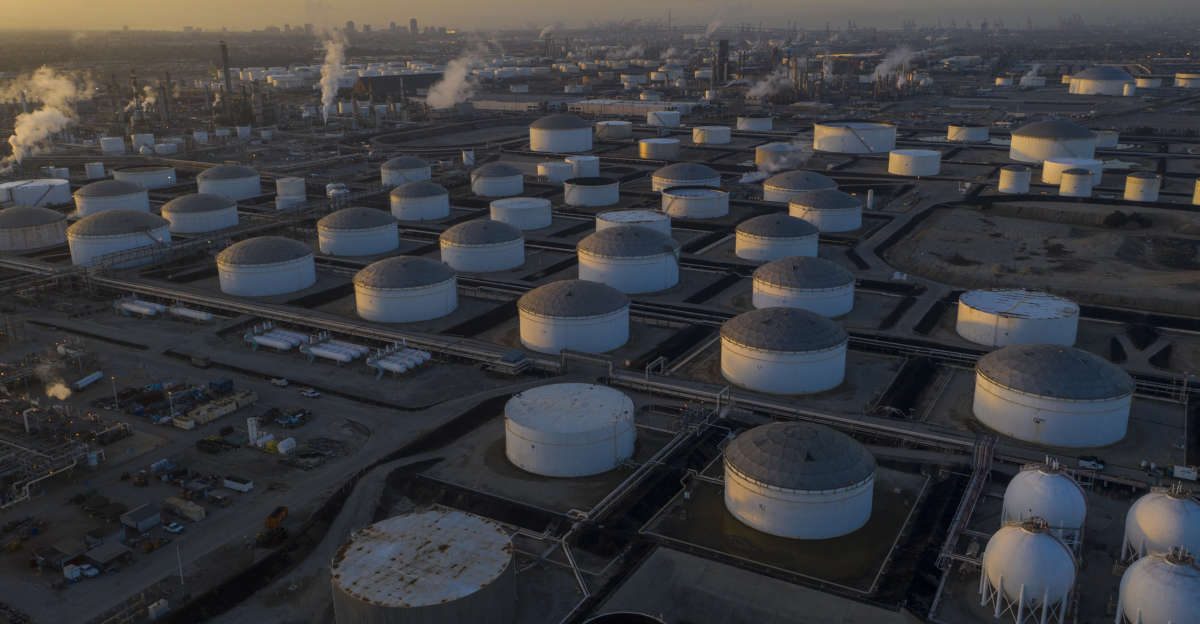
Governor Newsom moved to phase out new fracking permits starting in 2021 and told California oil was on its way out by 2045. Then the refinery closures hit. Then the Iran conflict sealed the Strait. Sacramento began quietly revisiting in-state production and permitting to keep fuel flowing, including more room for drilling in Kern County. That reconsideration is the confession. The state’s own leadership is signaling that California’s climate-first energy policy has manufactured the vulnerability it now cannot escape.
What Happens if This Gets Worse
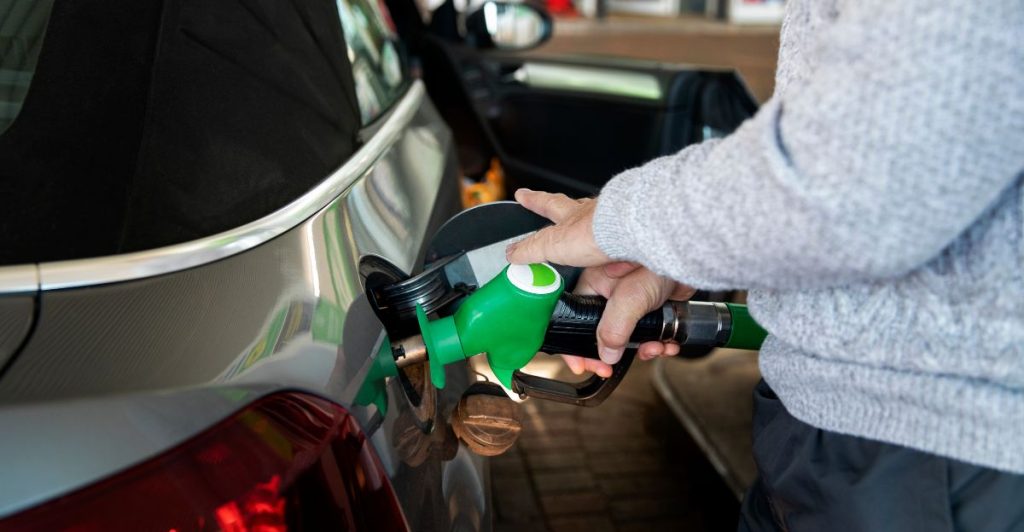
Iran just named Mojtaba Khamenei as its new supreme leader, a hardliner who shows little interest in de-escalation. The Strait of Hormuz remains functionally closed. Summer driving season approaches, when demand spikes and California’s special blend typically adds more cost per gallon. If the conflict widens to Saudi infrastructure, analysts warn crude could reach $150 and California pumps could sustain $7 to $8 through the third quarter. For drivers, the combination of a war-driven oil shock and that roughly 17 to 20% capacity hole made the jump feel almost overnight.
The Architecture of an $8 Gallon
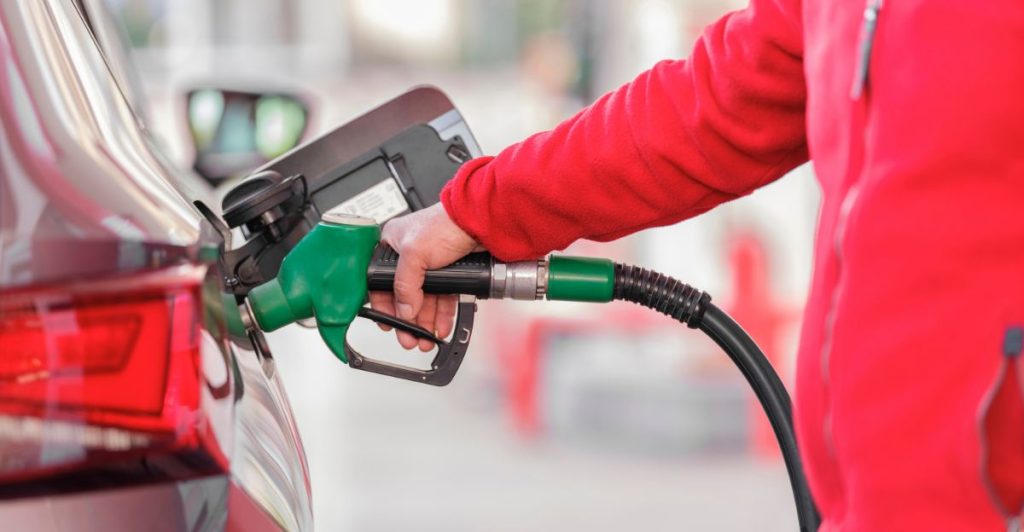
USC Marshall projects California gas at $7.35 to $8.43 per gallon by year’s end. That projection means California drivers now face a credible path to $8 gas if the current supply shock and policy mix do not change. Roughly a fifth of refining capacity permanently gone, heavy reliance on foreign-sourced crude, one of the world’s most expensive fuel mandates, and a shipping lane that carries about a fifth of global oil now reduced to a trickle.
Sources
“California gas prices could reach $8 by end of 2026, report says.” CBS News Sacramento / USC Marshall School of Business, 7 May 2025.
“Valero books $1.1 bln impairment, may idle California refinery.” Reuters, 16 Apr 2025.
“Phillips 66 will close its Los Angeles oil refinery by 2025 (139 kb/d).” Enerdata, 17 Oct 2024.
“Oil prices surge above $100: This is the biggest oil disruption in history.” CNN Business, 9 Mar 2026.