BYD Solves EV’s ‘Impossible Triangle’—1,006 KM Range And 5-Minute Charging Put Tesla On Notice
A BYD executive stood on stage in Shenzhen and asked a question with a foregone answer. Zheng Yu, Product Director for BYD’s ultra-luxury Yangwang brand, presented the problem every battery engineer has wrestled with: the ‘impossible triangle’ of performance, range, and fast charging in electric vehicles.
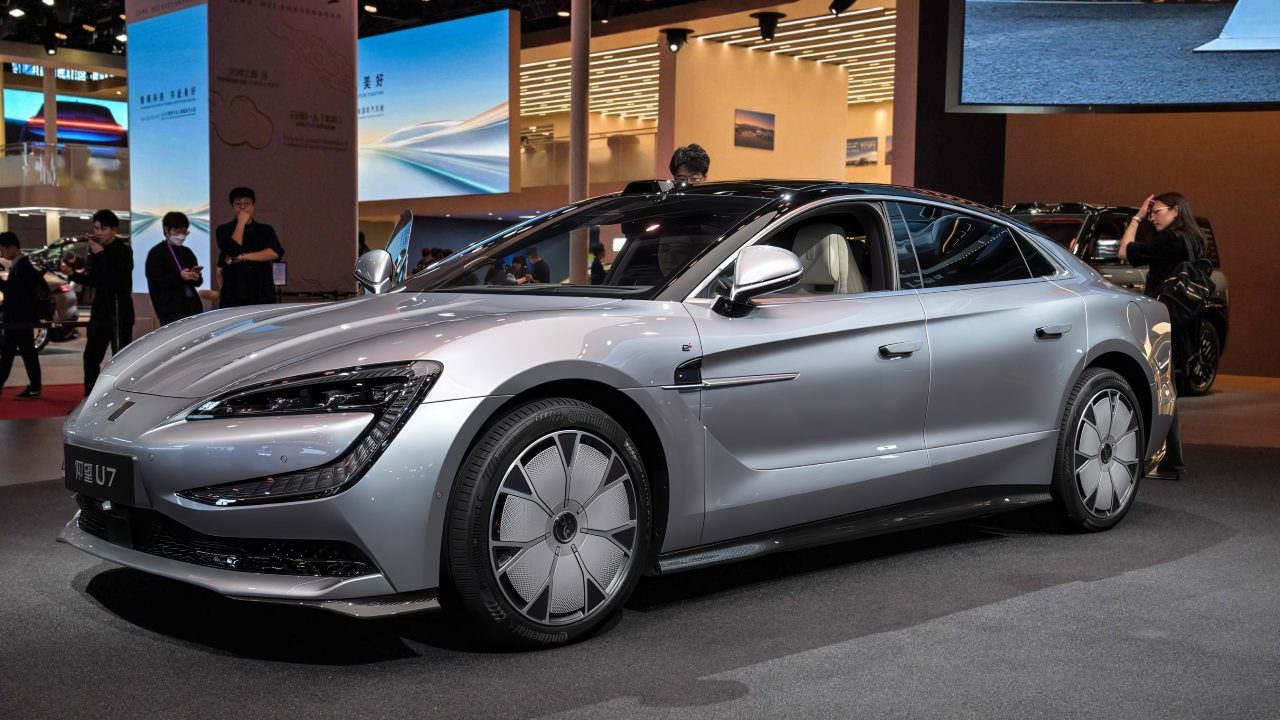
Behind him, a quad-motor sedan waited under a sheet. Inside, a 150-kilowatt-hour battery is prepared to challenge the industry standard.
Engineering Pressure
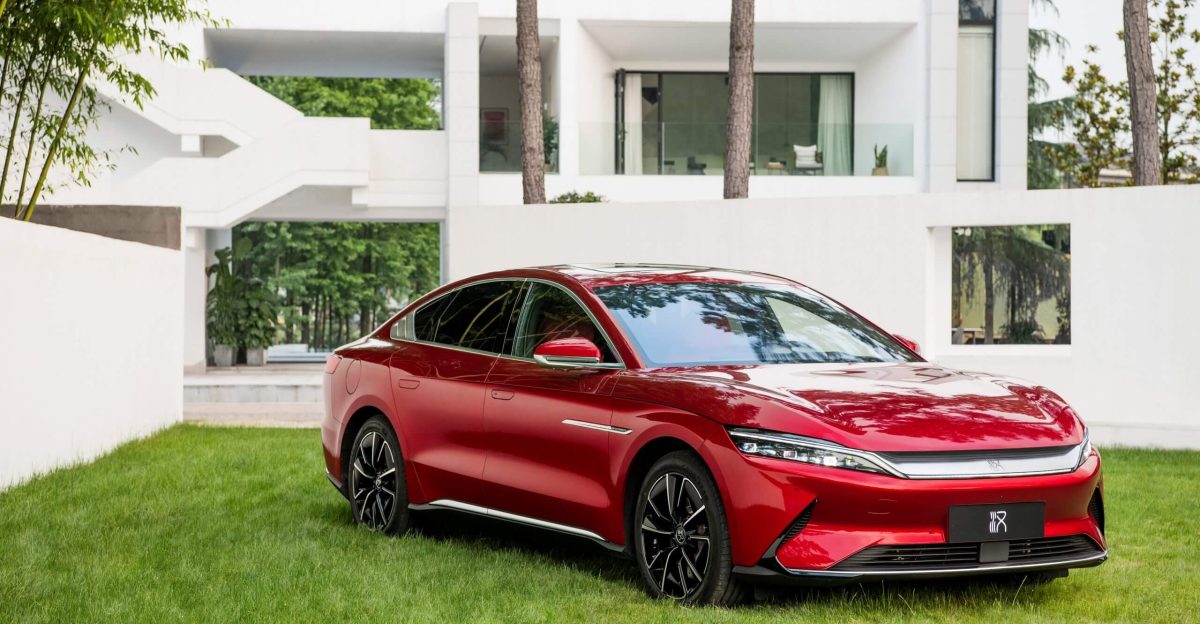
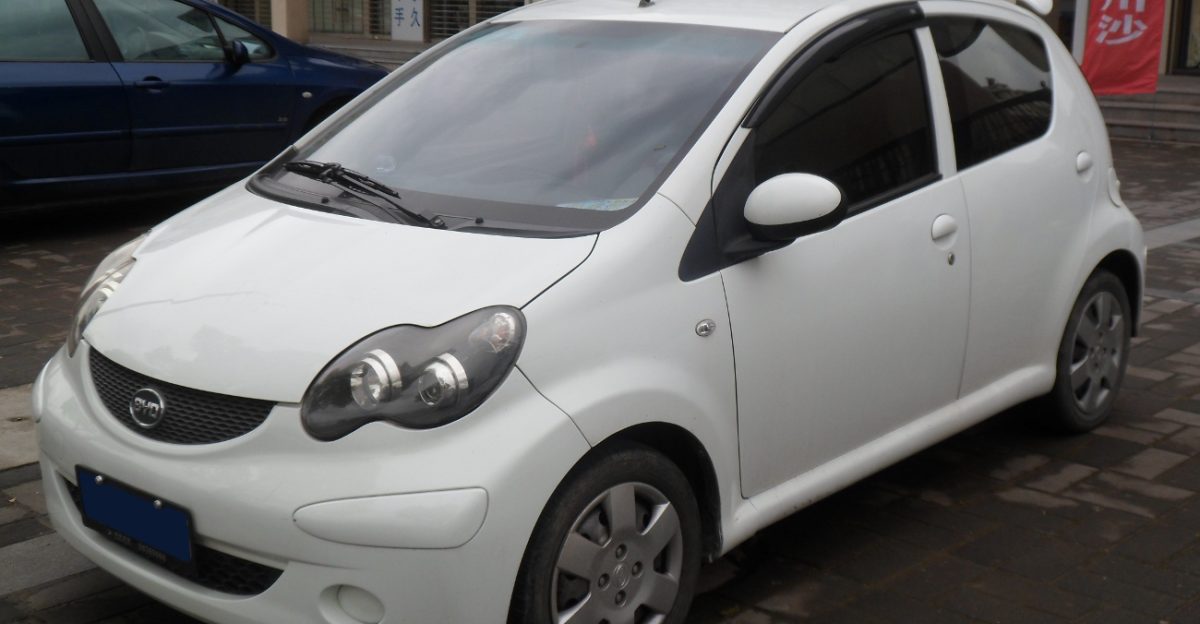
That sedan carried six years of pressure. BYD introduced its original Blade Battery in 2020 using lithium iron phosphate chemistry, achieving about 600 kilometers of CLTC range from a platform that many competitors called too basic. By 2025, BYD surpassed Tesla as the global EV sales leader.
The “impossible triangle” remained: long range, fast charging, or raw performance. Only two at a time. No one delivered all three together. Yangwang U7 exists to prove that the constraint came down to engineering, not physics.
Market Shock
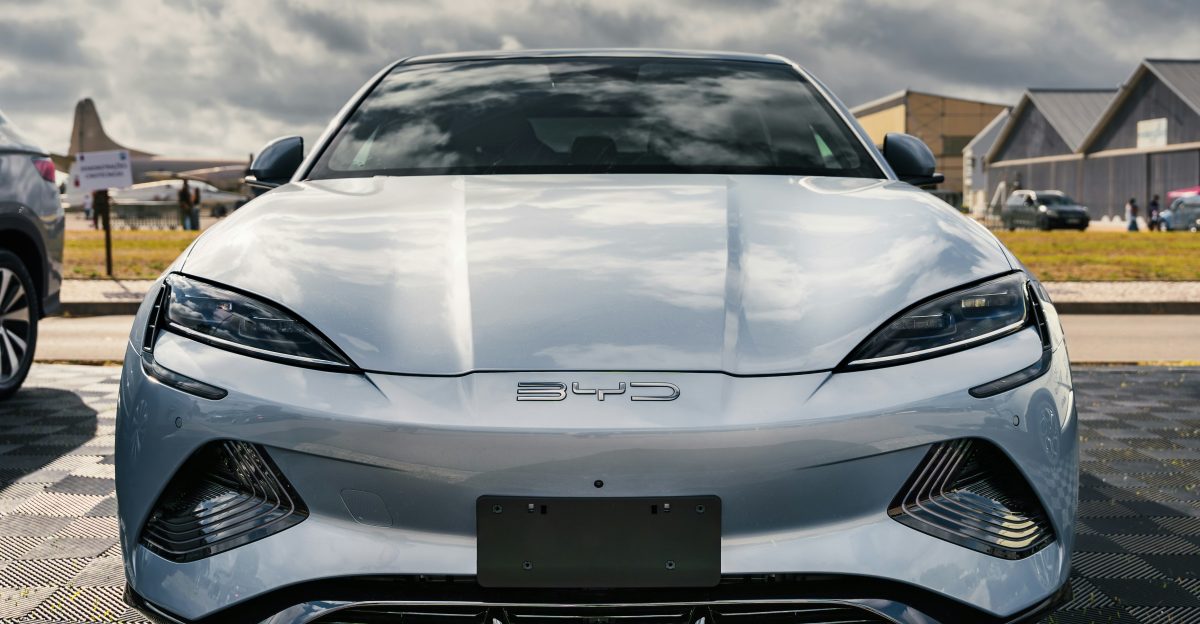
The assumption seemed safe: BYD’s technological edge would secure Chinese market leadership. Then, January 2026 sales arrived. Geely sold about 210,000 passenger vehicles, while BYD sold roughly 94,000 retail passenger cars, falling behind the rival it had recently overtaken. More than a two-to-one gap.
The company with the world’s most advanced battery was outsold by a competitor with sharper pricing and segment targeting. Range specifications no longer dictated purchasing decisions in a market splitting into ever-finer segments. BYD needed more than a stronger battery. It needed a statement.
All Three Delivered
Zheng Yu pulled the sheet. The Yangwang U7 offers 1,006 kilometers of range on China’s CLTC standard, about 450 miles under the stricter U.S. EPA method. Quad motors generate 960 kilowatts, delivering 1,300 horsepower. The car accelerates from zero to 100 km/h in 2.9 seconds. Charging is rapid.
Blade Battery 2.0’s 8C peak rate takes the pack from 10 to 70 percent in 5 minutes. One sedan, all three sides of the triangle delivered. The constraint, once called a physics problem, turned out to be a design problem that had never been solved before.
Systems Over Cell Wars
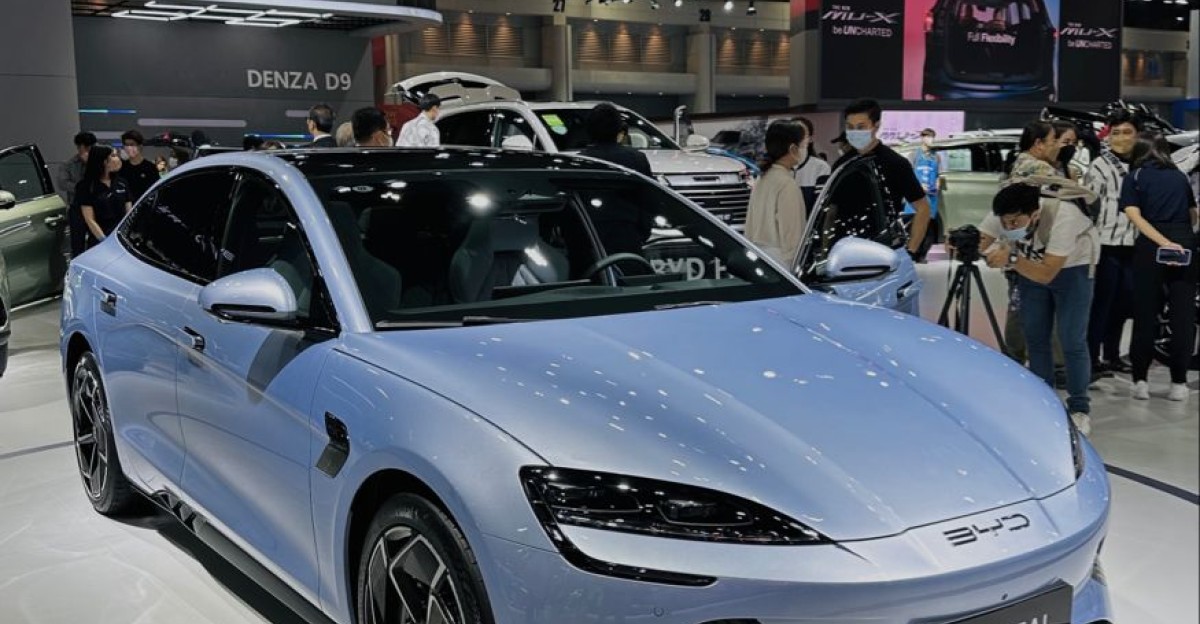
The breakthrough did not come from new chemistry. Lithium iron phosphate has been in use for decades. BYD solved the triangle through advanced thermal management and a 1000-volt high-voltage platform architecture, scaled beyond what competitors had attempted. This approach found efficiency in a system others considered finished.
Tesla, Porsche, and BMW pursued better cells. BYD rebuilt the system around existing technology. Vertical integration, combining batteries, motors, platform, and charging network, makes this approach difficult to replicate.
Range And Speed Redefined
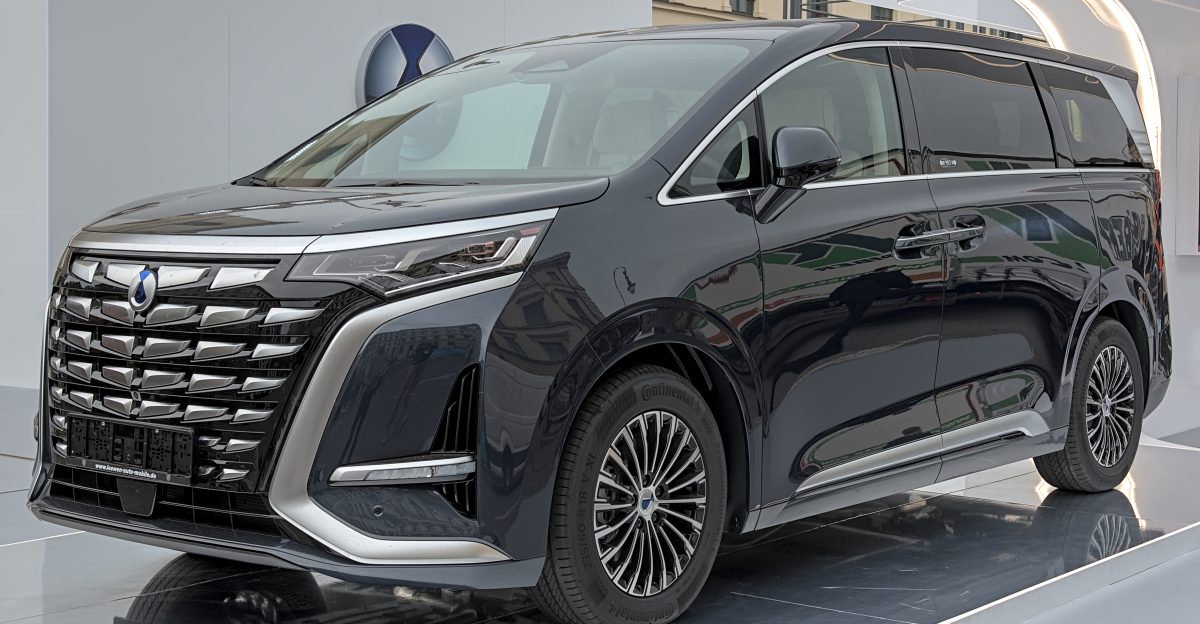
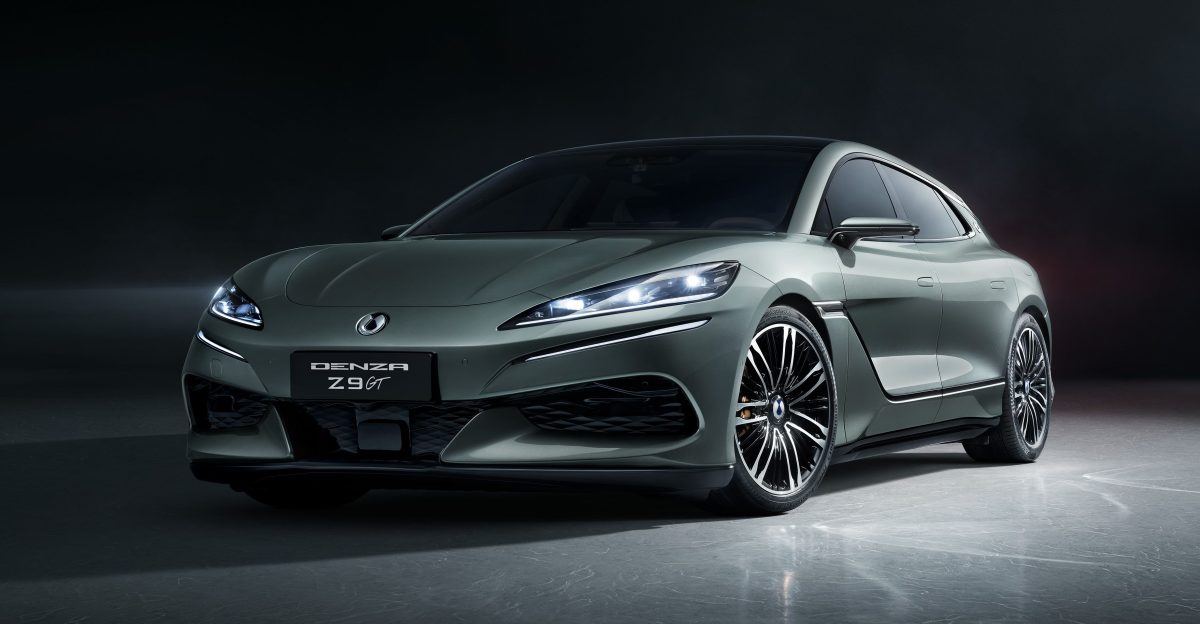
First-generation Blade Battery: 600 kilometers. Blade 2.0: 1,006 kilometers. That is a 67% improvement in six years. BYD’s Denza sub-brand pushes range higher still, with the Z9 GT reaching 1,036 kilometers CLTC and an estimated 451 to 470 EPA miles. Flash Charging 2.0 delivers power at 1,500 kilowatts, with energy priced around $0.18 per kilowatt-hour.
For drivers with a compatible vehicle, five minutes on the charger provides enough range for four hours on the highway. The last psychological barrier to EV adoption has disappeared.
The Competition Responds
Tesla faces pressure to speed up its 800-volt-plus architecture rollout and expand the Supercharger network to narrow the gap BYD opened over six years.
Western luxury brands must either compete on price and risk shrinking margins, or exit the segment. Battery suppliers like CATL and LG Energy Solution need to upgrade manufacturing for 1000-volt chemistries to stay competitive. BYD plans 20,000 Flash Charging stations by the end of 2026. This is not a product launch. This is an infrastructure siege.
Luxury Priced
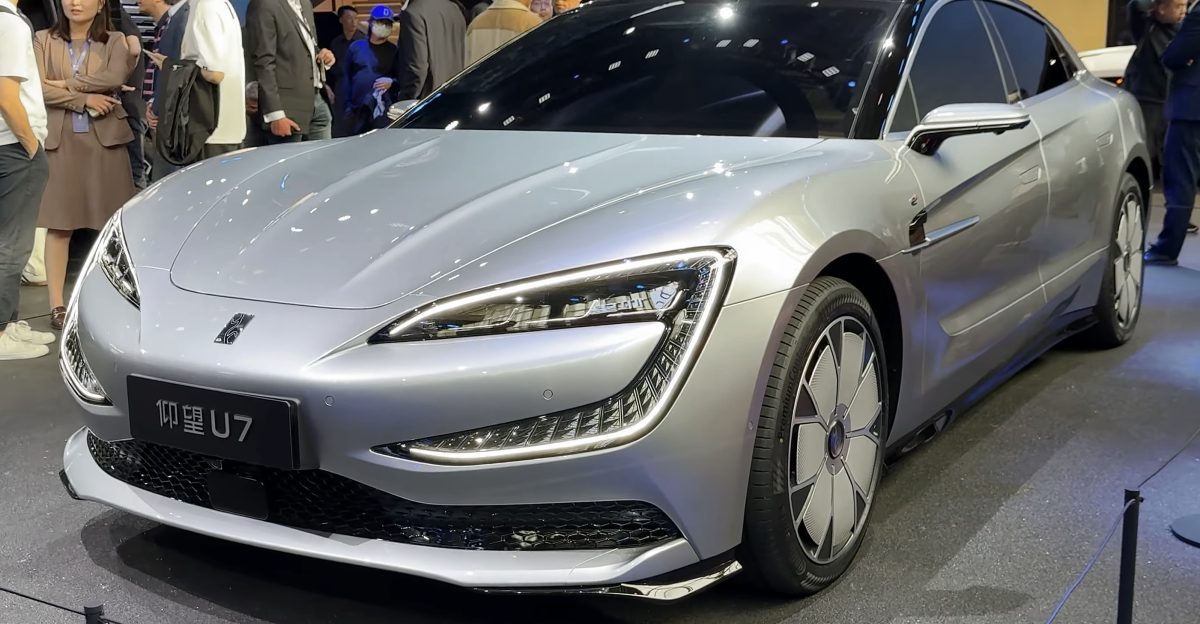
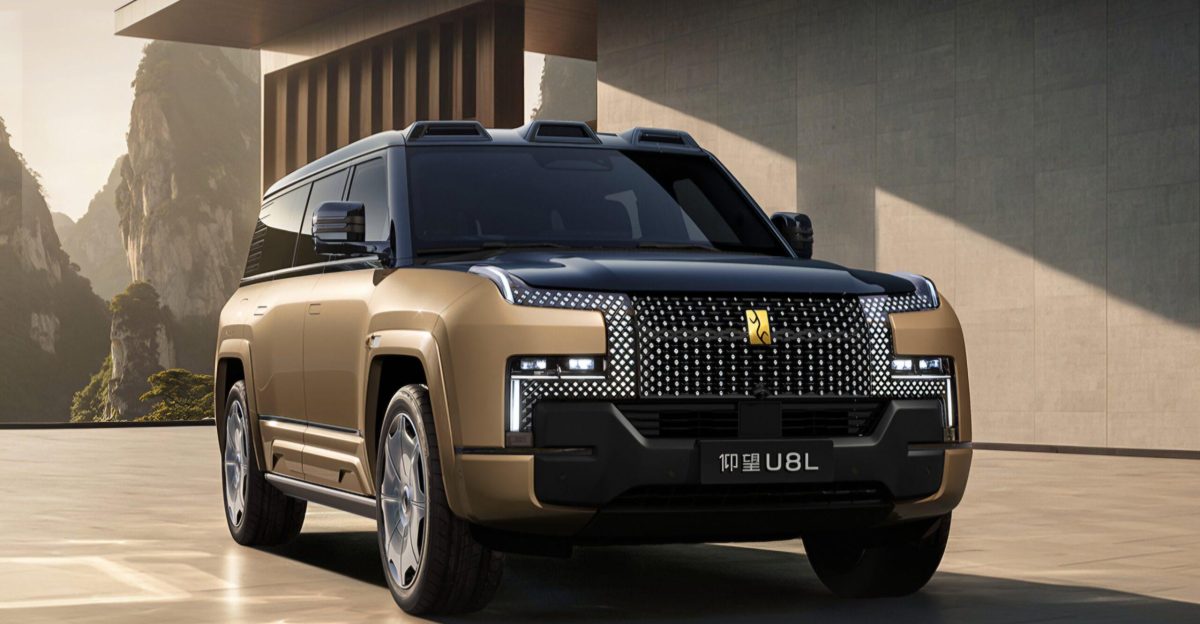
Most coverage overlooked this point. The Yangwang U7 starts at 628,000 yuan, or about $87,700. BYD’s U8 SUV launched at over a million yuan, while the U9 supercar starts at 1.8 million. Yangwang was meant to be BYD’s prestige fortress, set above the mainstream.
BYD then undercut its own luxury floor by nearly 43%. A prestige brand cutting prices within three years of launch sends a clear message: even the top technology player knows engineering alone will not secure market share.
Network Versus Market Reality
BYD’s God’s Eye 5.0 advanced driver-assistance system operates on 2.3 million vehicles. The 1000-volt platform will reach mainstream models by late 2026, with Flash Charging infrastructure expanding in tandem. Every part of the ecosystem is advancing.
Yet Geely outsold BYD by more than two-to-one in January. The Chinese EV market has split into segment-focused battles: Geely leads on volume, Xiaomi and NIO target premium buyers, and Li Auto dominates plug-in hybrids. Leading in battery technology does not guarantee leadership in market position.
The Edge No One Else Has
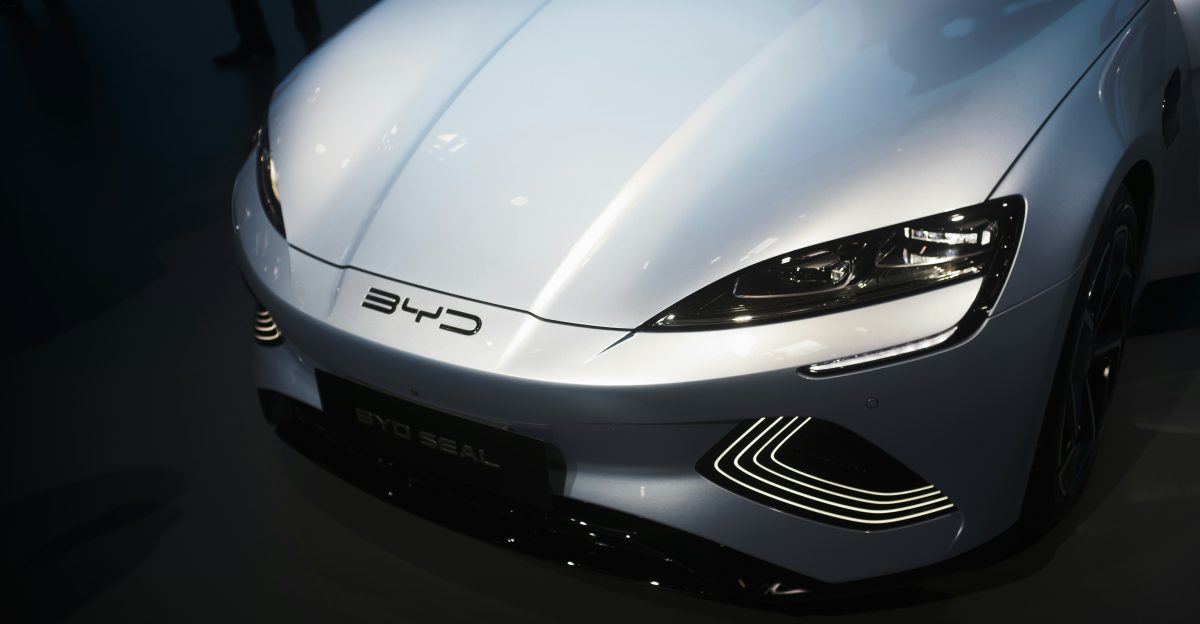
The real triangle BYD solved is price, technology, and margin, all at once, in a market that punishes anyone who picks just two. Western automakers may form alliances and announce matching specs by 2027. Governments might impose tariffs.
Tesla can accelerate the Cybertruck and Roadster to push performance higher. No rival can vertically integrate batteries, motors, platforms, ADAS, and charging networks overnight. This is a six-year head start that is still largely unrecognized.
Sources:
CarNewsChina — BYD’s new Yangwang U7 first to feature Blade Battery 2.0, achieves 1,006 km range with quad motors — March 4, 2026
CarNewsChina — BYD unveils Blade Battery 2.0: 10-70% in 5 mins, 10-97% in 9 mins and 20,000 Flash Charging stations — March 5, 2026
Electrek — BYD’s new 1,500 kW flash charger is over 3x faster than anything the US has — March 4, 2026
Electrek — BYD reveals the world’s longest-range EV that can drive 1,036 km — March 1, 2026
CNEVPost — Geely sells 270,167 vehicles in January, up 1.29% year-on-year — January 31, 2026
CarNewsChina — BYD rolls out God’s Eye 5.0 assisted driving system after deployment on over 2.3 million vehicles — January 27, 2026