BYD Sales Plunge In 60 Days As EV Giant Bleeds Market Share—China’s EV King Loses Ground
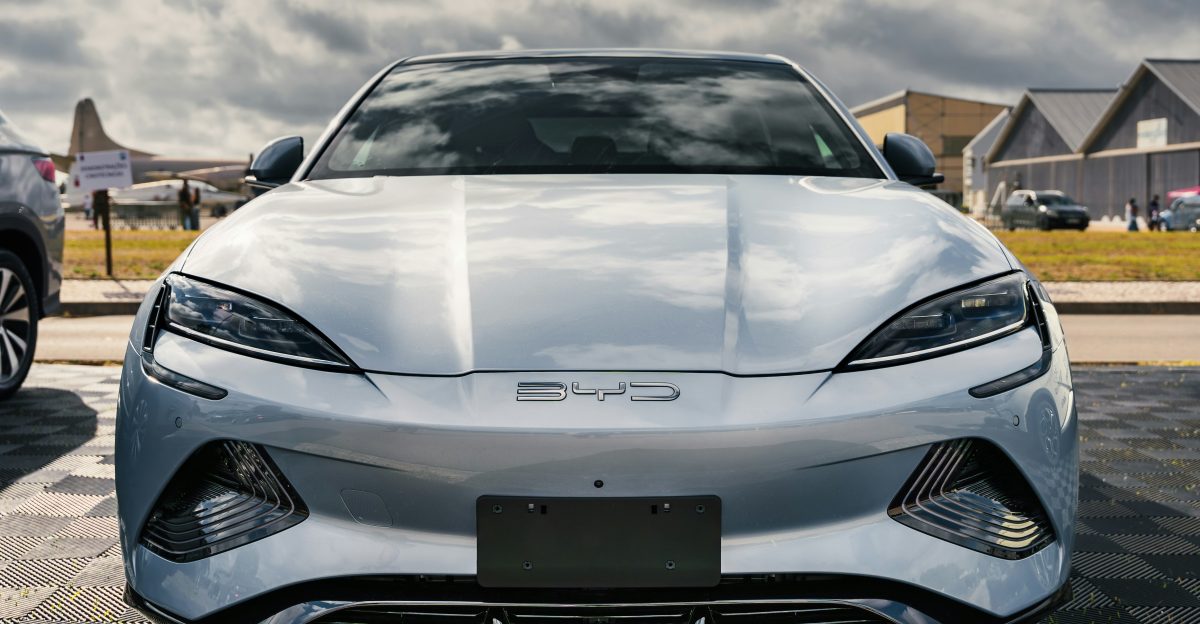
In February 2026, BYD’s exports reached 100,600 vehicles while total new energy vehicle sales fell to 190,190 units, a 41% year-on-year plunge. This marked the first time overseas shipments exceeded home sales for China’s EV leader. The crossover signals mounting pressure as BYD seeks growth abroad amid slowing domestic demand and intensifying local competition.
BYD’s Early-Year Sales Decline Confirms Market Pressures
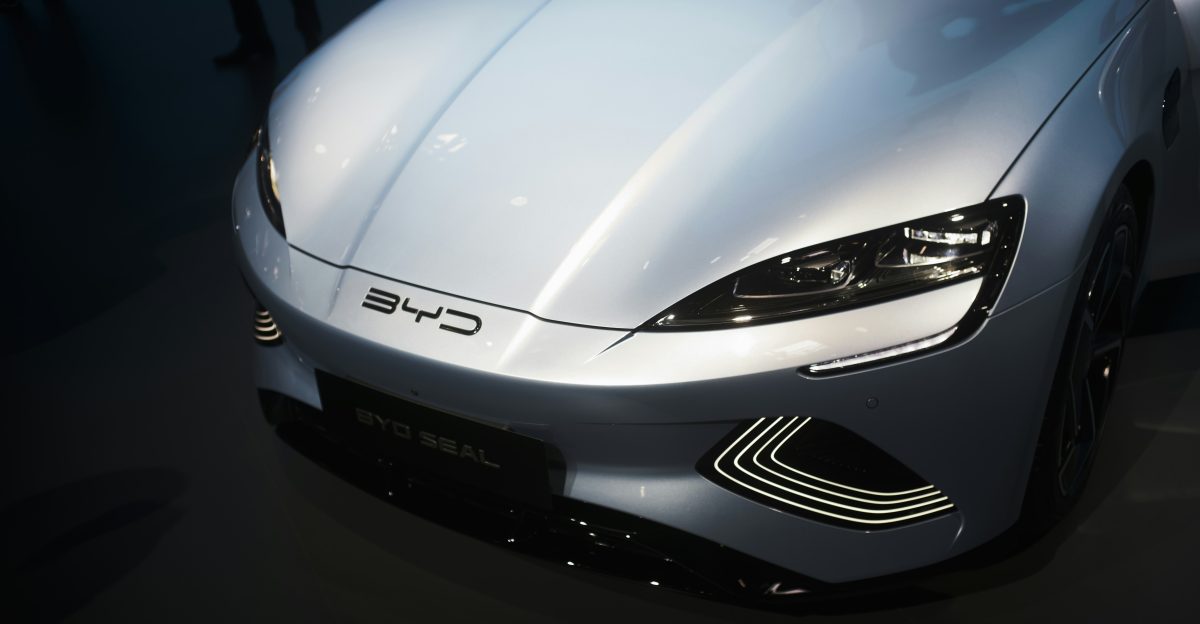
Combined January-February 2026 sales volume declined approximately 36% year-on-year after adjusting for Chinese New Year effects. February alone saw a steep 41% drop to 190,190 total NEV sales. Global deliveries for the two months totaled 400,241 units. The downturn contrasts with BYD’s 26-34% China NEV market share in 2024-2025.
Rivals Post Strong Growth While BYD Faces Headwinds
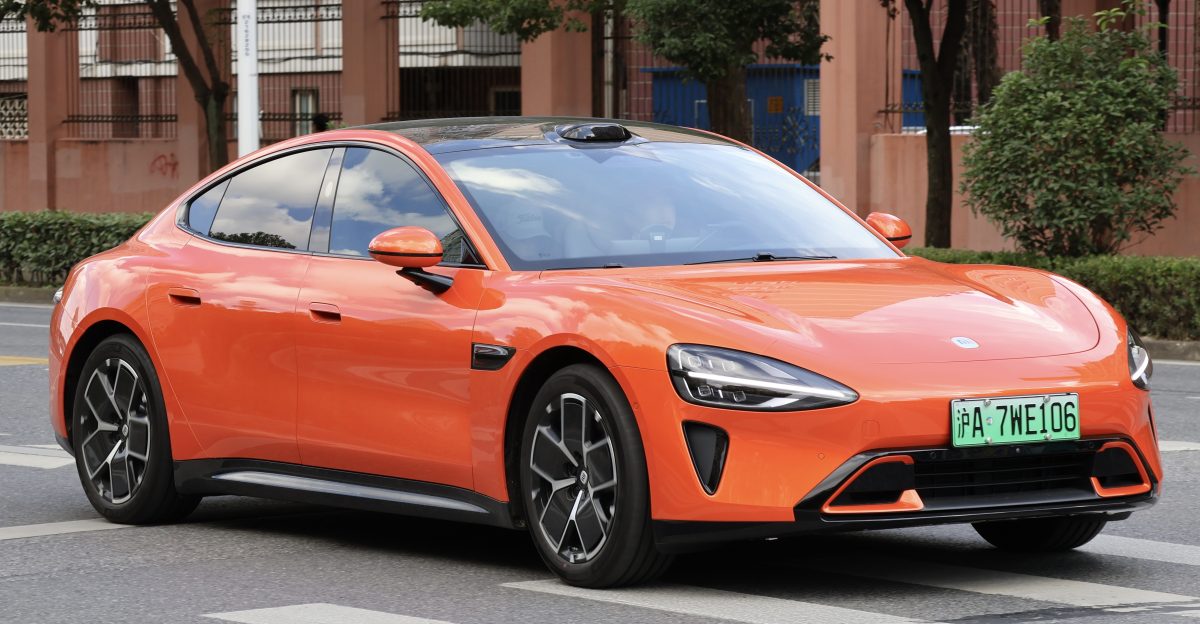
Leapmotor led competitors with approximately 60,000 January-February sales, posting growth in the mid-to-high teens percentage range. Xiaomi delivered approximately 59,000 units, with significant year-on-year growth reported across the two-month period. Nio’s combined January-February sales posted strong year-on-year growth, with February alone up approximately 58%. Geely’s Zeekr brand posted substantial year-on-year growth across the two-month period. These gains reflect successful strategies as attackers target BYD’s traditional mid-market stronghold with feature-rich alternatives.
Mixed Fortunes Reveal Segmented Market Pressures
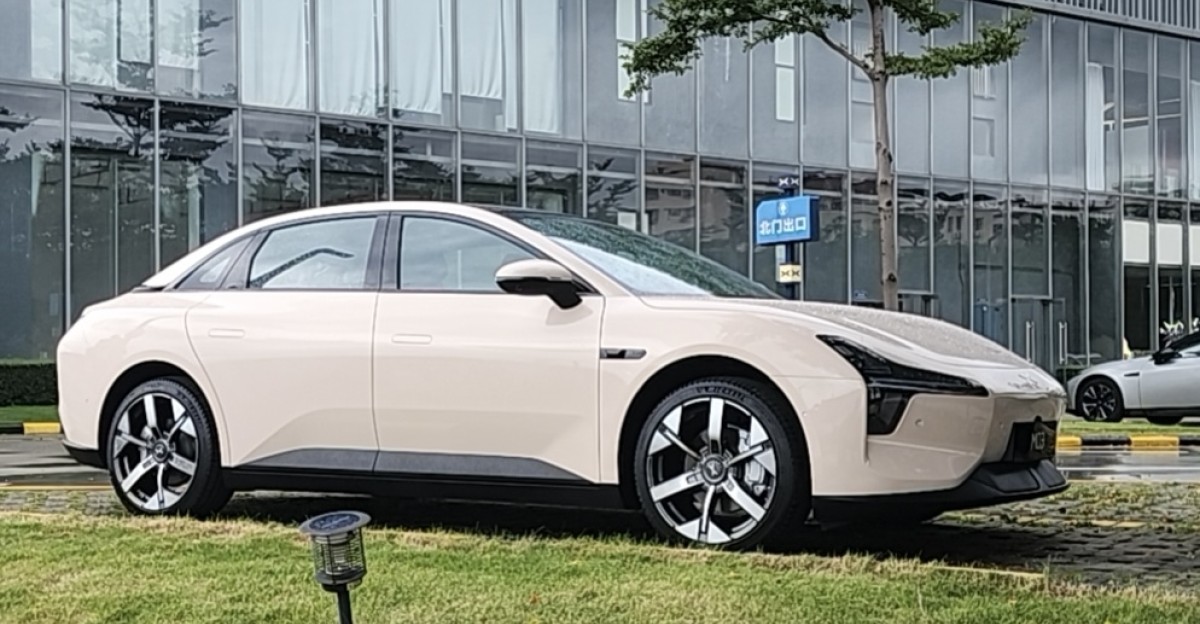
Xpeng reported the steepest decline among major players, with January-February deliveries falling roughly 44% to 35,267 units. Li Auto’s sales decreased nearly 4% to 54,089 vehicles. This divergence shows how market pressures affect companies differently based on product mix and brand positioning amid overall demand softening.
Policy Shift Creates Demand Vacuum Impacting BYD
The reinstatement of a 5% purchase tax on new energy vehicles at end-2025 created a “demand vacuum” as consumers pulled forward purchases. Regulators reduced incentives to foster automaker self-reliance, a shift that disproportionately affected BYD’s early 2026 performance.
Experts Confirm Narrowing Competitive Gap
Leon Cheng, head of mobility practice at YCP, stated: “BYD’s lead is real but narrowing… A full reversal is unlikely near-term, but domestic share compression is the direction of travel.” He noted BYD’s overseas success provides a buffer domestic rivals cannot match, citing the company’s 2025 export milestone exceeding 1 million units for the first time.
Differentiation Challenges Intensify Across Industry
Abby Tu, principal research analyst at S&P Global Mobility, observed: “I think it’s totally becoming more challenging for companies to differentiate [themselves].” She noted automakers are carving luxury niches to escape direct comparison with BYD’s volume models, while others use creative financing to offset purchasing costs amid the tax environment.
BYD Counters with Global Expansion and Tech Focus
Facing domestic headwinds, BYD is doubling down on international expansion while capitalizing on recent product launches. Industry watchers are focused on the recently launched “Blade Battery 2.0” (March 5, 2026) and second-generation flash charging as key competitive differentiators. Cheng noted last year’s free “God’s Eye” ADAS rollout “catalyzed a demand inflection without triggering a price war,” a tactic expected to repeat with battery innovations.
Financing Innovations Emerge to Counter Tax Impact
Tu pointed to Tesla’s five-year 0% interest loans in China and Xiaomi’s similar seven-year low-interest deals as examples of how brands offset purchasing costs. These creative financing schemes aim to spur consumer demand despite the 5% NEV tax, reflecting industry-wide efforts to maintain appeal as price sensitivity grows post-incentive withdrawal.
Market Maturation Sets Stage for Evolved Competition
As China’s EV market transitions toward normalization, BYD’s export strength provides resilience against domestic volatility. Competitors’ varied performances indicate successful niche strategies. With BYD committing to new battery technology and rivals maintaining growth, the landscape evolves from dominance toward differentiated competition where technological execution determines long-term leadership in the world’s most dynamic EV arena.
Sources
“BYD February Vehicle Sales Plunge 41% on Waning Domestic Demand.” Reuters, 2026.
“BYD February Sales Fall 41%, But Exports Remain a Bright Spot.” Electric Cars Report, 2026.
“BYD Sales Plunge in First Two Months of 2026 as EV Giant Loses More Ground at Home.” CNBC / MSN, 2026.
“BYD Feb NEV Sales Plummet 41% Domestically, Hit by Chinese Holidays.” CarNewsChina, 2026.
“China Ends Full EV Tax Exemption in 2026, Dealerships Report Year-End Sales Rush.” CarNewsChina, 2025.
“BYD On Track to Export One Million Vehicles in 2025.” CarNewsChina, 2025.