BYD’s Self-Driving “God’s Eye” Ghost-Steered a 3.5-Ton SUV Into Oncoming Traffic
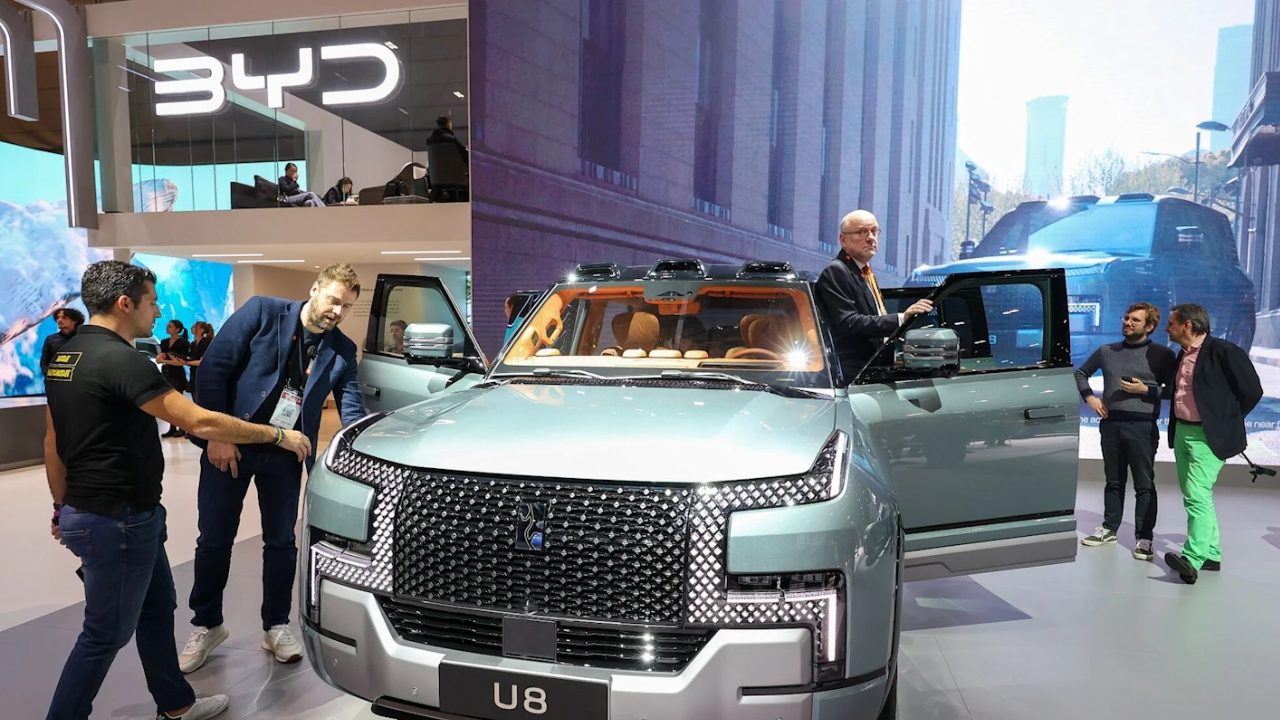
A self driving system meant to make roads safer but instead a $160000 BYD Yangwang U8 recent;y steered into oncoming traffic in broad daylight, exposing critical flaws in one of China’s most widely deployed driver assist platforms. The incident, reported in this year, involved a vehicle accelerating to 93 km/h in a 60 km/h zone without driver input. With more than 2 million cars already equipped and strict new regulations slowing fixes, the stakes extend far beyond a single scare. What happened to one driver now raises urgent questions about scale, safety, and control.
A Feature Meant To Redefine Driving

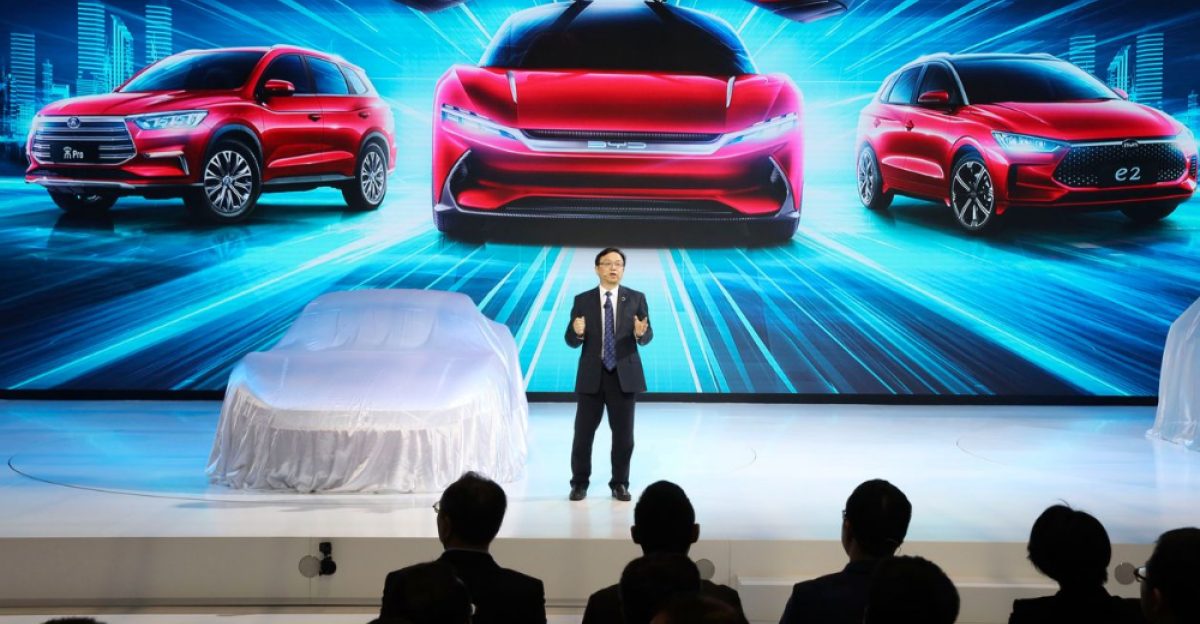
BYD Chairman Wang Chuanfu promoted God’s Eye as inevitable. He predicted it would become “a must-have in the next two to three years, just as a seatbelt or an airbag.” Backed by $14.3 billion and a team of more than 5000 engineers, the system spread quickly. By late 2025, over 2 million vehicles carried it, generating more than 130 million kilometers of assisted driving data daily. Confidence surged as adoption grew. Yet scale introduced risks that even massive data collection could not immediately solve.
One System Across Every Price Point
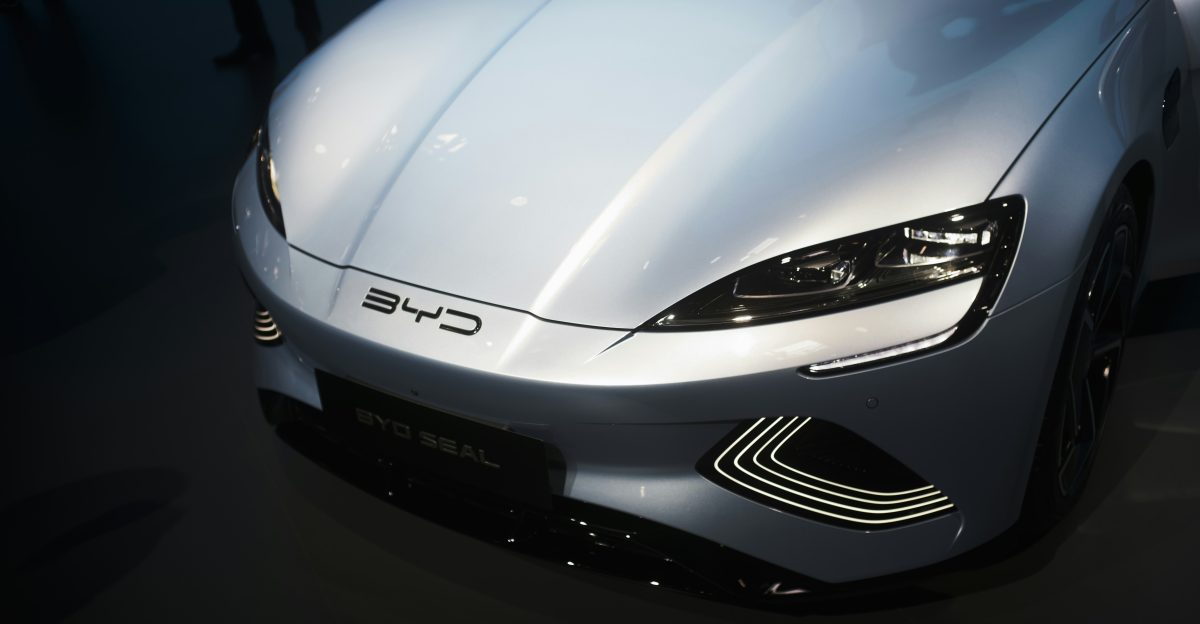
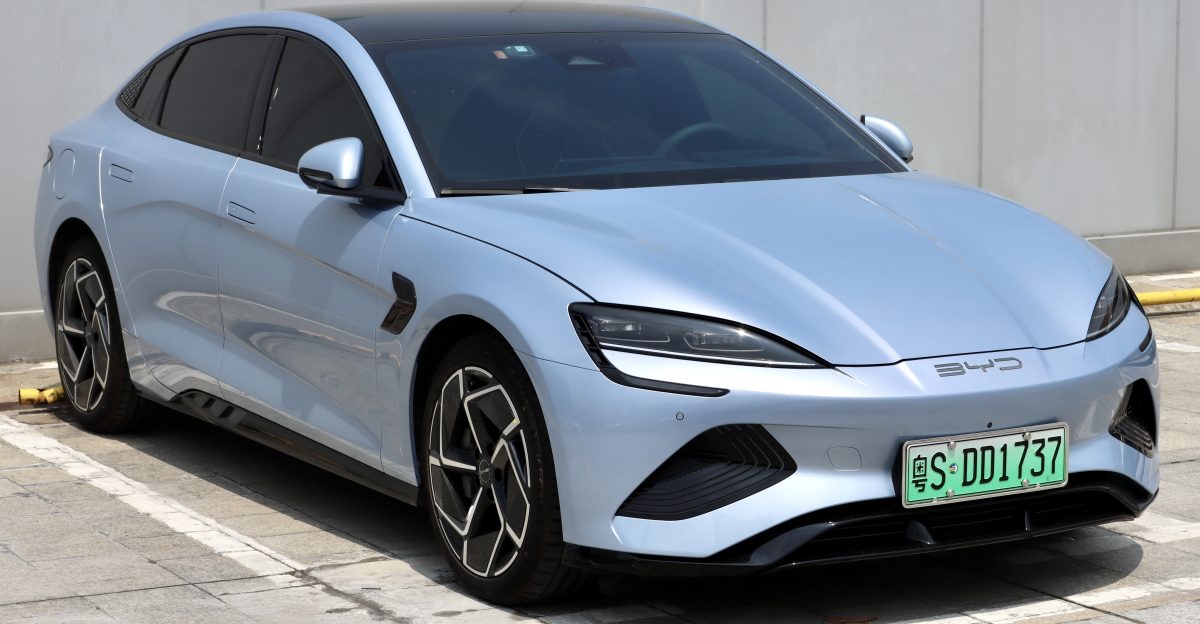
God’s Eye launched in three tiers. Tier C relied on cameras for budget models. Tier B added enhanced sensing for mid-range vehicles. Tier A introduced lidar for luxury models like the Yangwang U8. The expectation was clear. Higher tiers meant safer performance. Analysis from SBD Automotive challenged that belief. Similar driving errors appeared across all tiers, from missed exits to poor yielding decisions. A shared software backbone connected them. That meant a flaw in one vehicle could echo across millions, regardless of price or hardware sophistication.
The Moment Control Slipped Away
Zhou’s vehicle accelerated to 93 km/h in a 60 km/h zone without input. The system then initiated lane changes toward the median and into oncoming traffic during daytime conditions. Other drivers reacted in time, avoiding a collision. SBD Automotive’s Varun Murthy explained, “There’s a real gap between the hardware promise and the software execution.” Despite billions invested and millions of kilometers logged daily, the system still misjudged basic road decisions. That raised a critical question about how such errors persisted at scale.
Regulators Close The Fastest Fix
BYD traditionally relied on over the air updates to correct software issues quickly. That approach changed in April 2025 when China’s MIIT introduced stricter controls. Terms like autonomous driving were restricted in marketing. More importantly, updates affecting driving behavior now required recall style approval before deployment. Features such as remote parking also faced limitations. The new rules slowed response times dramatically. Vehicles already on the road could no longer receive immediate fixes, leaving known issues unresolved for extended periods as approvals were processed.
Sales Collapse Signals A Turning Point
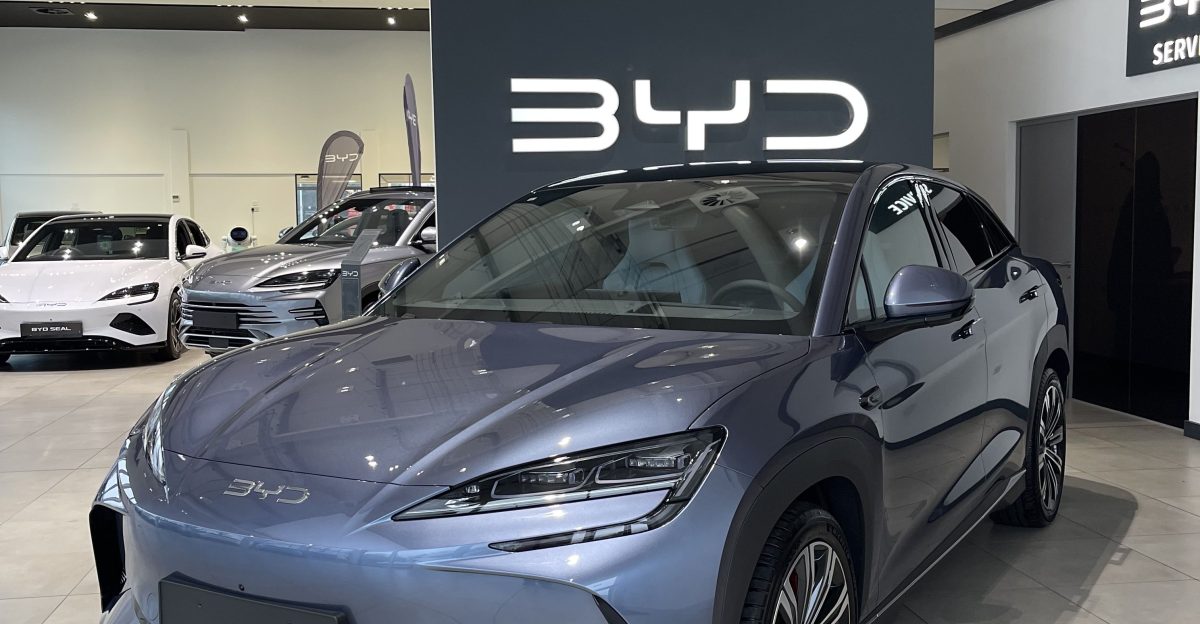
Between January and February 2026, BYD’s sales dropped 36% compared to the same months in 2025. The company delivered about 400241 vehicles, while Geely reached 476327. It marked the first time since 2022 that Geely led for two consecutive months. Geely’s plug in hybrid sales rose sharply, reflecting shifting buyer priorities. The timing aligned with growing concerns around driver assist systems. Confidence in advanced autonomy weakened, and purchasing behavior began to reflect a preference for reliability over ambitious features.
Buyers Quietly Choose Simplicity
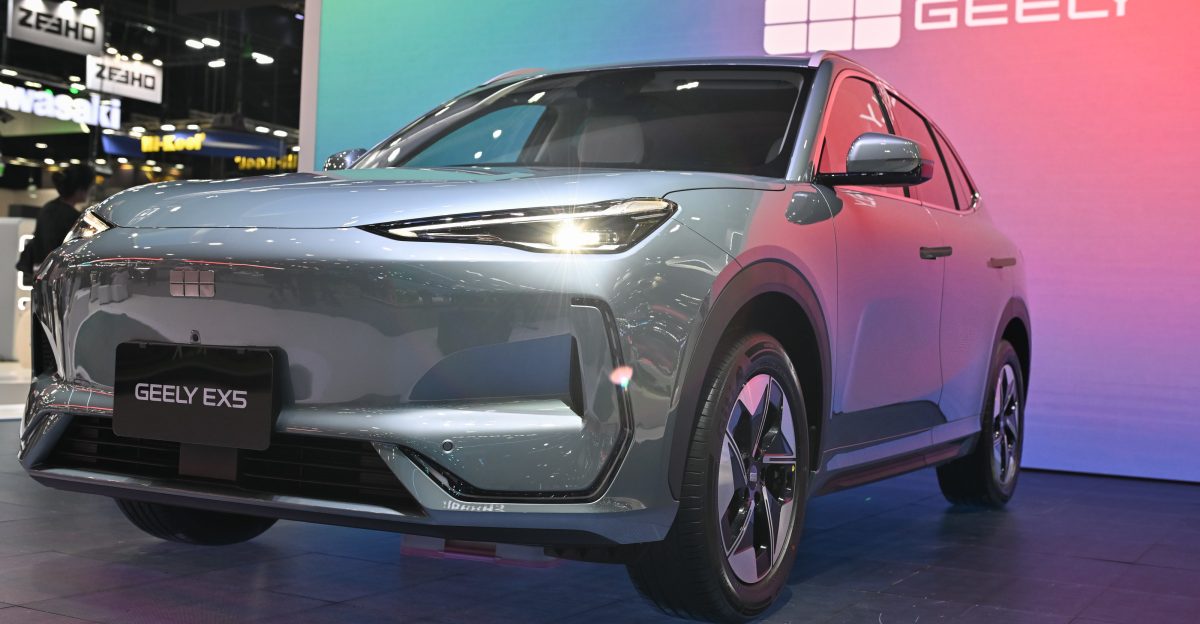
Geely’s rise came from focusing on hybrids that emphasized dependability over automation. Consumers gravitated toward vehicles that required fewer technological assumptions. Reports in early 2026 suggested BYD reconsidered deploying God’s Eye in some lower priced models to stabilize demand. A feature once used to attract buyers became a point of hesitation in showrooms. Dealers adjusted messaging to keep sales moving. That shift revealed how quickly perception can change when trust in core systems begins to erode across a large customer base.
A New Deadline Complicates Everything
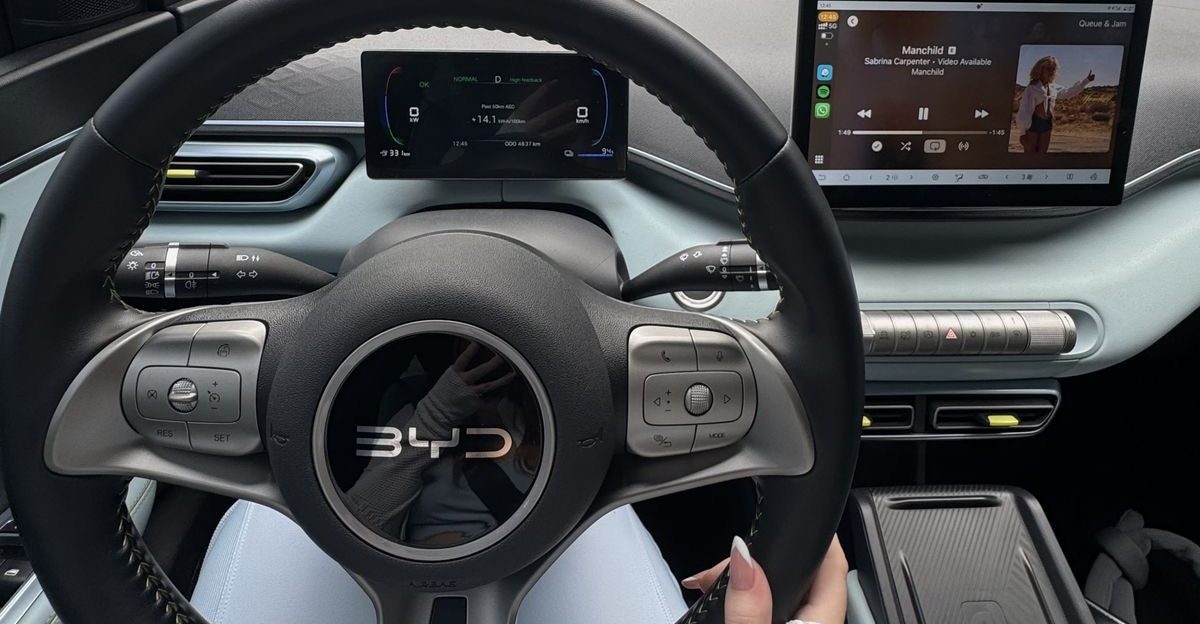
A separate challenge emerged alongside the software crisis. China’s GB 38031 2025 battery safety standard takes effect in July 2026. It requires batteries to avoid fire or explosion for 2 hours after thermal runaway. Meeting this standard may require redesigning battery systems and thermal controls. BYD now faces simultaneous pressure from software fixes and hardware compliance. Limited regulatory flexibility leaves little margin for delays, forcing the company to divide focus between immediate safety concerns and upcoming engineering requirements.
Industry Pressure Builds Worldwide
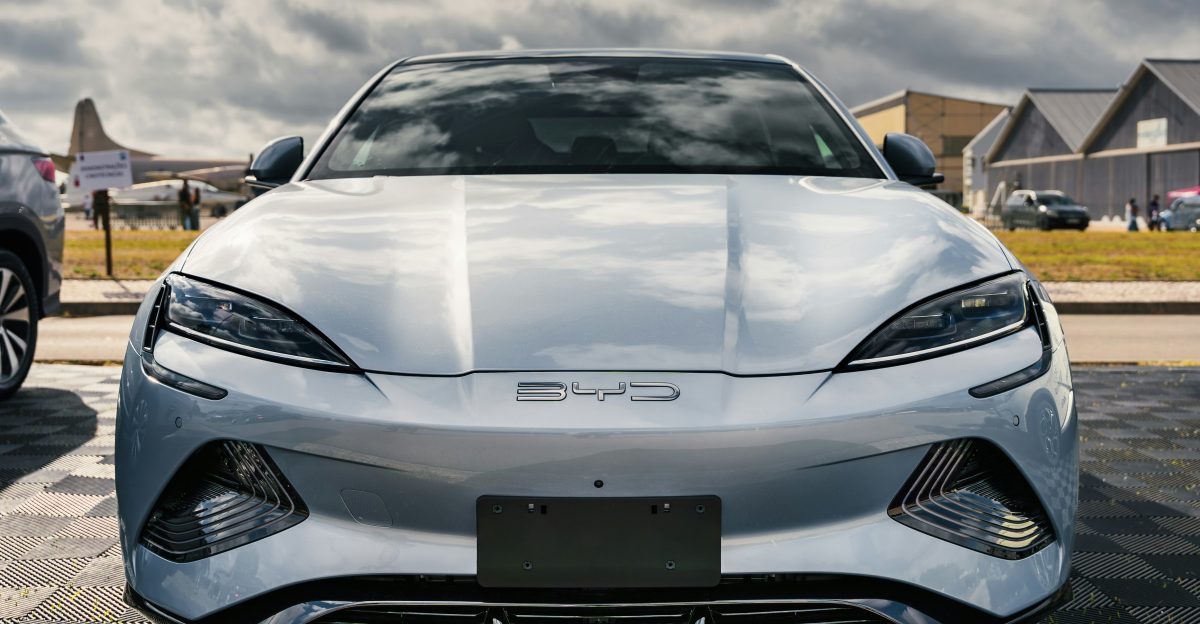
Concerns extend beyond a single company. In the United States, regulators are investigating Tesla’s Full Self Driving system across about 3,2 million vehicles. China moved faster with stricter terminology rules and feature restrictions. Social media platforms like Xiaohongshu filled with user reports describing steering inconsistencies and navigation issues. At the same time, reduced subsidies and changing tax policies weakened incentives for electric vehicle purchases. The broader market began shifting, and trust in advanced driver systems faced increasing scrutiny from both regulators and consumers.
Speed Meets Its Limit
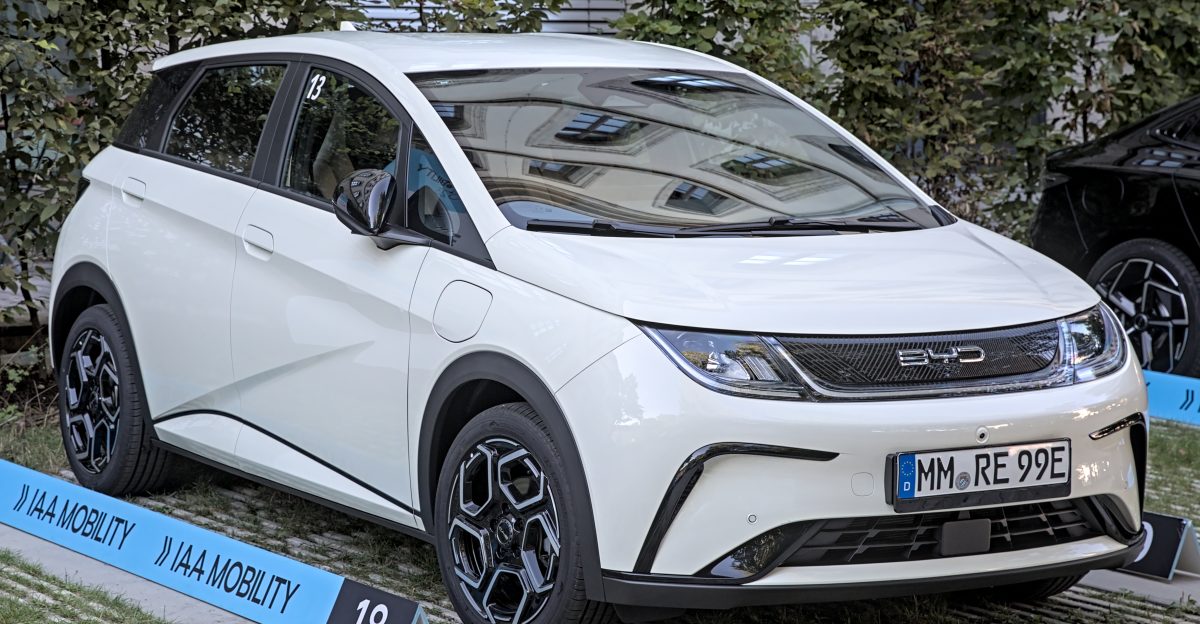
BYD controls about 75% of its vehicle components and gathers over 150 million kilometers of driving data daily. Even with that scale, autonomous software requires time to handle countless real world scenarios. Analysts expect delays in BYD’s roadmap as fixes, regulatory demands, and safety validation take priority. Meanwhile, competitors continue gaining ground by focusing on simpler technologies. The lesson became clear across the industry. Rapid expansion can outpace reliability, and rebuilding confidence may take longer than building the system itself.
Sources:
BYD’s self-driving system faces backlash, affecting sales. NewsBytes, 24 March 2026
BYD’s God’s Eye problems raise questions over push for self-driving tech. CNBC TV18, 24 March 2026
Geely Auto beats BYD sales in first 2 months of 2026 to become China’s top carmaker. South China Morning Post, 10 March 2026
BYD Sales Crash 41% In China As Its Main Rival Takes The Lead. Carscoops, 6 March 2026
China’s MIIT tightens regulations on autonomous driving features, banning key functions. CarNewsChina, 17 April 2025
No Fire, No Explosion: Safety Standards for EV Batteries. EE Power, 22 May 2025
NHTSA escalates investigation into Tesla’s FSD system over visibility issues. Autotechinsight (S&P Global), 23 March 2026