Buyers Are Walking Away From These 5 Brands Over Subscription Fees
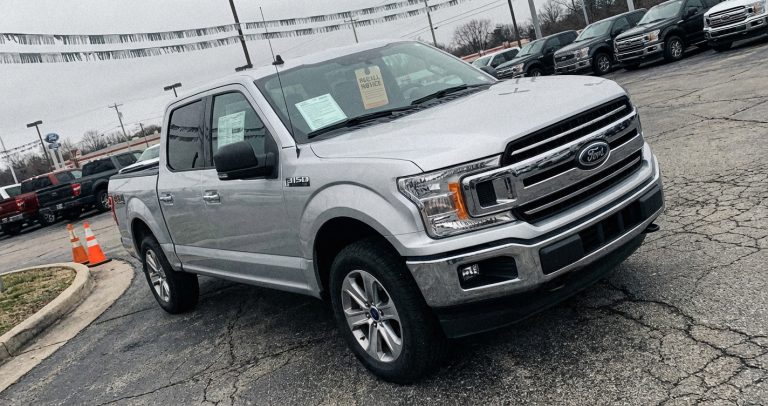
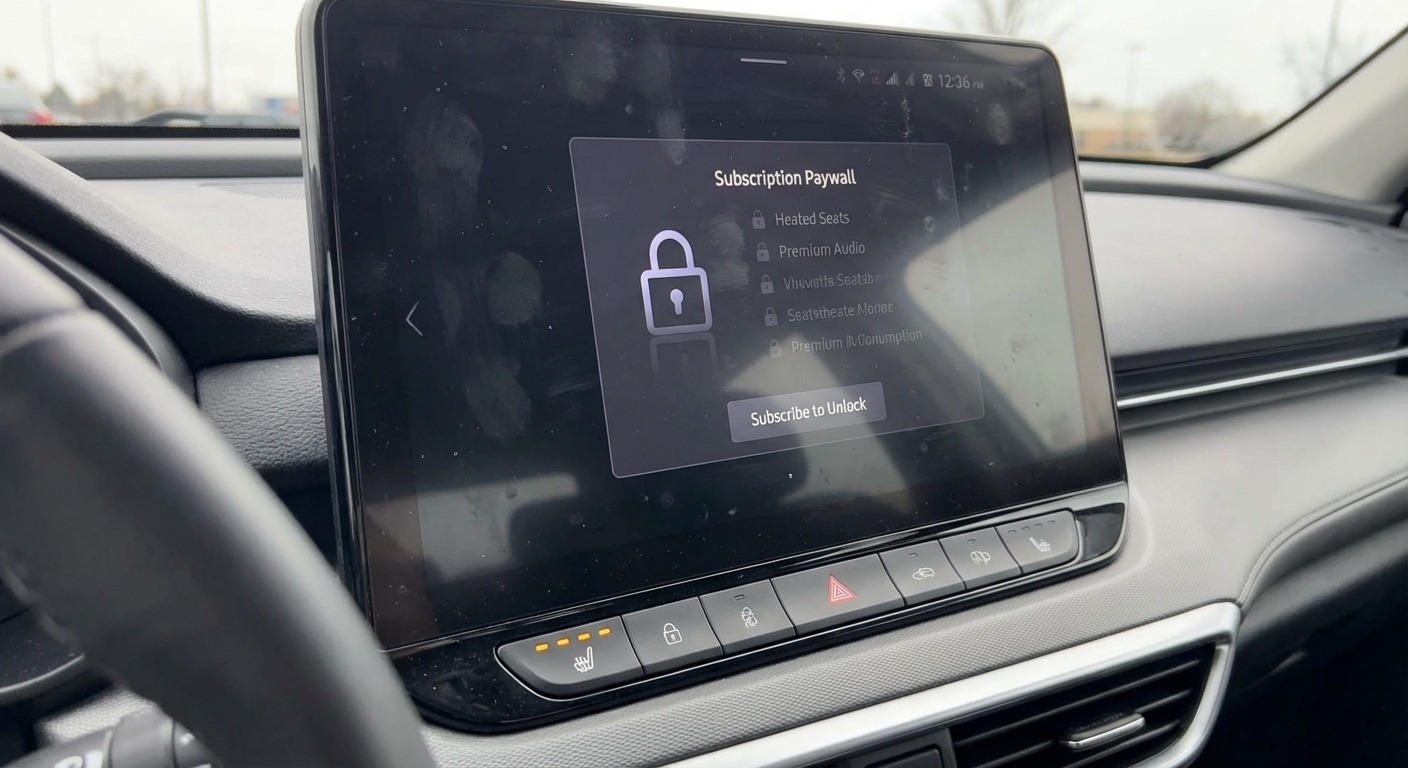
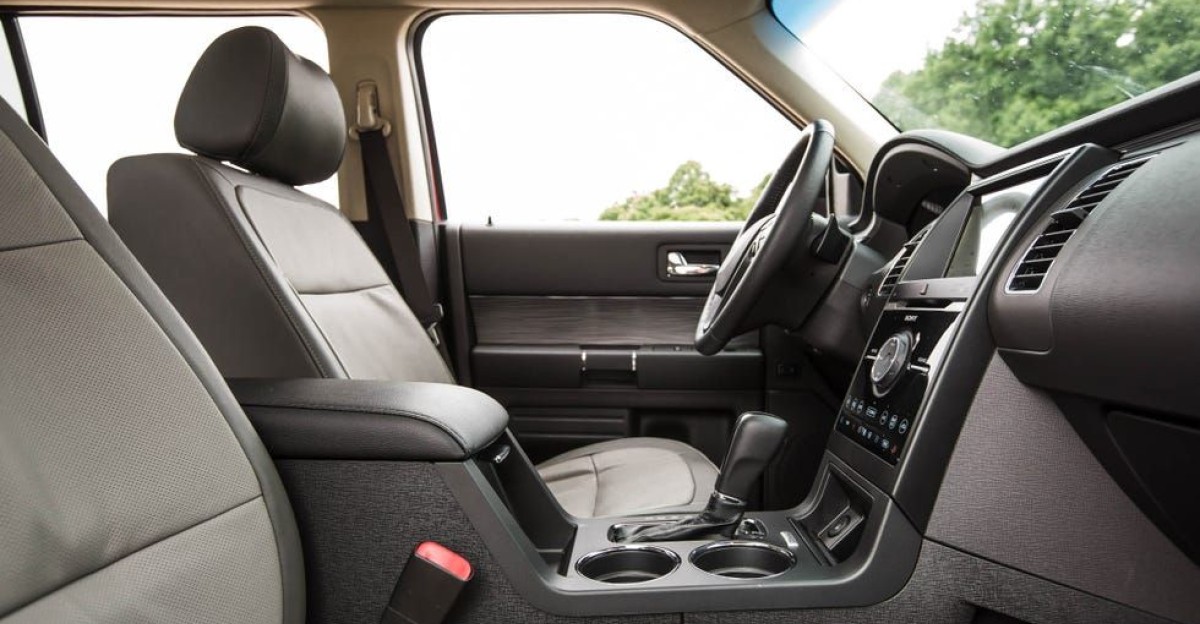
Picture this: a used car lot, a sharp-looking SUV, every option box checked on the window sticker. Heated seats, remote start, advanced driver assist. The buyer signs. Drives home. Turns on the seat heater for the first time on a cold morning. Nothing. The button works. The hardware is there. The wiring runs right under the leather. But somewhere between the previous owner’s account expiring and the new title printing, the feature just stopped existing.
Five brands at the center of the mess

Five brands are at the center of this mess: Tesla, GM, Toyota, Volvo, and BMW. Each sells connected services and feature access through time-limited trials that convert to paid subscriptions. Tesla offers Full Self-Driving as a subscription rather than a permanent purchase. GM gates OnStar and connected services behind monthly billing. Toyota and Volvo tie remote features to active accounts. BMW, after dropping its controversial hardware subscription for installed heated seats in 2023, continues to charge for software-driven features including driver-assistance and parking assistance packages. The sticker price gets you the metal. The monthly bill gets you the car you thought you already bought.
When fully loaded used to mean forever

For decades, “fully loaded” meant something permanent. Leather seats didn’t expire. Sunroofs didn’t need a renewal. Options were bolted in, and they followed the title. That assumption still lives in the heads of most used-car shoppers. Consumer Reports warns that feature subscriptions create confusion about what a buyer truly “owns,” especially when vehicles change hands. The old rule was simple: if it’s installed, it’s yours. That rule is dead, and most buyers haven’t gotten the memo yet.
Owning the car but renting the features

The hardware sits inside the dashboard. The heated element threads through the seat cushion. The sensor suite bolts behind the grille. All of it, physically present. All of it, software-locked. Automakers gate features through OEM accounts, trial periods, and auto-renew billing that turns options into revocable licenses. You own the car. You rent the features. And at resale, the new buyer inherits the hardware but not the access. That’s the subscription model eating the used-car market from the inside.
When the server is really in charge
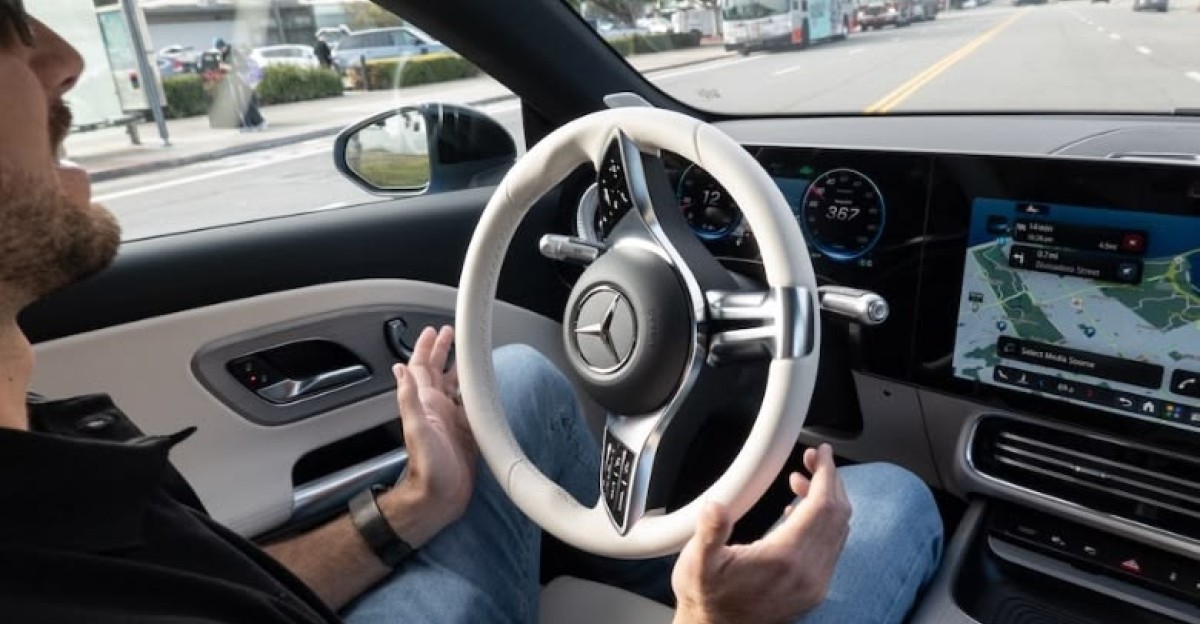
Connected services centralize control with OEM servers, not the vehicle owner. That means the automaker can enable or disable functionality remotely based on account status. Mercedes-Benz markets its Drive Pilot system with defined operational constraints on where and when it works — limited to approved highways, below 40 mph, in specific conditions. That architecture illustrates the broader dynamic: the car becomes a platform that answers to the manufacturer’s technical and billing systems first, the title holder second.
The surprise bill that shows up later

The real sting arrives after the handshake. Trials that came active at original purchase quietly expire. Consumer Reports flags the pattern: a feature works during the test drive, works the first week, then shuts off and demands a credit card. If a subscription runs roughly $15 a month, over five years that’s approximately $900 on top of the sticker for one feature. Multiply across heated seats, remote start, and driver-assist packages, and the “used deal” carries a second price tag nobody quoted at signing.
How subscriptions can wreck resale
Subscription friction does exactly what you’d expect to demand: it suppresses it. When buyers realize the hardware is there but access expires, many simply move on to a model where the option is truly included. That pressure falls hardest on used-car buyers with tight budgets and small dealers handling post-sale complaints they never saw coming. Resale pricing could split: “subscription-free” trims commanding premiums while paywalled models sit on lots, depreciating by the month.
A new kind of depreciation curve

BMW’s heated-seats subscription became the flashpoint everyone remembers, but the lesson is bigger than one brand’s backlash. The FTC published a rule in January 2024 aimed at banning auto retail “junk fees” with clearer total-price disclosures — though the Fifth Circuit vacated it before it could take effect, in January 2025. That regulatory pressure signals a direction: if a feature requires recurring payment, the buyer deserves to know before signing. This isn’t an exception anymore. Expiring software entitlements are becoming the new depreciation curve, right alongside mileage and wear.
What happens when subscription tricks hit cars
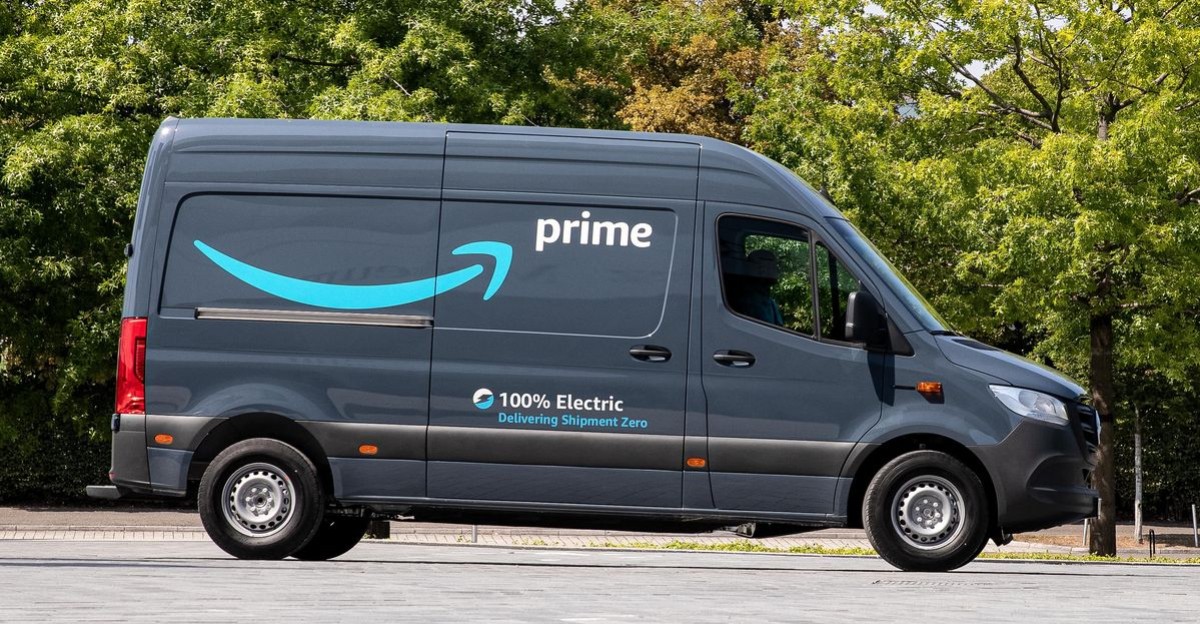
The FTC sued Amazon in June 2023 alleging consumers were tricked into auto-renewing subscriptions and faced hurdles canceling. If similar enrollment and cancellation friction migrates into automotive billing, the consumer harm multiplies. OEMs are already expanding subscription catalogs to stabilize recurring revenue. The likely counter-move: bundling subscriptions into financing or lease payments to bury the monthly pain. That doesn’t fix the transparency problem. It just hides it deeper inside the paperwork.
How buyers can get their edge back
The used-car market is quietly becoming a secondary market for subscriptions, and most shoppers haven’t figured that out yet. Competitors who offer lifetime feature ownership could carve out a real advantage. Buyers who demand proof of feature transferability before signing hold the leverage. That’s the status upgrade here: knowing that “fully loaded” now requires a follow-up question. The person who asks “what expires?” before handing over a check is the only one who won’t get blindsided three months later.
Sources:
“Subscribe to Get Certain Features on Your Next Car.” Consumer Reports, 14 Dec 2021.
“FTC Announces CARS Rule to Fight Scams in Vehicle Shopping.” Federal Trade Commission, 11 Dec 2023.
“BMW Drops Controversial Heated Seats Subscription Service.” Forbes, 7 Sep 2023.
“FTC Takes Action Against Amazon for Enrolling Consumers in Amazon Prime Without Consent.” Federal Trade Commission, 20 June 2023.