Buc-ee’s Sells Gas at a Loss to Fill Its 75,000 sq ft Stores, but Strategy Backfires
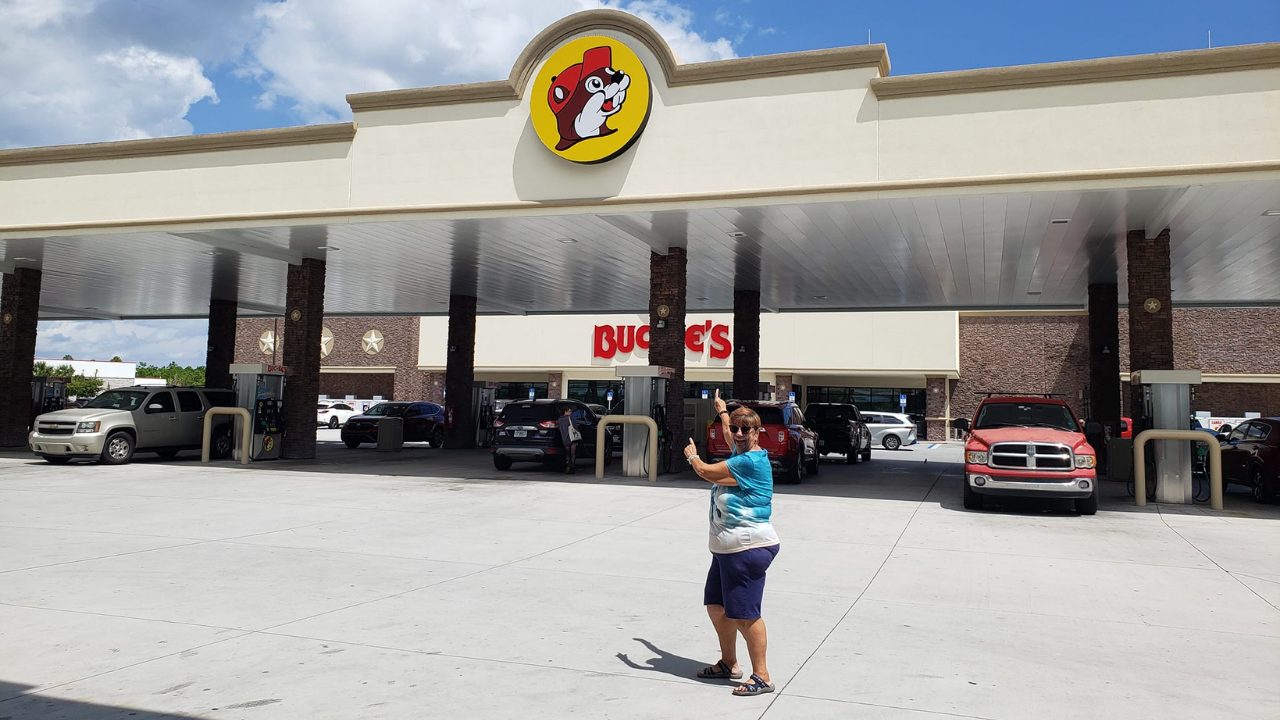
Buc-ee’s built a national following by turning cheap gas into a gateway for massive retail profits, but that same strategy is now exposing cracks in its reputation. Across 54 locations in 11 states, the company draws drivers with low fuel prices, then converts them into shoppers inside stores as large as 75,000 square feet. In late 2025, Buc-ee’s earned a 98 out of 100 customer experience score. By 2026, it held an F rating from the Better Business Bureau after nearly 90 unanswered complaints. The contrast reveals how a carefully engineered model can succeed at scale while quietly breaking elsewhere.
The Parking Strategy Hiding in Plain Sight
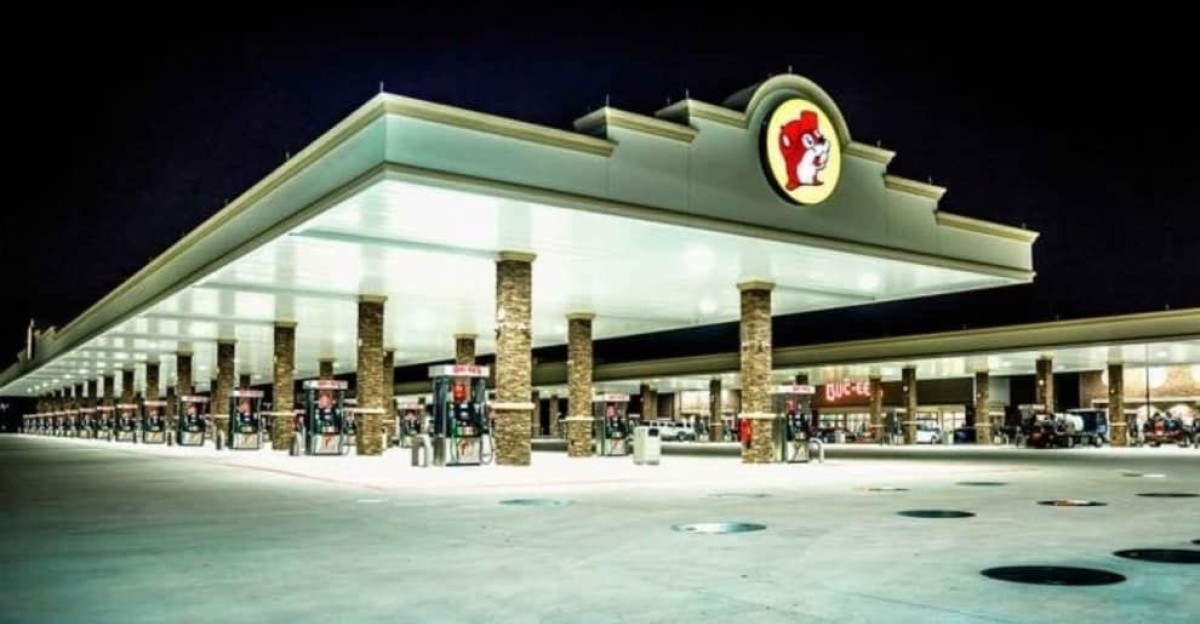
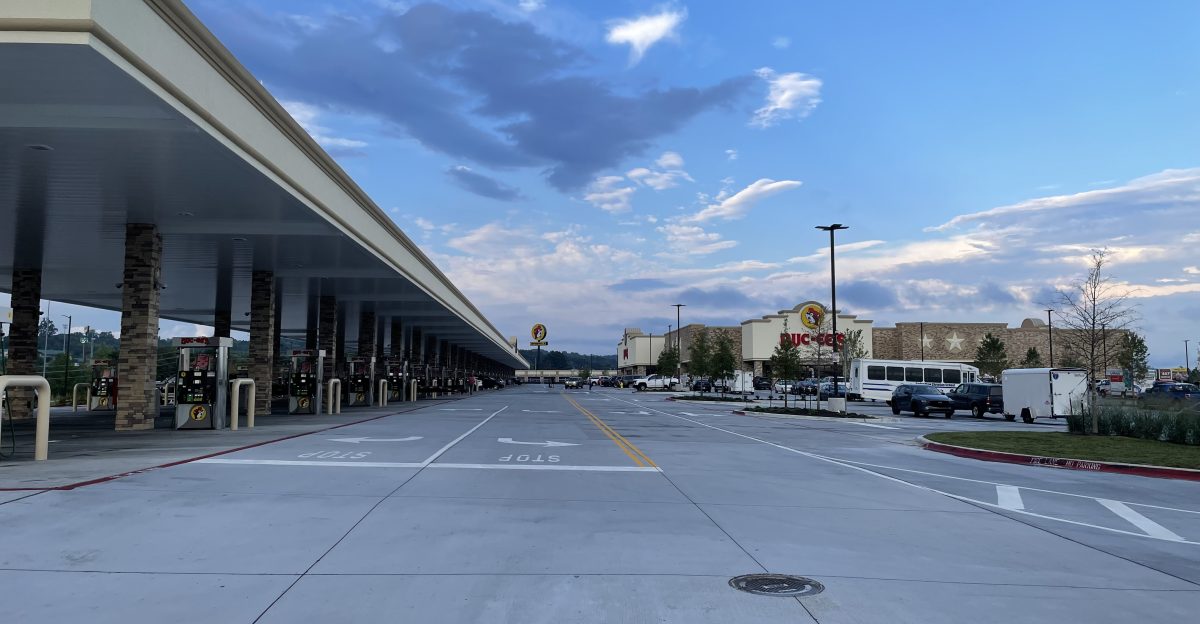
Most gas stations aim for a four minute turnover per vehicle. Buc-ee’s flips that logic entirely. With an estimated parking to pump ratio near 8:1, compared to the industry average of 1:1, the company expects cars to remain long after fueling ends. Stores operate 24 hours a day, 365 days a year, yet overnight parking is banned. The goal is clear: keep drivers moving inside the store, not resting outside. Time spent parked becomes part of the business model, and that time starts shaping where profits really come from.
Why Cheap Gas Is Only the Beginning
Many assume Buc-ee’s makes its money at the pump. In reality, fuel margins across the United States average just 1% to 2% net profit. Buc-ee’s leans into that limitation. About two thirds of its gross revenue comes from inside the store, not from gasoline. Jerky counters, fresh brisket, fudge stations, and branded merchandise drive higher margins. Lower fuel prices attract drivers, but the real earnings begin once customers step through the doors. That shift reframes what Buc-ee’s actually sells, and it sets up a deeper contradiction ahead.
A Promise That Built the Brand
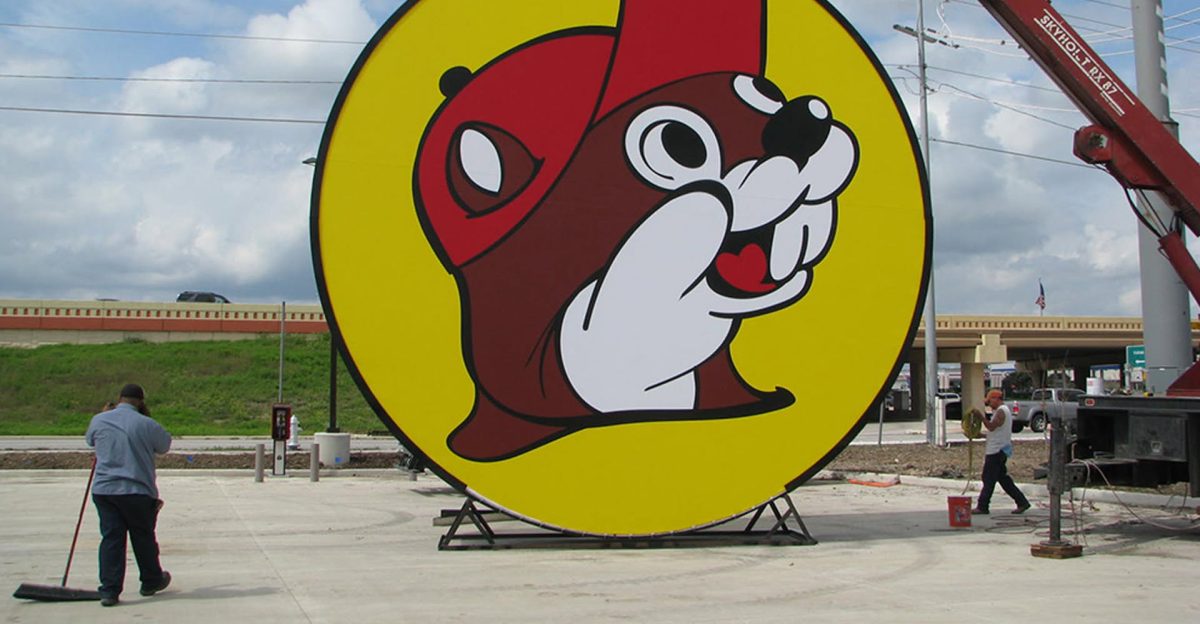
Founder Arch “Beaver” Aplin III built the brand on a simple mantra: exceed customer expectations. That philosophy carried the company for decades. In late 2025, Buc-ee’s earned America’s No. 1 quick service restaurant ranking from Dunnhumby’s Retailer Preference Index, outperforming In-N-Out and Chick-fil-A with one of the highest overall scores in the study. Clean restrooms, fast service, and consistent quality became its calling card. The brand appeared nearly untouchable at that moment, yet events in early 2026 began telling a different story.
When an F Rating Changed the Narrative
Then this year, the Better Business Bureau assigned Buc-ee’s an F rating. The reason was straightforward. The company failed to respond to 88 customer complaints filed through the BBB process. Eighty-eight people wrote in. Buc-ee’s did not answer a single one through that channel. The same company celebrated for spotless facilities and friendly service failed to acknowledge written concerns. That gap exposed a new reality. Customer experience inside the store and customer service after the visit were operating on separate tracks.
How Layout Turns Browsing Into Spending
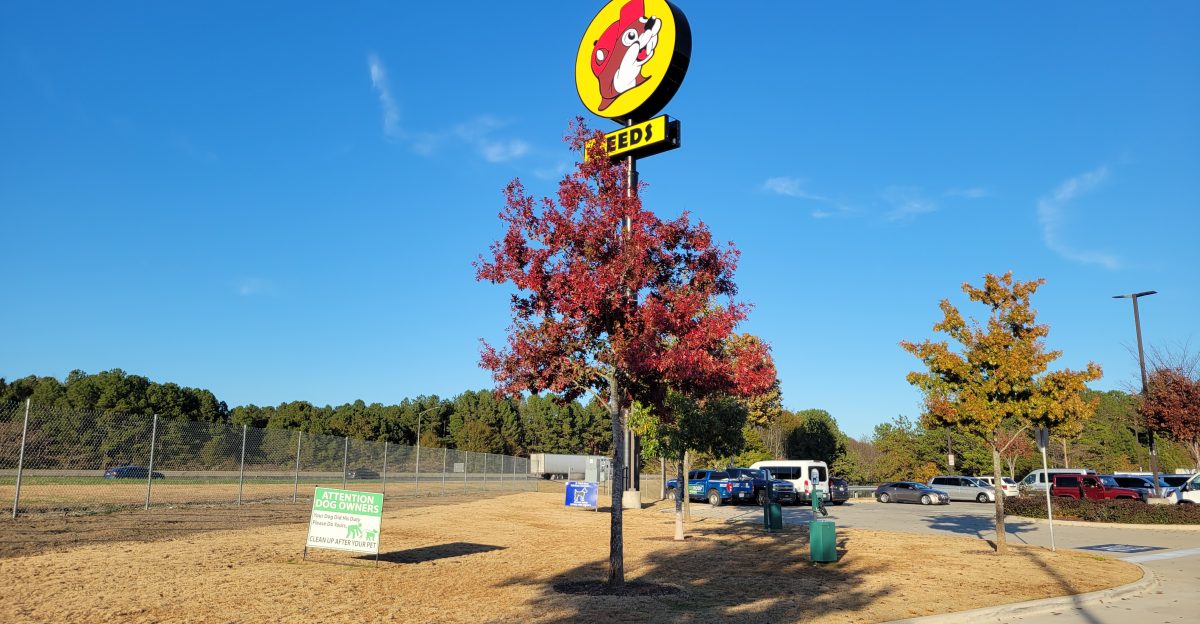
Every Buc-ee’s store follows a deliberate layout. Snacks appear near the entrance, groceries fill the middle, and apparel sits deeper inside. This arrangement guides customers through the entire space, increasing exposure to higher margin items. Founder Aplin oversees production through vertical integration, controlling many of the products sold on shelves. One fiscal analysis for a proposed Colorado site estimated $31.8 million in first year non fuel retail sales. That level of output depends on one factor above all others. Customers must stay longer than they planned.
A Top Ranking With a Hidden Weak Spot
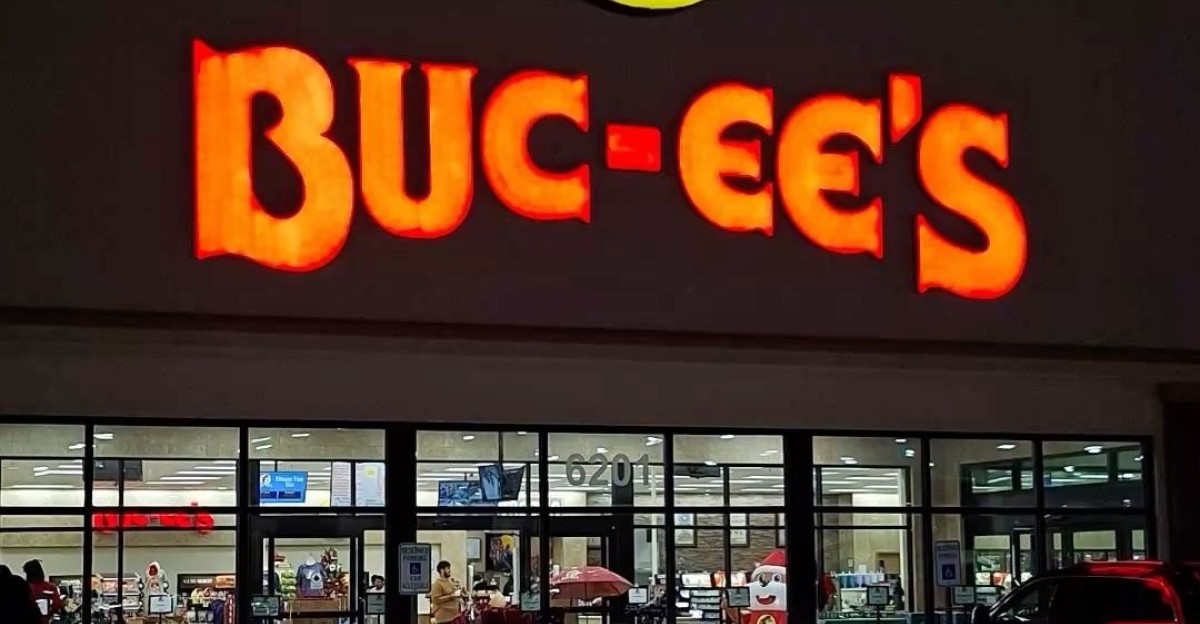
The gulf between Buc-ee’s top Dunnhumby ranking and its BBB F rating is one of the starkest contradictions in American retail. That top Dunnhumby score reflects what happens during a visit: clean facilities, fast food service, and a distinctive in store experience. The failing grade reflects what happens afterward: unresolved issues and unanswered communication. These measurements track different parts of the customer journey. Buc-ee’s excels in one and struggles in the other, raising questions about how those priorities hold up as expansion continues.
The Economic Boost Comes With Tradeoffs
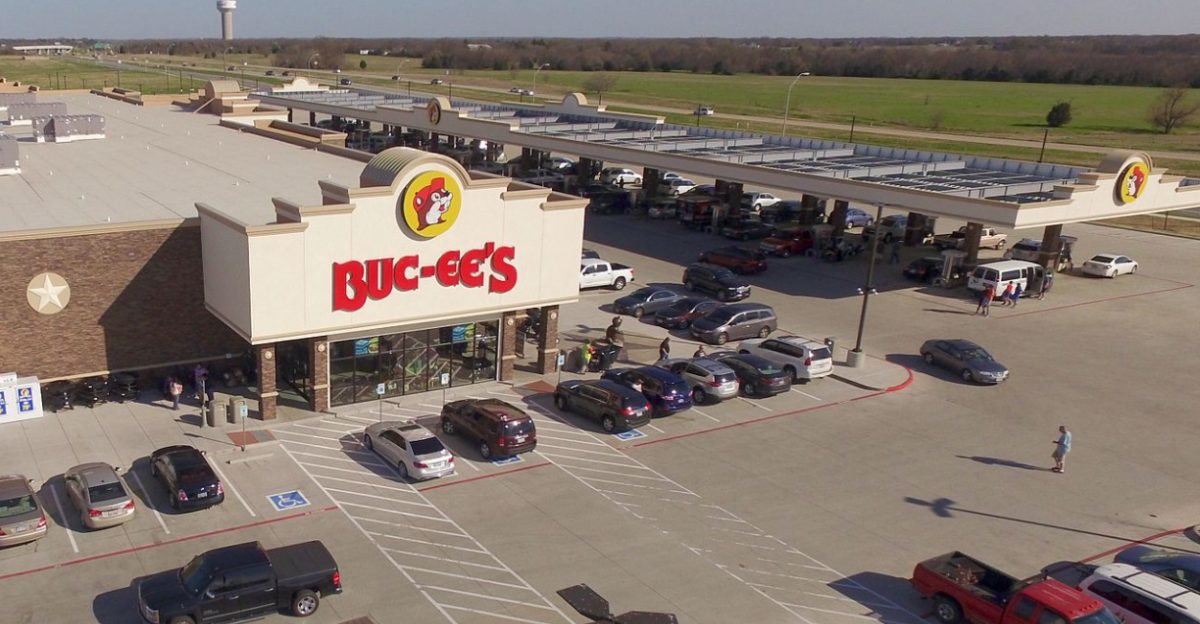
One fiscal analysis for a proposed Colorado site projected a 30.7% increase in municipal sales tax revenue in its first full year and more than 170 full time jobs. Those numbers attract strong support from local governments. Yet the scale brings added pressure. Large sites require expanded roads, increased utilities, and constant emergency service readiness for a business that never closes. Traditional truck stops such as Love’s and Pilot face growing pressure to adapt. Buc-ee’s also bans 18 wheelers from its pumps, shaping competition along major highways.
A Growth Strategy Years in the Making
Buc-ee’s stayed inside Texas for more than three decades after its 1982 founding. The first out of state location opened in Alabama in 2019. That long buildup allowed systems to be refined before expansion. The approach mirrors warehouse retailers like Costco. Fuel draws traffic, retail generates profit, and supply chains stay tightly controlled. Instead of building hundreds of locations, the company focuses on fewer, high performing sites. With new projects planned in Florida and Texas, the pace of growth is now accelerating beyond its original footprint.
When Expansion Tests the Entire Model
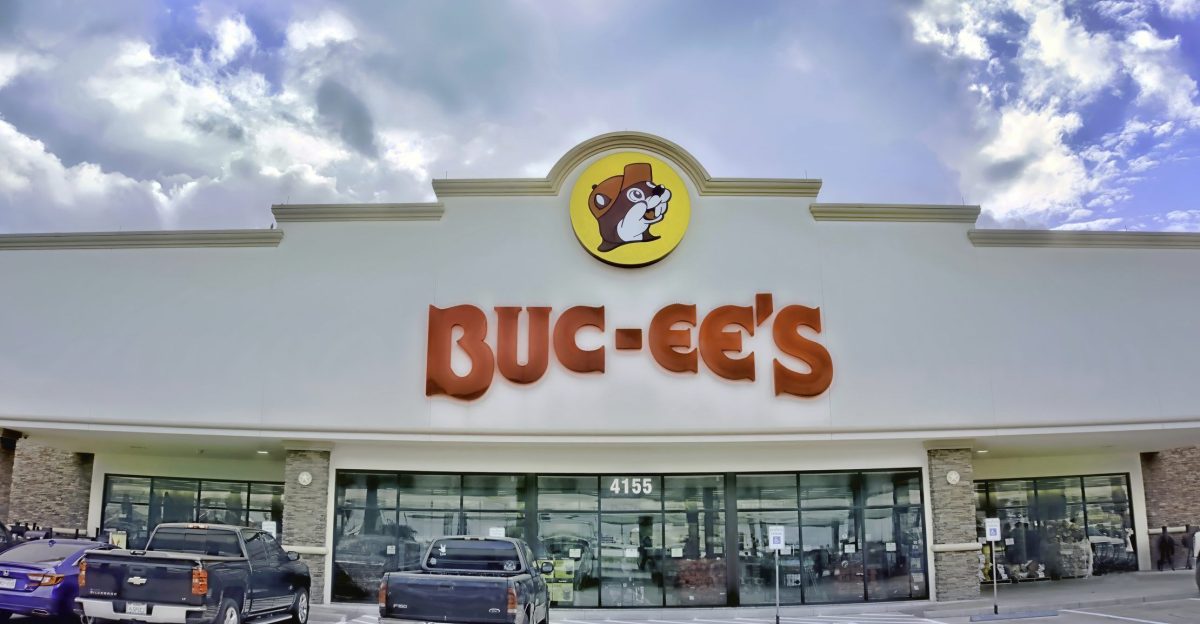
New locations, including a 76,245 square foot site in Fort Pierce, Florida, are moving forward alongside developments in San Marcos and Boerne, Texas. Expansion is happening faster than the systems handling customer complaints. If that gap continues, regulatory attention from state authorities or federal agencies could follow. Buc-ee’s built its reputation over 44 years on exceeding expectations. Now the challenge is maintaining that promise at scale. The outcome will determine whether the strategy that filled its stores can keep the brand intact.
Sources:
Buc-ee’s Ranked America’s Top Quick Service Restaurant (QSR) in the U.S. dunnhumby / PRNewswire, 12 November 2025
Buc-ee’s expanding to 8 new states: See list of locations for 2026–2027. Fast Company, 22 January 2026
Buc-ee’s Plans New Convenience Store in Fort Pierce for 76,245 square feet. Sebastian Daily, 22 January 2026
Buc-ee’s Travel Center Fiscal Impact Analysis, Palmer Lake, Colorado. Economic & Planning Systems / Town of Palmer Lake, 23 April 2025
Buc-ee’s has received an F rating from the Better Business Bureau for failing to respond to nearly 90 customer complaints. FOX 5 DC (social post referencing BBB), 11 March 2026
Are Fuel Retailers Flush or Flat? CSP Daily News, 2024
How do gigantic Buc-ee’s gas stations make sense? r/AskAnAmerican (Reddit discussion of Buc‑ee’s loss‑leader fuel strategy), 13 October 2025