BMW Warns 2026 Profits Will Sink As Tariff Tollbooths Hit Global Supply Chain—Layoffs May Follow
BMW just told investors to expect lower earnings in 2026, with tariffs a key reason alongside other costs and market pressures. The company flagged the decline in its latest guidance for the current year, which tells you the math already looks ugly enough to reset expectations early. Most companies sell optimism until the last possible quarter. BMW chose to warn people instead. That alone should get your attention. But the earnings line is only the surface. The supply chain underneath it is where the real story starts bleeding money.
The Mechanism

Tariffs are import taxes, which is a simple concept. But the way they actually hit a company like BMW is anything but simple. Every cross-border component, every part shipped between plants in different countries, passes through a customs classification system. The U.S. version is the Harmonized Tariff Schedule, published and maintained by the USITC as the reference for tariff codes. One code change on a single part category can alter the cost of thousands of vehicles. BMW operates production facilities across multiple countries, meaning its supply chain crosses tariff lines constantly.
Your Driveway
Here is where it reaches your wallet. Tariff costs can force automakers into three choices: raise sticker prices, cut buyer incentives, or absorb the margin hit internally. Each path hurts somebody differently. Higher prices push buyers toward cheaper brands or used lots. Fewer incentives kill the deals that move metal off lots. Margin absorption guts the earnings BMW just warned about. For a family shopping for a new SUV, the math changes before they ever walk into a dealership. The tariff is already baked into the window sticker.
Factory Chess
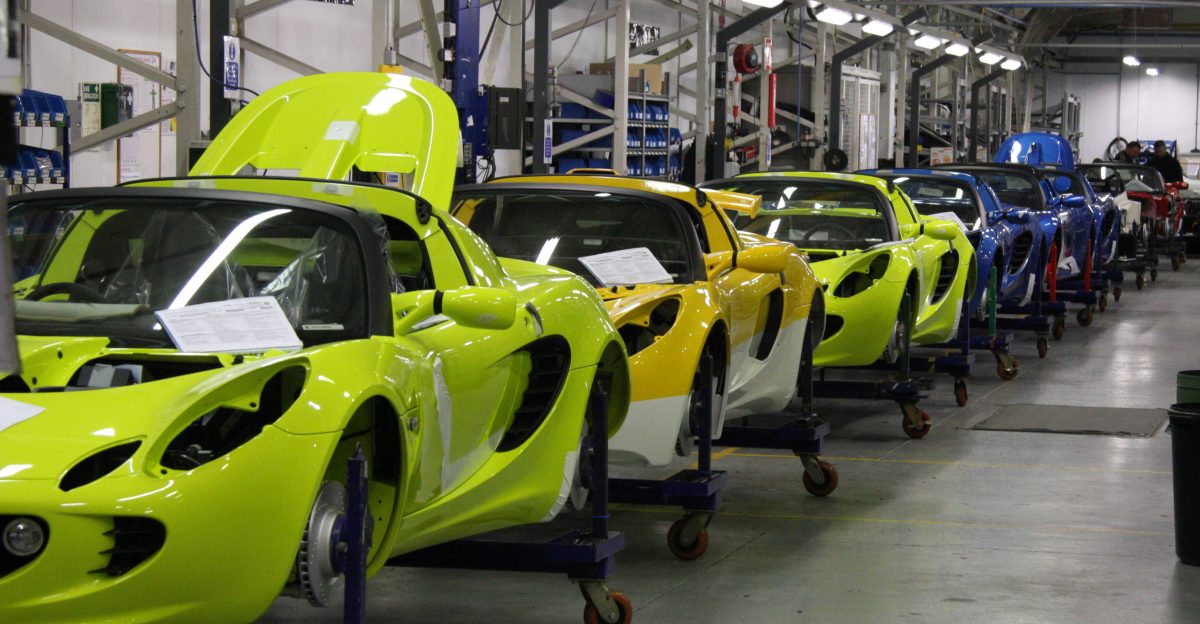
Competitors are watching BMW’s warning and recalculating their own exposure. Automakers with globally distributed production now face a strategic question: keep building where it makes engineering sense, or shift assembly to wherever the tariff math is friendliest. That rerouting costs billions and takes years. BMW’s global footprint, once a competitive advantage for flexibility and scale, becomes a liability when every border crossing carries a surcharge. The same network that enabled growth in good times now multiplies the tax bill in bad times.
The EV Squeeze
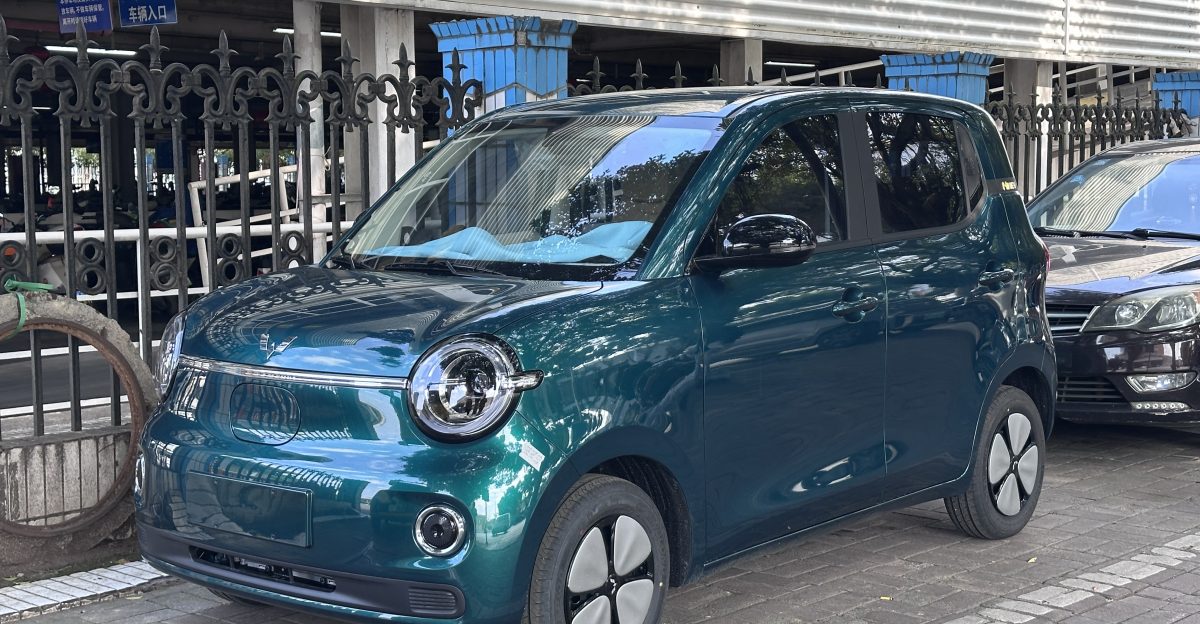
Here is the part nobody expected. The EV market is already under brutal pricing pressure, with competition driving margins thinner across the industry. Now layer tariffs on top. Electric vehicles depend on battery components and raw materials that move across multiple borders before reaching a single assembly line. The IEA and other industry watchers have documented these pricing and competition headwinds as a profitability challenge for automakers globally. Tariffs compounding an existing margin war in EVs is like adding a toll road to a highway that was already gridlocked.
The Hidden System
Tariffs on cars. Tariffs on batteries. Tariffs on parts. They look like separate problems. They are the same machine. Customs classification codes and origin rules determine the effective tax rate on every component in a vehicle. Change the origin, change the rate. Change the code, change the total. BMW’s global footprint creates dozens of these crossing points. The tariff doesn’t care if you are a luxury brand or a budget one. It reads the code, charges the toll. One system. Every ripple traces back to it. Your next car just got a tax.
Margin Tax
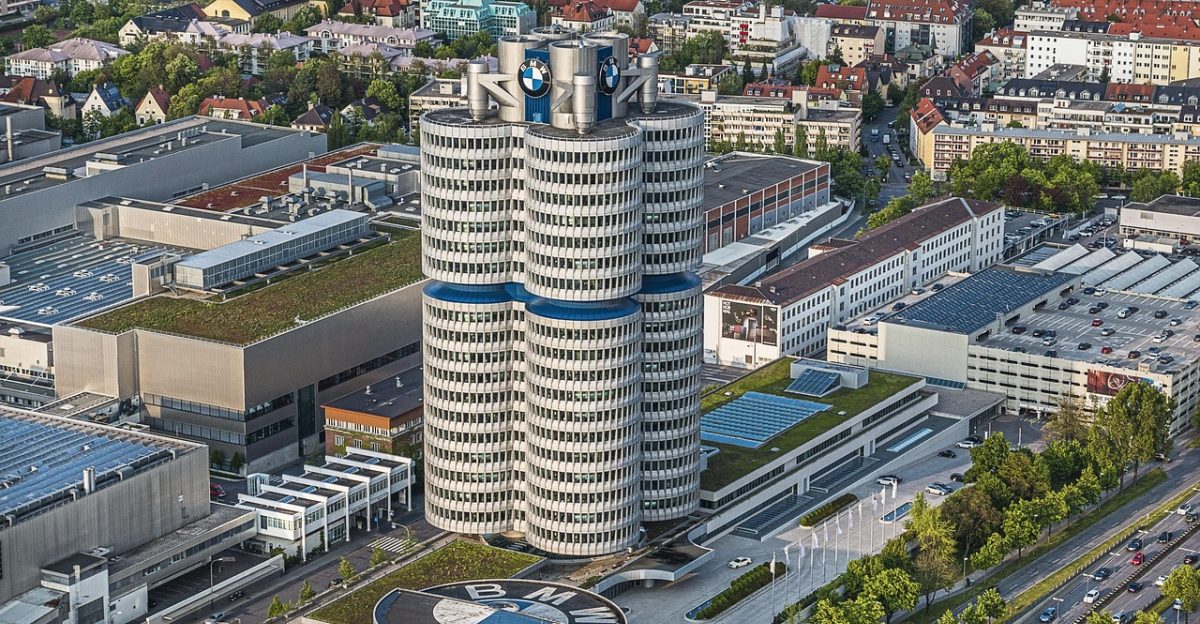
BMW hasn’t announced layoffs. But the pressure to protect margins follows a predictable sequence that anyone in manufacturing recognizes. Companies try pricing first. Then, supplier renegotiations. Then production shifts. When those levers run out, the pressure moves to payroll. Tariffs acting as a persistent margin tax, not a one-quarter blip, make cost-cutting responses more likely over time. The warning about 2026 earnings is really a warning about the menu of hard choices that follows. Pricing, sourcing, headcount. Something gives.
New Normal
Trade-defense instruments in the EU and tariff schedules in the U.S. are standing policy tools, not emergency measures. They persist through administrations and trade cycles. Once duties lock into customs or trade-defense schedules, unwinding them moves slowly and requires political will that rarely materializes. That means BMW and every globally integrated manufacturer may face years of compressed margins, not a single bad quarter. Policy-driven earnings volatility is becoming a permanent feature of the auto industry’s financial architecture. The rules of the game just changed, and nobody voted on it.
Winners and Losers
Somebody benefits from every tariff. Manufacturers with production concentrated inside tariff‑friendly borders gain a cost advantage they did nothing to earn. Politicians selling toughness on trade get a talking point. Consumers and shareholders of globally integrated companies absorb the cost. Suppliers caught in rerouted sourcing chains lose contracts. The belief that tariffs only hurt foreign competitors is the myth that keeps this system running. Tariffs are a margin tax on whoever crosses borders. BMW’s shareholders learned that from the company’s own warning. Car buyers will learn it at the dealership.
Still Cascading
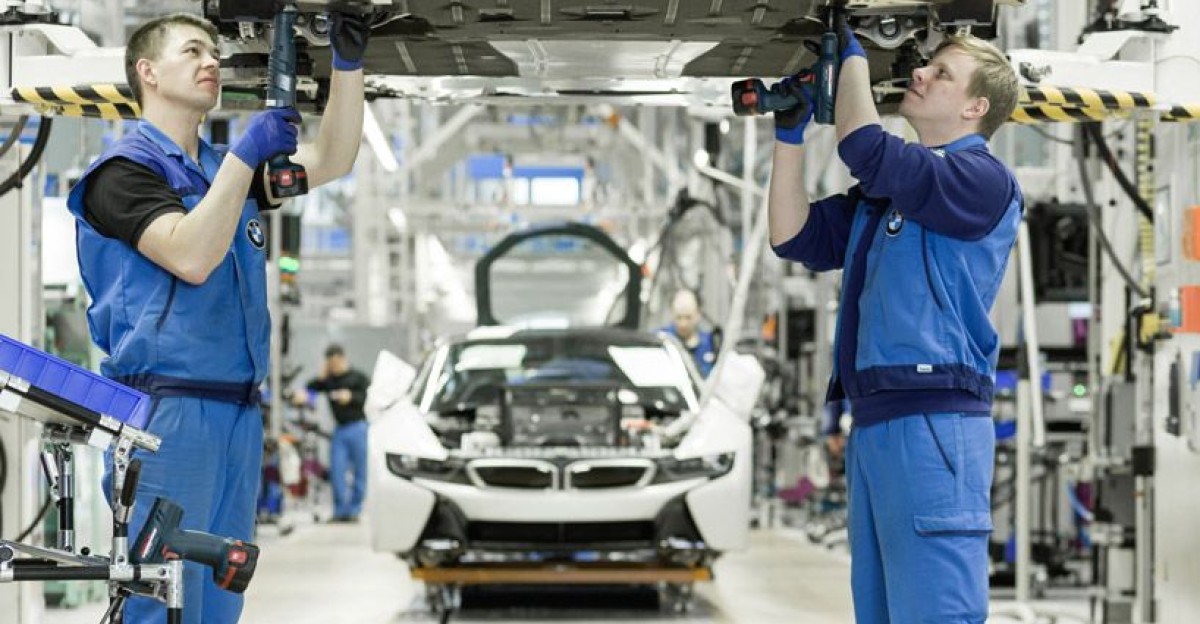
The cascade is not finished. BMW’s potential counter‑moves could include shifting production where possible, exploring lawful component reclassifications, and renegotiating supplier terms. But each adjustment creates its own ripple. Rerouted supply chains disrupt existing partnerships. Reclassified components invite regulatory scrutiny. Higher prices test buyer loyalty in a market already flooded with EV alternatives. More duties could arrive before the current ones are absorbed. The person who reads this headline and thinks “BMW problem” is missing the point entirely. This is a supply‑chain tollbooth story. Every automaker is on the same highway.
Sources:
“BMW Expects 2026 Earnings to Decline as Tariffs Bite.” Reuters via Yahoo Finance / Money, 12 Mar 2026.
“BMW Group Annual Results 2025 and Outlook 2026.” BMW Group, Investor Relations, 2026.
“BMW Group Locations Worldwide.” BMW Group, Company / Locations Overview, 2024–2026.