BMW Put ‘Atrocious’ Plastics in a $50K SUV for Chinese Market—Then China Stopped Buying
The kidney grille has lived on every BMW since 1933. Ninety-two years through two world wars, a dozen recessions, and every design trend the auto industry could throw at it. Then somebody in Munich decided it wasn’t big enough. For more than a decade, BMW stretched those grilles wider, taller, more aggressive. Owners complained. Enthusiasts mocked. The internet turned BMW front ends into memes. BMW’s design chief had one answer: China wants them. Now the grilles are shrinking again. BMW reshaped its entire design identity to please China — supersizing grilles, stripping premium materials from a $50,000 SUV, and replacing tactile quality with screens. Industry legend Bob Lutz called the result “atrocious.” Then the market BMW built it all for flinched, and sales dropped more than 15% in a single half-year.
Designing to Please One Market
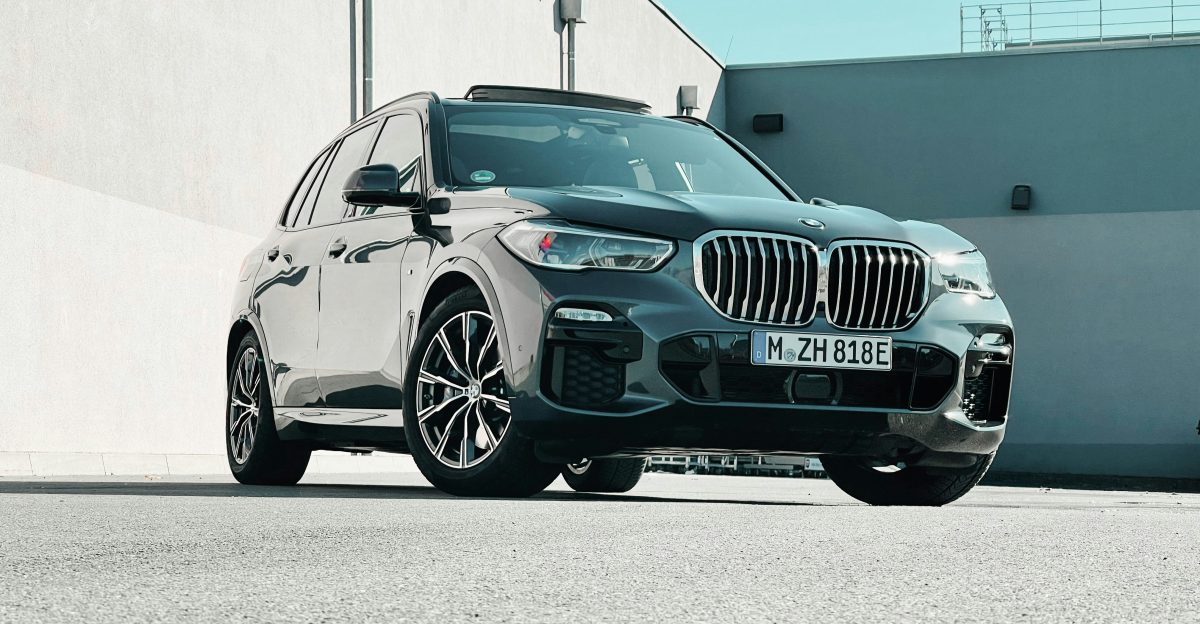
Adrian van Hooydonk took over BMW’s design division in 2009 and steered the brand toward deliberate polarization. The strategy was explicit: build cars that “grow on people over time” rather than appeal immediately. That’s a polite way of saying BMW designed cars it knew customers wouldn’t like at first, then bet that familiarity would do the selling. China, BMW’s largest single-country market at roughly 28–30% of global volume, became the audience that justified every oversized grille and aggressive surface.
Cost-Cutting You Can Feel
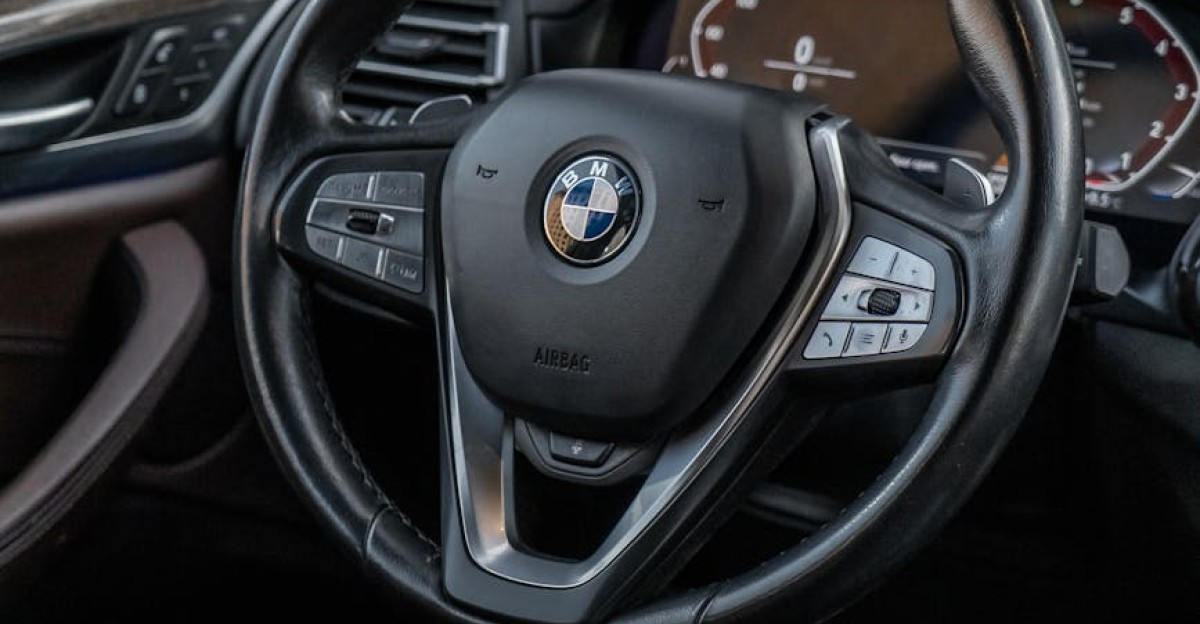
Van Hooydonk defended the XXL grilles publicly: “People in certain parts of the world were asking for big grilles.” That was the official line for years. Design heritage? Secondary. Global taste? Irrelevant. One market’s preference reshaped the look of every BMW sold on every continent. Meanwhile, the cost-cutting crept inside. The 2025 X3 starts at $49,950 before destination — roughly $51,000 out the door — and reviewers found hard, scratchy plastics where premium materials should be, alongside touch-sensitive controls that replaced physical buttons. Forbes called the door-handle surround and inner door trim “sub-par,” noting the A/C vent sliders felt worse than “a 1990s Korean vehicle.” In better-equipped trims, as-tested prices climbed into the low $60,000s. The badge still said premium. The materials didn’t.
When China Flinched
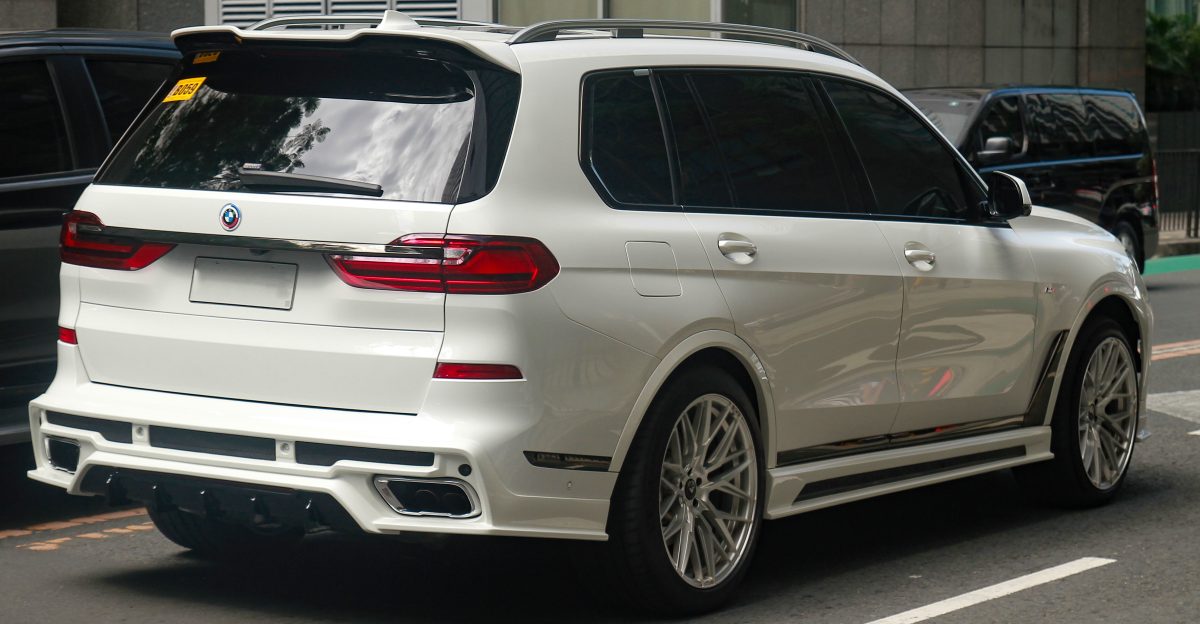
BMW China sales dropped more than 15% in the first half of 2025. Roughly tens of thousands fewer vehicles than a year earlier and more than a billion dollars in lost revenue at showroom prices. The market BMW had reshaped its entire identity to serve rejected the product. Van Hooydonk’s response: the Neue Klasse represents a “global design reset.” Not a regional adjustment. Not a tweak. A reset. One sales report killed a decade of philosophy. The grilles are shrinking to proportions last seen in the 1970s.
BMW’s Habit of Retreat
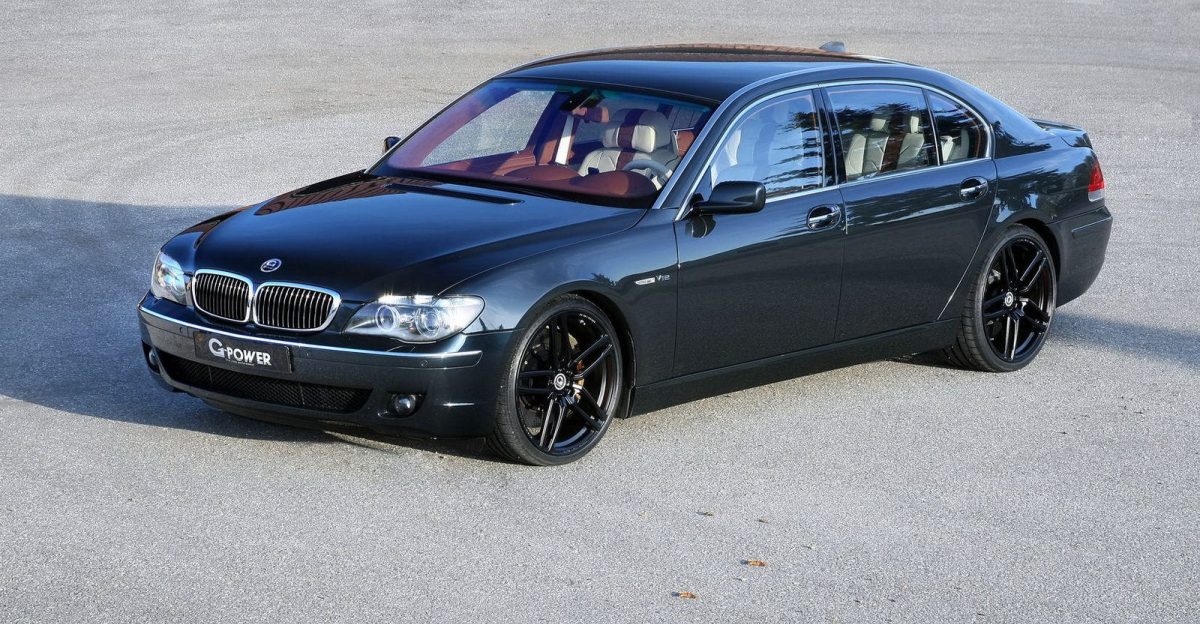
This isn’t BMW’s first retreat. In the early 2000s, designer Chris Bangle introduced flame-surfacing, a radical aesthetic so polarizing that the E65 7 Series needed a facelift to recover sales. BMW toned it down. Sales recovered. Then the grille expansion began, following the exact same arc: bold risk, market pushback, quiet reversal. Two decades, two design gambles, two surrenders. The playbook is identical. Only now the stakes are higher, because the brand spent a decade telling customers the controversial look was the vision.
A $50,000 Cabin That Feels Cheap
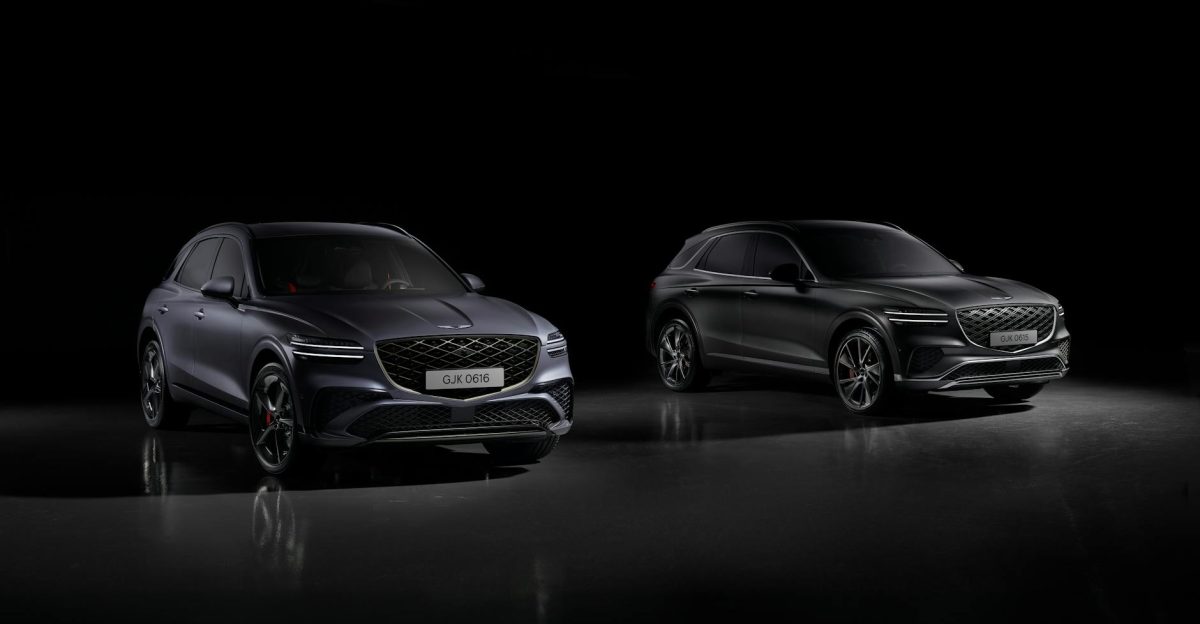
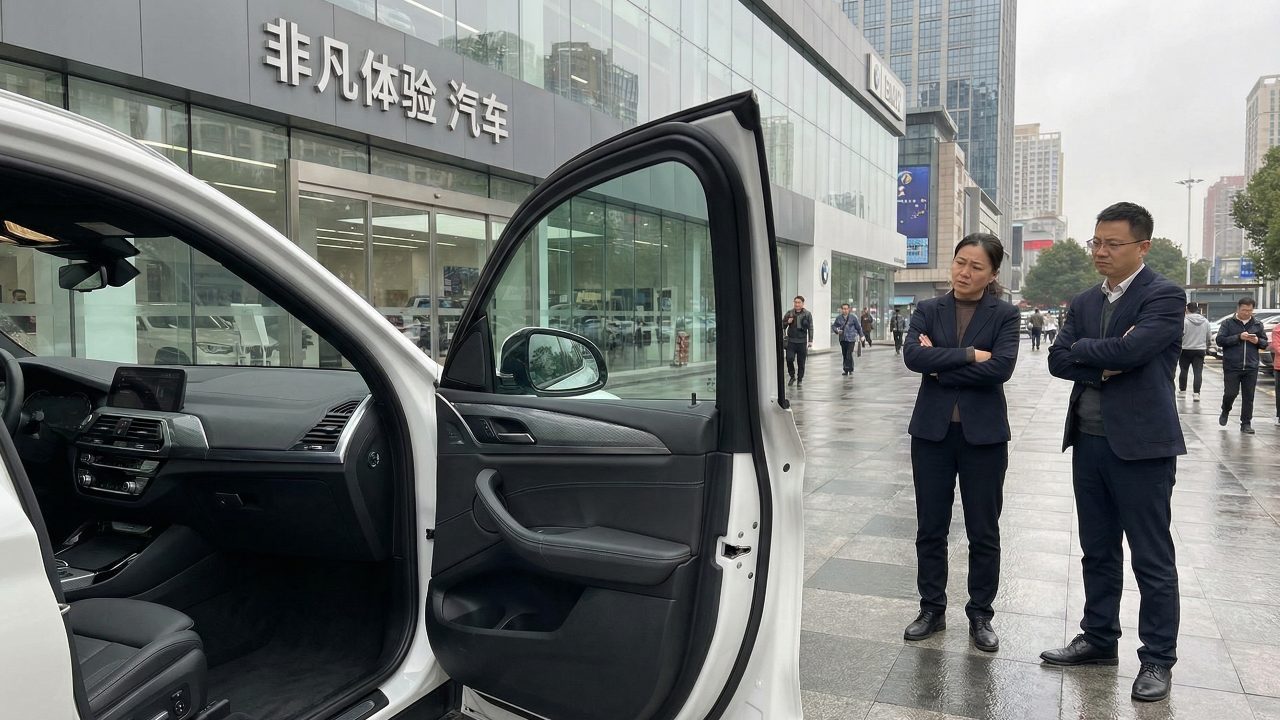
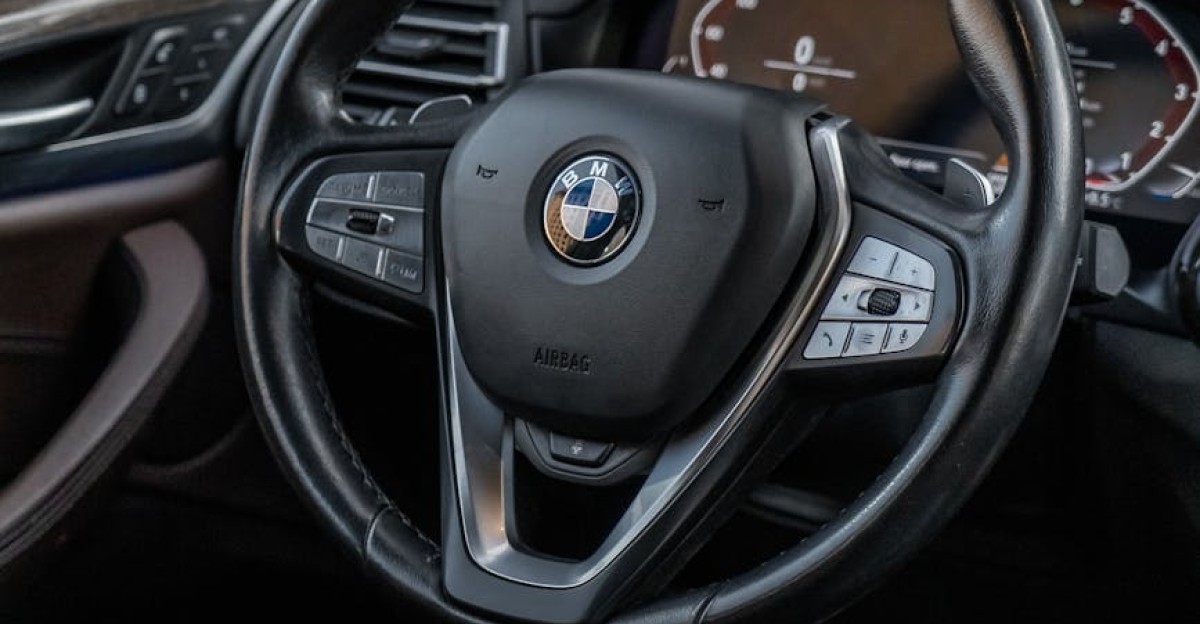
Sit inside a 2025 BMW X3 and the betrayal gets tactile. Edmunds called the X3 “good, not great,” noting that at a starting price around $50,000 it lines up against the Genesis GV70 and Acura RDX but fails to match them on interior materials. Jalopnik described a lightly optioned xDrive30 as “a very black hole of leatherette, rubber, and cheap, hard plastic” in a vehicle costing nearly $60,000 as tested. Other testers pointed out that without expensive trim packages, huge swaths of plain black plastic cover the dashboard while ambient lighting tries to do the work quality materials once did. Fifty-plus thousand dollars, and the cabin feels like a rental. That’s the real cost-cutting story: BMW didn’t just enlarge grilles for one market. It hollowed out the ownership experience for every market. Screens got bigger. Materials got cheaper. The price stayed the same.
When an Insider Says It Out Loud
Bob Lutz held senior roles at BMW during the 1970s, the era most enthusiasts consider the brand’s golden age. His verdict on modern BMW design: “It’s atrocious. I mean, the proportions are wrong, the lines are wrong, the detailing is wrong.” That’s not a blogger. That’s a man who helped shape the product and positioning BMW now uses as inspiration for its retreat. When the people who made the legend call the current product atrocious, the brand has a credibility problem no press release can fix.
Grilles, Data, and a U-Turn
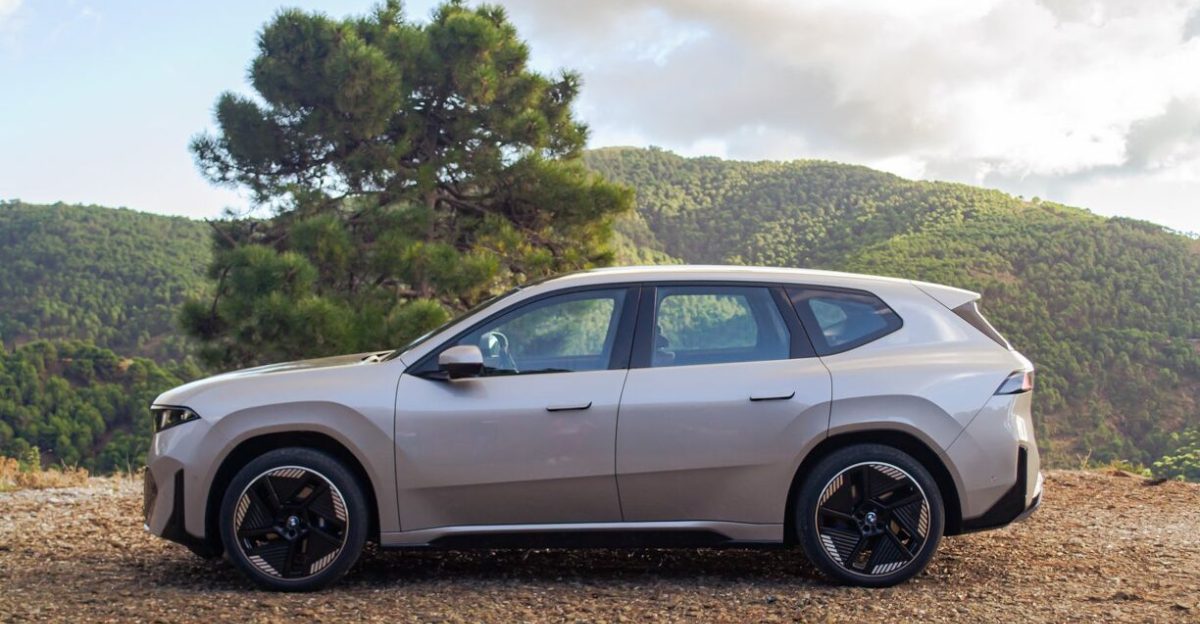
Every controversial BMW design cycle has eventually reversed. Flame-surfacing retreated. The grilles are retreating now. The 2027 iX3 returns to a smaller, pared-back kidney grille that early testers say calls back to the 2002 era. But the pattern reveals something larger: BMW’s design identity is no longer rooted in heritage. It’s reactive to quarterly data. One region’s rejection can rewrite a global strategy overnight. That’s not a brand with a vision. That’s a brand with a spreadsheet.
Betting It All on Neue Klasse
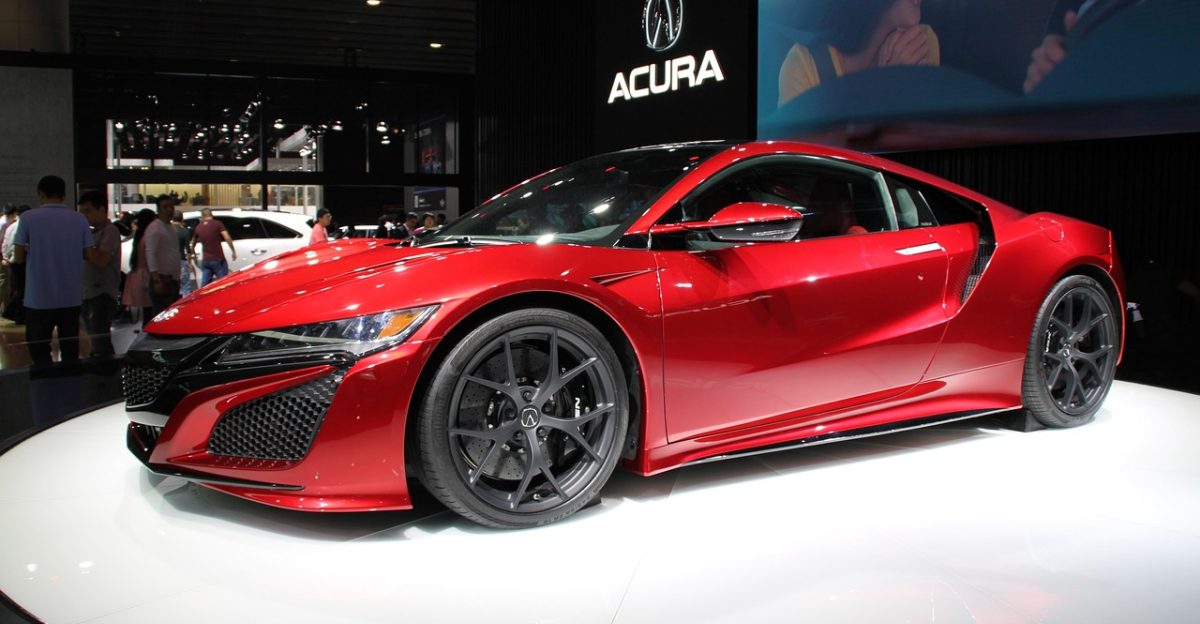
The Neue Klasse launches late 2025 carrying the weight of BMW’s entire brand recovery. It features hundreds of metres less wiring than current models and a radically simplified interior. Genesis, Lexus, and Acura are already capturing defectors who decided substance matters more than a badge. If the Neue Klasse fails to restore buyer confidence, BMW faces a future where activist shareholders could push for partnerships with Chinese EV makers. The company that chased China’s taste may end up needing China’s capital.
What Luxury Brands Should Learn
The myth was that BMW designs were vision-driven and timeless. The truth is that one country’s preferences dictated the global look of roughly 2.5 million vehicles a year, and when that country flinched, the vision evaporated. Luxury brands watching this are already recalculating. Material transparency and heritage storytelling will replace screen-count bragging. The readers who spotted the contradiction early, who felt the cheap plastic and saw the oversized grille and thought something’s wrong here, were right all along. BMW just took a decade to admit it.
Sources:
“The Problem With The New 2025 BMW X3 SUV.” Forbes, 15 Oct 2024.
“Our BMW X3’s Interior Is Good, Not Great.” Edmunds, 24 Nov 2025.
“2025 BMW X3 30 xDrive Should Be So Much Better Than It Is.” Jalopnik, 29 Nov 2025.
“BMW Group Reports 29% Profit Drop, Beats Rivals in H1 2025.” BMW Blog, 30 Jul 2025.