
Black-Owned Bakery Nearly Buried After Tesla Abandoned $16K Order One Week Before Delivery
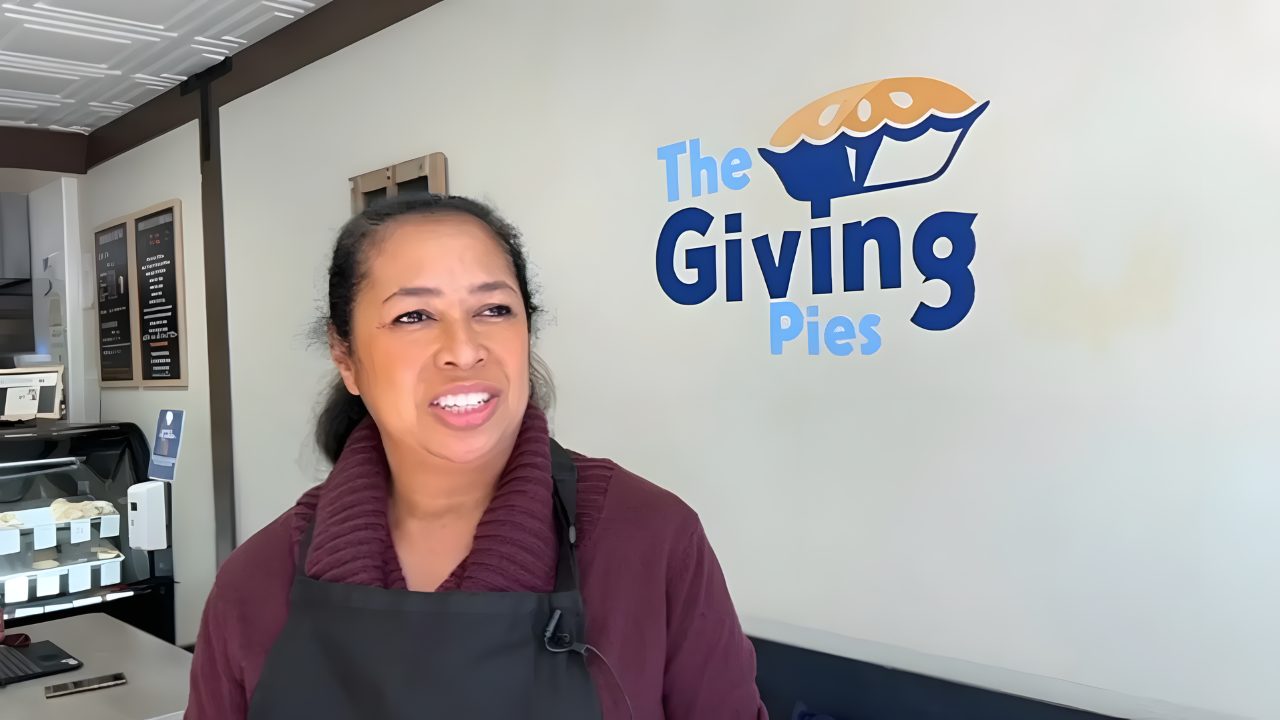
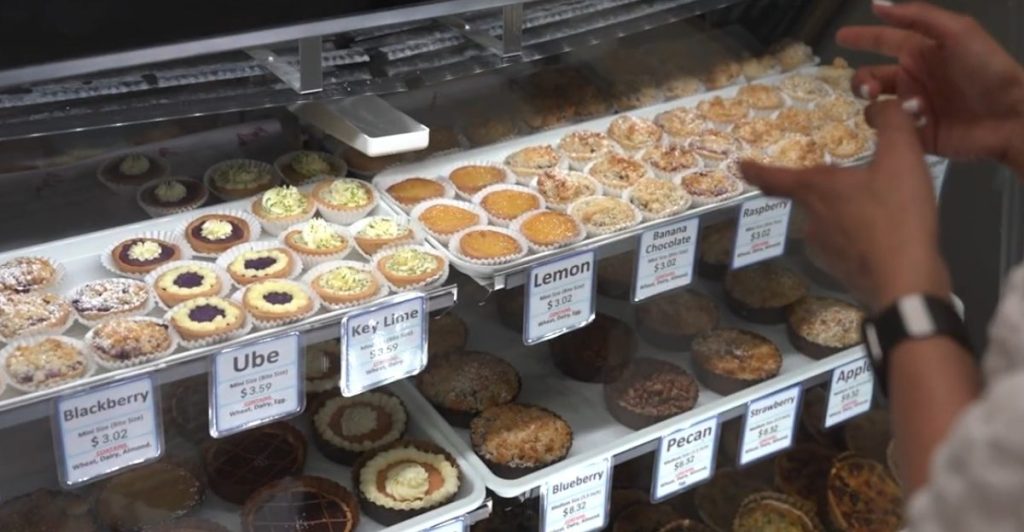
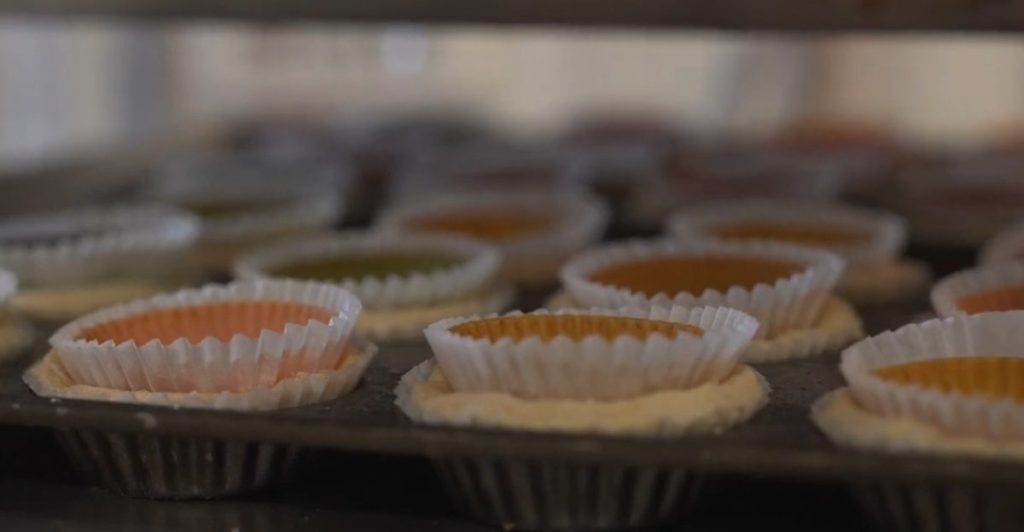
Voahangy Rasetarinera, owner of The Giving Pies in San Jose, had just landed the largest order her bakery had ever received: 4,000 mini pies for Tesla.
“We had to hire additional staff, buy more ingredients; it was all hands on deck,” she said. The bakery invested roughly $2,000 in ingredients and labor to prepare for the order. Then Tesla pulled the plug.
The Message
Just a week before the final delivery date, a Tesla employee sent a cancellation message: “It unfortunately sounds like we will be changing plans and will not be needing this order.” The bakery wasn’t given any formal notice, and no reimbursement for the $2,000 in ingredients that were already bought in preparation for such a large order.
The bakery owner had restructured her entire operation around the order, but only received a sentence and a half goodbye.
The Excuse
To make matters worse, Tesla’s excuse was that an employee who did not have authorization to make financial commitments had made the order, only identified as “Laura.”
A roughly $600 billion corporation let an unauthorized employee commit thousands of dollars, failed to flag the payment through its third-party coordinator, City Flavor, and then blamed the front-line worker. Tesla reportedly offered Rasetarinera a factory tour and a future catering opportunity.
The “Rescue”
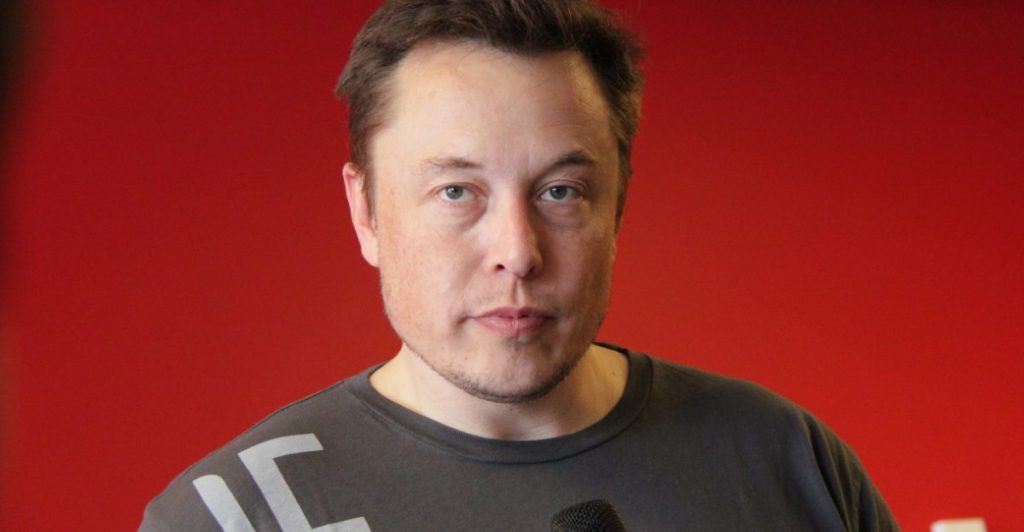
On February 23, 2024, Elon Musk posted on X: “Just hearing about this. Will make things good with the bakery.” Tesla subsequently reimbursed Rasetarinera $2,000 for her ingredient and labor costs and agreed to purchase pies for donation to local charities. Tesla owed that money from the moment the bakery began fulfilling the order.
While Tesla did reimburse The Giving Pies, he didn’t rescue them; he settled a debt. The company accepted the vendor’s commitment, canceled the order, and reimbursed the bakery only after viral outrage and a CEO’s social media post.
Broken Plumbing
The failure was not one person. Tesla outsourced catering coordination to a third-party vendor called City Flavor, which failed to process the bakery’s payment. No formal contract existed between a roughly $600 billion company and its small vendor.
Three separate system failures, stacked on top of each other, and every one of them landed on the smallest party in the transaction. The architecture pushes risk downhill by design.
The Numbers
According to federal data, small vendors routinely absorb cash flow disruptions when larger partners delay or cancel commitments. Rasetarinera was not an outlier. Most bakery owners in her position don’t have a story that goes viral. They absorb the loss, cut staff, skip their own paycheck, and hope the next client pays on time. The $2,000 that left The Giving Pies scrambling amounts to a rounding error on Tesla’s quarterly balance sheet.
The total order was valued at up to $16,000, according to NBC Bay Area, though other outlets placed the original 2,000-pie order closer to $6,000 before Tesla doubled it. The bakery’s confirmed out-of-pocket loss — the money already spent on ingredients and labor — was $2,000.
Ripple Cost
Rasetarinera had already turned down other Black History Month catering opportunities to focus on Tesla’s large order, and the staff she hired faced uncertain employment. Ingredients bought for the order can’t immediately be repurposed, and the story became a warning across small food vendors.
Large corporate orders shouldn’t be accepted without prepayment or a signed contract, no matter how exciting the client’s name sounds.
The New Rule
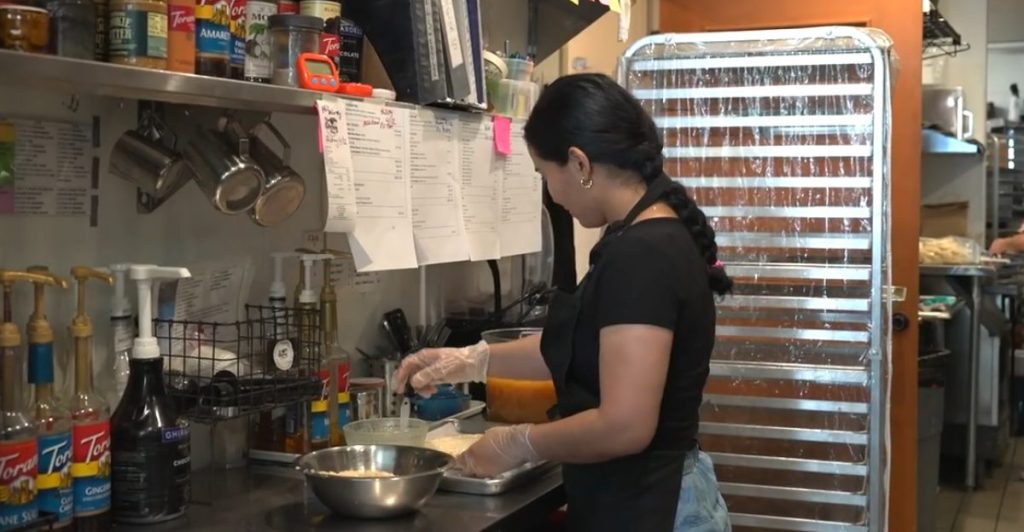
Rasetarinera did everything by the book for her client. She scaled up, committed resources, and prepared to deliver quality work. However, without a contract or payment beforehand, there were risks, and before being reimbursed, the bakery was buried in losses.
For every Giving Pies that catches fire on social media, thousands of vendors eat the loss in silence because no billionaire tweets about their invoice.
No Reform
Tesla released a statement suggesting the situation “should not have happened,” implying some internal review. No structural reforms were announced.
No changes to vendor payment protocols. Without confirmed policy changes, the next Voahangy Rasetarinera faces the same broken machinery, minus the viral moment that saved this one.
After the Storm
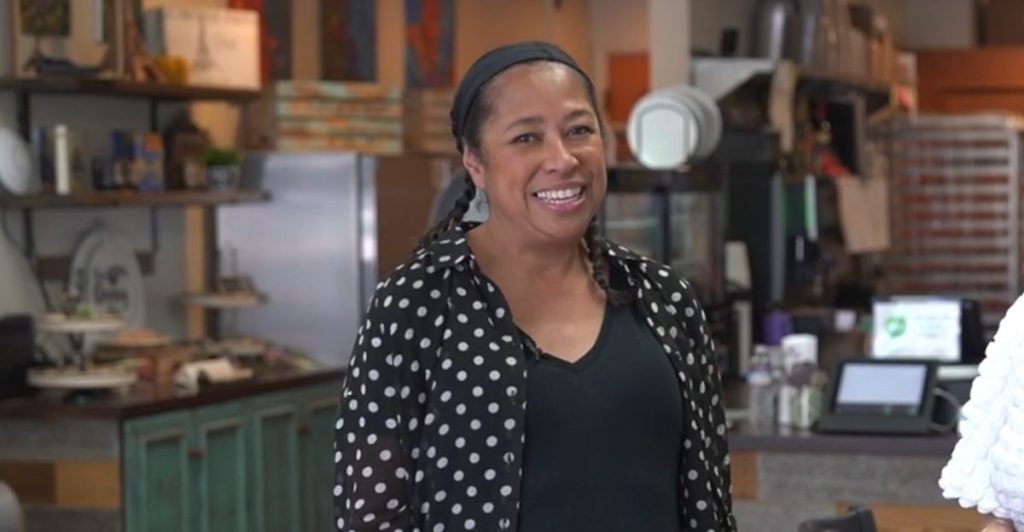
The Giving Pies recovered, and then some. The bakery saw a surge in orders after the story went viral, with lines around the block and new corporate clients across Silicon Valley. “It’s so heartwarming, I’m so super grateful” and “I don’t think I have any words to use to say how grateful I am,” Rasetarinera said. “I just wanted to be paid for the work we did.”
The bakery’s competence was never the problem. The question going forward is whether any vendor can afford to trust a system built to forget them.
Sources:
ABC7 News — “Tesla criticized for canceling pie order worth $2,000+ with San Jose bakery” — February 22, 2024
ABC7 News — “Tesla repays owner of San Jose’s The Giving Pies after last-minute cancellation” — February 26, 2024
Fortune — “During Black History Month, Tesla screwed a Black-owned bakery out of a catering order” — February 22, 2024
BBC News — “Elon Musk eats humble pie over unpaid bakery bill” — February 26, 2024
Business Insider — “Tesla placed a $16K bakery order for Black History Month, then canceled after the Black-owned business scrambled to meet the request” — February 22, 2024
Fortune — “Elon Musk effect spurs business surge for jilted bakery” — February 28, 2024