Bezos-Backed $700M EV Startup Opens Louisville Hub With 160K Reservations
Jeff Bezos-backed startup Slate Auto is drawing national attention after announcing a $7.8 million customer hub in Louisville, Kentucky on March 26, 2026, while quietly amassing 160,000 reservations for its low-cost electric pickup. The company has raised about $700 million and is converting a 1.4 million square foot Indiana factory to begin production by late 2026. With no test drives and limited public data, buyers are betting on a radically simplified vehicle priced near $27,000. That bold approach signals a direct challenge to traditional automakers and raises a deeper question about how much complexity was ever necessary.
The $700 Million Nobody Noticed
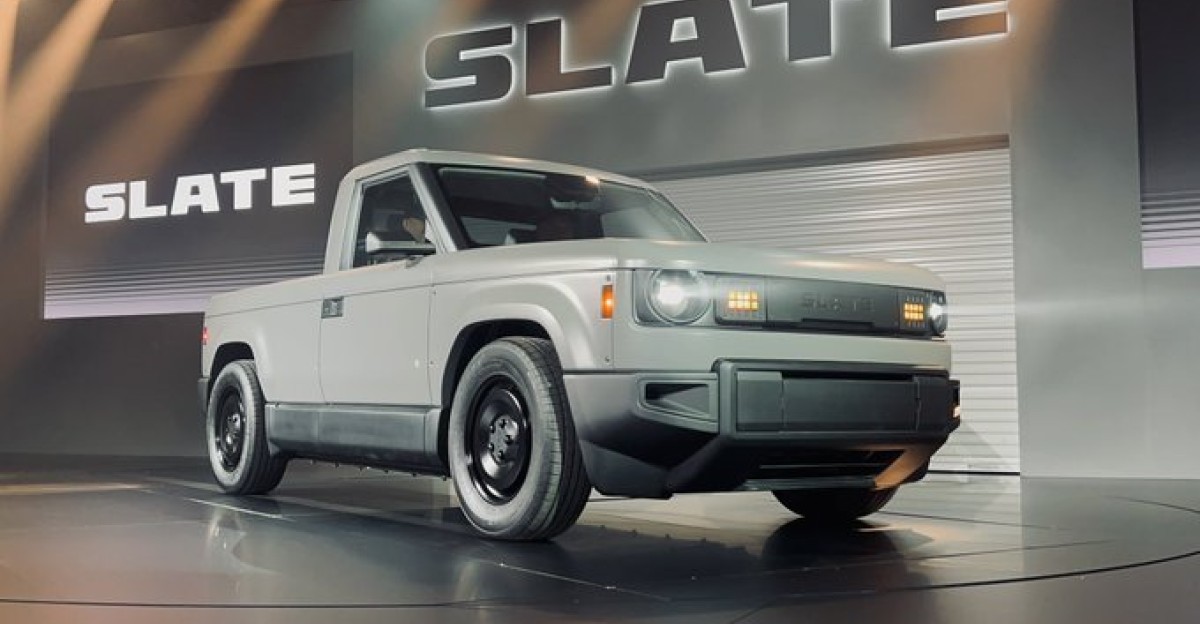
Slate raised about $700 million across several rounds, starting with a $111 million Series A in 2023 backed by 16 investors. Mark Walter and General Catalyst joined, while Bezos’s family office gained board influence through Melinda Lewison. The company stayed hidden until April 2025, then secured 100,000 reservations in just 2 weeks. By March 2026, that climbed to 160,000. Buyers committed without driving the truck or seeing safety results. That level of trust raises a deeper question about what exactly convinced them so quickly.
The $922 Million Cost Comparison
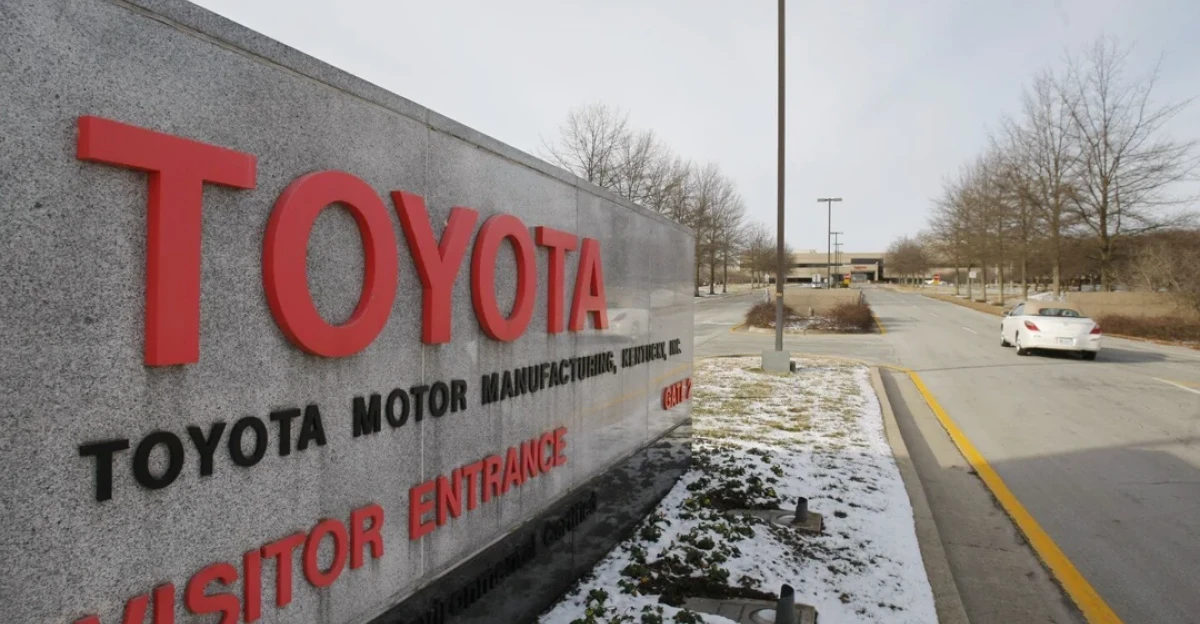
Toyota invested $922 million in a single Kentucky paint facility. Slate chose to skip paint entirely. Its trucks use injection molded polypropylene panels that remove the need for primer, clear coats, and color matching. Interior components were reduced from 27 parts to 7, and door assemblies dropped from 15 to 10. Total subassemblies sit near 500, far below traditional pickups. These changes challenge long held assumptions about manufacturing costs. If those numbers prove accurate at scale, the entire economics of vehicle production begins to shift.
Leadership Shift Raises Questions
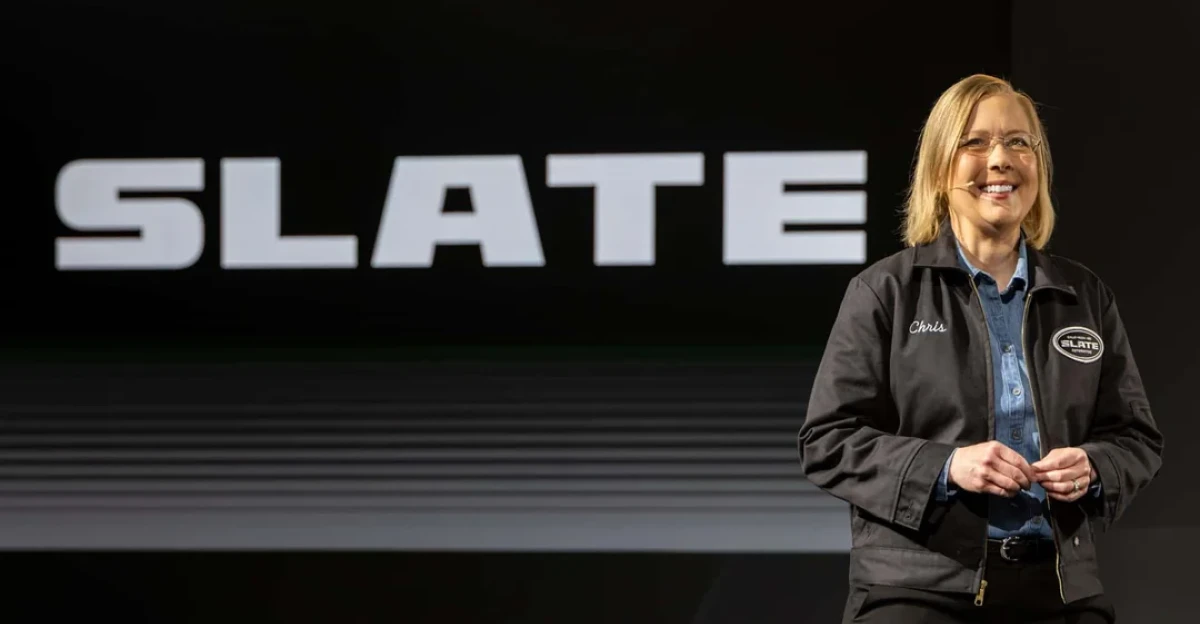
In September 2025, CEO Christine Barman told Newsweek, “We just need to make sure that we’re putting out a quality product by the end of the year.” On March 9, 2026, she was replaced by Peter Faricy, former Amazon Marketplace VP and SunPower CEO. Barman moved to President of Vehicles after designing the manufacturing strategy. Leadership changes this close to production rarely happen without internal pressure. With deliveries targeted for late 2026, the transition places new responsibility on Faricy at a critical moment.
A Factory Without Complexity
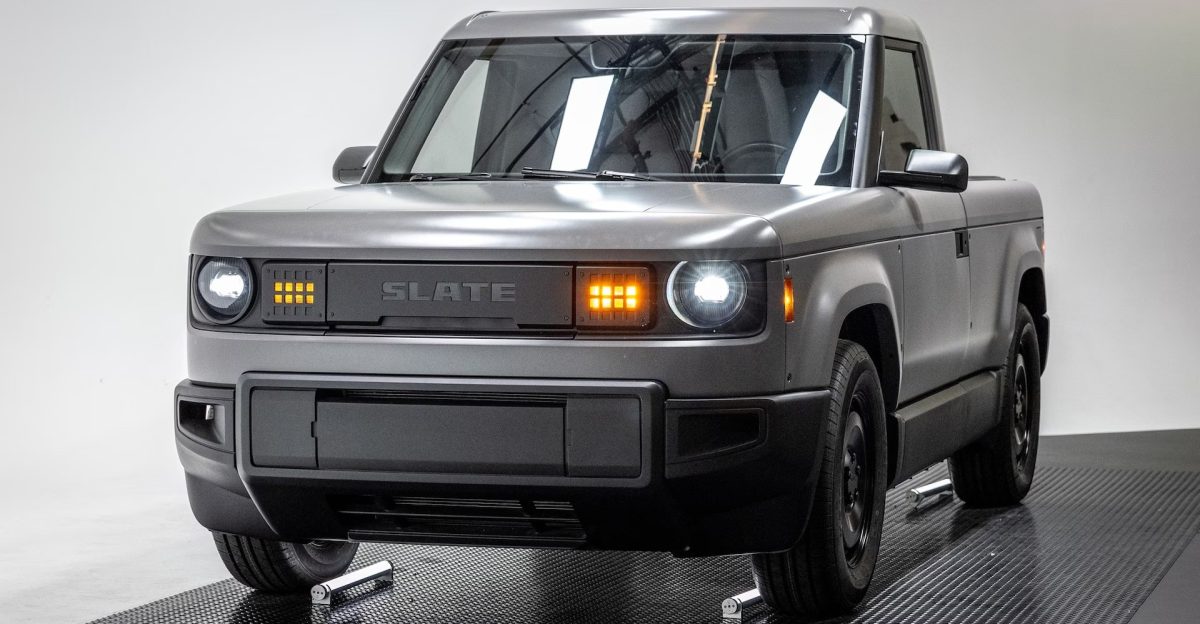
Slate’s production model centers on radical simplicity. Chief Commercial Officer Jeremy Snyder explained, “Because we only produce one vehicle in the factory with zero options, we’ve moved all of the complexity out of the factory.” The base truck includes manual windows and no infotainment system. Customization happens after delivery through more than 100 accessories. Engineers from Ford, GM, Stellantis, and Harley-Davidson were recruited to strip features away. That reversal of traditional thinking forms the foundation of Slate’s approach, and it directly impacts the final price.
Breaking Down The $27K Price
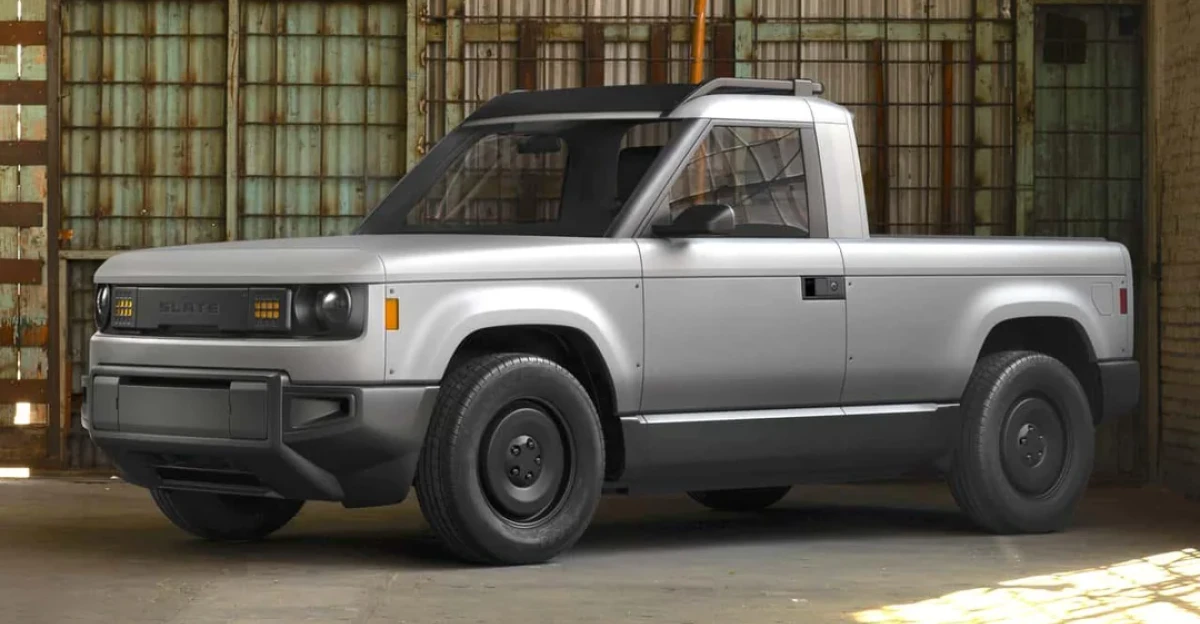
The truck starts around $27,000. Buyers can choose between 52.7 kWh and 84.3 kWh batteries, delivering 150 to 240 miles of range and 201 horsepower. Payload capacity reaches 1,400 pounds, with towing at 1,000. Direct sales eliminate dealership markups. Service relies on over 4,000 RepairPal certified shops, including 200 equipped for high voltage systems. Slate’s Warsaw factory cost about $400 million, far below typical EV plants. That difference explains how pricing stays low, but it also raises pressure on execution as production nears.
Kentucky Gets Another Shot
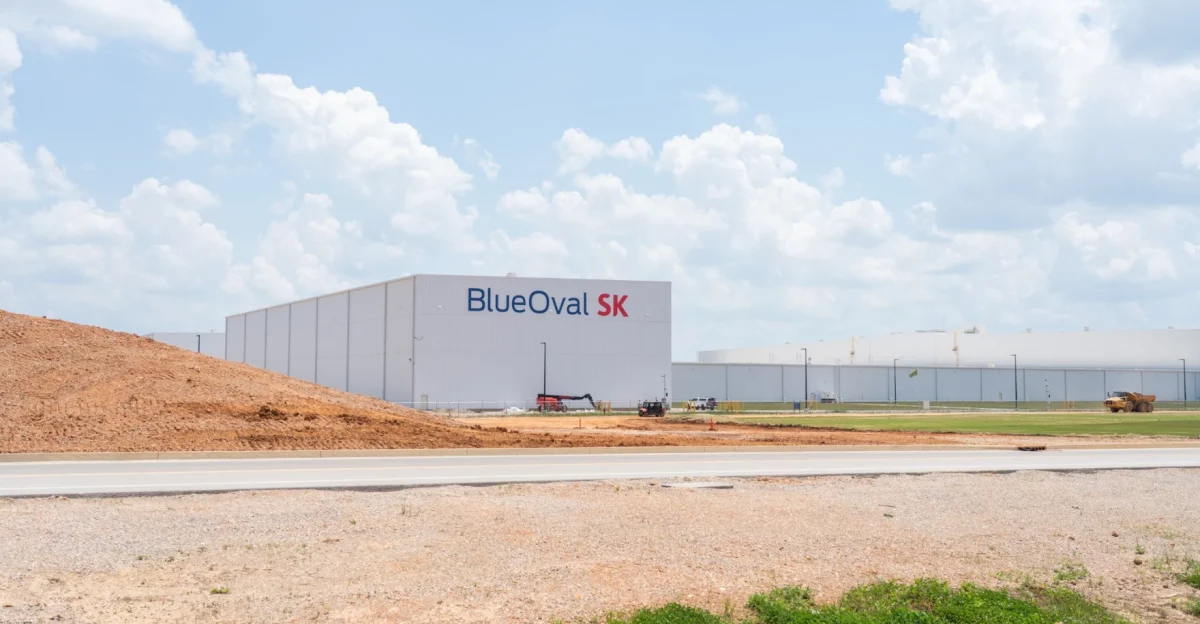
Ford invested $5.8 billion in the BlueOval SK battery plant in Glendale, Kentucky, supported by a $250 million state loan. The plant closed six months after production began. Slate enters the same state with a $7.8 million customer hub focused on test drives and deliveries. Meanwhile, its Warsaw factory is expected to create over 2,100 jobs and contribute $39 billion over 20 years. The contrast between massive investment and lean strategy is clear, but outcomes will depend on whether Slate can deliver consistently.
A 116 Year Old Playbook Returns

Slate’s strategy draws from the Model T and Volkswagen Beetle. Both relied on single configurations and cost control to reach mass markets. The Warsaw plant repurposes an old printing facility instead of building a new gigafactory. Backing from Bezos’s family office allows flexibility without stock market pressure. That structure gives Slate time to refine production without immediate financial penalties. This approach changes how new automakers can operate, and it suggests a different path forward for manufacturing startups.
The Race Toward Late 2026
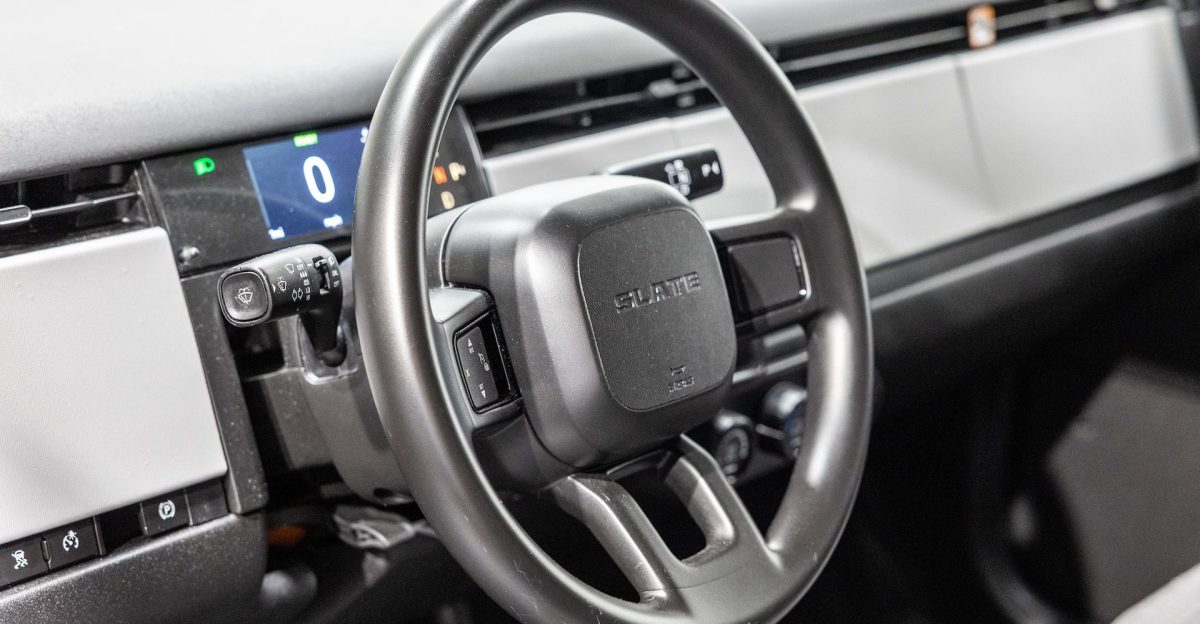
Slate aims to begin deliveries by late 2026. Faricy assumed leadership about 6 months before that target. Any delays in crash testing, tooling, or supply chains now fall under his oversight. Service networks must train technicians while designs are still evolving. At the same time, Ford is investing $2 billion in nearby facilities, competing for skilled workers. The timeline leaves little room for error. Every adjustment must happen quickly, as thousands of customers wait for confirmation that production is on track.
What 160,000 Buyers Are Betting On
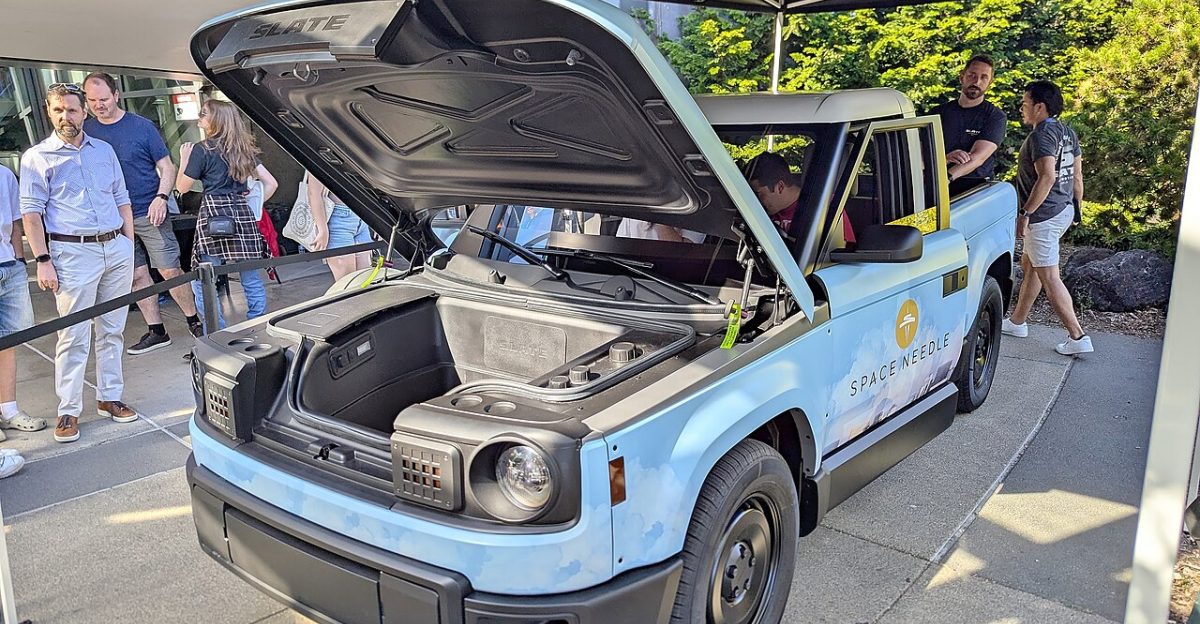
If Slate succeeds, the impact could reshape the truck market. A $27,000 new pickup competes with older used models, potentially lowering resale values across the segment. Automakers may face pressure to justify higher costs built into existing designs. Bezos now holds positions in both premium and affordable EV segments through Rivian and Slate. That dual approach captures different ends of the market. For buyers, the reservation represents more than a vehicle. It reflects belief that a simpler, cheaper truck can finally reach production.
Sources:
Jeff Bezos-backed EV startup to open $7.8M facility in Louisville. Courier-Journal, March 26, 2026
Inside the EV startup secretly backed by Jeff Bezos. TechCrunch, April 8, 2025
Slate Auto changes CEO months ahead of affordable EV launch. TechCrunch, March 9, 2026
Toyota Kentucky Invests $922 Million to Build Advanced Paint Facility. Toyota Pressroom, December 12, 2024
Slate begins work to transform R.R. Donnelley Plant into EV factory. WVPE, August 28, 2025
A Kentucky town bet big on Ford’s EV strategy. Then the battery plant closed. WKYU FM, February 9, 2026
Contract details reveal when Kentucky could seek repayment from BlueOval SK. WDRB, December 30, 2025