Bentley Cancels 4 EVs and Bets on Hybrids—275 Jobs at Risk as VW Scraps Shared Platform
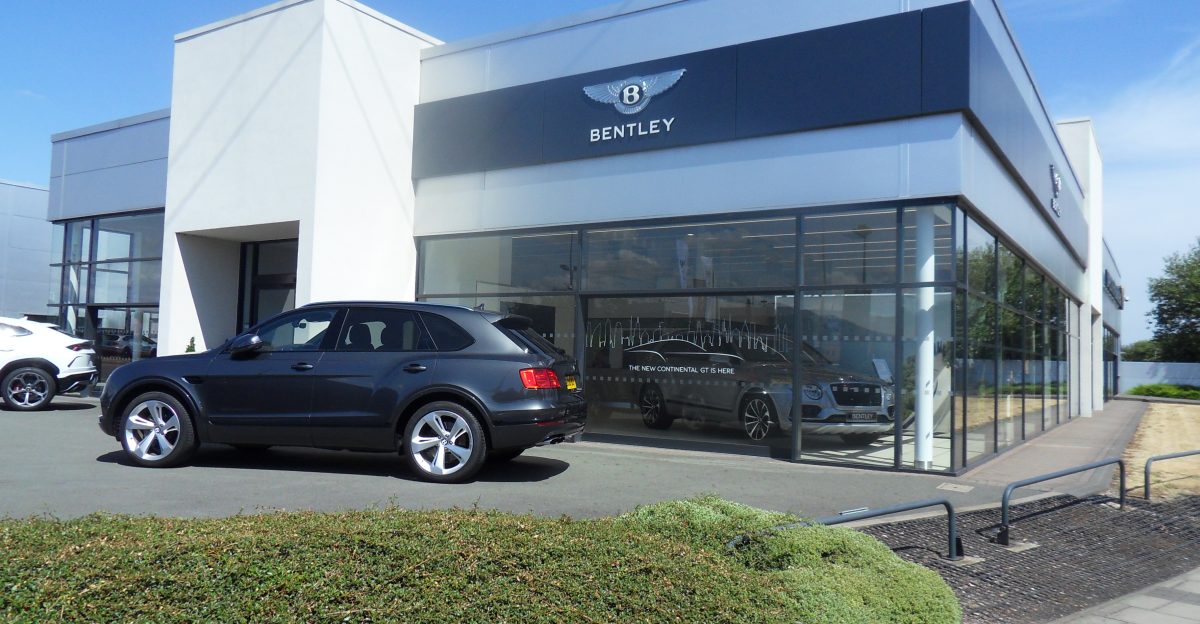
The paint shop was still a work in progress. The new design centre was already buzzing, and the BEV assembly line was almost ready. Bentley poured billions into transforming its Crewe factory, hoping to realize what its leaders called a “Dream Factory” for electric luxury. In March 2026, everything changed. CEO Frank‑Steffen Walliser took the stage and, with a few words, upended years of planning.
Four electric SUVs were suddenly scrapped. Two hundred seventy‑five jobs vanished. The factory, once imagined as a hub for an electric future, would now be producing a mix of plug‑in hybrids and traditional combustion engines until at least 2035.
Profit Crater
The numbers told the story behind the panic. In 2025, Bentley’s operating profit dropped by a staggering 42% to €216 million, even though revenue barely dipped. Revenue was down just 1% to €2.6 billion. The real problem was margin pressure: platform fees from Volkswagen Group and a shrinking Chinese luxury market squeezed profits, even as Bentley’s cars kept their high price tags. Deliveries to customers slid by 5%, mostly because Chinese buyers stopped showing up.
Bentley managed to hang onto its streak of seven profitable years, but just barely. Beneath that surface, the company was hurting from decisions made far away in Stuttgart.
Platform Collapse
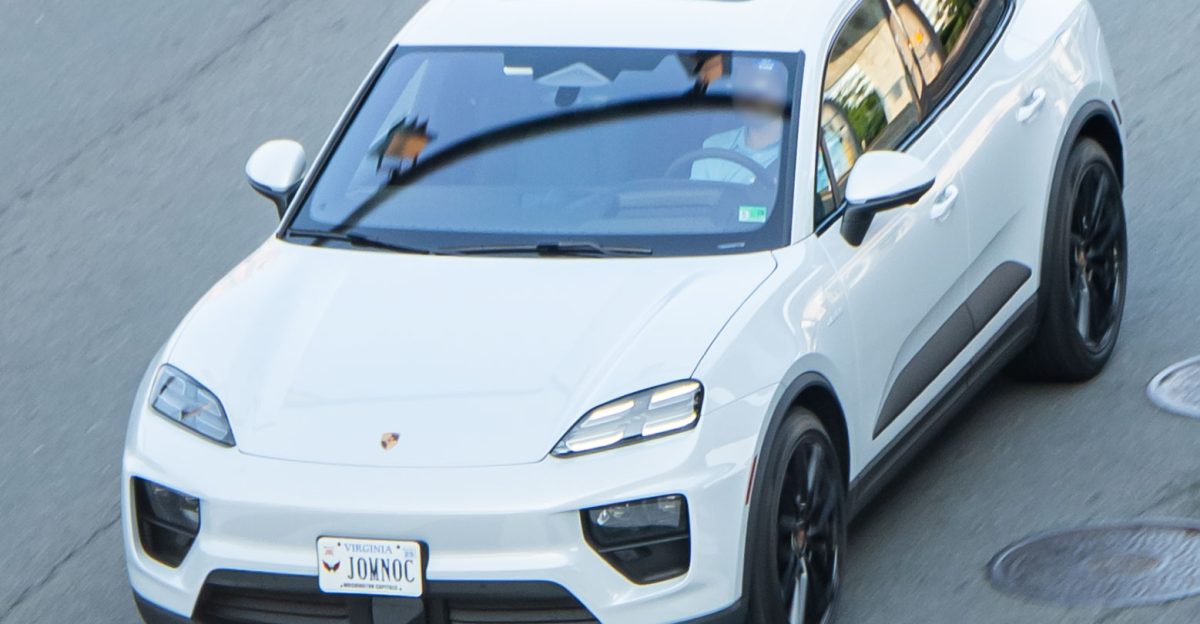
At first glance, it looked like Bentley simply chose to step back from electric vehicles. The real story was more complicated. Porsche pulled the plug on the SSP‑61 shared electric platform, swallowing a €1.8 billion loss. Every Volkswagen Group brand that relied on it was left stranded. Bentley, Lamborghini, Audi: all suddenly without a foundation to build on.
Bentley then faced a tough decision: spend a fortune building four separate EV platforms, or walk away. Walliser summed it up: “If you compare our planning with what it was two years ago, it looks completely different.”
The Contradiction
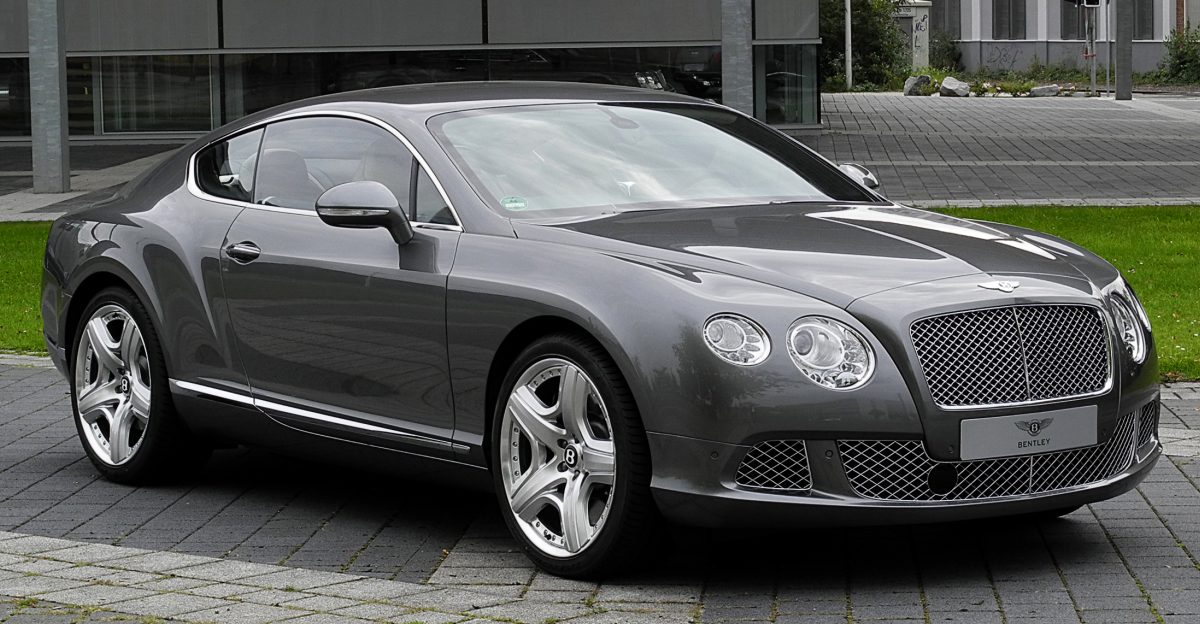
Just a few months before, Walliser had described the Beyond100+ strategy as “Bentley’s commitment to progress, responsibly and sustainably.” The plan sounded like a bold leap forward, promising sustainable luxury for a new era. Then, almost overnight, four electric models disappeared from the roadmap. Bentley shifted gears, promising to launch either a plug‑in hybrid or an electric model every year from 2026, but also keeping hybrids and regular combustion cars in showrooms well into the 2030s.
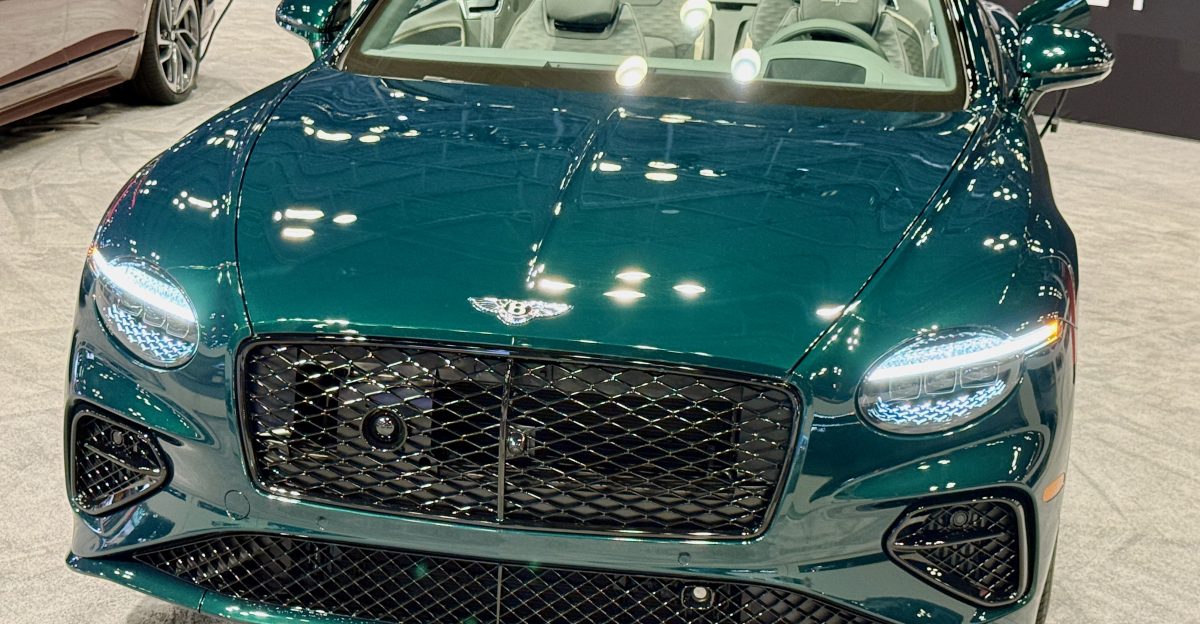
The company even announced a new gasoline-only performance model. In the end, only one electric vehicle, a Luxury Urban SUV, survived, aiming for a 2027 debut. One out of five: an 80% retreat wrapped in careful corporate language. The CEO who once championed electrification now leads a lineup where internal combustion engines still take center stage, simply because that’s what buyers want right now.
Demand Revolt
The customer data backed up Bentley’s decision and revealed something even deeper. According to EY’s Global Mobility Index, half of all car buyers worldwide now say they want a combustion engine, a jump of 13 points. Interest in battery-electric cars has dropped to just 14%, down by ten points, and hybrids are losing ground too. Luxury buyers are leading the move away from electrification.
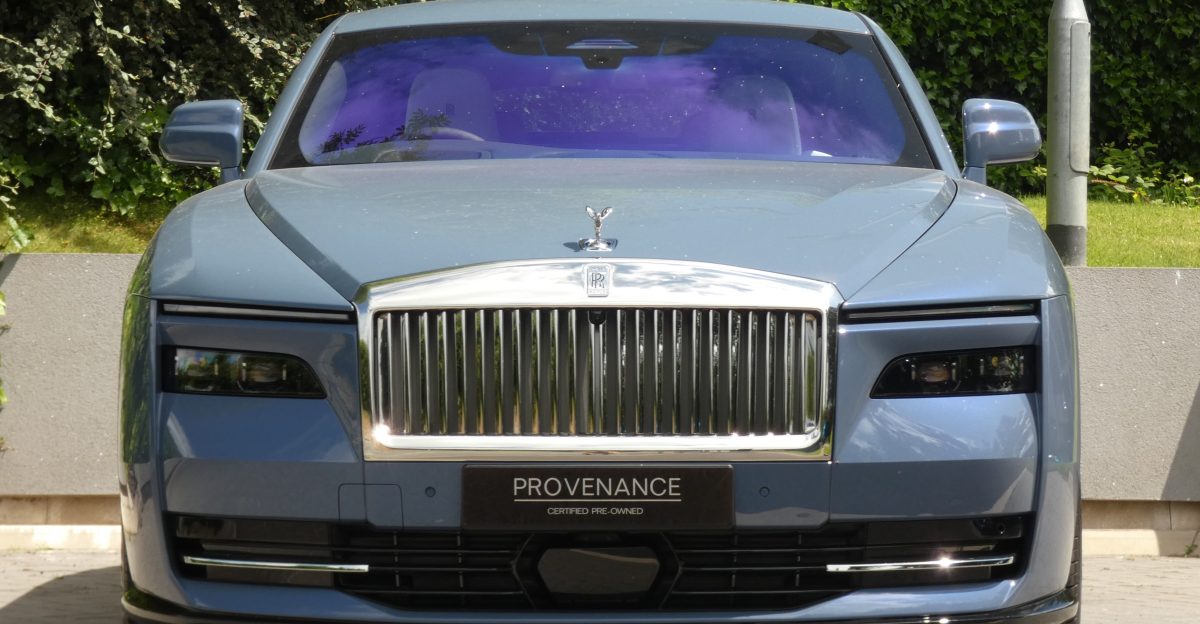
Rolls‑Royce CEO Chris Brownridge acknowledged that most clients “would rather have a V12 engine,” prompting the brand to rethink its EV-only plans. Lamborghini dropped its all-electric Lanzador model altogether, with its CEO saying BEV acceptance was “close to zero.” Regulators might want electrification, but customers are pushing back. That tension has blown up the business model.
Cutting People
GMB Union organizer Karen Lewis didn’t mince words: “These cuts have come out of the blue and the workforce is stunned.” Of the 275 jobs lost, 150 were at Bentley’s Pyms Lane site in Crewe, affecting everyone from managers to agency staff and non-manufacturing roles. The rest of the cuts happened when open vacancies weren’t filled or contracts ended.
Nearly 7% of Bentley’s 4,000-strong workforce was gone, even as the company invested millions into the very factory upgrades that were supposed to create jobs. Cutting people to pay for buildings that were meant to employ them is a painful irony.
Cascade Effect
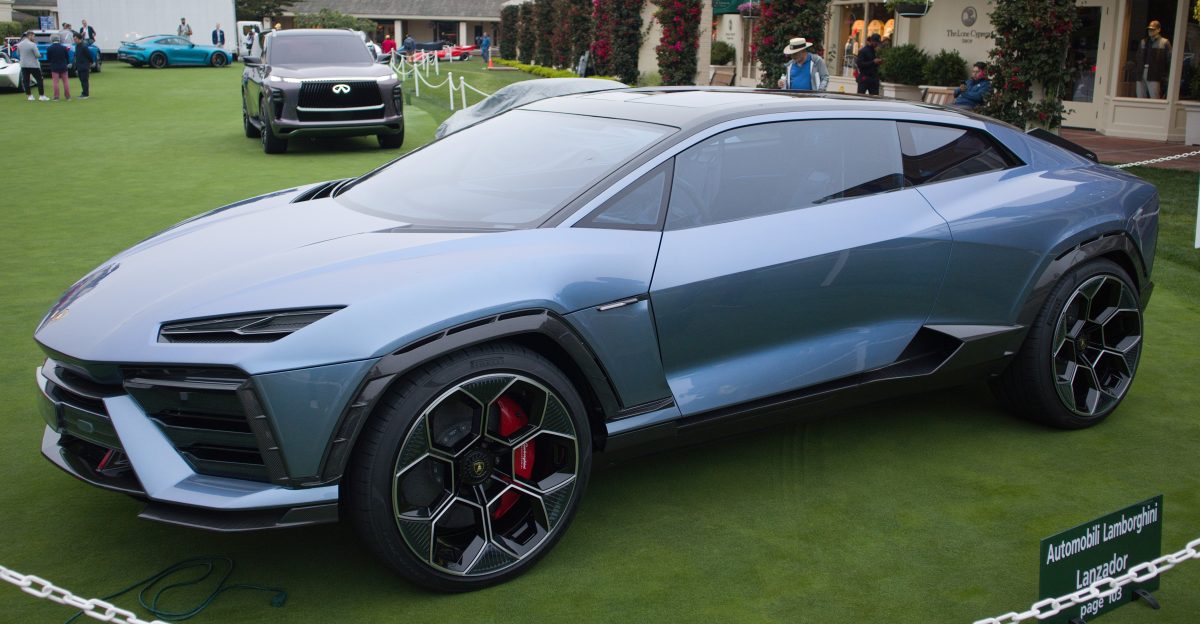
The shockwaves from Porsche’s platform failure did not stop with Bentley. Audi’s electric plans fell apart. Lamborghini gave up on its battery-electric Lanzador after months of internal wrangling, deciding instead to make it a plug-in hybrid. Rolls‑Royce put its all-electric ambitions on hold and pledged to keep the V12 running into the next decade.
Aston Martin delayed its first EV until 2030, doubling down on hybrids in the meantime. For the first time, several ultra-luxury brands openly slowed down or reversed their headline EV projects that had been loudly announced between 2021 and 2023. Battery suppliers lost out on promised orders. UK manufacturing jobs disappeared. German supply chains took the hit from canceled plans. A single decision in Stuttgart redrew the entire luxury car market.
The Real Bet
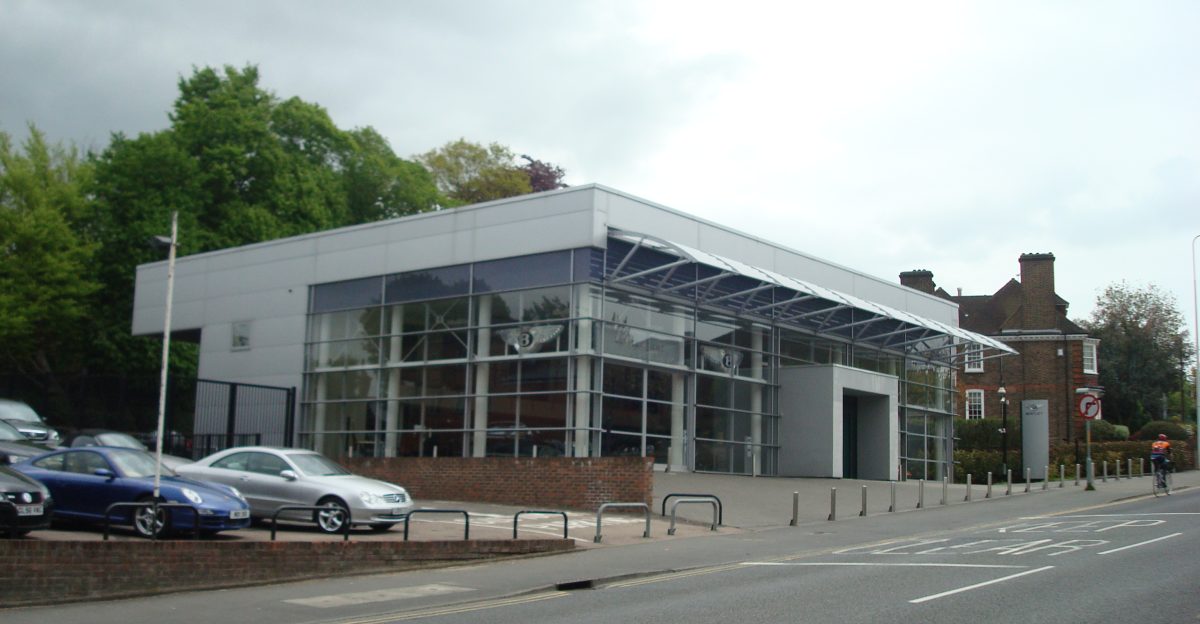
Take away all the talk of sustainability, and Bentley’s strategy starts to look like damage control. The company cannot just walk away from the billions invested in the Crewe factory. That would be admitting the whole electrification plan was a bust. Instead, they are trimming the workforce, which can be reversed, but keeping the factory investments, which cannot.
The only EV left, the Urban SUV set for late 2026 with deliveries from 2027 and promises of a 100-mile range in seven minutes of charging, is not a bold launch. This is a gamble on the company’s future. Bentley has quietly stopped talking about a second EV for now. A follow-up will only happen if the first one proves it can work.
Ticking Clocks
The challenges keep piling up. Bentley’s sales numbers show no rebound from the slowdown in China’s luxury market. In the U.S., the threat of 25% tariffs on imported luxury cars could put Bentley in a tough spot. The company will have to either absorb the costs or raise prices for customers who are already hesitant to buy.
With up to five years between the Urban SUV and any potential follow-up EV, Bentley risks falling behind if battery prices drop and rivals speed ahead. At the same time, Europe’s emissions rules are tightening, no matter what customers want. Bentley is extending hybrid production to keep buyers happy, even as regulators push for more EVs. Something has to give before 2030.
Stranded Future

What happened here is a lesson in what can go wrong with shared platform economics, especially in a niche luxury market. Volkswagen Group learned this at a cost of €1.8 billion. Pooling research and development only works until one partner backs out. Every brand depending on that partnership is then left to pick up the pieces. Bentley’s retreat shows that electrification in luxury cars was never really about what customers wanted. It was driven by regulations, propped up by subsidies, and built on a lot of assumptions.
Now those assumptions have collapsed, and workers in Crewe are feeling the impact. Volkswagen faces a difficult question: if this platform model caused the current problems, what will take its place when the next wave of EV rules arrives?
Sources:
Morningstar (Dow Jones) – “Bentley Motors to Cut 275 Jobs as Profit Slumps Amid Electrification Push” – March 16, 2026
BBC News – “Hundreds of jobs at risk at Bentley in Crewe” – March 17, 2026
GB News – “Bentley confirms hundreds of job losses ahead of electric vehicle rollout” – March 17, 2026
MarketWatch – “Bentley Motors to Cut 275 Jobs as Profit Slumps Amid Electrification Push” – March 17, 2026
Autocar – “Porsche backs ICE for 718 after £2.7bn U-turn on new EVs” – September 29, 2025
Automotive Manufacturing Solutions – “Porsche and VW dial back EV ambitions as market shifts and costs rise” – October 20, 2025