Autoparts Maker Hid $2.3B Fraud For 7 Years—17 Exotic Cars While 3,500 Workers Lost Jobs
Seventy-six workers at a Hebron, Kentucky warehouse showed up every morning to build FRAM oil filters for a company reporting $5 billion in annual revenue. The paychecks cleared. The orders kept coming. The brands on the boxes were names their fathers trusted: FRAM, Trico, Raybestos, Autolite. Nothing about the operation suggested the entire enterprise was bleeding out from the inside. By the time those workers received their WARN notice in February 2026, the company behind those brands carried $9 billion in liabilities and $12 million in cash.
Built on Debt, Dressed as Growth
Patrick James founded Crowne Group in 2013, rebranded it First Brands in 2020, and completed 24 acquisitions in roughly a dozen years. Every deal funded by debt. The portfolio swelled to include over 20 automotive brands supplying Ford, GM, Walmart, AutoZone, and NAPA. From the outside, it looked like aggressive empire-building. Lenders lined up. Jefferies, UBS, Katsumi, Mitsui, Norinchukin Bank. Sophisticated institutions with teams of analysts reviewed these deals. The company’s working capital metrics looked implausibly better than its peers, and nobody asked why.
The Cracks Nobody Noticed

The assumption was simple: if dozens of banks and credit funds approved these deals, the numbers had to be real. That assumption was catastrophically wrong. Behind the reported revenue sat $2.3 billion in off-balance-sheet factoring liabilities, an additional $800 million in supply chain financing, and special purpose vehicles that were supposed to be independent but answered directly to James. One invoice documented in court filings showed a $179.84 charge altered to $9,271.25. Fifty times its actual value. And that was just one invoice in packages worth millions.
Tariffs Pulled the Thread
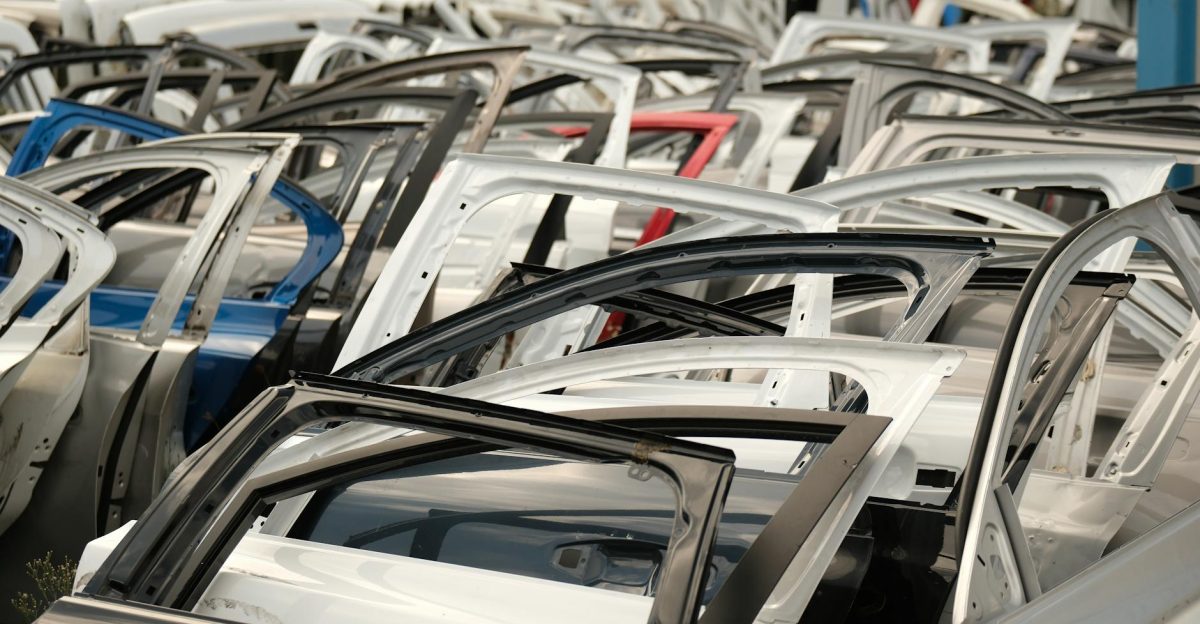
Trump’s 25% tariff on auto parts, signed April 3, 2025, added roughly $99 million in costs to First Brands’ operations. The company needed to refinance. Jefferies led a $6.2 billion attempt. Lenders demanded a quality-of-earnings review. That review found the $2.3 billion in collected receivables that should have gone to factoring creditors. Gone. Debtors’ counsel told the bankruptcy court: “It’s not here. We don’t have it. Zero dollars. There’s $12 million in the bank account today. That’s it.” A policy meant to protect domestic suppliers destroyed the biggest one.
The Machine Behind the Curtain
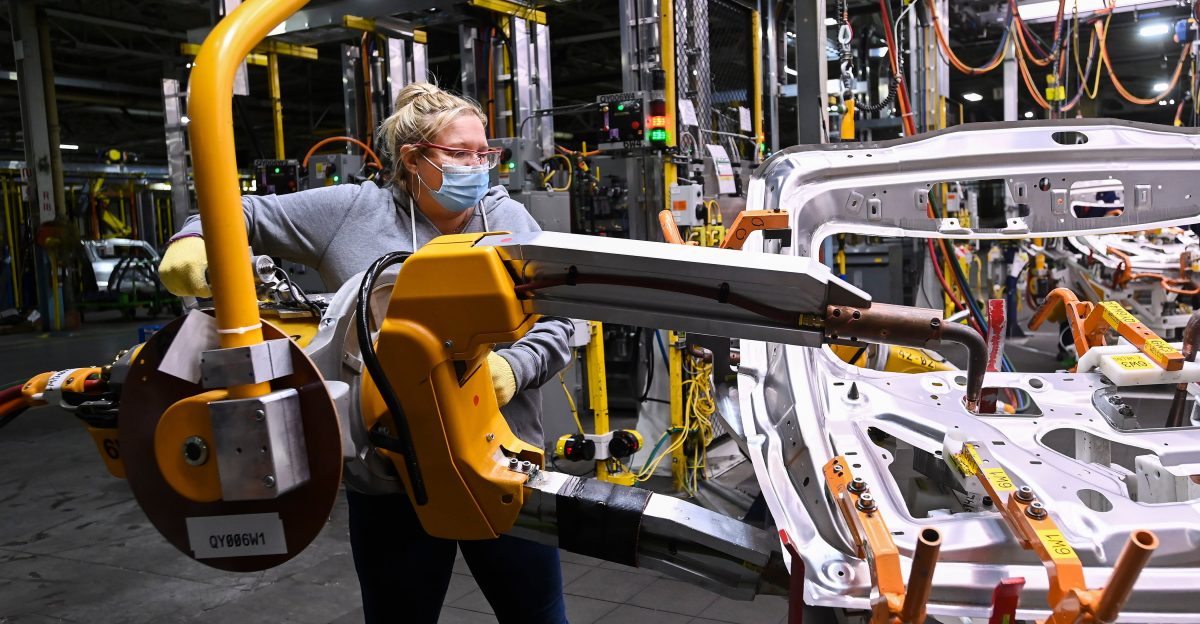
The fraud ran for seven years because the financial architecture itself enabled it. Off-balance-sheet factoring kept liabilities invisible. Lenders operated in silos, never cross-verifying collateral, so the same assets got pledged to Katsumi ($1.75 billion exposure), Jefferies ($715 million), and others simultaneously. A personal slush fund called Bowery Finance II funneled roughly $12 billion in transfers over three years. Receivables verification relied on spot-check sampling of thousand-invoice packages. Alter enough invoices systematically, and the sampling never catches it. The system rewarded speed and volume over scrutiny.
Where the Money Went
Over $700 million flowed from First Brands to Patrick James and affiliated entities between 2018 and 2025, with the majority moving between 2023 and 2025. Seventeen exotic cars. Seven homes in places like Malibu and the Hamptons. A celebrity chef on retainer exceeding $500,000 a year. U.S. Attorney Jay Clayton put it plainly: “The James brothers obtained billions for First Brands—and millions for themselves—by presenting their lenders with the impression of a successful, growing international business.” Half a million dollars annually for a personal chef while the company was technically insolvent. That’s not ambition. That’s looting.
3,500 Workers, 15 States, Zero Warning
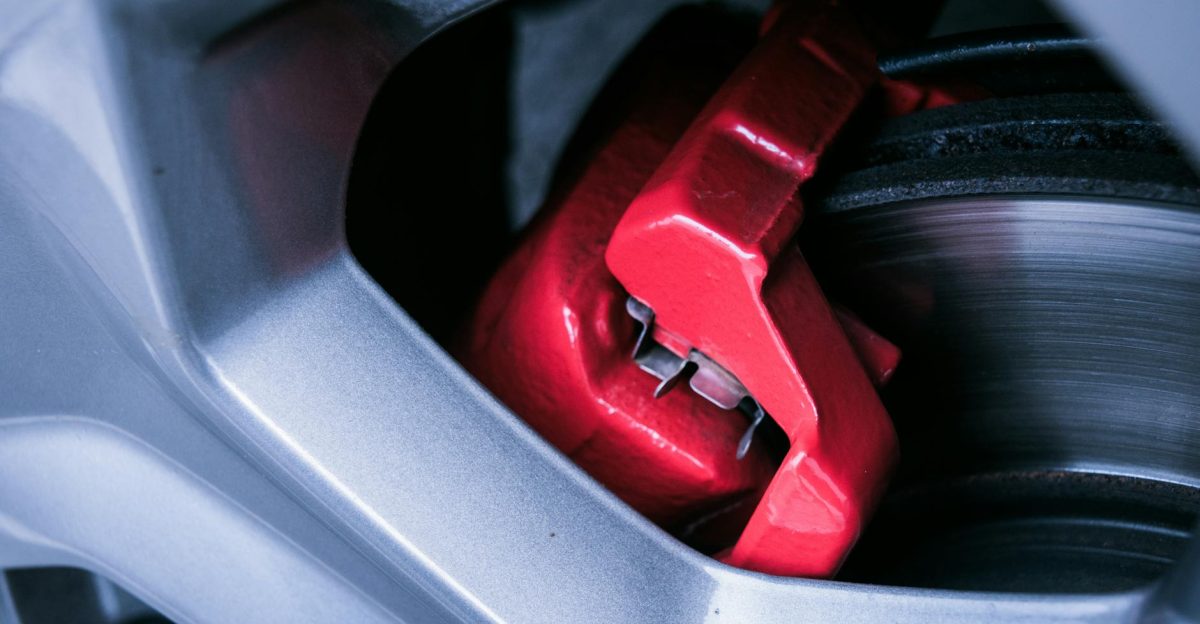
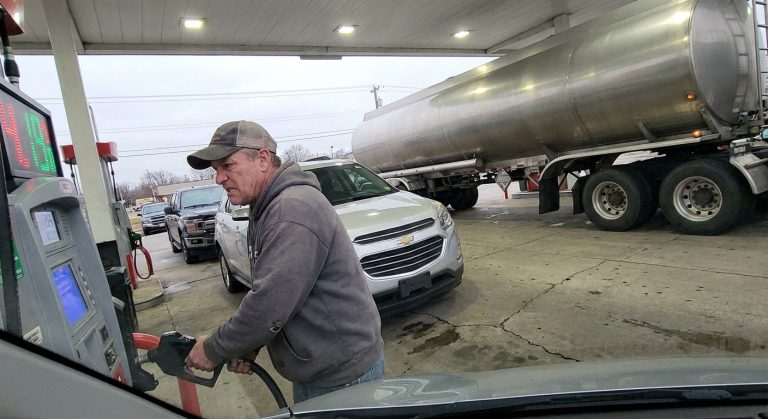
The collapse radiated outward. Over 1,100 jobs in Ohio. More than 1,000 in Illinois. 571 in Texas. 383 in Indiana. 275 in Kansas. 76 in Hebron, Kentucky. First Brands announced the wind down of Autolite, Brake Parts Inc., and Cardone in January 2026 after failing to secure buyers. Ford’s attorney warned the court: “Every day that these operations are not put into the hands of a more stable operator, there is a risk of production to Ford.” Ford and GM started making advance payments just to keep certain supply lines alive.
The New Rule for Private Credit
This wasn’t an exception. It was a stress test that the entire private credit model failed. UBS faces over $500 million in exposure through structures that analysts compared to the Greensill/Credit Suisse scandal. The Federal Reserve’s Financial Stability Report flagged First Brands as a signal of vulnerability in privately held firm lending. Apollo, Ares, and Blackstone found themselves defending the industry before the House of Lords. Peter Brumbergs, the company’s senior VP of finance, pleaded guilty in January 2026 and began cooperating with prosecutors. Each acquisition James made created new collateral to pledge and new lenders to deceive.
The Dominoes Still Falling
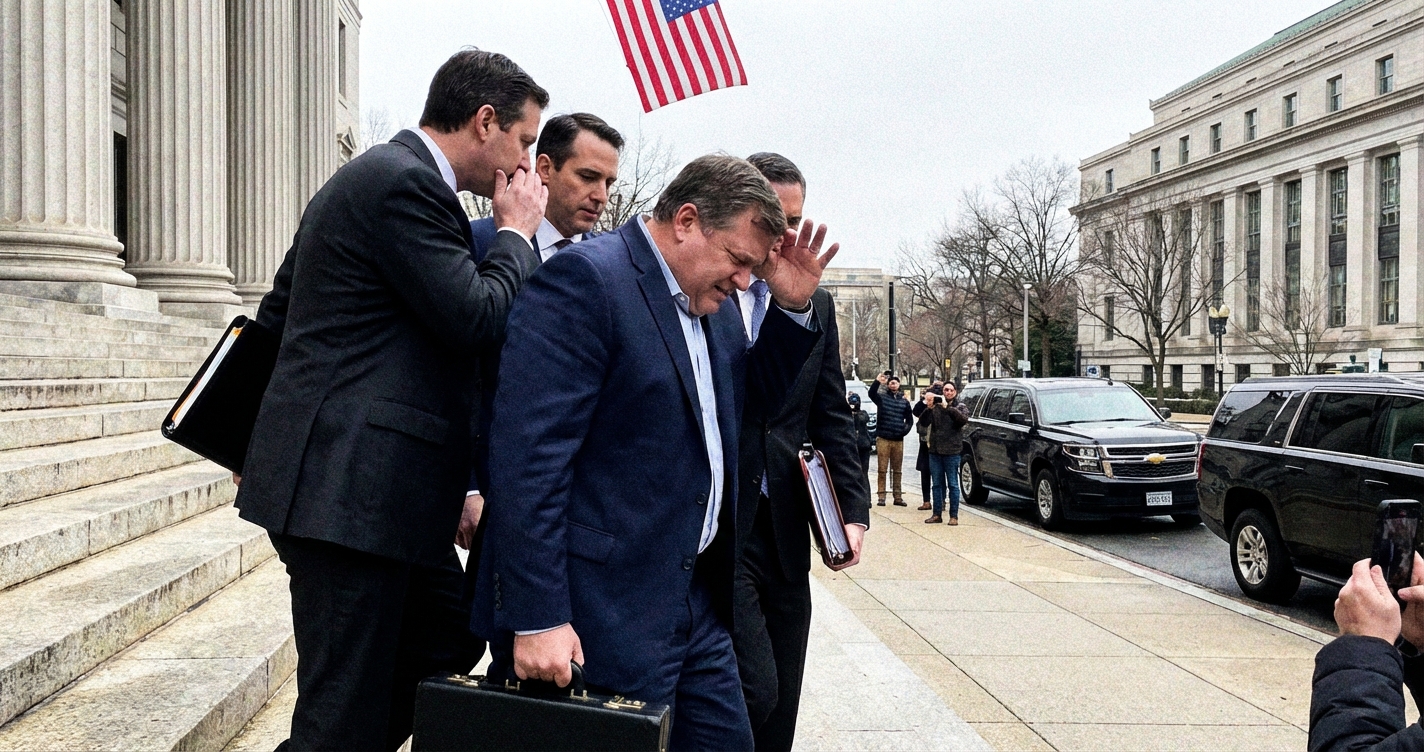
Criminal prosecutions of Patrick and Edward James are proceeding through U.S. District Court in Manhattan, with sentencing recommendations expected to reach 20 to 30 years on bank fraud charges. Creditors holding competing claims on the same collateral face litigation stretching into 2027. The SEC and CFTC are examining private credit oversight gaps. Lenders across the industry now require real-time collateral tracking and third-party verification mandates. Refinancing terms for auto parts suppliers are tightening nationwide. The fraud lasted seven years. The cleanup will take longer.
What Everyone Else Missed
The FRAM filter sitting in a Walmart aisle was manufactured by a company that existed, in financial terms, as a hollowed-out shell propped up by fabricated invoices. The brands will likely survive under new ownership. The workers won’t get those years back. The lenders won’t recover billions. And the red flags were visible the entire time: governance structures overridden on the eve of bankruptcy, working capital numbers too good to be true, off-balance-sheet obligations that nobody consolidated. Ford and GM are already diversifying suppliers. The question now is how many other companies are running the same playbook undetected.
Sources:
“First Brands Executives Charged With Multibillion-Dollar Fraud” — U.S. Department of Justice
“First Brands Founder Indicted for Fraud After Bankruptcy” — Reuters
“Ex-First Brands Finance Exec Details Fraud in Guilty Plea” — TT News
“17 Exotic Cars, Luxury Homes: First Brands’ Founder Accused of Looting Company” — The Straits Times
“UBS and First Brands: A New Greensill Moment?” — LALIVE