Automakers Torch $70B On EVs Nobody Wanted In Largest Industrial Write-Off Since 2008 Crisis
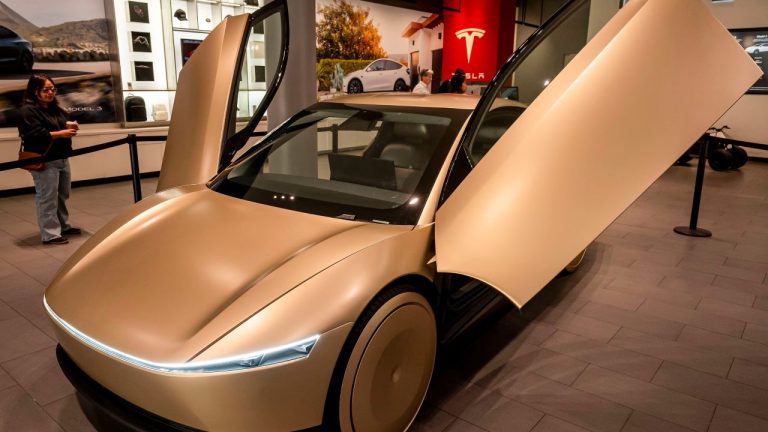
The $7,500 federal EV tax credit expired on September 30, 2025, directly triggering a collapse in EV sales in Q4 2025 and January 2026. By January 2026, the U.S. EV market share had fallen from 9.5% to 6.0%, a 31% collapse in market penetration within about three and a half months. This represents the sharpest quarterly decline in EV penetration since the segment emerged as mainstream in 2018, according to compiled industry data. Tesla’s U.S. sales declined 17% month-over-month in January 2026. Dealerships sat on inventory that moved briskly in August and gathered dust by November. Major automakers announced EV-related write-downs and charges between September 2025 and February 2026.
The Bet
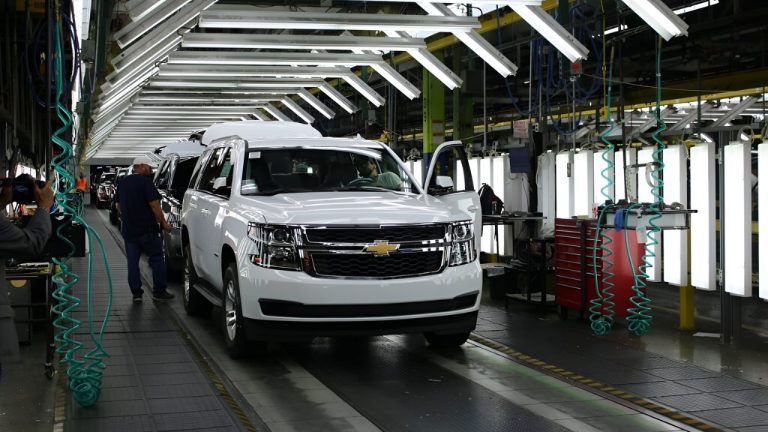
Every major Western automaker committed simultaneously. Between 2018 and 2023, major automakers including Ford, GM, Stellantis, Honda, and Volkswagen committed large sums to EV platforms, battery factories, and electric supply chains. The logic was identical at every boardroom table: Tesla proved the market existed, and falling behind meant extinction. Automakers faced weaker-than-expected demand once subsidies were removed. Automakers underestimated how strongly consumers would choose hybrids instead. The capital went out the door based on fear of disruption, not validated demand. Those EV strategy resets resulted in approximately $70 billion in EV-related write-downs and charges.
The Reckoning
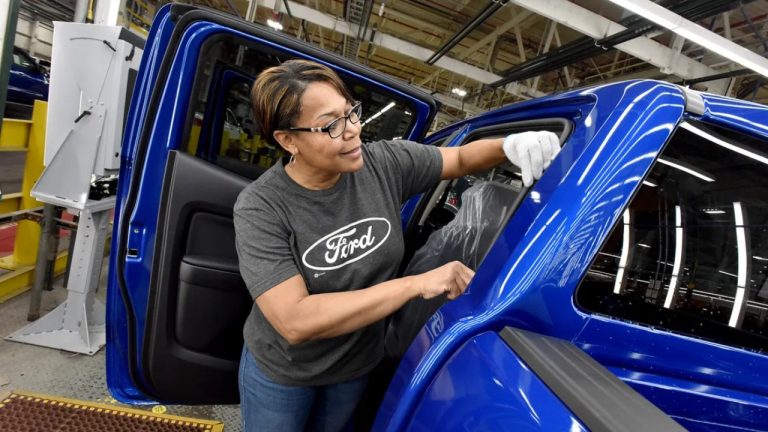
Stellantis recorded €22.2 billion ($26 billion USD) in charges, the single largest EV-related impairment announced by any automaker in history. Ford followed with $19.5 billion in special charges tied to canceled EV models, battery joint venture changes, and related program costs. GM took $6 billion in Q4 2025 special charges; Porsche’s EV rollout delays led Volkswagen to take a $6 billion hit and cut profit margins from a forecasted 5–7% to 2%; Honda’s EV write-offs totaled $1.7 billion in the nine months ending December 31, 2025, and were expected to reach $1.9 billion by March 2026. Together with Stellantis and Ford, these moves contributed to approximately $70 billion in EV-related write-downs and charges over several months.
The Confession
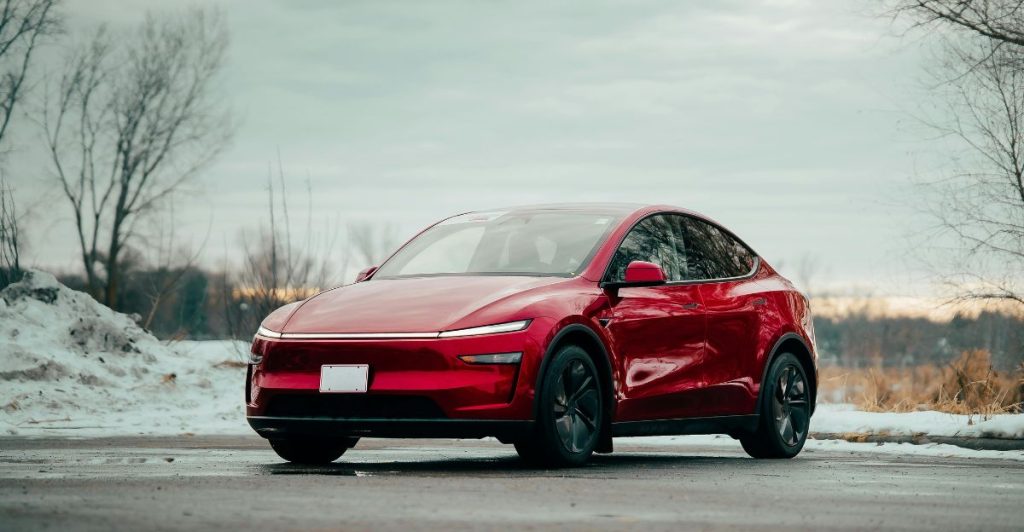
In June 2025, Stellantis CEO Antonio Filosa said, “We are resetting our product plan and our EV supply chain to reflect much more real customer demand, a shift in regulation, following an initial overestimation of pace of adoption of electrification in the regions.” Stellantis sold its 49% stake in NextStar Energy, a $5 billion EV battery joint venture with LG, for a nominal $100 fee. One hundred dollars for half a battery factory. That is what “overestimation” costs.
The Real Engine
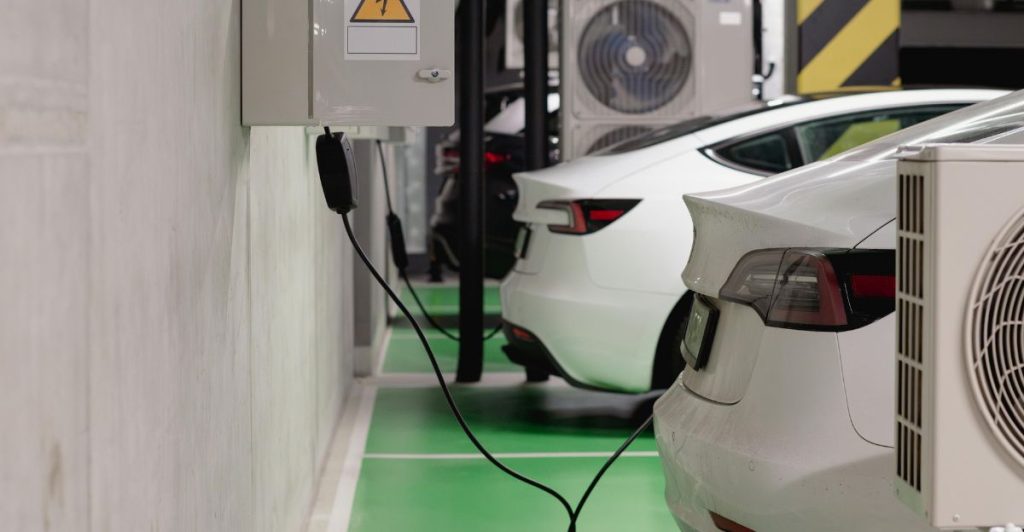
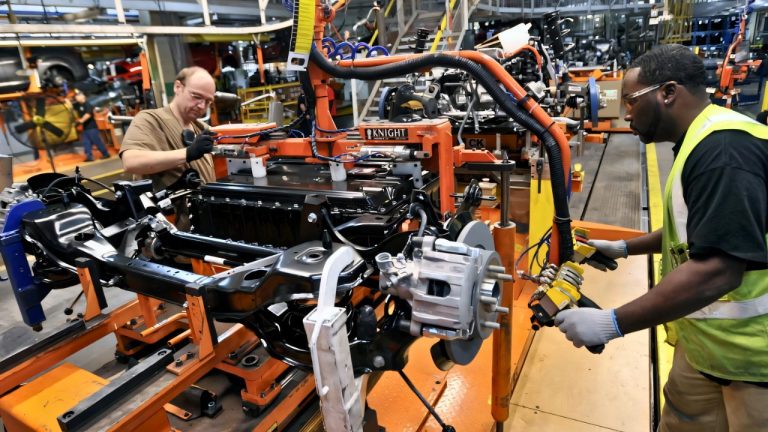
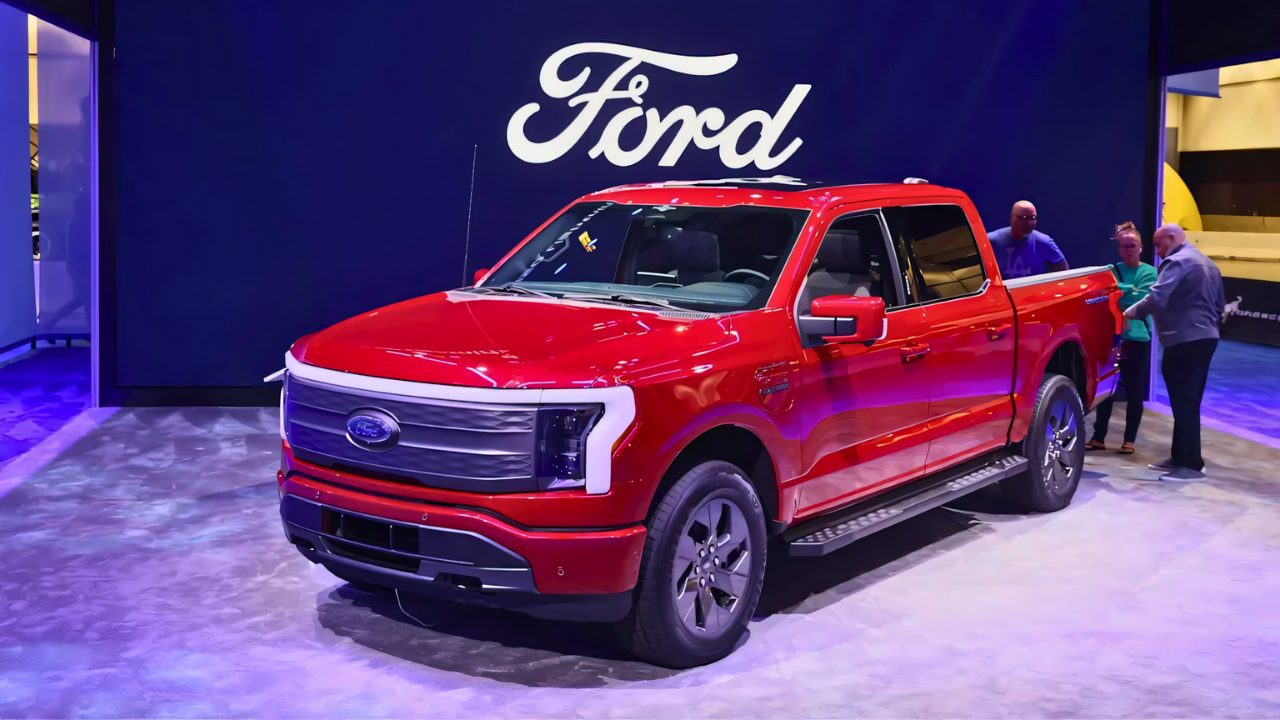
While Stellantis was writing off billions in EV assets, its Q4 2025 shipments jumped 43% year-over-year. The growth engine included the Ram 1500 Hemi V-8 and Jeep Cherokee hybrid, which together accounted for more than 30% of that growth. Ford’s Model E division lost more than $13 billion in less than three years and is not projected to reach profitability until 2029. Ford is now repurposing Kentucky and Michigan battery plants to build energy storage systems for data centers. The factories built for electric trucks will be repurposed to manufacture battery energy storage systems for data centers. That tells you everything about where actual demand lives.
The Cost Gap
BYD sold 2.26 million electric vehicles in 2025, surpassing Tesla’s 1.64 million to become the world’s largest EV seller. The Rhodium Group found BYD holds a $4,700 per-vehicle cost advantage over Tesla through vertical integration of battery and semiconductor production. BYD’s Atto 1 launched in Australia at $23,990 AUD, achieving near-price parity with internal combustion engines and undercutting most ICE hatchbacks. In January 2026, BYD outsold Tesla 10-to-1 in Australia (5,001 units vs 501 units). Chinese automakers proved EVs can sell at around $24,000, while Western automakers have struggled to sell EVs profitably at around $50,000 without subsidies.
The Ripple
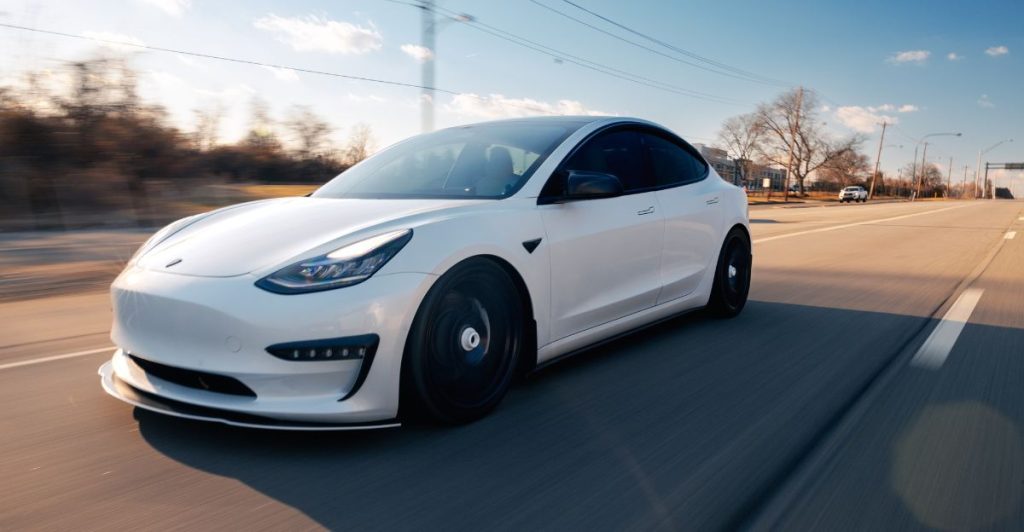
Global battery overcapacity reached approximately 900 GWh in 2025, more than double global demand. That glut will crush margins for battery makers and suppliers for years. In Canada, EV and plug-in hybrid registrations fell from 15% market share in 2024 to 8.7% in Q1 2025 after purchase incentives were phased out. In Q2 2025, hybrids overtook ZEVs for the first time, reaching 12.9% market share versus 9.2% for ZEVs. The consumer verdict is clear: given a reasonably priced hybrid option, many buyers are choosing it over full-electric.
The New Timeline
EY’s Mobility Lens Forecaster now projects U.S. EV adoption will reach only 11% of light vehicle sales by 2029. The 50% adoption milestone has been pushed to 2039, five years later than prior estimates. That is a structural revision of when electrification actually arrives. Recent reversals show government EV mandates and subsidies can be reversible, policy-dependent tools rather than permanent features. Canada’s ZEV mandate faced significant scrutiny in early 2026, raising questions about future enforcement. Every automaker’s capex plan built on the old timeline is now stranded.
The Squeeze
Ford CEO Jim Farley called the pivot “a customer-driven shift to create a stronger, more resilient, and more profitable Ford. The operating reality has changed, and we are redeploying capital into higher-return growth opportunities.” Profitability for Ford’s EV division is not expected until 2029. Meanwhile, average EV battery packs cost $108 per kilowatt-hour globally in 2025, but Chinese manufacturers achieved $84 per kilowatt-hour, while North American and European packs ran 44 to 56% higher. That cost gap is structural, rooted in labor, regulation, and supply chain control. Chinese automakers hold roughly 75% of global battery manufacturing capacity and control two-thirds of critical mineral processing.
The Trap
Battery prices have fallen 93% in real terms since 2010, representing the steepest cost curve decline of any energy technology in that timeframe. The technology works. The economics for Western automakers do not. BYD proved you can build a profitable EV at $24,000. Ford proved you can lose $13 billion trying at $50,000. The $70 billion in write-offs is the visible damage. The invisible damage is a permanent competitive gap that tariffs can mask but cannot close. Western automakers now face a choice: move toward Chinese cost structures or risk conceding the affordable EV market.
Sources:
“Ford retreats from EVs, takes $19.5 billion charge as Trump policies take hold.” Reuters, 15 Dec 2025.
“GM to record $7.1 billion in Q4 charges due to EV, China resets.” CNBC, 8 Jan 2026.
“China’s BYD overtakes Tesla as world’s top EV seller for first time.” CNBC, 2 Jan 2026.